First Pass

11 stories from 2 sources

New tools challenge established pictures of universe and computation

Day’s Recap

Supporting Articles

A new cosmological model proposes that the Universe is 26.7 billion years old and may explain cosmic expansion and galaxy rotation without dark matter or dark energy. Researchers reported that the model also fits observations involving early element formation, but it remains a challenge to the standard cosmological framework rather than an established replacement.

1:46 AMScienceDaily
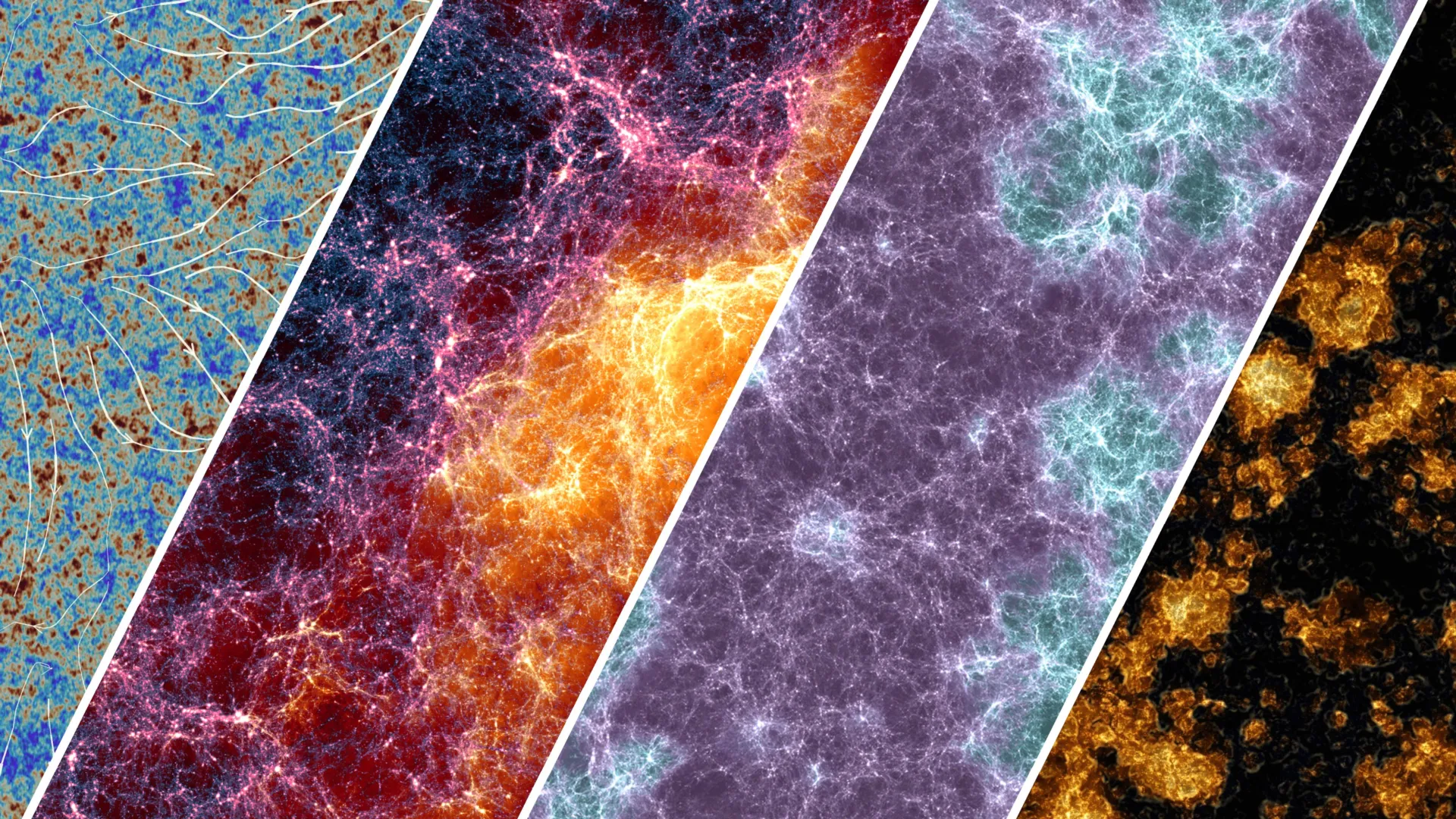

The Lumina supercomputer simulation models 2 billion years of early cosmic history across a region 1.6 billion light-years wide. Its scale and detail show how the universe moved from its cosmic dark age toward a cosmos filled with stars and galaxies.

11:07 PMScienceDaily

Researchers have built a quantum computer that stores information in microscopic mechanical vibrations rather than relying only on conventional quantum hardware. The system has performed advanced quantum calculations and may offer a path toward smaller machines with better information retention.

9:35 PMScienceDaily

Other Developments

A curated list of other prominent stories from this day.

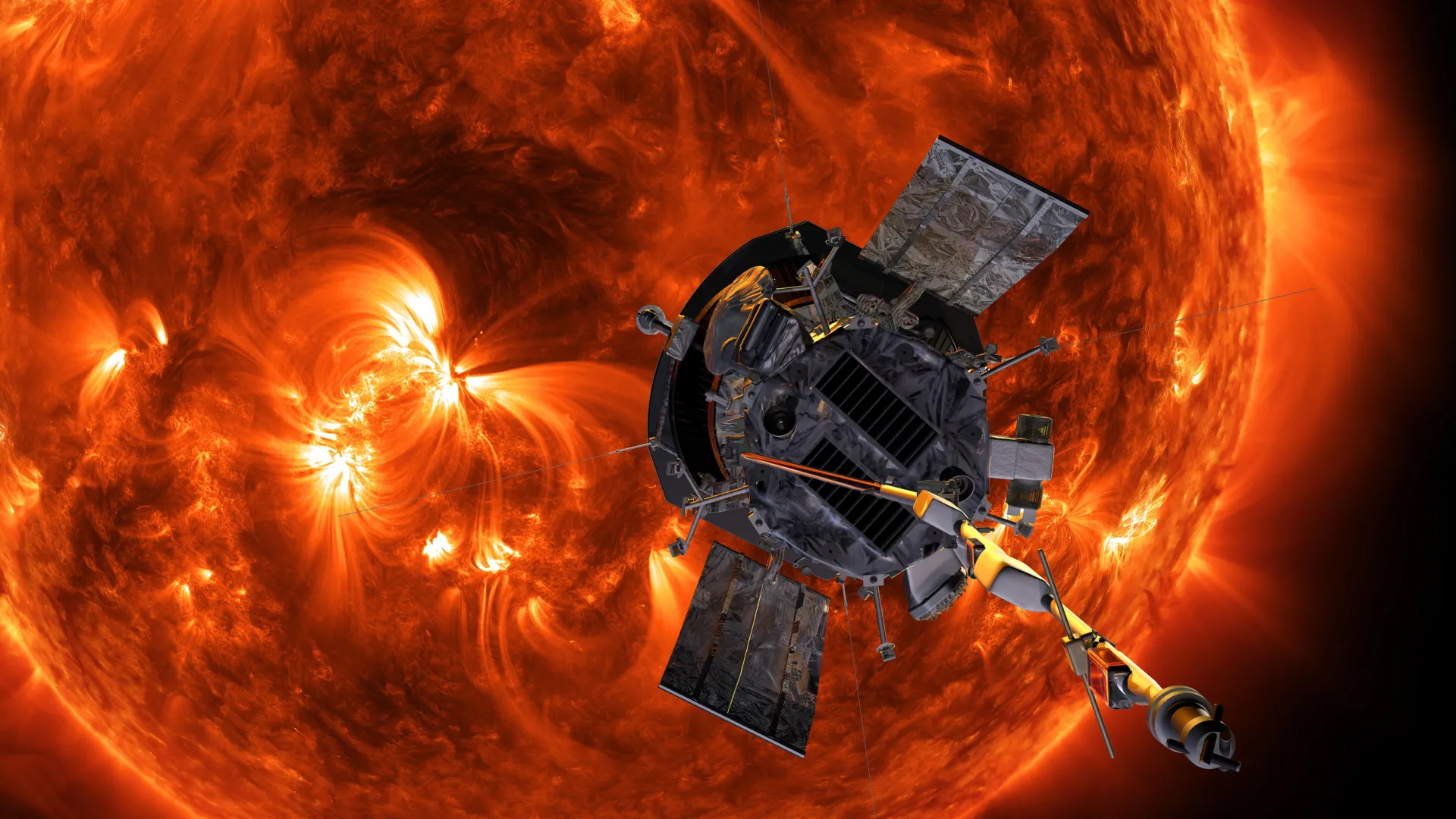
NASA's Parker Solar Probe found that turbulent magnetic fields in the solar wind reverse their direction of rotation at extremely small scales. The pattern reveals an organized feature within solar turbulence that may improve understanding of solar activity and geomagnetic storms.

8:45 PMScienceDaily

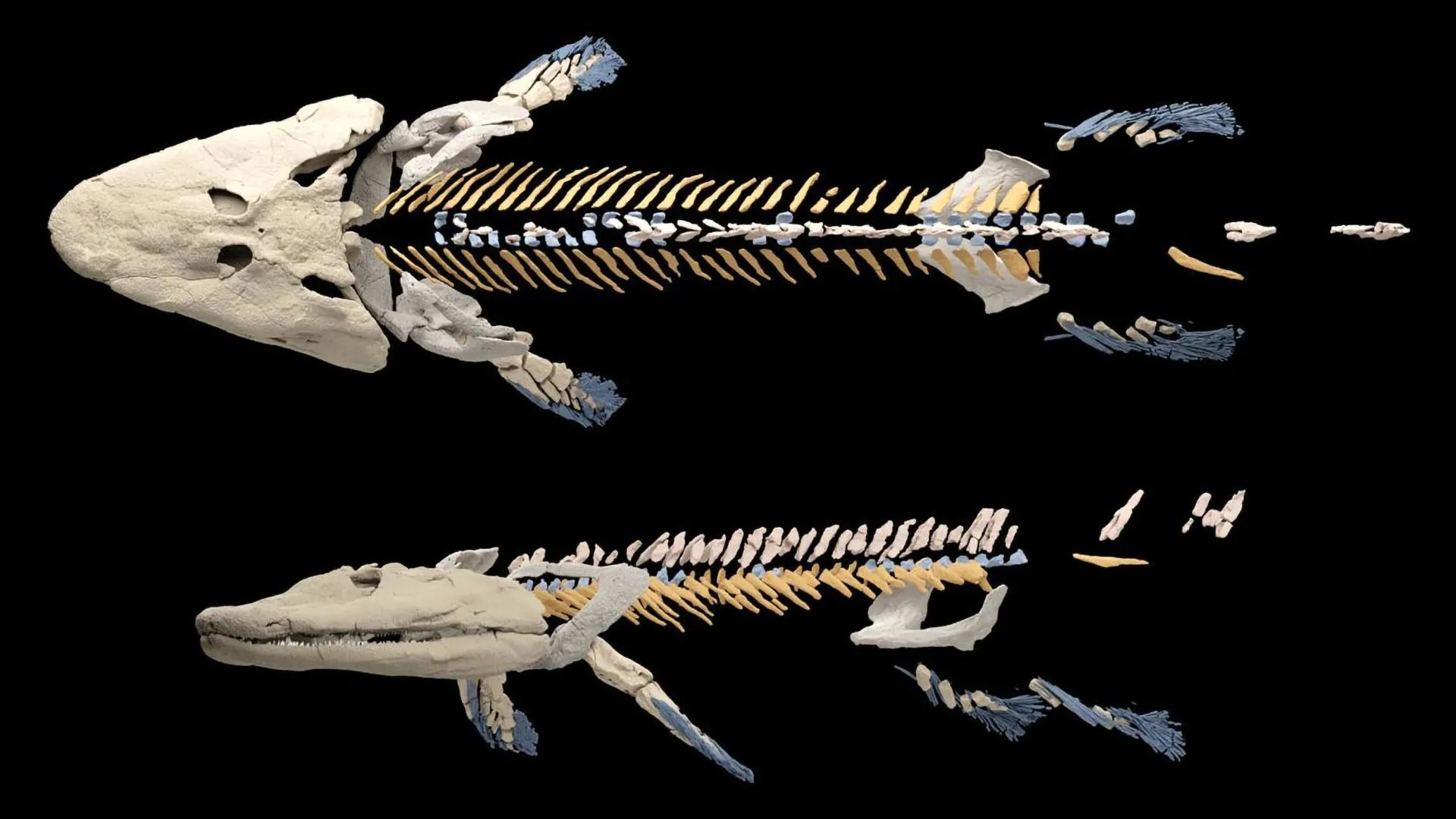
Evidence from the earliest animals to move onto land, nearly 380 million years ago, suggests they had unusually stiff necks. The finding challenges the idea that necks evolved mainly to improve head movement and instead links their emergence to anatomical changes that supported front-limb-based movement.

6:49 PMScienceDaily

Researchers found that mammalian hair-follicle patterns can emerge as cells respond to chemical signals, without requiring a detailed developmental blueprint. The mechanism challenges a long-standing explanation for how these complex patterns form.

7:48 AMScienceDaily

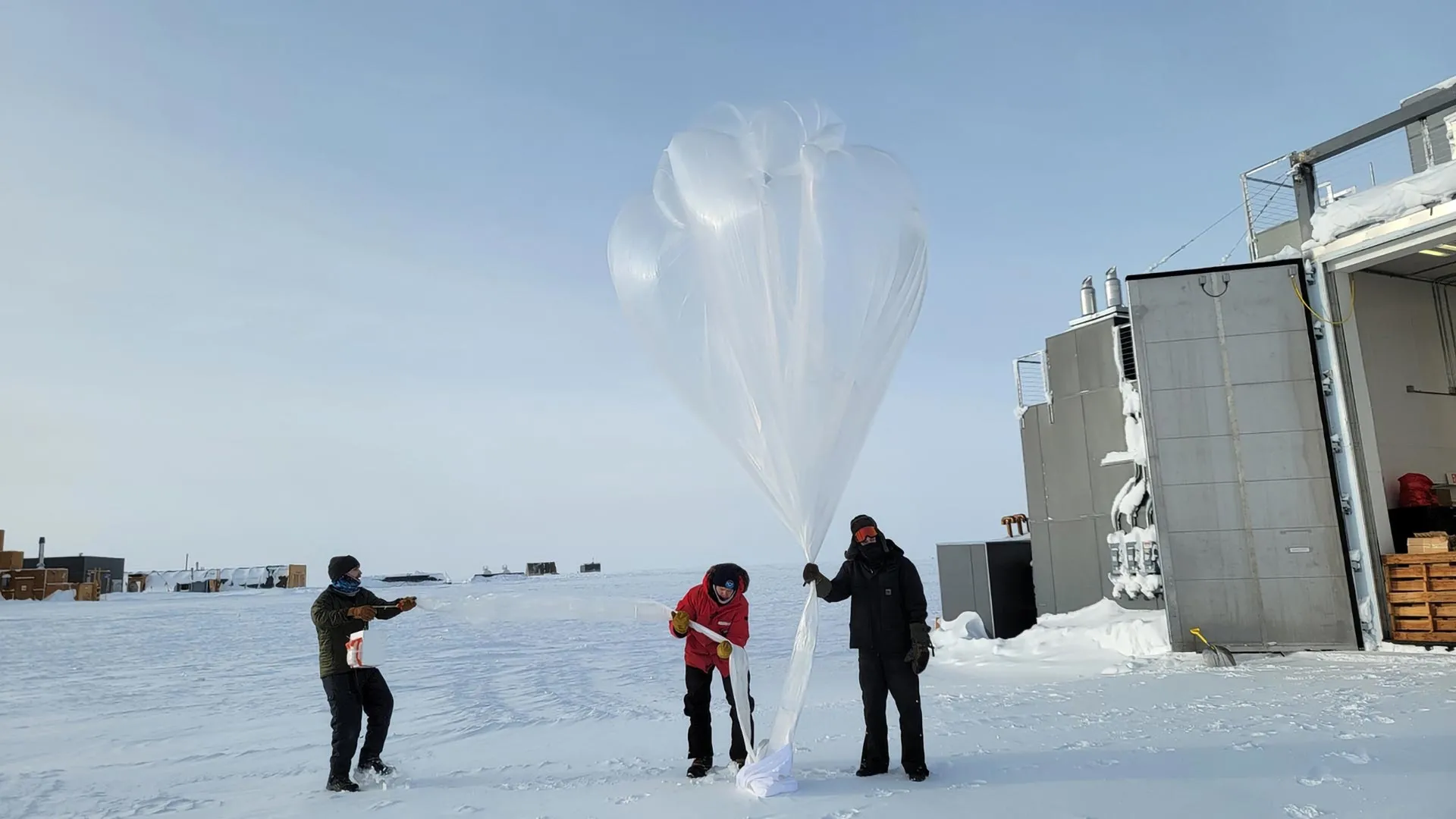
The Antarctic ozone hole reached its seventh-largest extent on record in 2026, as unusual weather pushed it close to historic maximums. Scientists said restrictions on ozone-destroying chemicals limited the damage and that the ozone layer remains on a long-term recovery path.

7:32 AMScienceDaily

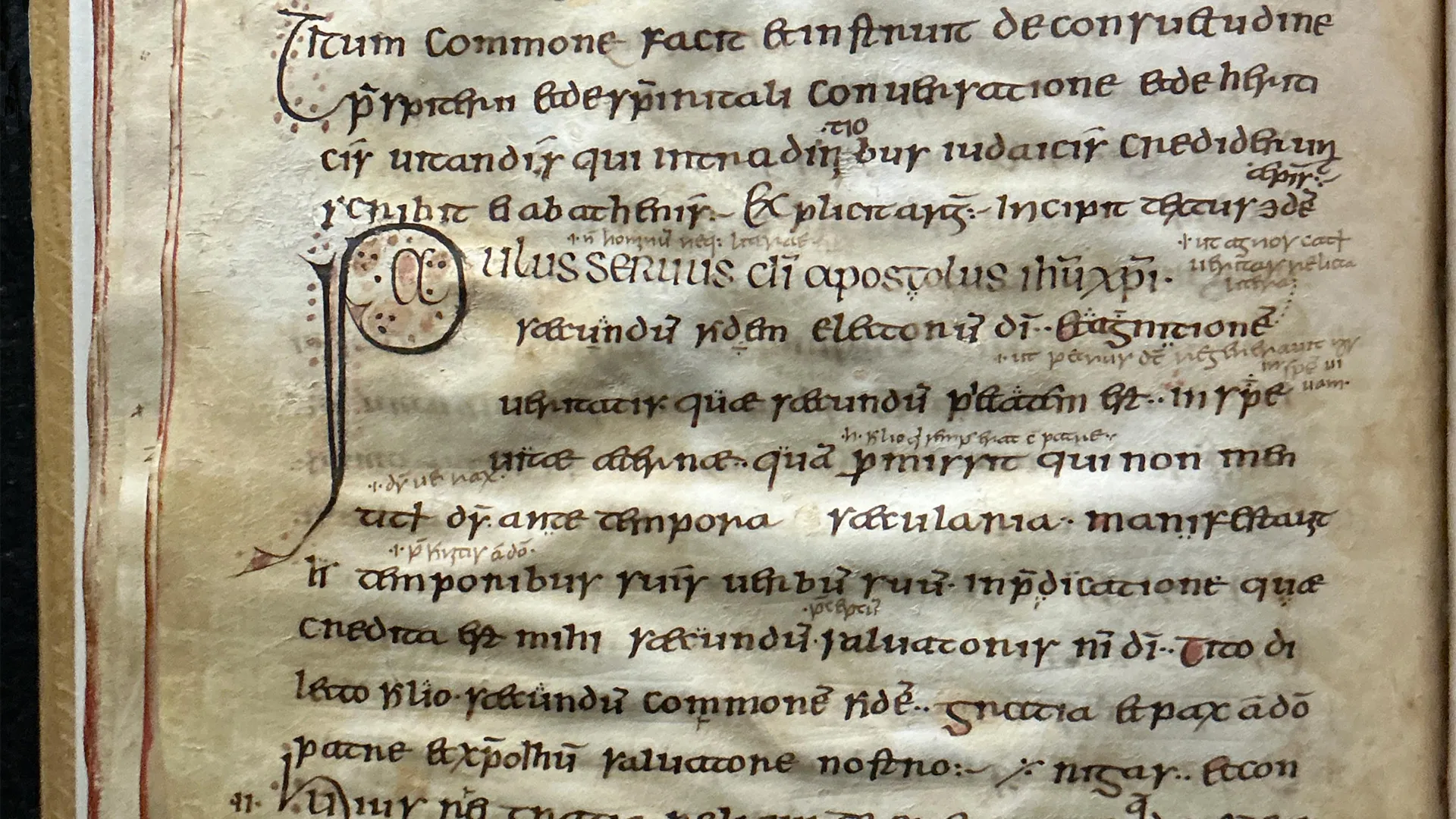
Researchers detected traces of a sheep virus in ancient manuscripts, including the 1,000-year-old York Gospels, extending the virus's documented history back more than 3,700 years. The genetic evidence suggests that the pathogen changed little over millennia and that parchment can preserve clues about past disease outbreaks.

7:10 AMScienceDaily

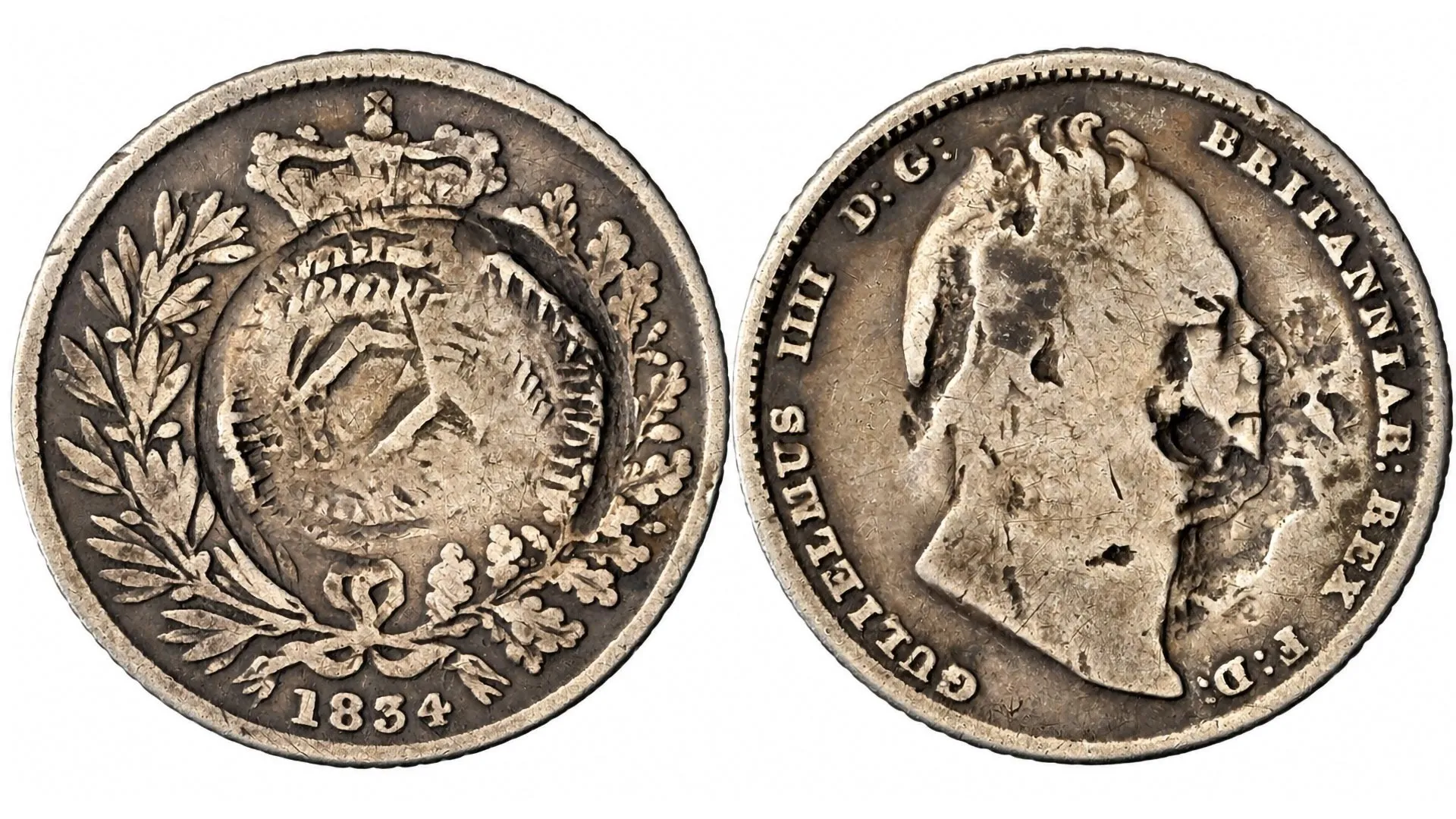
Three-dimensional scans and microscopic analysis of a deformed 1834 British silver coin found at a car boot sale revealed unusual distortions in its metal. The evidence suggests that the coin may have been crushed under extreme pressure during, or close to, its original manufacture.

5:48 AMScienceDaily

Make it yours

Build Your First Pass.

Pick your topics, set your cadence, and receive your personalized First Pass in your inbox. It’s that simple!