First Pass

8 stories from 1 source

Better models are reshaping discovery and mission planning

Day’s Recap

Supporting Articles

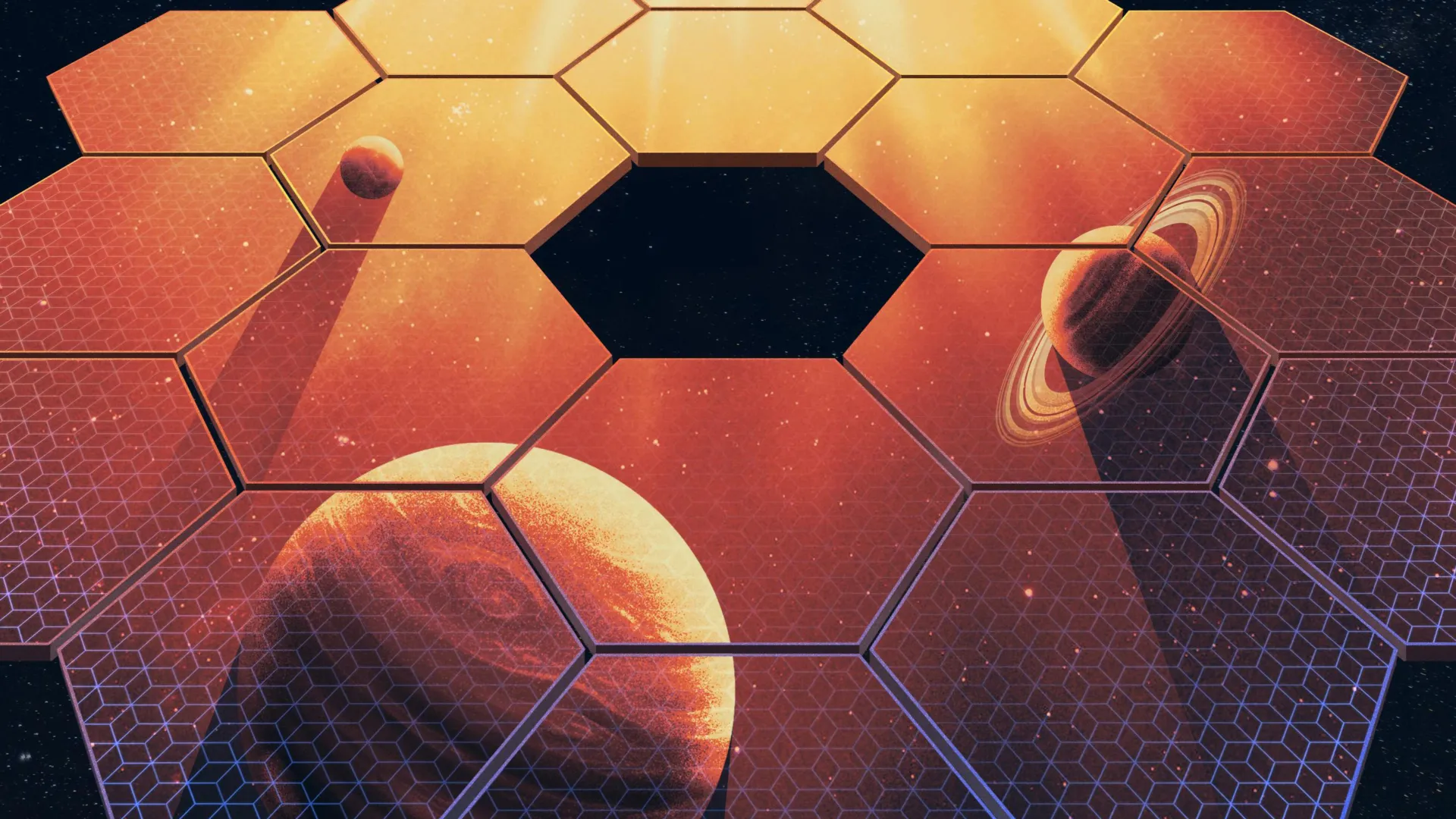
Researchers developed a digital twin of the James Webb Space Telescope to subtract starlight more effectively from its images. The method made faint exoplanets two to 15 times easier to detect and revealed a previously hidden planet in archival data.

6:56 PMScienceDaily
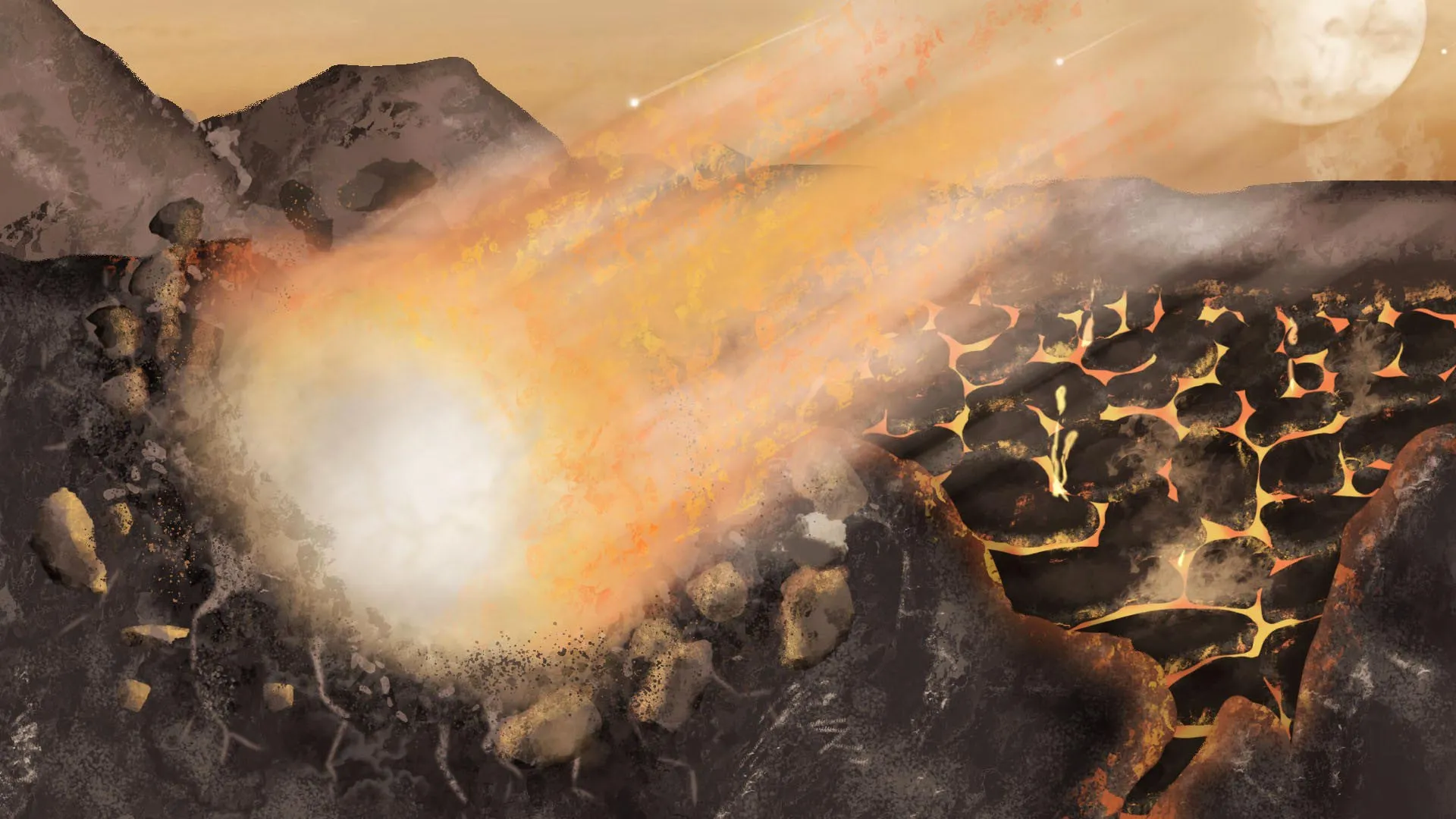

New modeling suggests that comets typically struck Earth too fast and at poor angles to preserve fragile organic molecules needed for life. The research makes asteroids or chemical reactions on Earth more plausible sources of those ingredients, while Mars may have offered slightly better delivery conditions.

4:01 AMScienceDaily

Four NASA volunteers have completed more than a year inside a simulated Martian habitat, where they grew food, managed limited resources, and faced controlled mission constraints. Their exit ends the first CHAPEA mission and provides data for planning future lunar and Mars expeditions.

12:00 AMScienceDaily

Other Developments

A curated list of other prominent stories from this day.

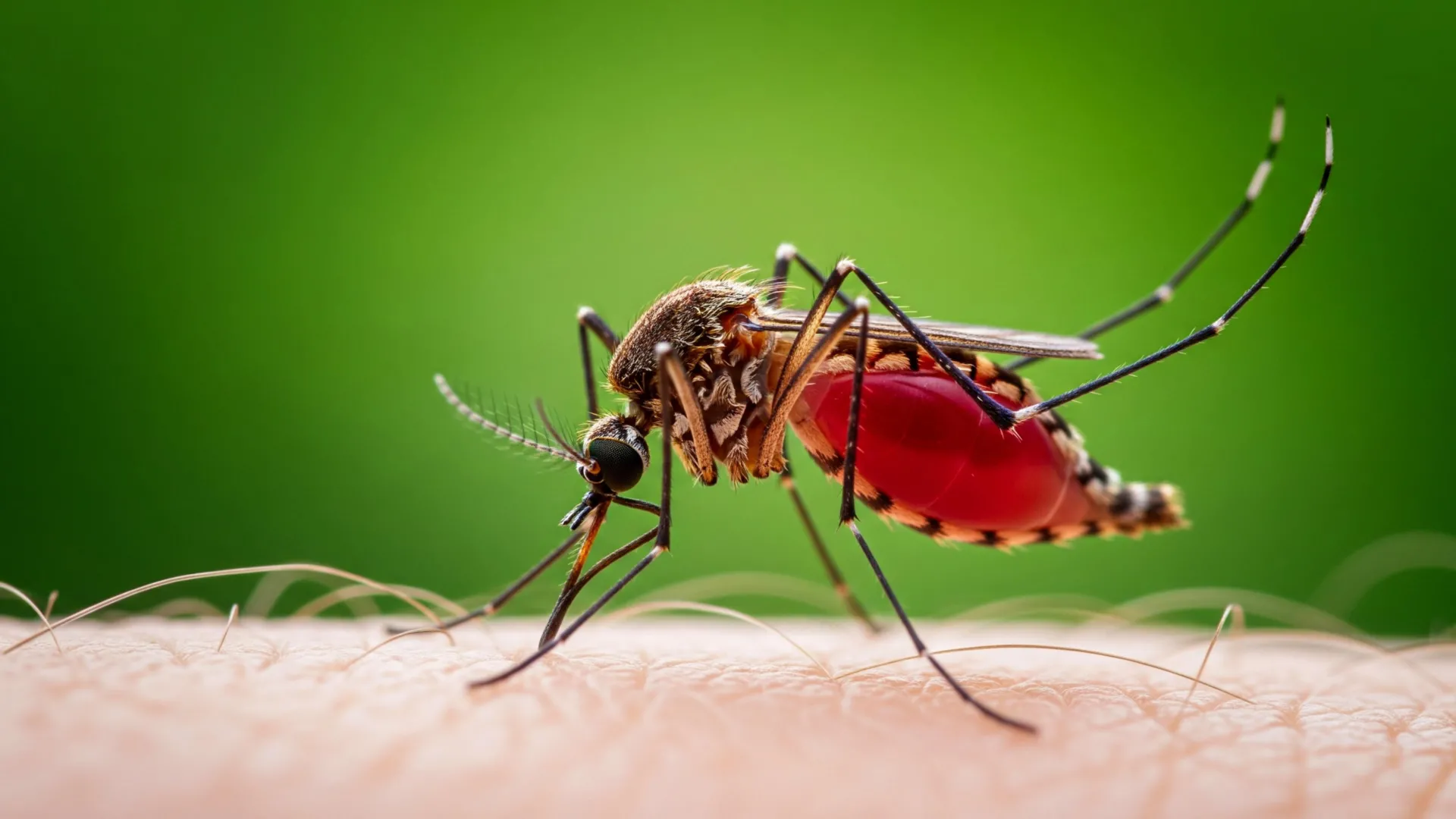
Researchers found that mosquito species respond to different combinations of human skin odors, chemicals, and associated bacteria. The results challenge the idea that one universal trait makes people attractive to all mosquitoes and could inform more targeted repellents.

9:21 PMScienceDaily

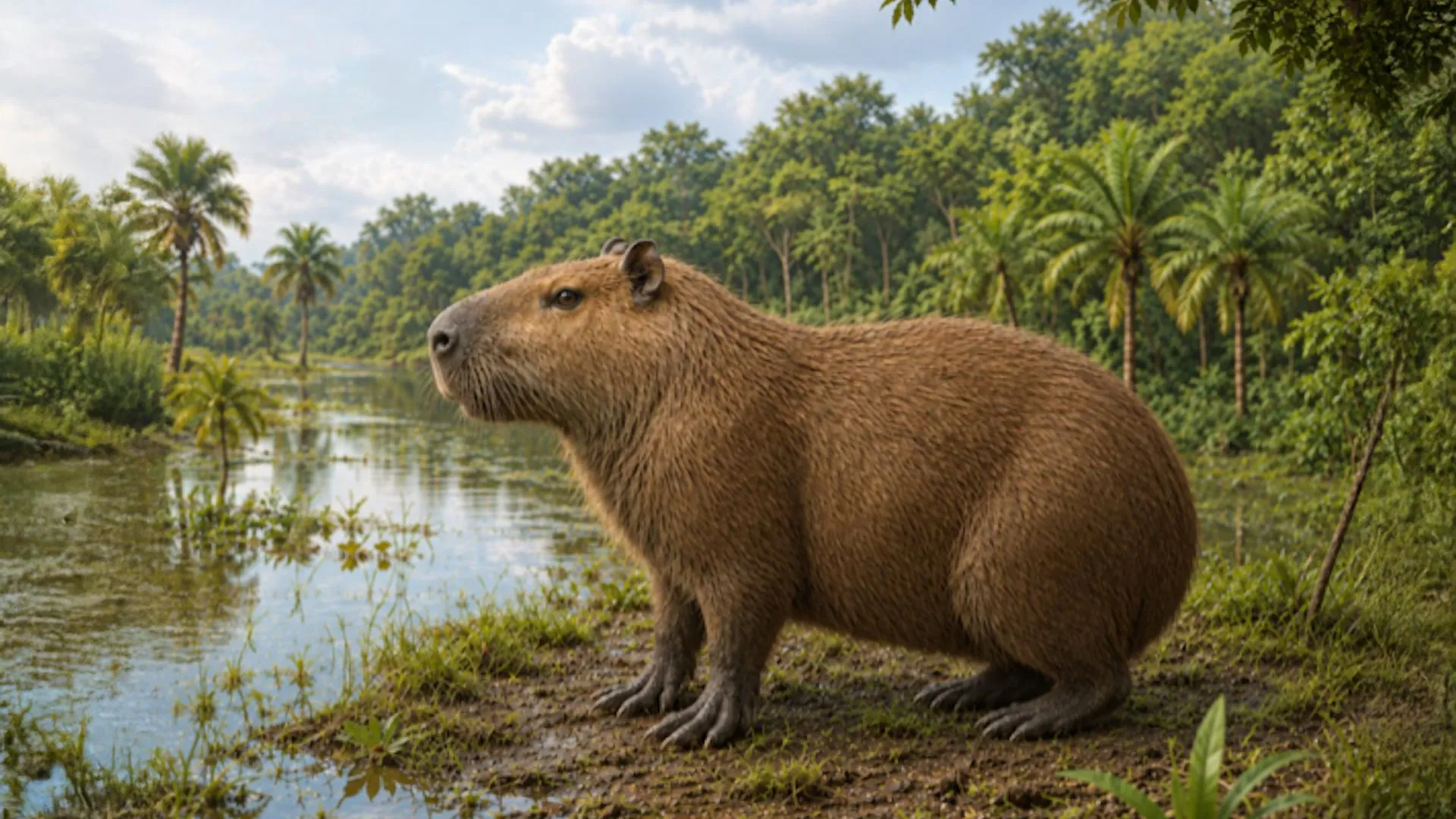
Fossils found in Thailand identify Yakamys sirindhornae, a rodent that lived 34 million years ago and may have weighed about 66 pounds. That is roughly twice the size of other rodents known from the same period.

8:36 PMScienceDaily

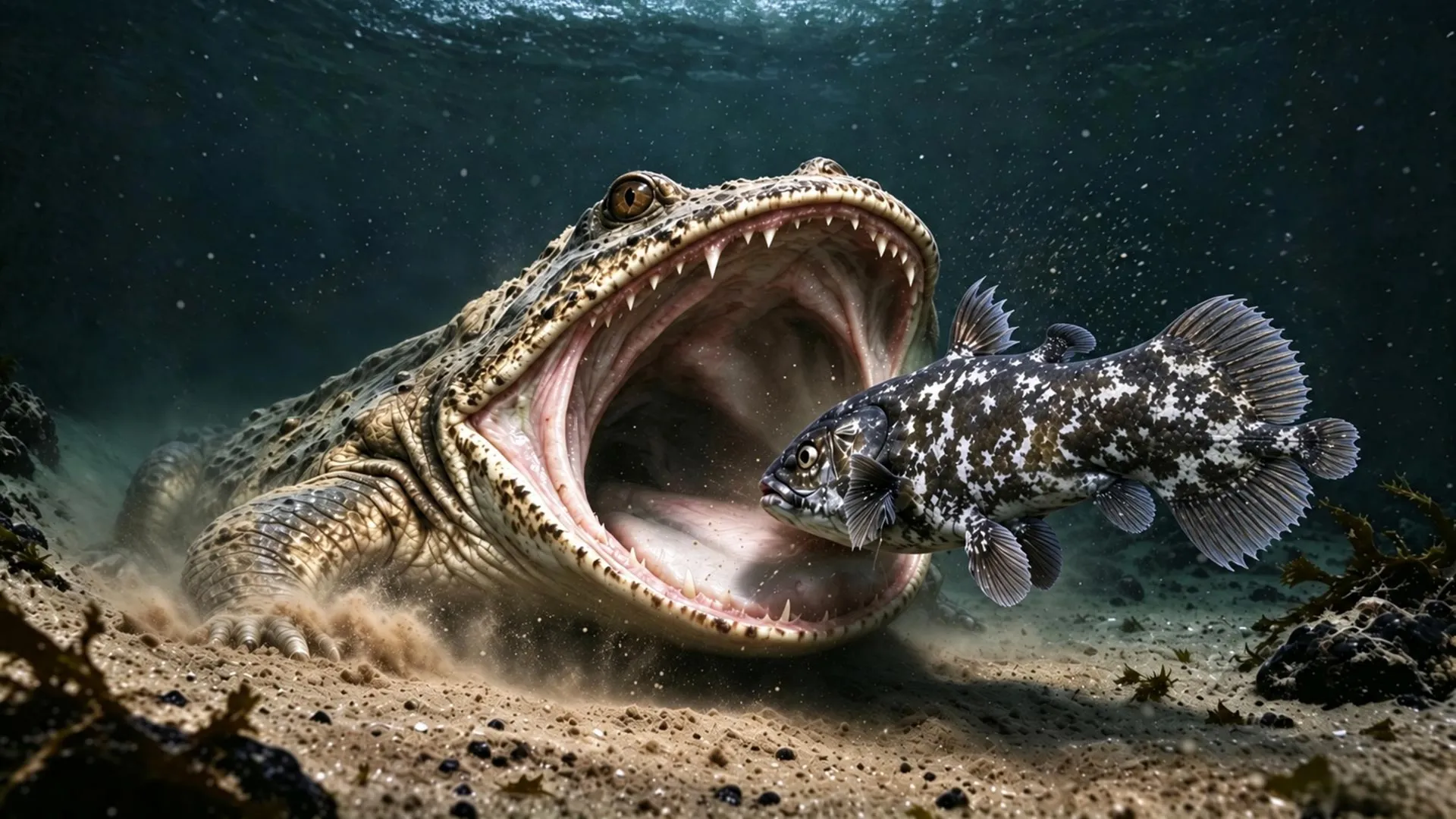
Fossils from China reveal a giant salamander-sized amphibian that lived in the ocean 237 million years ago and had extensive armor. The animal may be the earliest known amphibian adapted to a fully marine life.

7:59 PMScienceDaily

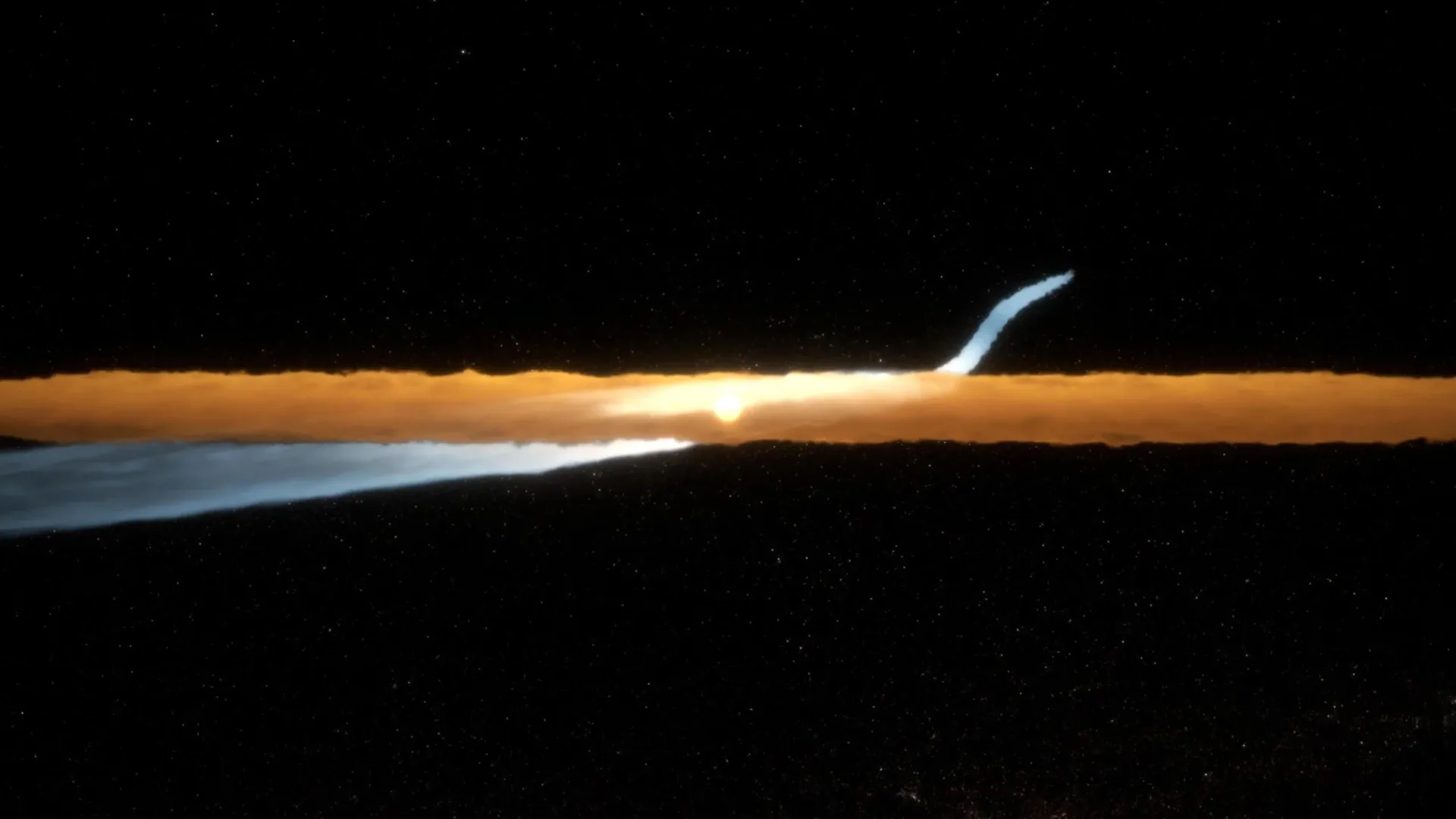
Hubble observations have revealed new details about a vast cloud of dark dust stretching roughly 93 billion miles. The structure may be debris from collisions between large planetary bodies, rather than the simpler formation previously assumed.

7:30 AMScienceDaily

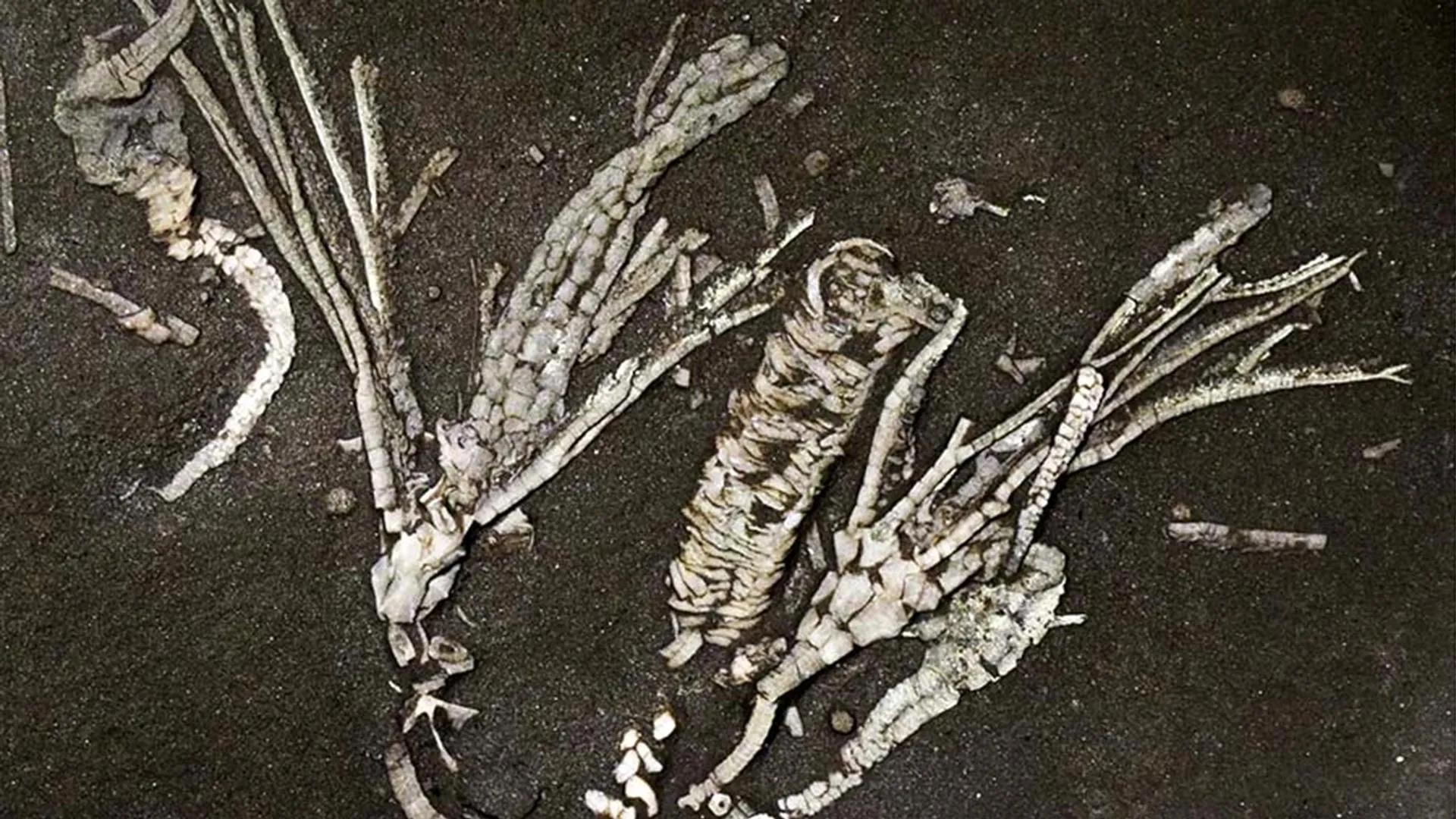
A fossil preserved in a museum collection contains soft tissues from a 450-million-year-old relative of starfish. The specimen reveals anatomical details of ancient reef animals that lived more than 200 million years before dinosaurs.

7:16 AMScienceDaily

Make it yours

Build Your First Pass.

Pick your topics, set your cadence, and receive your personalized First Pass in your inbox. It’s that simple!