First Pass

5 stories from 1 source

Rare physics and autonomous construction pushed science’s frontier

Day’s Recap

Supporting Articles

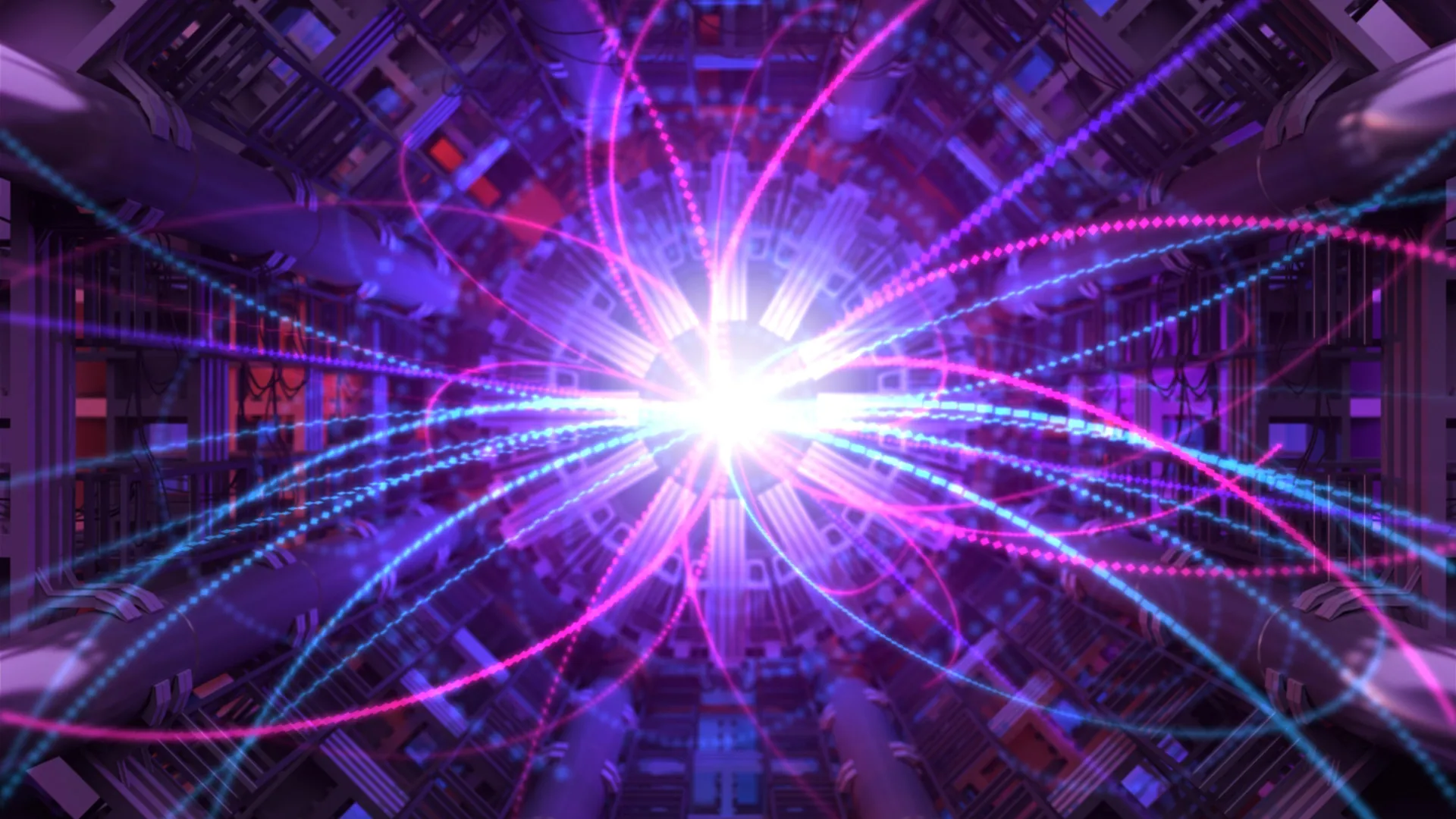
CERN researchers reported evidence of a particle decay that occurs roughly once in 10 billion decays, concluding a search that has lasted more than four decades. Because the process is extremely rare, its measured properties could test the limits of current particle physics.

7:42 PMScienceDaily
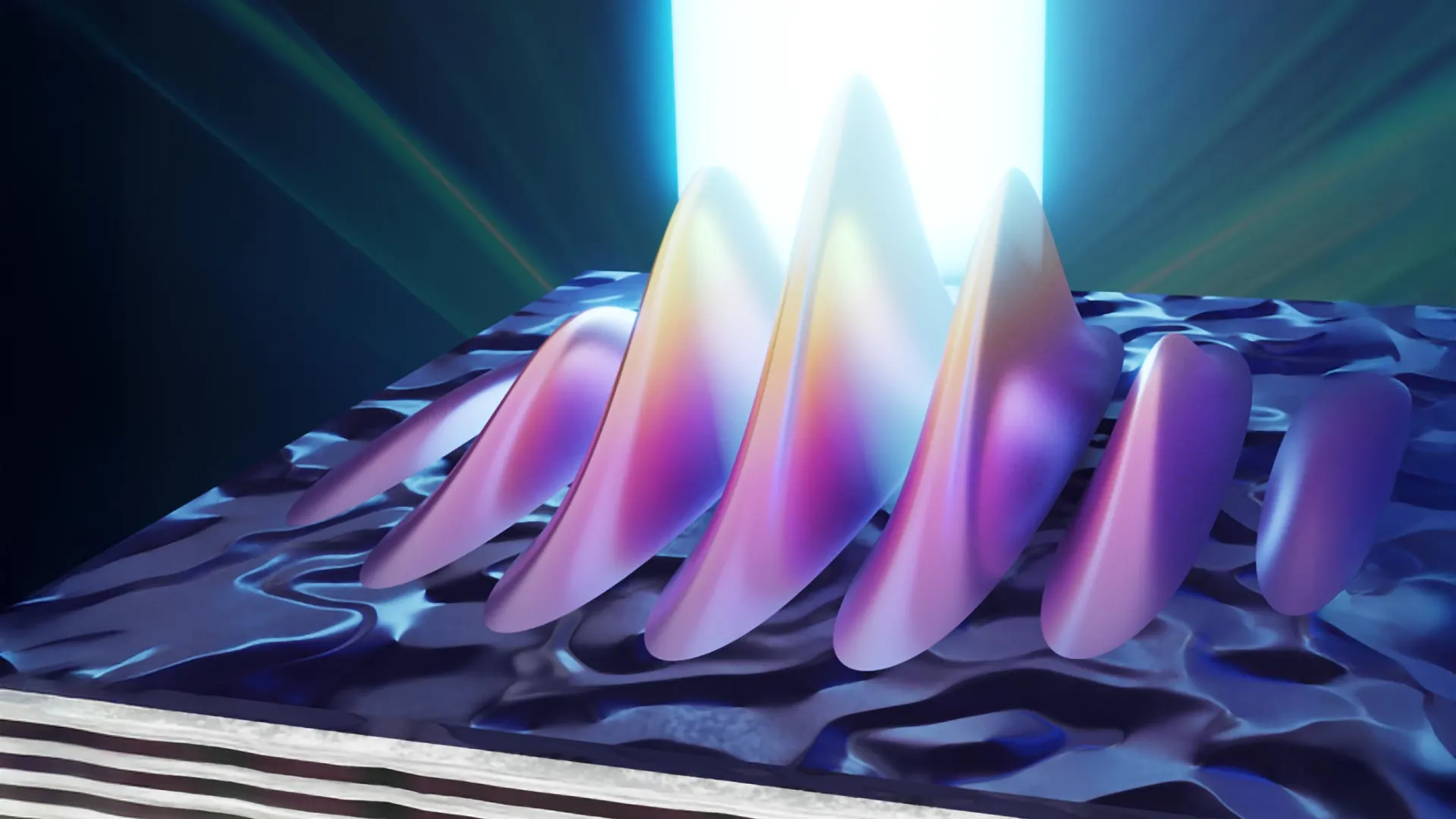
Scientists observed a quantum state in which light displays the ordered structure of a crystal and the frictionless flow of a liquid at room temperature. The result could make unusual light-based states easier to study and potentially useful for computing and sensing.

6:19 AMScienceDaily

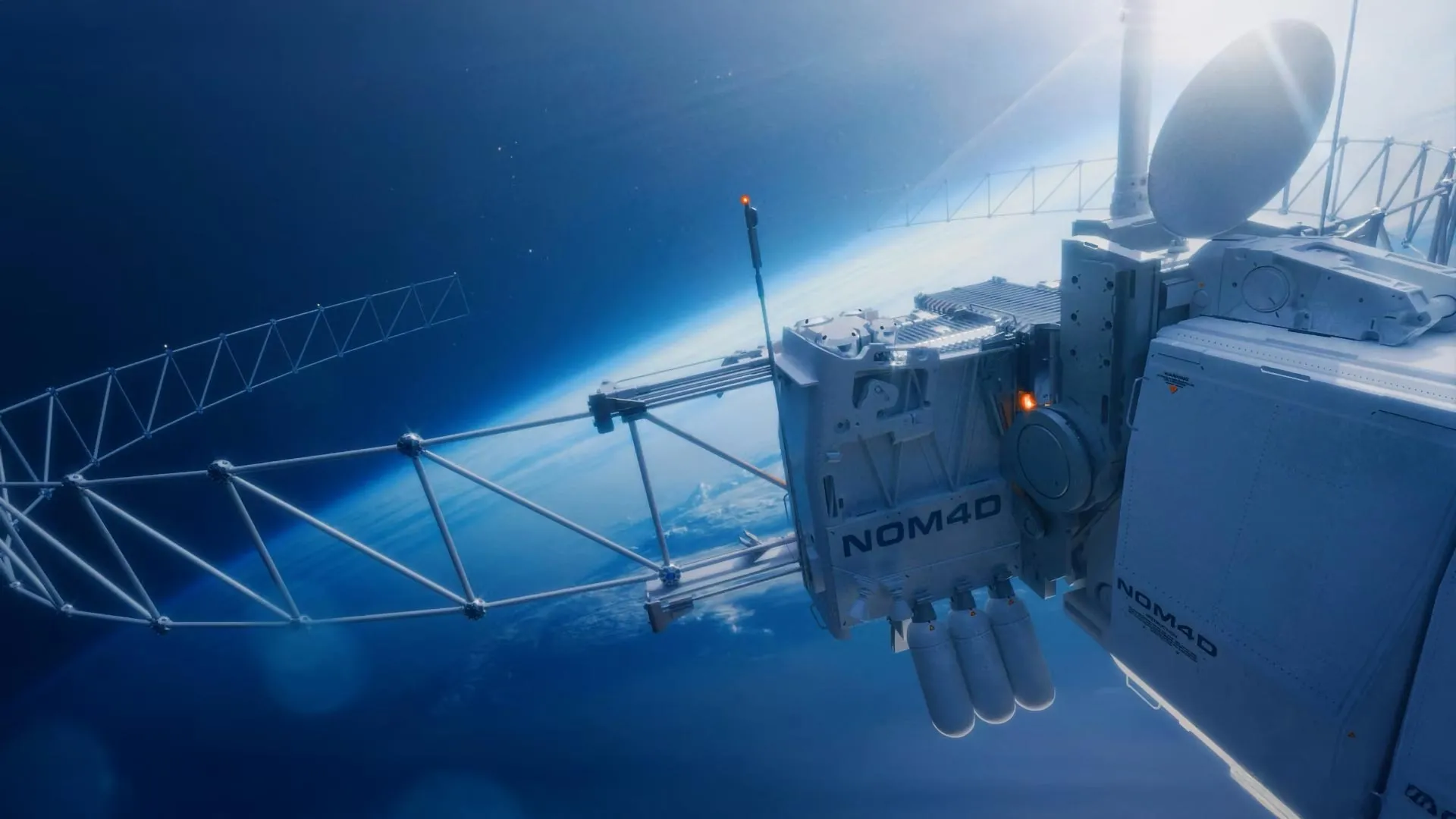
A robot has autonomously built part of a structure in space, marking a first for robotic orbital construction. The approach could eventually enable much larger telescopes, antennas and solar power stations than current rockets can launch in one piece.

5:01 AMScienceDaily

Other Developments

A curated list of other prominent stories from this day.

Scientists identified a gut-to-brain dopamine pathway that helps explain how people can develop preferences for initially unpleasant flavors such as bitter coffee. The pathway appears to connect repeated food exposure with the brain's reward system.

6:19 PMScienceDaily

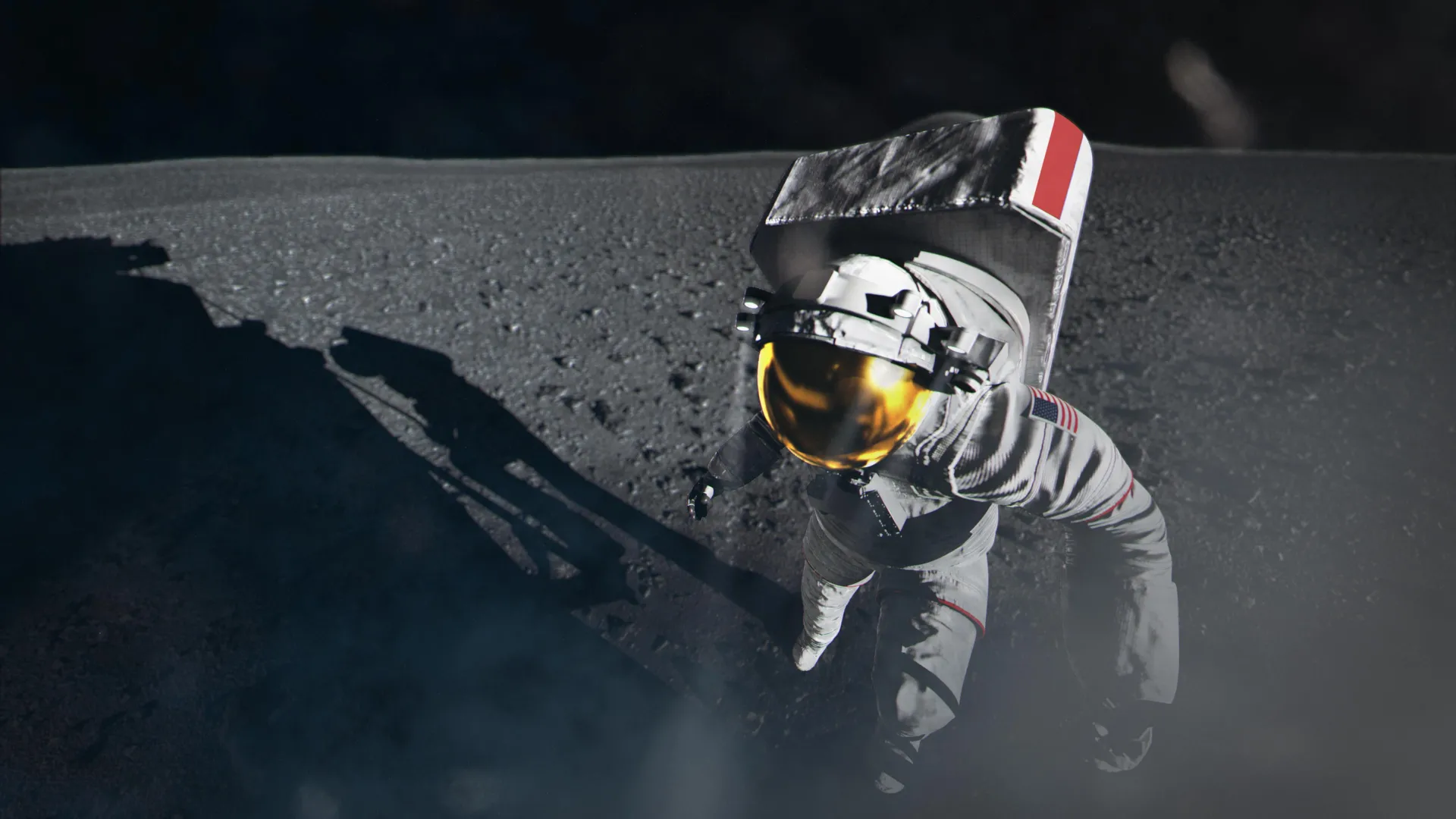
NASA plans to accelerate a crewed lunar landing to 2028, with SpaceX and Blue Origin developing competing landers and an orbital test set for 2027. New rockets, lighter spacesuits and redesigned missions are intended to support a longer-term lunar presence and eventual Mars exploration.

4:13 AMScienceDaily

Make it yours

Build Your First Pass.

Pick your topics, set your cadence, and receive your personalized First Pass in your inbox. It’s that simple!