
A Pakistani astronaut is expected to join China's Shenzhou 24 mission, becoming the first foreign national to visit China's space station. The individual's identity was not disclosed in the report.
5:17 AMAl Jazeera5 stories from 2 sources
These developments extend both who can participate in spaceflight and what scientists can observe.
Supporting Articles
A Pakistani astronaut is expected to join China's Shenzhou 24 mission, becoming the first foreign national to visit China's space station. The individual's identity was not disclosed in the report.
5:17 AMAl Jazeera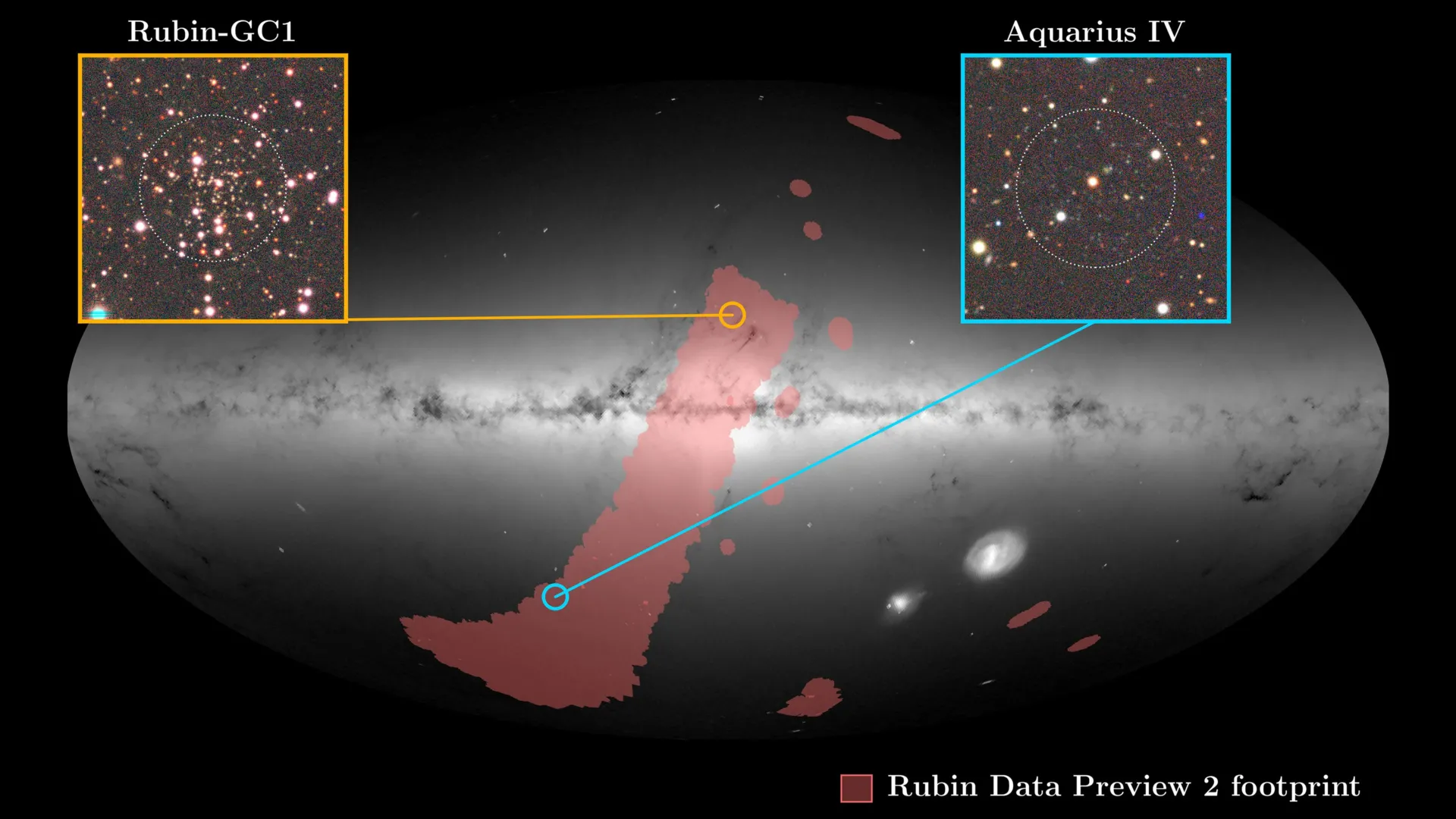
Early observations from the Vera C. Rubin Observatory have identified two previously unknown companions of the Milky Way: an exceptionally faint galaxy and a star cluster obscured by dust. The survey covered only 7% of the sky, suggesting that many more satellite systems could be found.
4:12 AMScienceDaily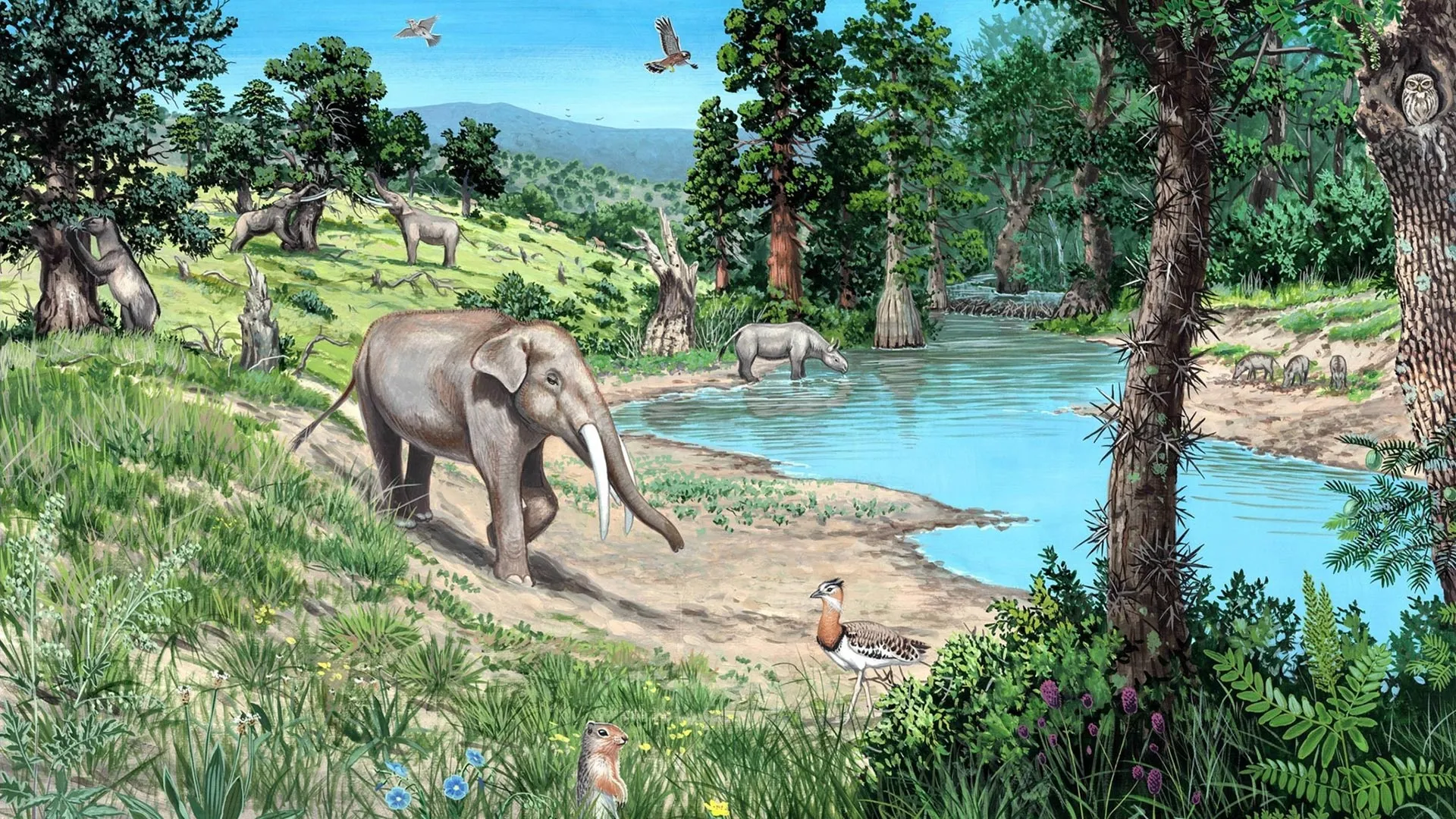
Evidence suggests Europe was dominated for more than 20 million years by open woodlands, flowering meadows, and large grazing animals rather than continuous dense forest. The finding challenges the assumption that thick forest represents the continent's natural baseline.
4:44 AMScienceDailySummary
A Pakistani astronaut is expected to join China's Shenzhou 24 mission, becoming the first foreign national to visit China's space station. The individual's identity was not disclosed in the report.
China is moving from bilateral space cooperation to hosting international crew members on its own
Unlock the full First Pass Analysis to get a better understanding of why this story mattersWhy it matters
The mission could widen China's coalition in human spaceflight and increase competition over access to orbital research.
Summary
Early observations from the Vera C. Rubin Observatory have identified two previously unknown companions of the Milky Way: an exceptionally faint galaxy and a star cluster obscured by dust. The survey covered only 7% of the sky, suggesting that many more satellite systems could be found.
The decisive development is the observatory's ability to detect objects that were too faint or
Unlock the full First Pass Analysis to get a better understanding of why this story mattersWhy it matters
Finding hundreds of additional companions could expose major gaps in current theories of how galaxies assemble.
Summary
Evidence suggests Europe was dominated for more than 20 million years by open woodlands, flowering meadows, and large grazing animals rather than continuous dense forest. The finding challenges the assumption that thick forest represents the continent's natural baseline.
The main shift is from treating reforestation as an automatic conservation benefit to recognizing that
Unlock the full First Pass Analysis to get a better understanding of why this story mattersWhy it matters
Conservation policy may need to restore a mix of open and wooded habitats instead of simply planting more trees.
A curated list of other prominent stories from this day.
Human respiration produces more than 2 billion metric tons of carbon dioxide each year, a total that has risen 74% in three decades, mainly because the global population has grown. That carbon is part of the natural carbon cycle rather than an added fossil fuel emission, but measuring it could refine climate models.
5:00 AMScienceDaily
Researchers are developing mice whose brains contain human cortical cells, creating neurohybrids that could help study neurological diseases and test treatments. The work also raises questions about how extensively human cells integrate into animal brains and whether that could alter cognition or moral status.
12:57 AMAl JazeeraSummary
Human respiration produces more than 2 billion metric tons of carbon dioxide each year, a total that has risen 74% in three decades, mainly because the global population has grown. That carbon is part of the natural carbon cycle rather than an added fossil fuel emission, but measuring it could refine climate models.
The increase changes the scale of a biological flux that climate models already account for
Unlock the full First Pass Analysis to get a better understanding of why this story mattersWhy it matters
More accurate accounting of human respiration could sharpen climate forecasts without changing emissions policy.
Summary
Researchers are developing mice whose brains contain human cortical cells, creating neurohybrids that could help study neurological diseases and test treatments. The work also raises questions about how extensively human cells integrate into animal brains and whether that could alter cognition or moral status.
Human brain cells can survive and function inside animal brains, pushing cross-species research beyond a
Unlock the full First Pass Analysis to get a better understanding of why this story mattersWhy it matters
The research could improve disease models, but it may also force new rules for experiments involving animals with human-like neural functions.
Make it yours
Pick your topics, set your cadence, and receive your personalized First Pass in your inbox. It’s that simple!