First Pass

6 stories from 4 sources

Science Pushes the Limits of Observation and Intervention

Day’s Recap

Together, these developments expanded what researchers can observe or attempt to change.

Supporting Articles

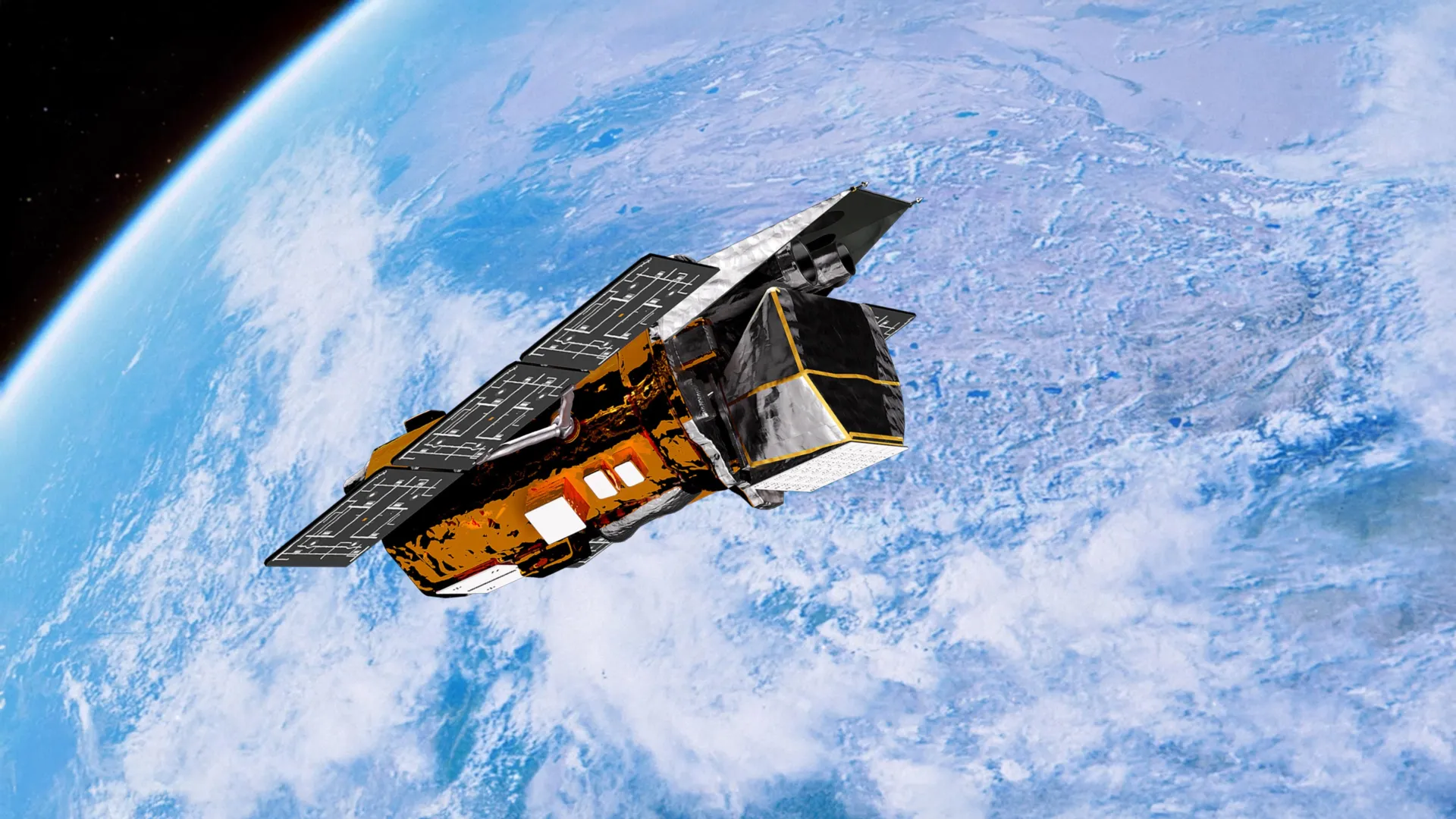
NASA’s Swift Observatory has re-entered Earth’s atmosphere over Indonesia after nearly 22 years of detecting gamma-ray bursts and other violent cosmic events. Designed for a two-year mission, it reshaped research on black holes, exploding stars, and transient outbursts.

2:12 AMScienceDaily

Researchers are investigating whether CRISPR gene editing can treat rare genetic disorders before birth, potentially preventing damage that becomes irreversible after delivery. The approach remains experimental and must address major safety and ethical concerns.

6:50 AMCNBC

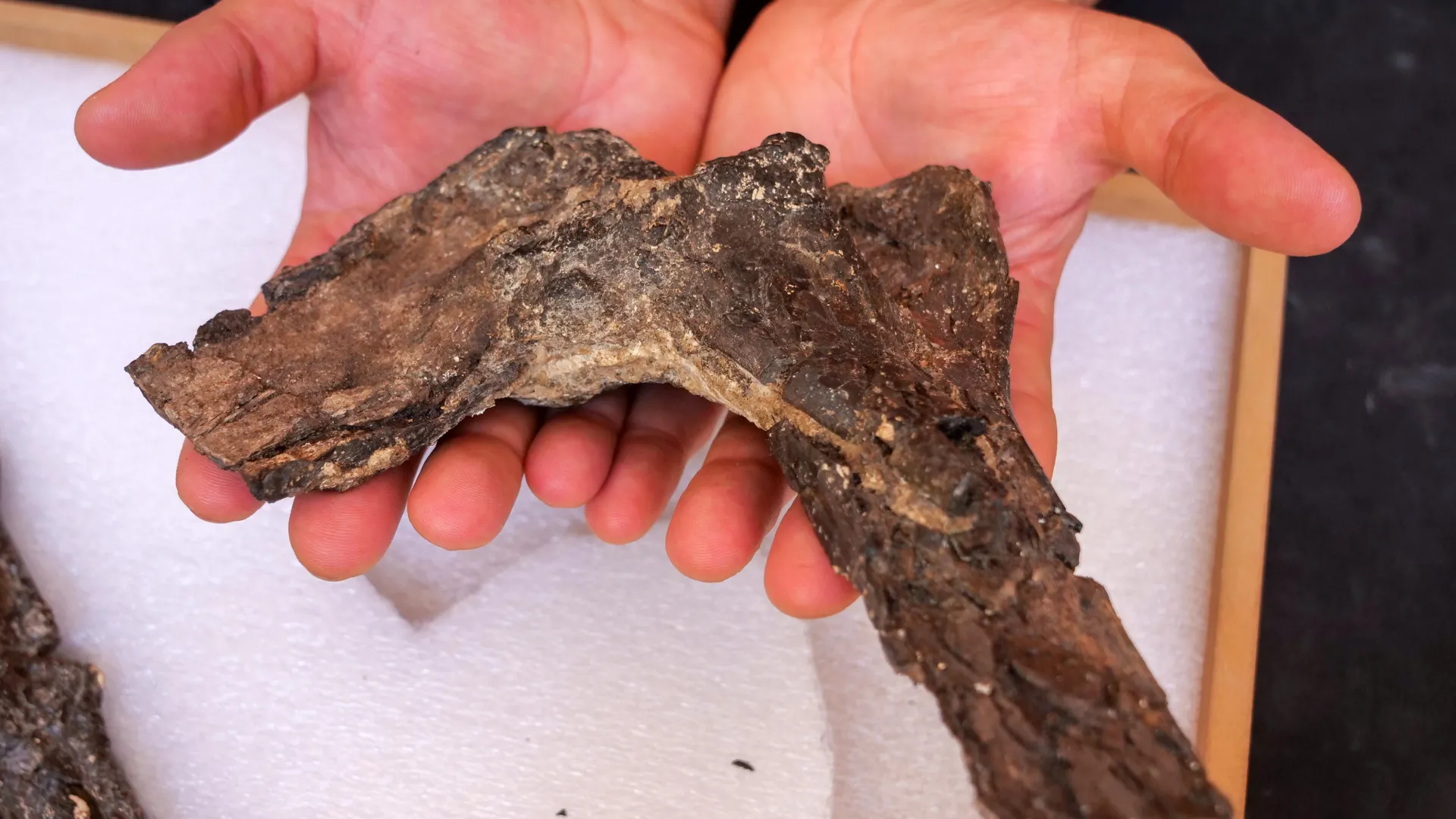
Researchers found chemically confirmed traces of ancient blood inside dinosaur bones dating back 115 million years. The preservation challenges assumptions about the durability of biological molecules and may offer new evidence about dinosaur physiology.

6:28 AMScienceDaily

Other Developments

A curated list of other prominent stories from this day.

Scientists have identified an exceptionally large, barrel-shaped belemnite from Wyoming that lived about 160 million years ago. The fossils describe an unusual squid relative that may have preyed on smaller squid-like animals and survived beyond the period when its family was thought to have disappeared.

5:05 PMSchneier on Security

A study in Science reports evidence that people used cannabis in rituals at a 2,800-year-old Siberian tomb. The findings come from material associated with the burial and add archaeological support for early ceremonial use of the plant.

9:59 AMStat News

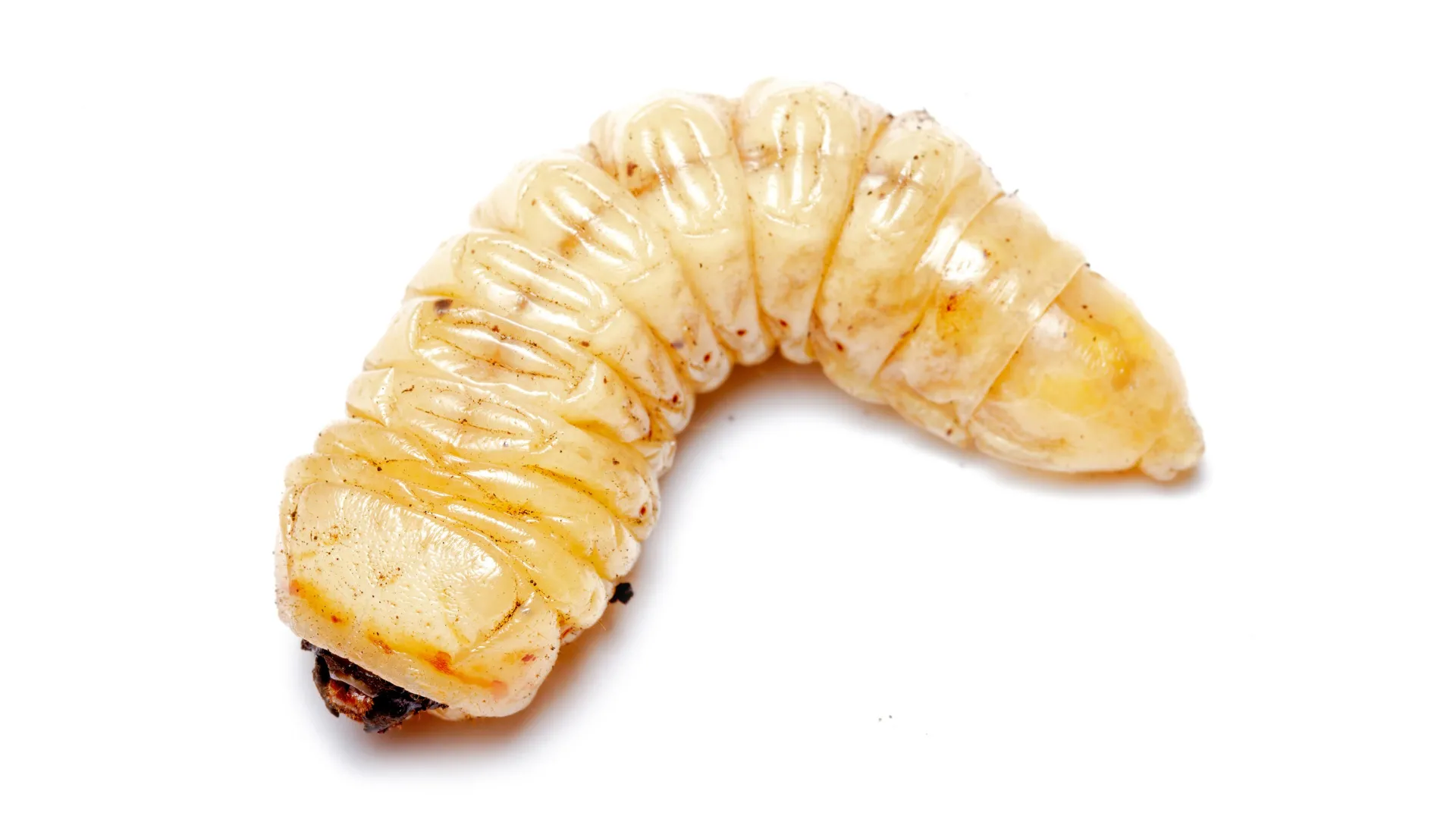
Researchers identified the beetle species responsible for damaging blueberry roots in North Carolina after more than a decade of uncertainty. DNA analysis linked the destruction to larvae that can grow up to five inches long and feed beneath the soil.

4:33 AMScienceDaily

Make it yours

Build Your First Pass.

Pick your topics, set your cadence, and receive your personalized First Pass in your inbox. It’s that simple!