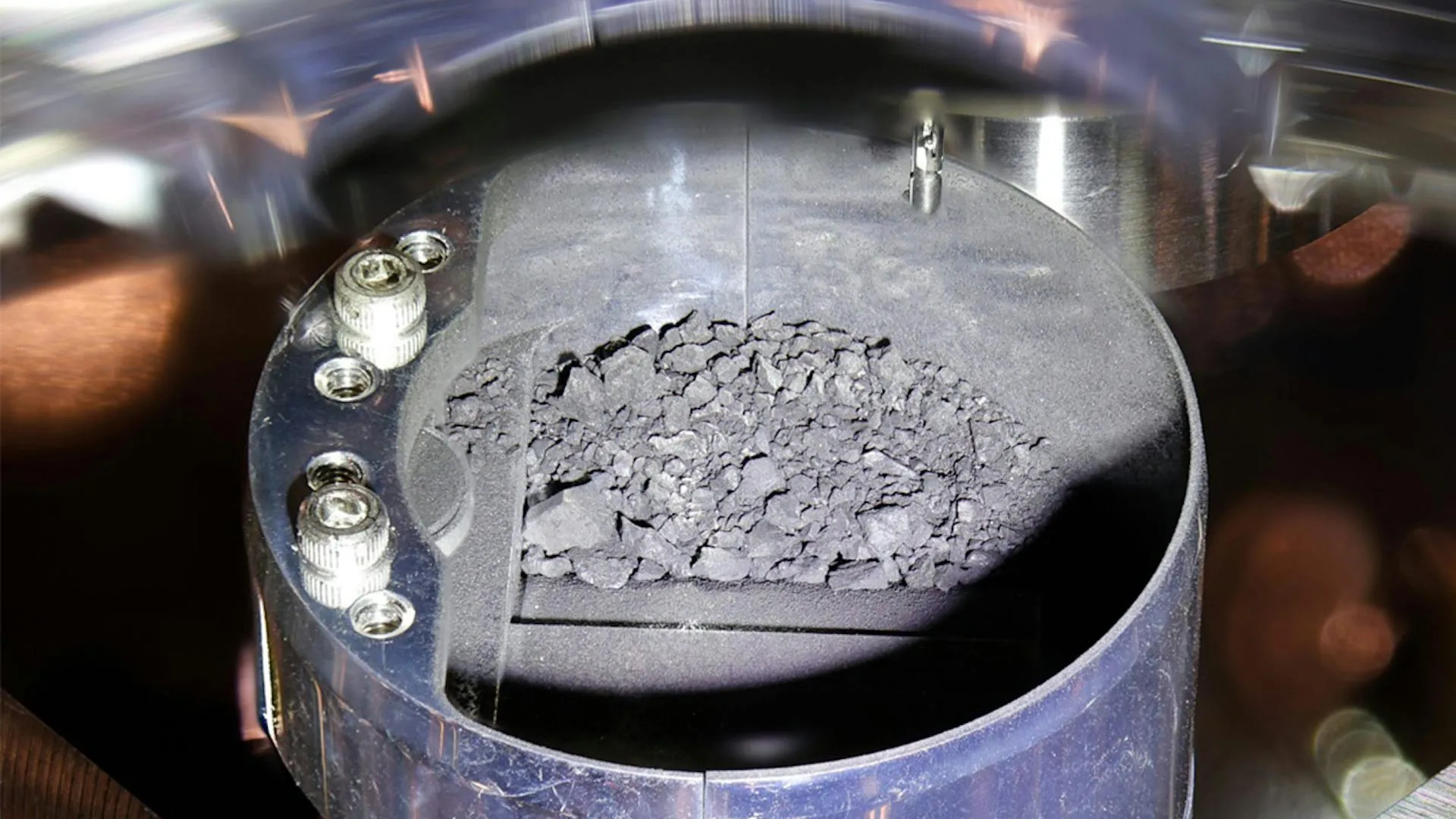
Pristine samples from asteroid Ryugu contain all five nucleobases used by DNA and RNA. The discovery adds to evidence that the molecular building blocks of life were widespread in the early Solar System.
5:58 AMScienceDaily7 stories from 2 sources
Supporting Articles
Pristine samples from asteroid Ryugu contain all five nucleobases used by DNA and RNA. The discovery adds to evidence that the molecular building blocks of life were widespread in the early Solar System.
5:58 AMScienceDaily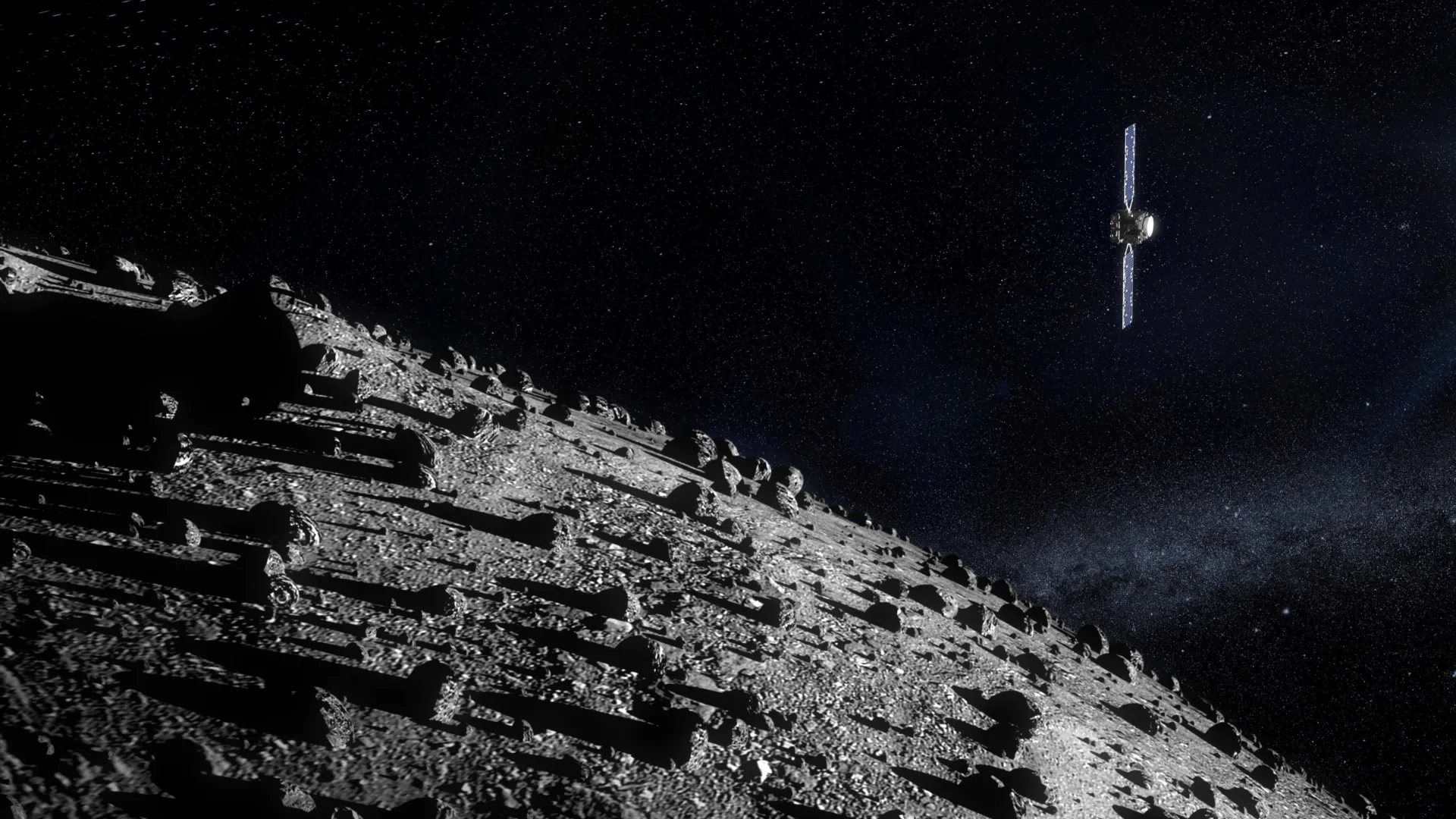
Europe's Hera spacecraft has captured its first clear images of the asteroid pair involved in NASA's 2022 DART impact test. As Hera approaches, it will examine the collision's aftermath and investigate why the impact changed the asteroid's motion more than expected.
4:46 AMScienceDaily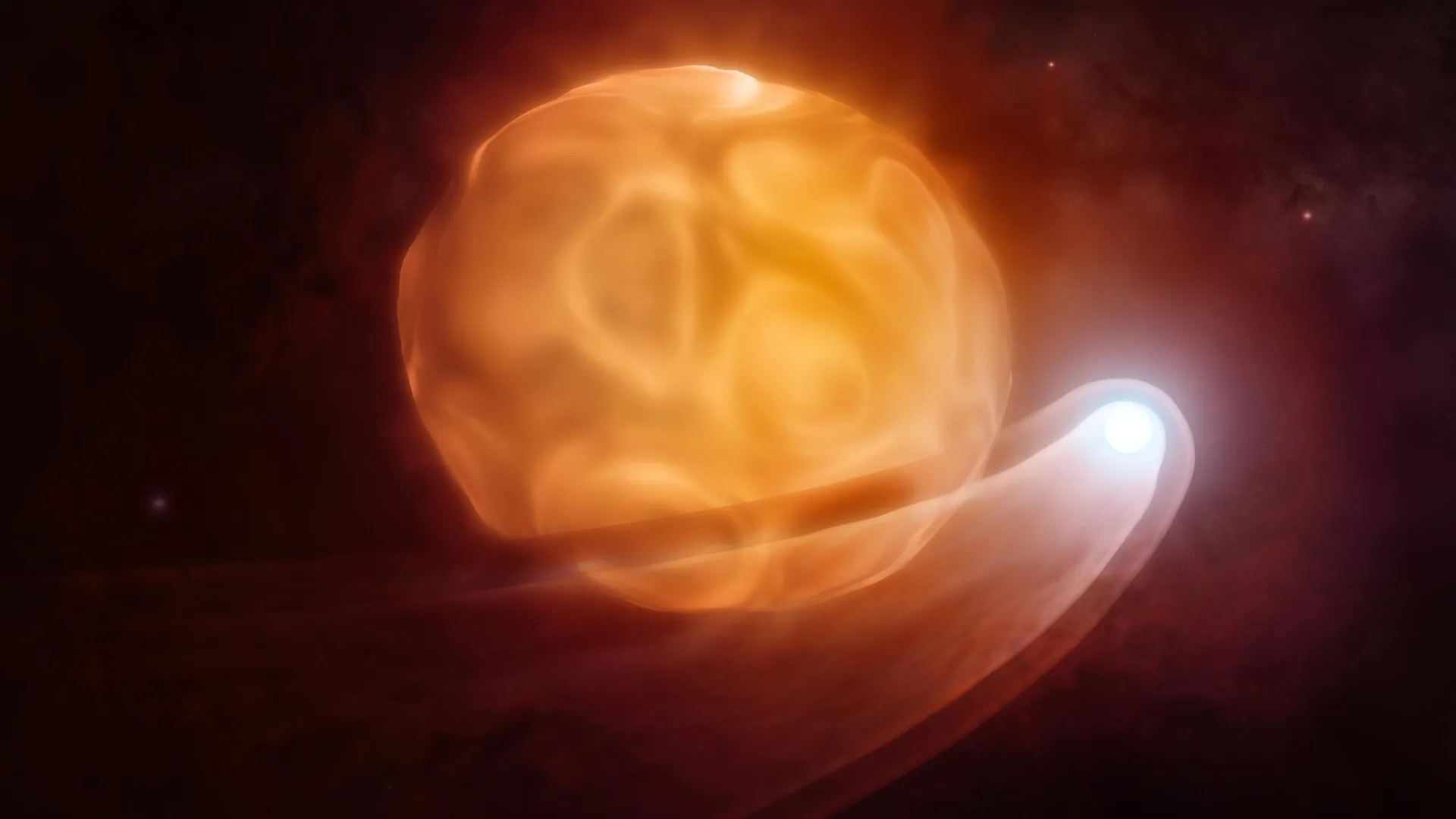
New radio observations point to Siwarha, a previously hidden companion star, as the source of disturbances around Betelgeuse. The smaller star may be moving through the red supergiant’s extended atmosphere, distorting its shape.
9:52 PMScienceDailySummary
Pristine samples from asteroid Ryugu contain all five nucleobases used by DNA and RNA. The discovery adds to evidence that the molecular building blocks of life were widespread in the early Solar System.
The result strengthens the case that asteroids could have delivered essential organic ingredients to young
Unlock the full First Pass Analysis to get a better understanding of why this story mattersWhy it matters
Asteroid chemistry is making the availability of life's raw materials look common, shifting the focus toward the conditions needed to assemble and sustain life.
Summary
Europe's Hera spacecraft has captured its first clear images of the asteroid pair involved in NASA's 2022 DART impact test. As Hera approaches, it will examine the collision's aftermath and investigate why the impact changed the asteroid's motion more than expected.
The larger-than-predicted deflection suggests that asteroid structure and ejecta may matter as much as the
Unlock the full First Pass Analysis to get a better understanding of why this story mattersWhy it matters
The mission is turning a one-off planetary-defense demonstration into data for designing future asteroid deflection missions.
Summary
New radio observations point to Siwarha, a previously hidden companion star, as the source of disturbances around Betelgeuse. The smaller star may be moving through the red supergiant’s extended atmosphere, distorting its shape.
The evidence shifts the explanation for Betelgeuse’s irregular structure from processes within the supergiant to
Unlock the full First Pass Analysis to get a better understanding of why this story mattersWhy it matters
A confirmed companion would change how astronomers interpret Betelgeuse’s behavior and its future evolution.
A curated list of other prominent stories from this day.

NASA's Swift Observatory is expected to re-enter Earth's atmosphere nearly 22 years after launch, after efforts to raise its orbit failed. The timing remains uncertain by about 11 hours, but the spacecraft is projected to fall on Wednesday.
9:17 AMThe Verge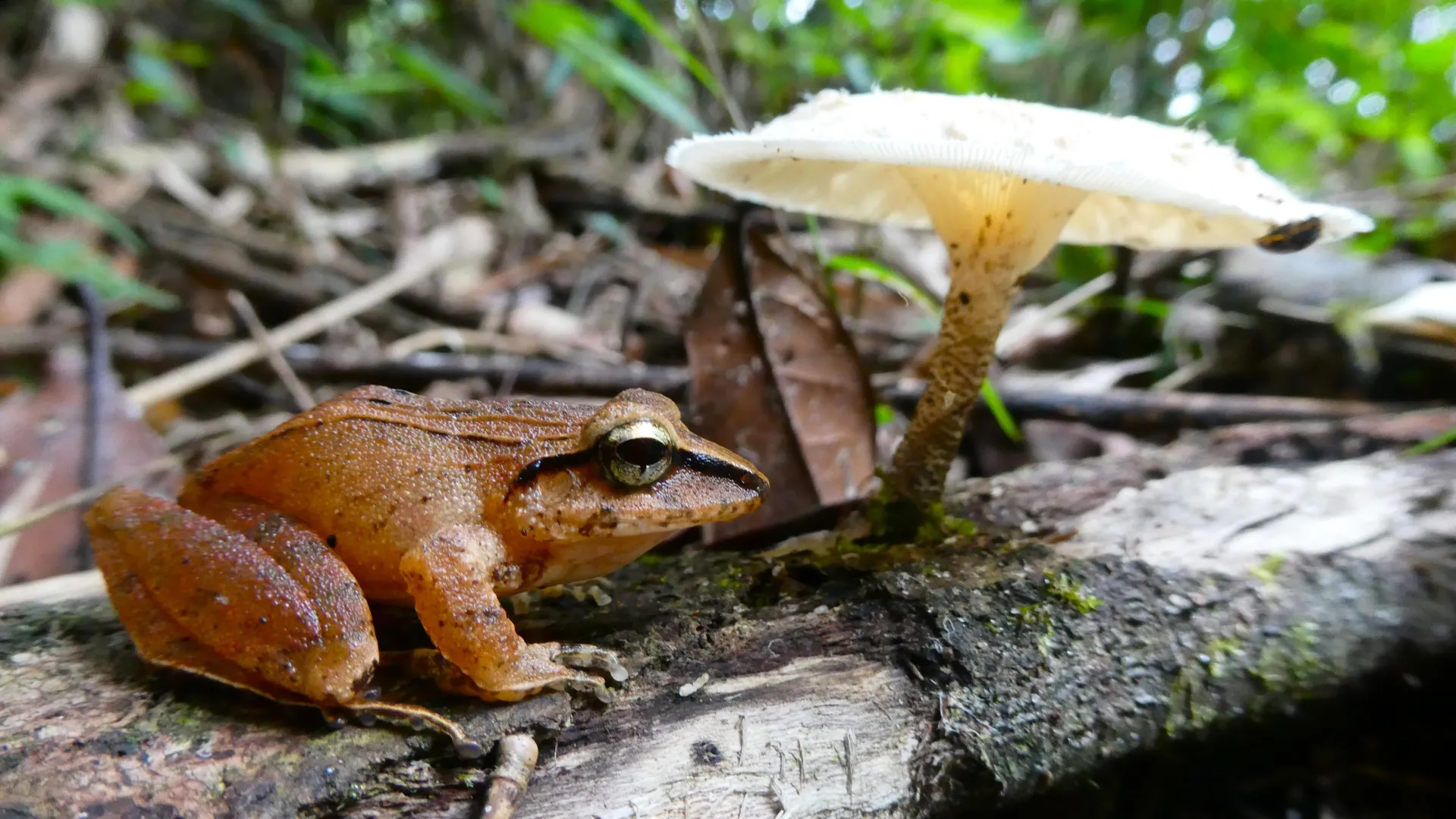
Researchers found evidence that a deadly fungal disease caused the disappearance of frog species in Brazil nearly five decades ago. Some populations have since recovered, indicating that surviving frogs may have developed greater tolerance to the pathogen.
7:51 AMScienceDaily
A large study found that reading success in children was more closely linked to sound recognition, vocabulary and background knowledge than to general intelligence. Visual processing showed no meaningful relationship with reading performance.
7:15 AMScienceDaily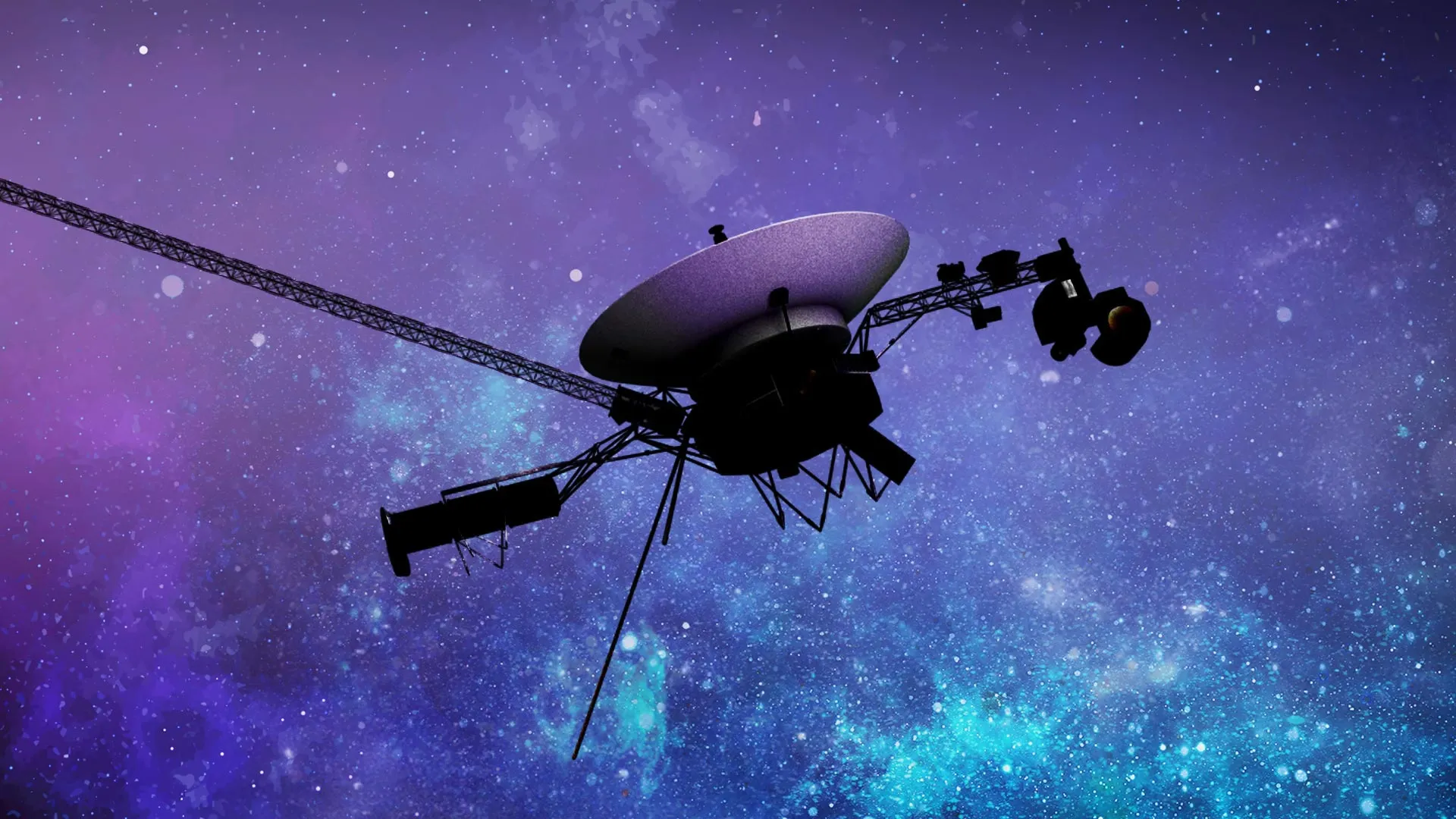
Voyager 1 is nearing the point where it will be one light-day from Earth, making a round-trip communication take about 48 hours. NASA has extended the spacecraft's mission by conserving power, despite aging systems and a recent unexplained communications blackout.
3:11 AMScienceDailySummary
NASA's Swift Observatory is expected to re-enter Earth's atmosphere nearly 22 years after launch, after efforts to raise its orbit failed. The timing remains uncertain by about 11 hours, but the spacecraft is projected to fall on Wednesday.
The re-entry marks the end of an aging observatory whose orbit could no longer be
Unlock the full First Pass Analysis to get a better understanding of why this story mattersWhy it matters
Swift's fall shows that satellite missions need end-of-life plans that account for both declining hardware and the risks of uncontrolled re-entry.
Summary
Researchers found evidence that a deadly fungal disease caused the disappearance of frog species in Brazil nearly five decades ago. Some populations have since recovered, indicating that surviving frogs may have developed greater tolerance to the pathogen.
The recovery suggests that disease-driven wildlife collapses are not always irreversible, but it also points
Unlock the full First Pass Analysis to get a better understanding of why this story mattersWhy it matters
The case offers both a model for wildlife resilience and a warning that recovery in numbers may not mean full ecological recovery.
Summary
A large study found that reading success in children was more closely linked to sound recognition, vocabulary and background knowledge than to general intelligence. Visual processing showed no meaningful relationship with reading performance.
The findings shift attention from broad cognitive ability toward specific language foundations that educators can
Unlock the full First Pass Analysis to get a better understanding of why this story mattersWhy it matters
Better predictors could help schools identify struggling readers earlier and target instruction at skills that directly support literacy.
Summary
Voyager 1 is nearing the point where it will be one light-day from Earth, making a round-trip communication take about 48 hours. NASA has extended the spacecraft's mission by conserving power, despite aging systems and a recent unexplained communications blackout.
Voyager's distance is now imposing a hard limit on mission control: every command, result and
Unlock the full First Pass Analysis to get a better understanding of why this story mattersWhy it matters
Voyager is testing how long deep-space science can continue after real-time control becomes impossible.
Make it yours
Pick your topics, set your cadence, and receive your personalized First Pass in your inbox. It’s that simple!