First Pass

9 stories from 3 sources

New probes expose hidden histories, from quarks to Ice Age humans

Day’s Recap

Supporting Articles

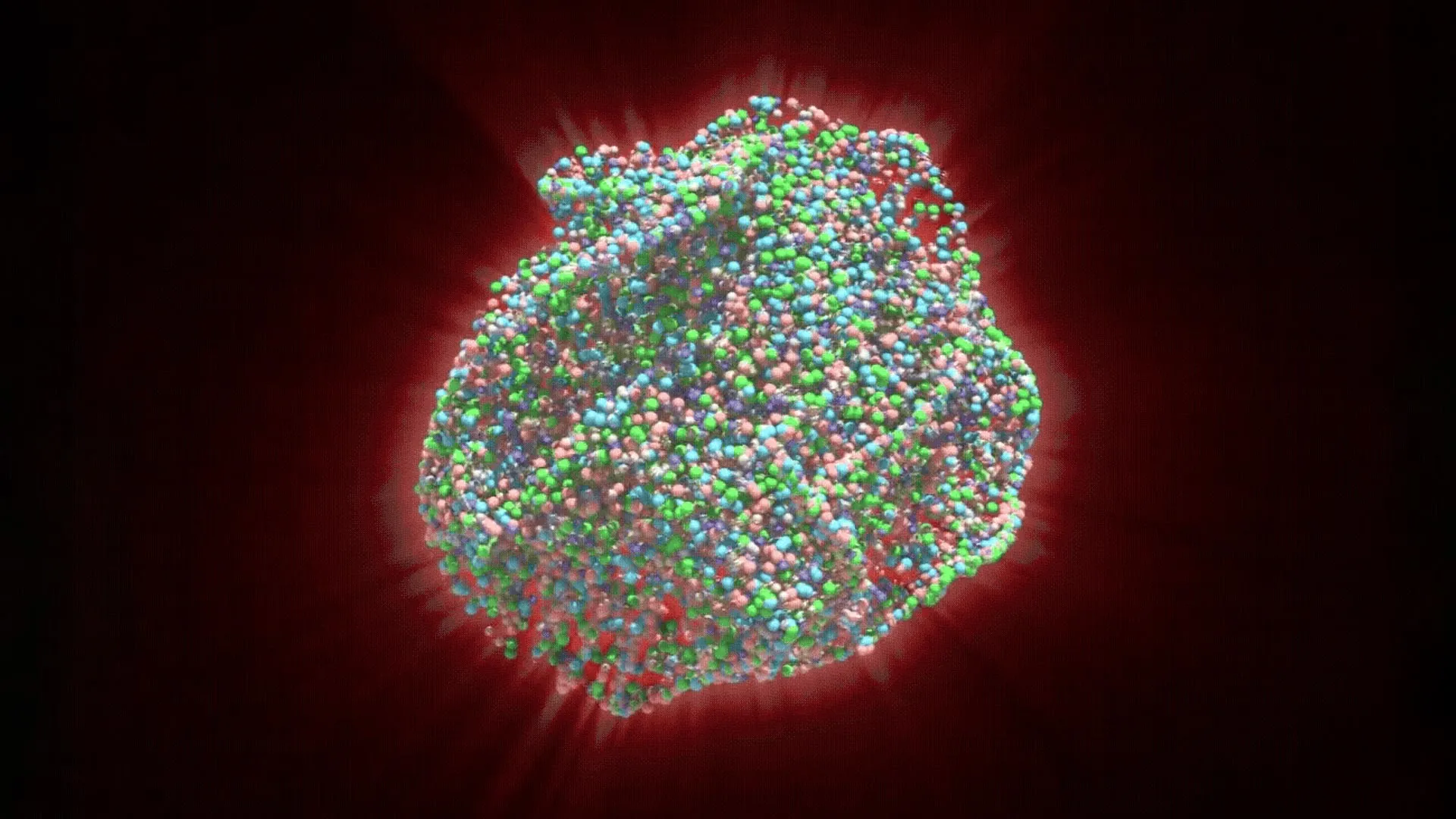
Experiments at CERN's Large Hadron Collider found evidence that relatively small particle collisions can create quark-gluon plasma, the ultra-hot state of matter believed to have filled the universe shortly after the Big Bang. At these temperatures, protons and neutrons dissolve into their fundamental constituents.

9:39 PMScienceDaily
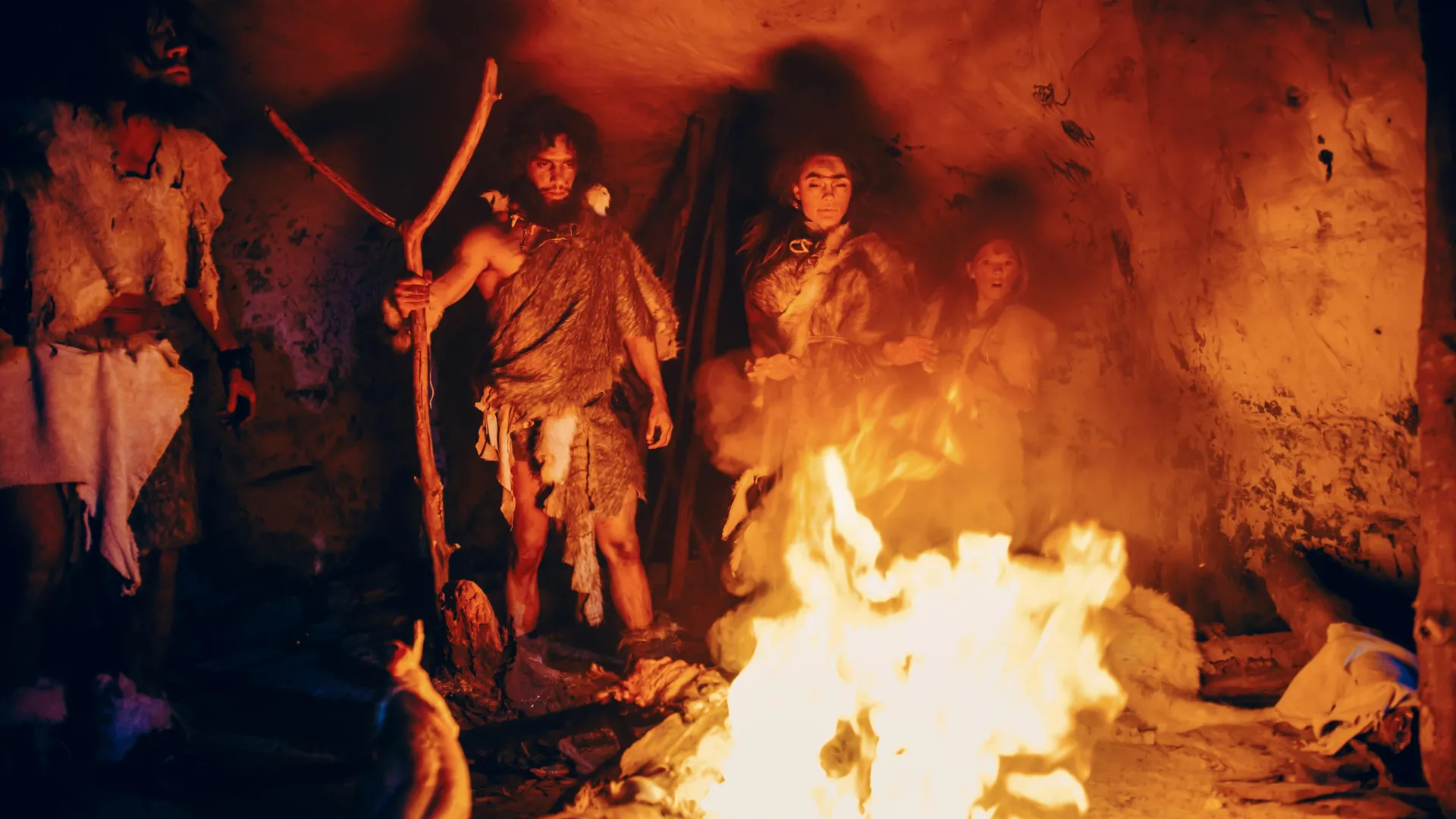
Ancient DNA from human remains and cave sediments indicates that European populations were connected across large distances more than 30,000 years ago. The evidence points to migration, persistent communities, and survival networks during severe Ice Age conditions.

2:30 AMScienceDaily

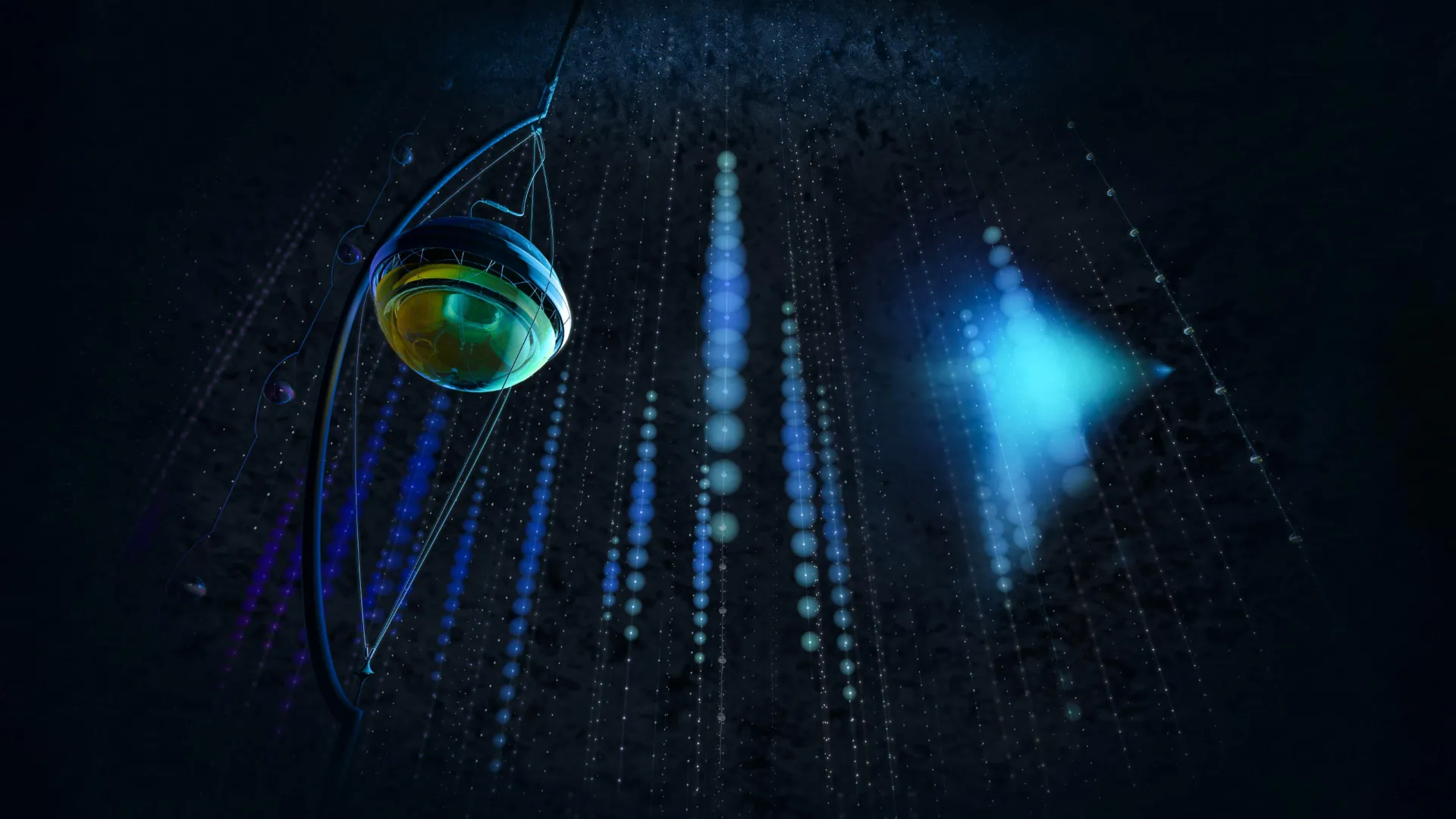
The IceCube observatory has detected extremely high-energy neutrinos arriving from cosmic sources, with energies vastly exceeding those of solar neutrinos. Because neutrinos pass through matter with little interaction, they may reveal violent astrophysical events that light-based observatories cannot directly see.

8:42 AMScienceDaily

Other Developments

A curated list of other prominent stories from this day.

Researchers have identified a theoretical scenario in which an extremely fast-spinning black hole could divide into two, bypassing the usual constraints thought to prevent such a breakup. The proposed phenomenon could produce signals detectable by future telescopes.

8:27 PMScienceDaily

Czech archaeologists have rediscovered long-lost tombs belonging to high-ranking officials from Egypt's Old Kingdom. Modern scientific methods are helping researchers reconstruct the officials' religious beliefs and social lives.

3:20 PMARTnews

Observations and studies of coyotes, cockatoos and other animals are challenging the idea that existential loss is uniquely human. Researchers are examining whether behaviors after death reflect grief, social disruption or other forms of emotional response.

2:42 PMThe New York Times

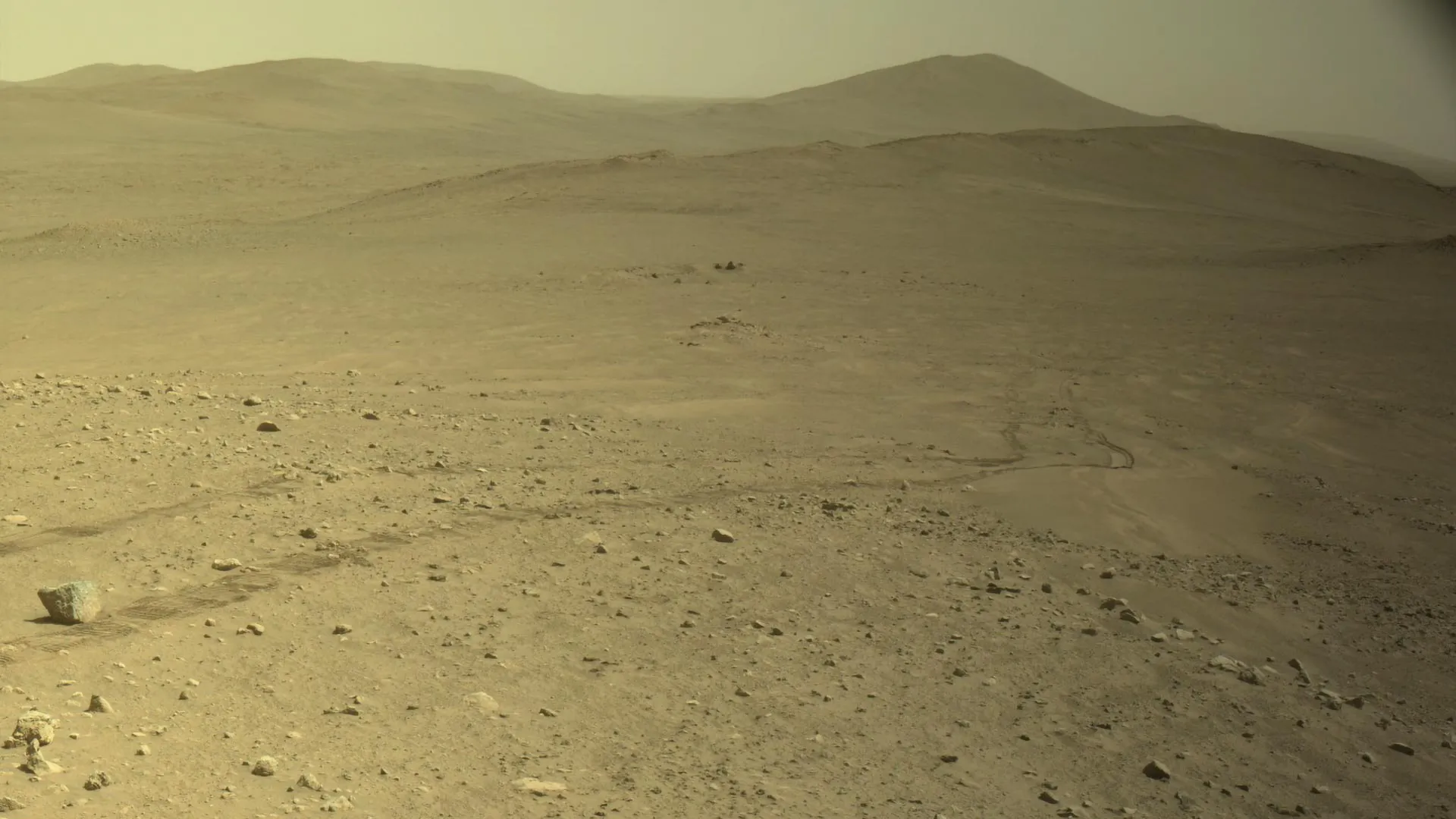
Perseverance has traveled 28.10 miles on Mars, surpassing the distance driven by any vehicle on another world. Its autonomous navigation systems have enabled longer and more capable traverses across difficult terrain.

6:28 AMScienceDaily

The article surveys ten unresolved questions in zoology, including why snakes evolved without legs. It presents these puzzles as reminders that scientists have identified millions of species while still lacking basic explanations for many of their traits and behaviors.

5:00 AMThe New York Times

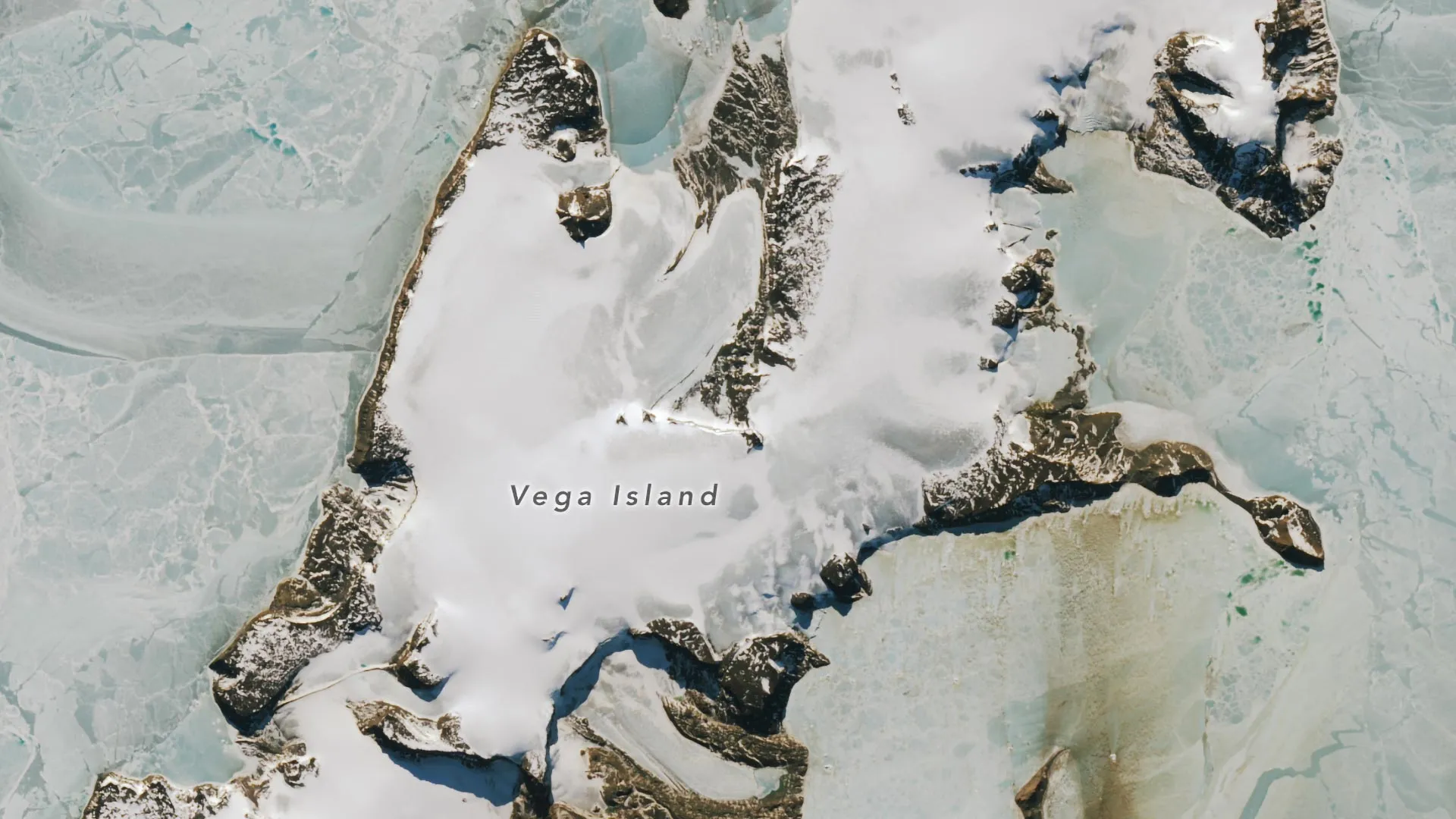
Satellite imagery shows a skull-shaped formation on a remote Antarctic island, where unusually warm winter conditions have exposed dark ice. The feature’s changing appearance reflects glacier loss and the exposure of surfaces that absorb more sunlight.

4:50 AMScienceDaily

Make it yours

Build Your First Pass.

Pick your topics, set your cadence, and receive your personalized First Pass in your inbox. It’s that simple!