First Pass

6 stories from 3 sources

New evidence tests old assumptions about life, matter, and origins

Day’s Recap

Supporting Articles

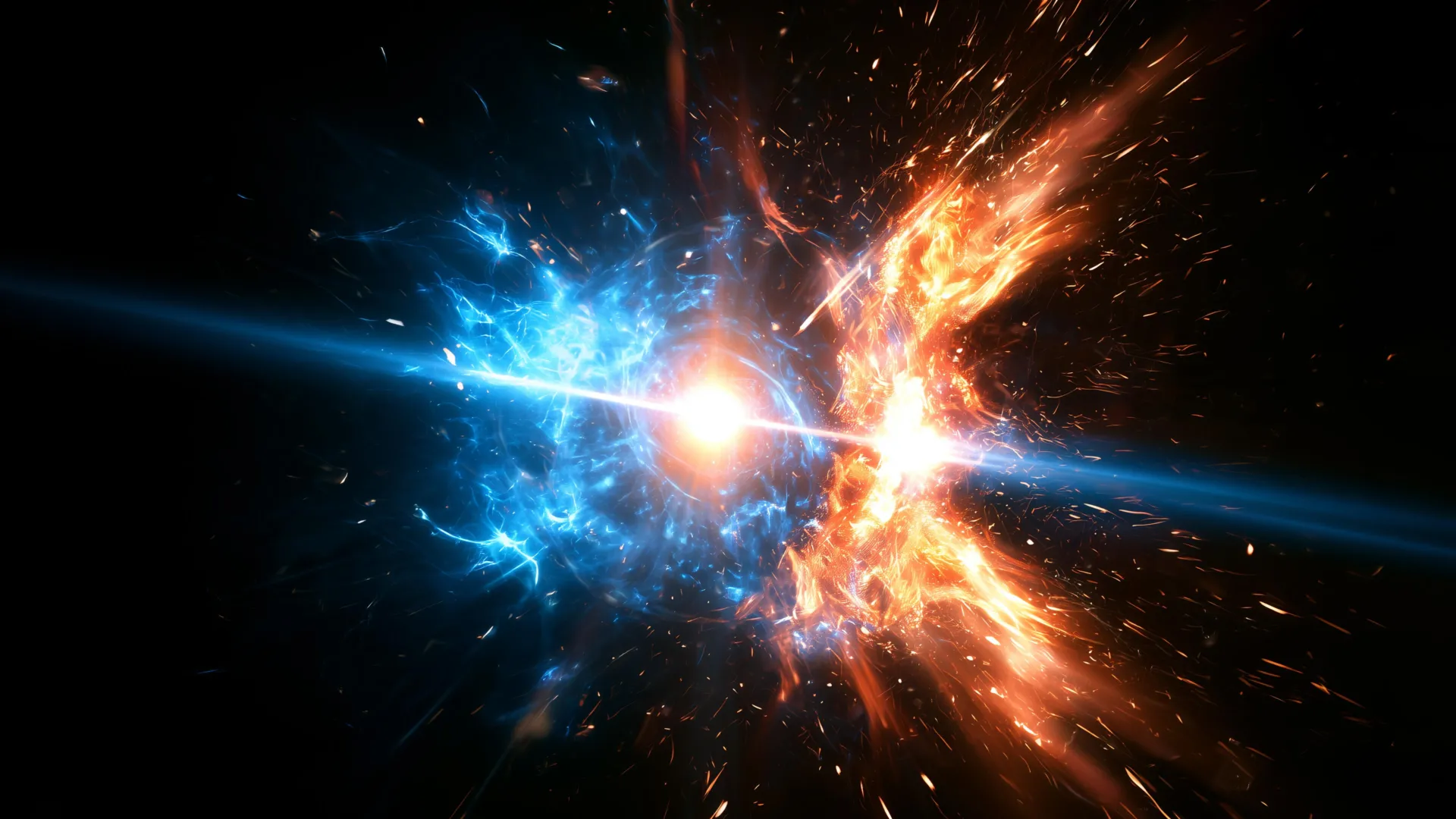
Researchers propose that a long-overlooked neutrino may have influenced the early universe in a way that allowed matter to survive the Big Bang. The process could have produced gravitational-wave signals that future detectors might identify.

12:33 AMScienceDaily

Scientists built a molecular motor inspired by Archimedes’ screw that can rotate in either direction when powered by electricity. Its motion can increase electrical conductivity by up to 100 times, suggesting a possible route toward new molecular-scale electronic components.

6:55 AMScienceDaily

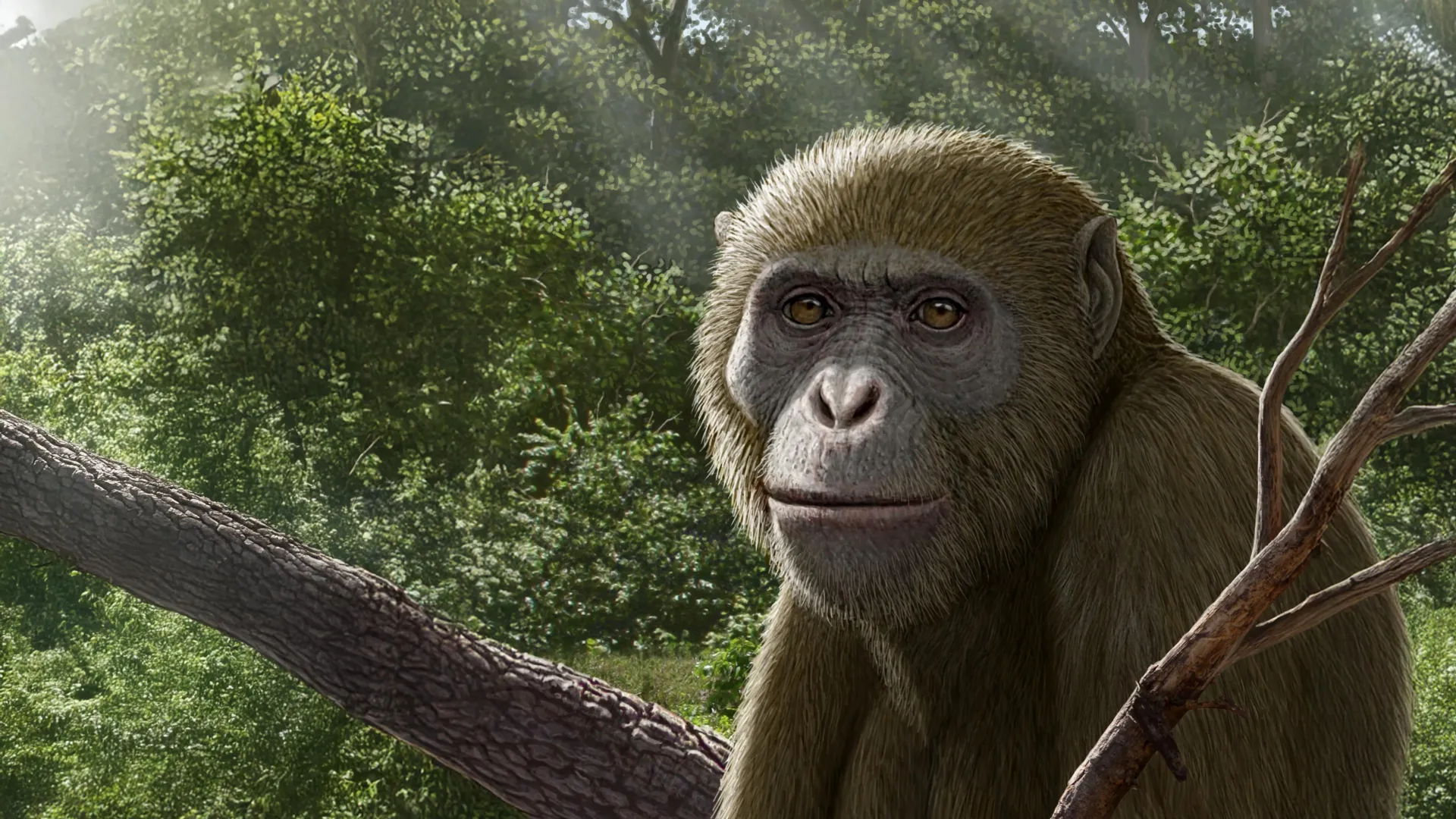
A 17 to 18 million-year-old ape fossil found in Egypt is challenging the assumption that modern apes and human ancestors first evolved in East Africa. The discovery points instead to North Africa and the Middle East as possible early centers of ape evolution.

5:32 AMScienceDaily

Other Developments

A curated list of other prominent stories from this day.

NASA is seeking proposals from commercial space companies to raise Hubble's orbit and extend the telescope's operational life. Without an orbital boost, atmospheric drag could bring Hubble down in the early to mid-2030s, though it is not in immediate danger.

4:09 PMThe Verge

November brings three meteor showers, including meteors bright enough to remain visible from urban areas. The month also offers the year's best opportunity to spot Uranus.

10:00 AMGothamist

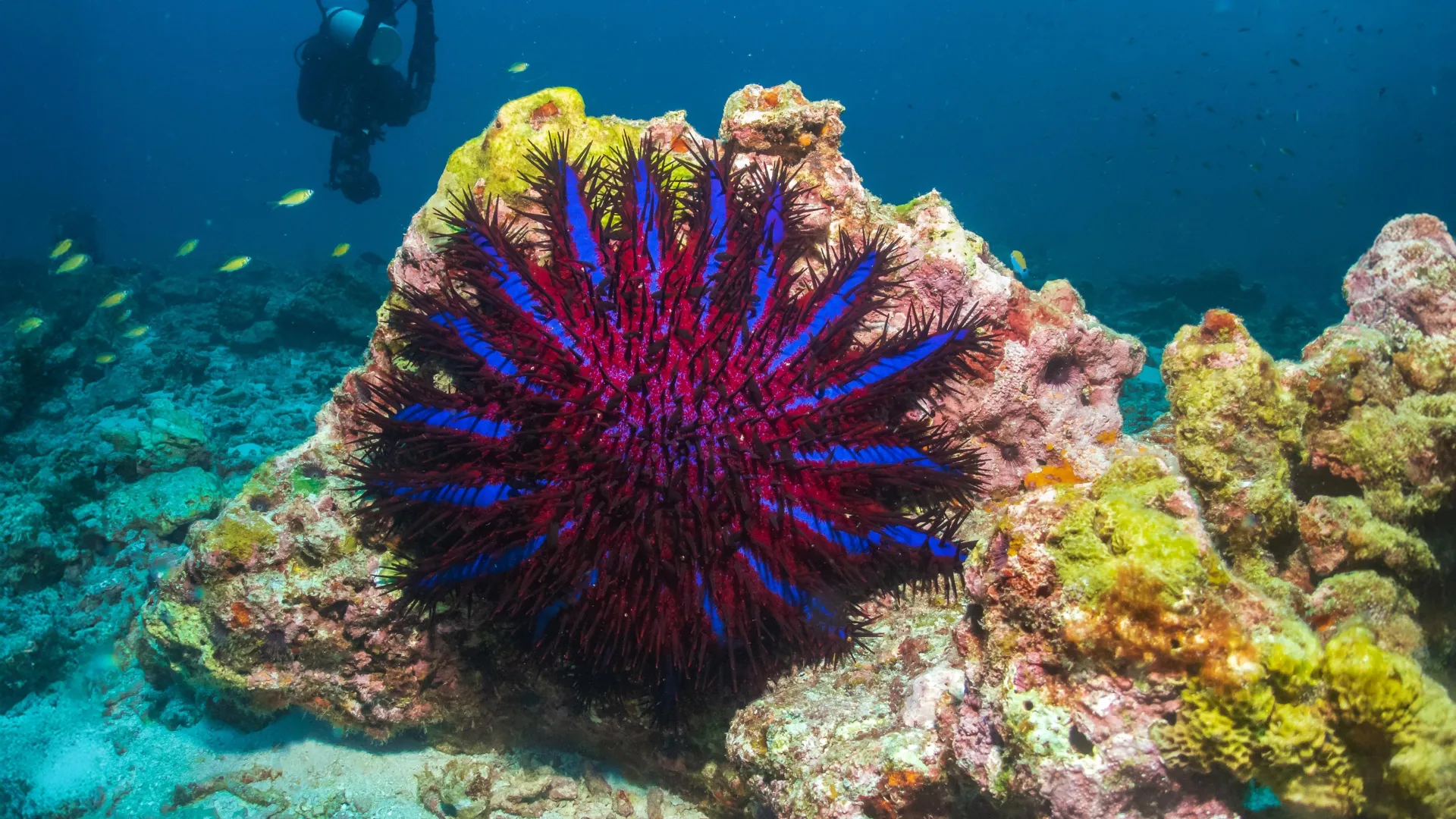
Research on the Great Barrier Reef found that nearly 75% of observed crown-of-thorns starfish feeding events left some living coral tissue behind. By consuming fast-growing dominant corals, the starfish may create space for slower-growing species and increase reef diversity when their numbers remain controlled.

6:45 AMScienceDaily

Make it yours

Build Your First Pass.

Pick your topics, set your cadence, and receive your personalized First Pass in your inbox. It’s that simple!