First Pass

6 stories from 2 sources

Science targets survival in extreme environments

Day’s Recap

Supporting Articles

The United States, Russia and China are pursuing nuclear reactors for the moon to supply dependable energy for future bases and mining operations. The technology could expand lunar exploration, but radioactive contamination poses environmental and operational risks.

1:37 AMAl Jazeera
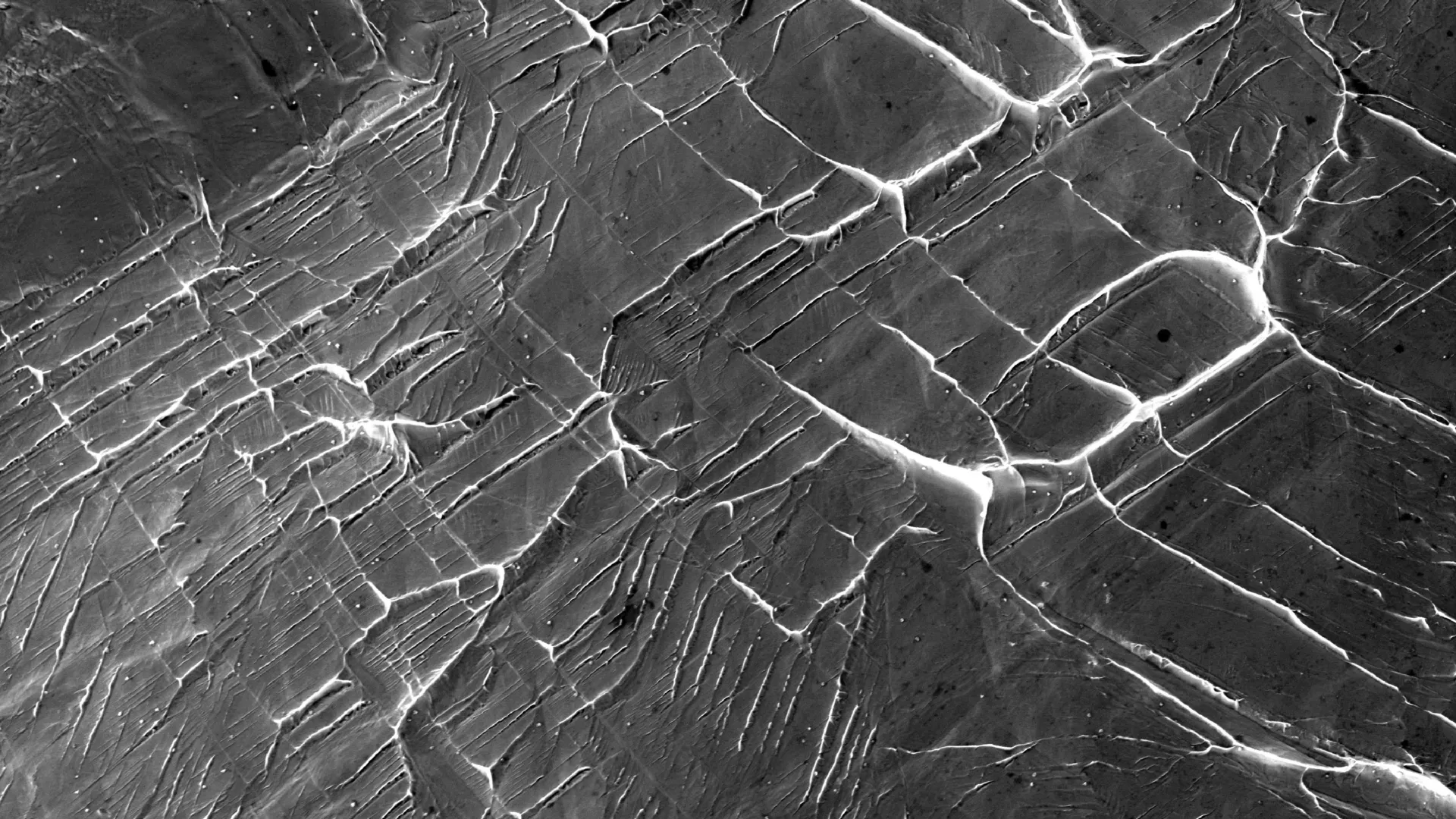
Two experimental alloys remained resistant to cracking at temperatures as low as -253°C, where comparable metals typically become brittle. Their internal structures reorganized under stress, allowing them to absorb damage while retaining flexibility.

8:45 AMScienceDaily

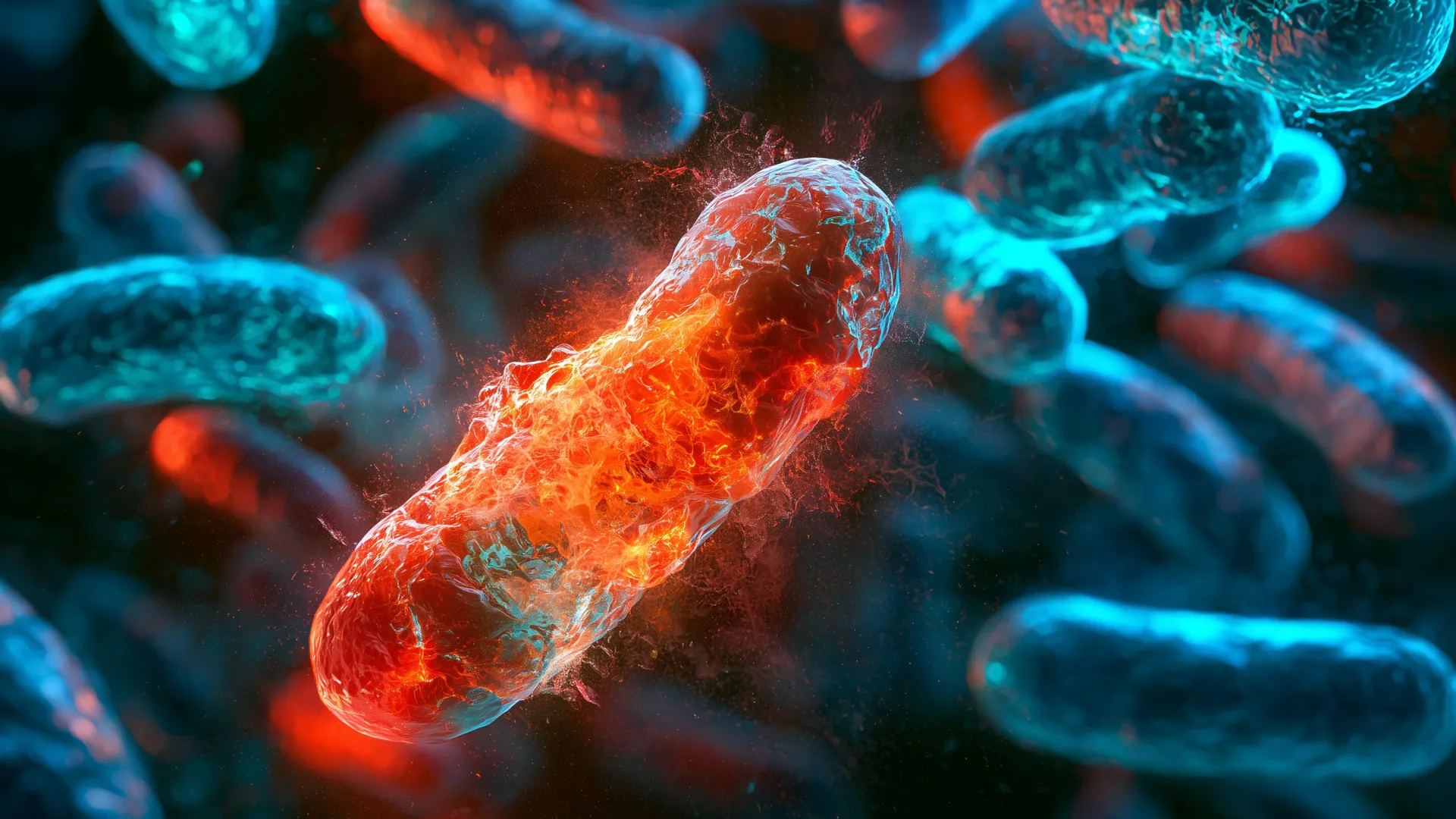
Researchers found a bacterial antiviral system that produces the DNA needed to activate its toxin only after infection begins. The infected cell then destroys itself, stopping the virus from replicating and spreading to neighboring bacteria.

6:38 AMScienceDaily

Other Developments

A curated list of other prominent stories from this day.

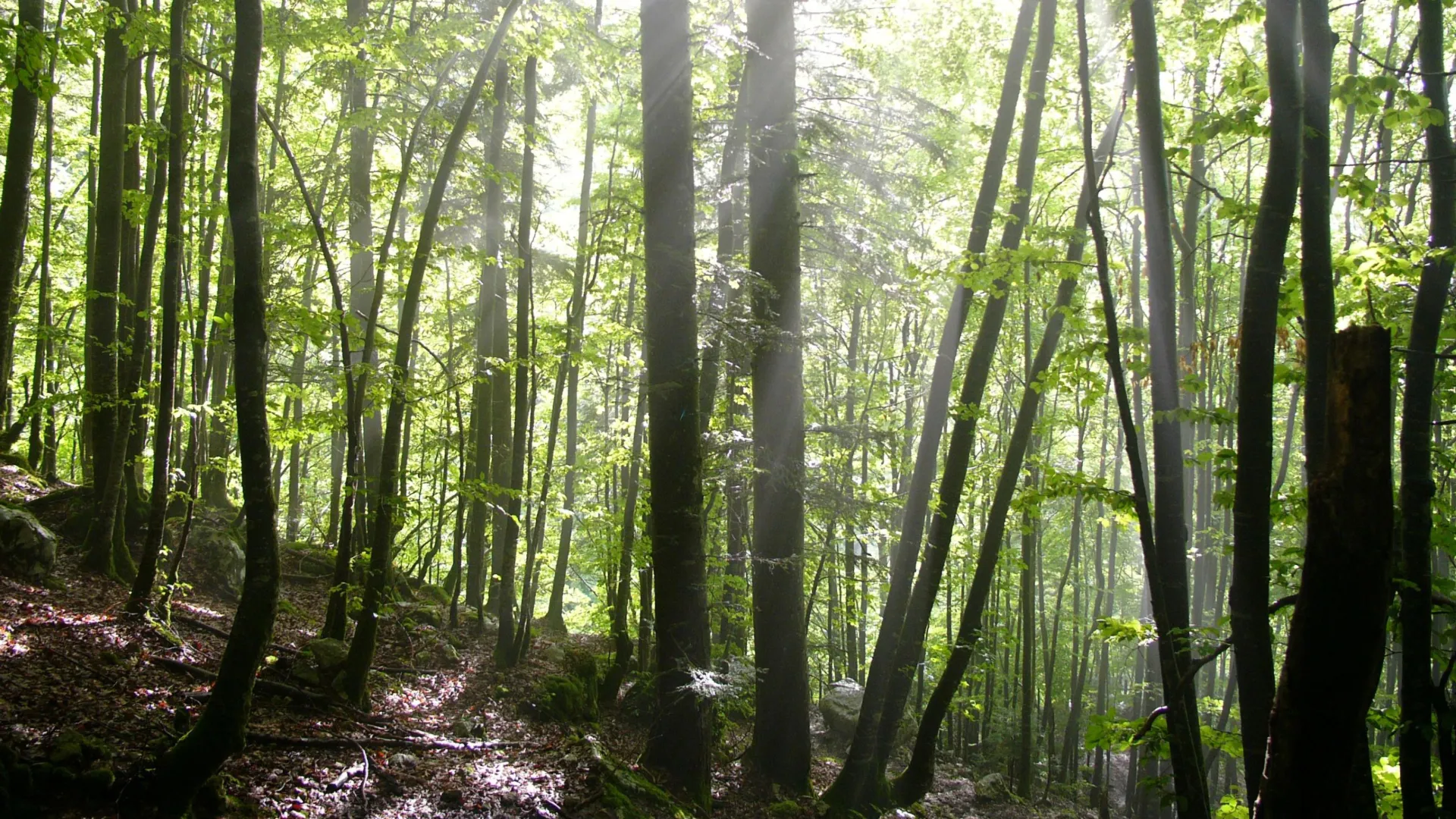
Scientists have found that trees monitor their own shape and produce specialized wood on opposing sides of a leaning trunk to correct their posture. This mechanism helps trees remain upright as they grow.

10:44 PMScienceDaily

A 4,000-year-old defensive structure in Morocco points to unexpectedly sophisticated prehistoric societies in North Africa. The fortifications also suggest the region played a larger role in Mediterranean history than earlier accounts recognized.

9:09 AMScienceDaily

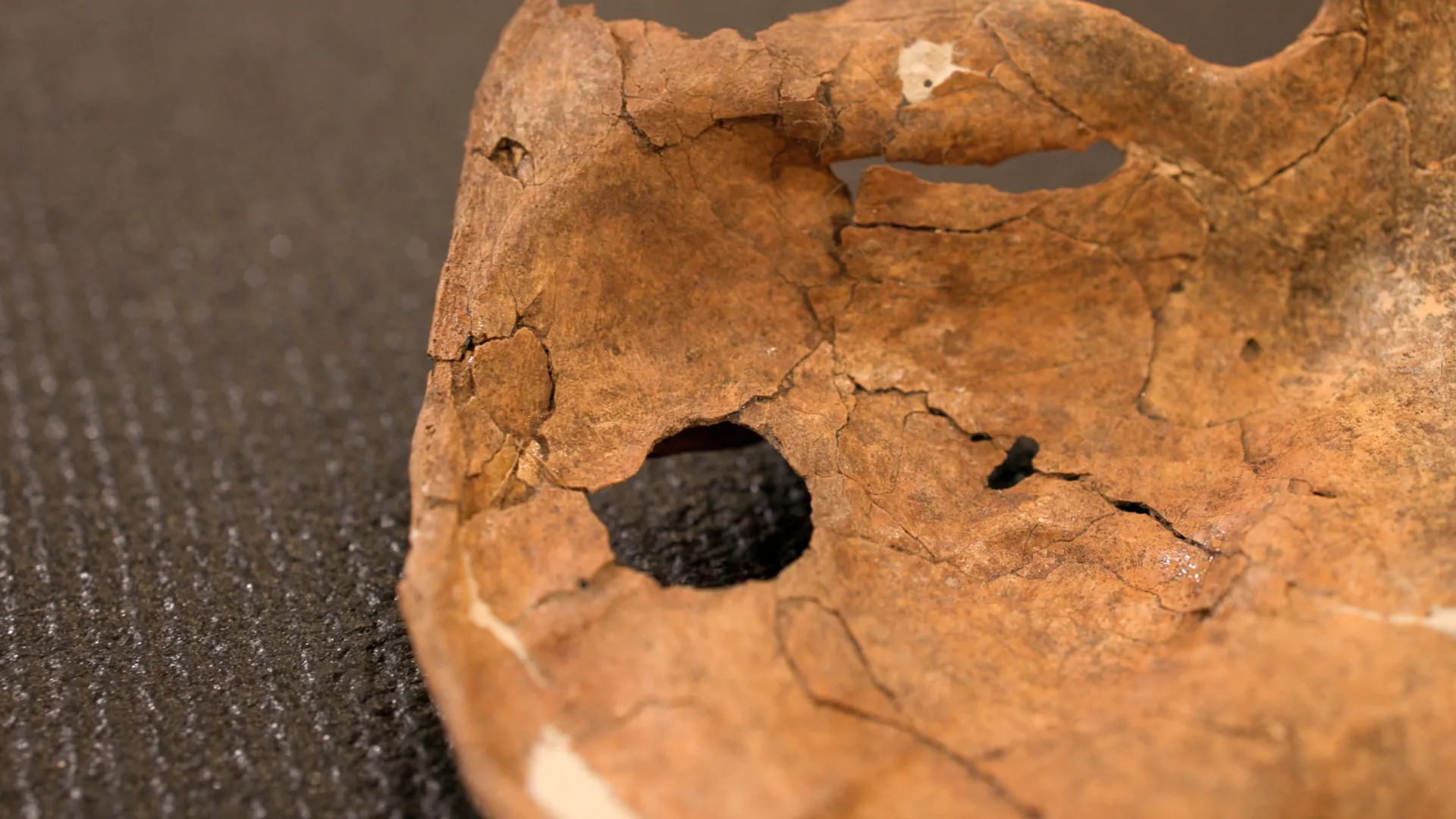
A circular hole in the shoulder blade of a 75,000-year-old Neanderthal is consistent with a wooden spear piercing the chest and causing a fatal injury. The individual had also survived a severe earlier facial wound, suggesting other Neanderthals provided care.

7:05 AMScienceDaily

Make it yours

Build Your First Pass.

Pick your topics, set your cadence, and receive your personalized First Pass in your inbox. It’s that simple!