First Pass

6 stories from 2 sources

New experiments challenge how the universe began and changed

Day’s Recap

Supporting Articles

Hubble observations challenge the idea that winds from exploding stars helped ionizing radiation escape early galaxies and clear the hydrogen fog that obscured the young universe. The data instead suggest those winds blocked the radiation they were expected to release.

6:50 AMScienceDaily
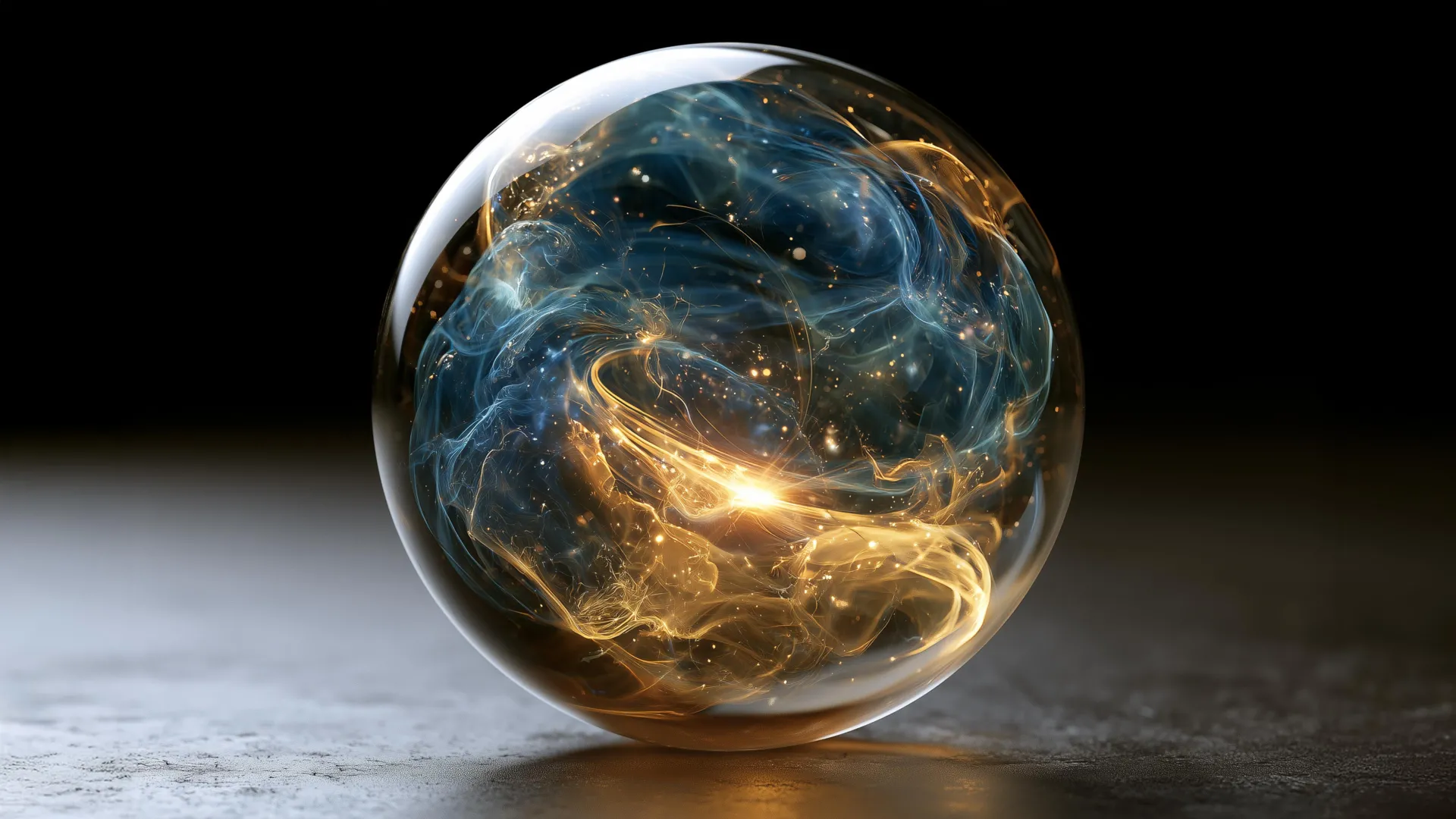
Researchers used 24,000 ultracold atoms to build an isolated quantum system that repeatedly expands and contracts, resembling a miniature cosmological cycle. The experiment suggests that time can emerge from internal changes in a system without an external clock.

7:42 AMScienceDaily

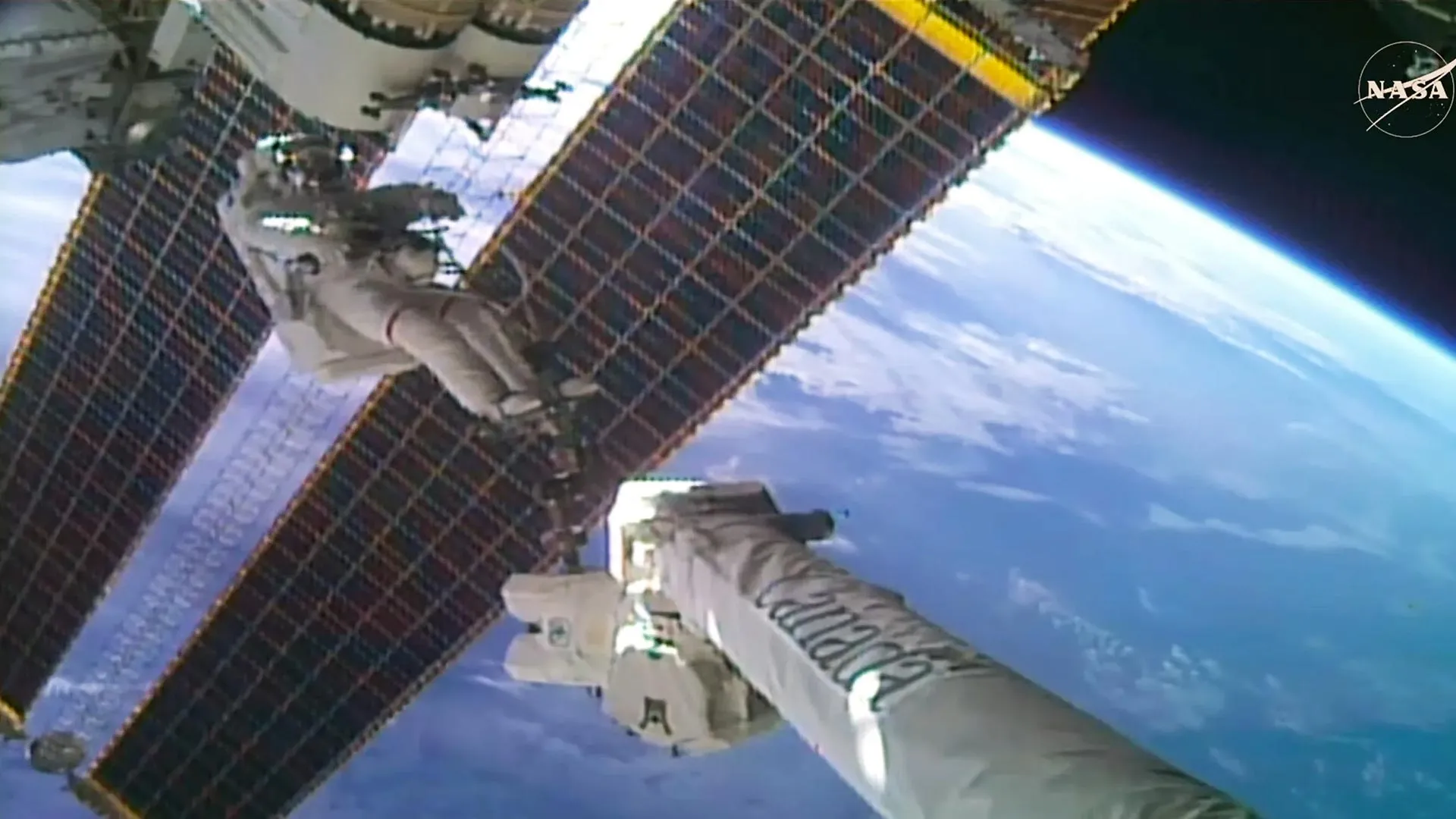
Two astronauts spent 7 hours and 11 minutes installing a new solar array on the International Space Station. A final array planned for November 5 would increase the station's available power by as much as 30%, supporting operations and its eventual controlled deorbit.

2:12 AMScienceDaily

Other Developments

A curated list of other prominent stories from this day.

Researchers recorded a live bigfin squid of the Magnapinna genus above the seafloor off central California. The sighting, announced September 2, is the first documented live observation of the genus in the northeastern Pacific Ocean.

5:04 PMSchneier on Security

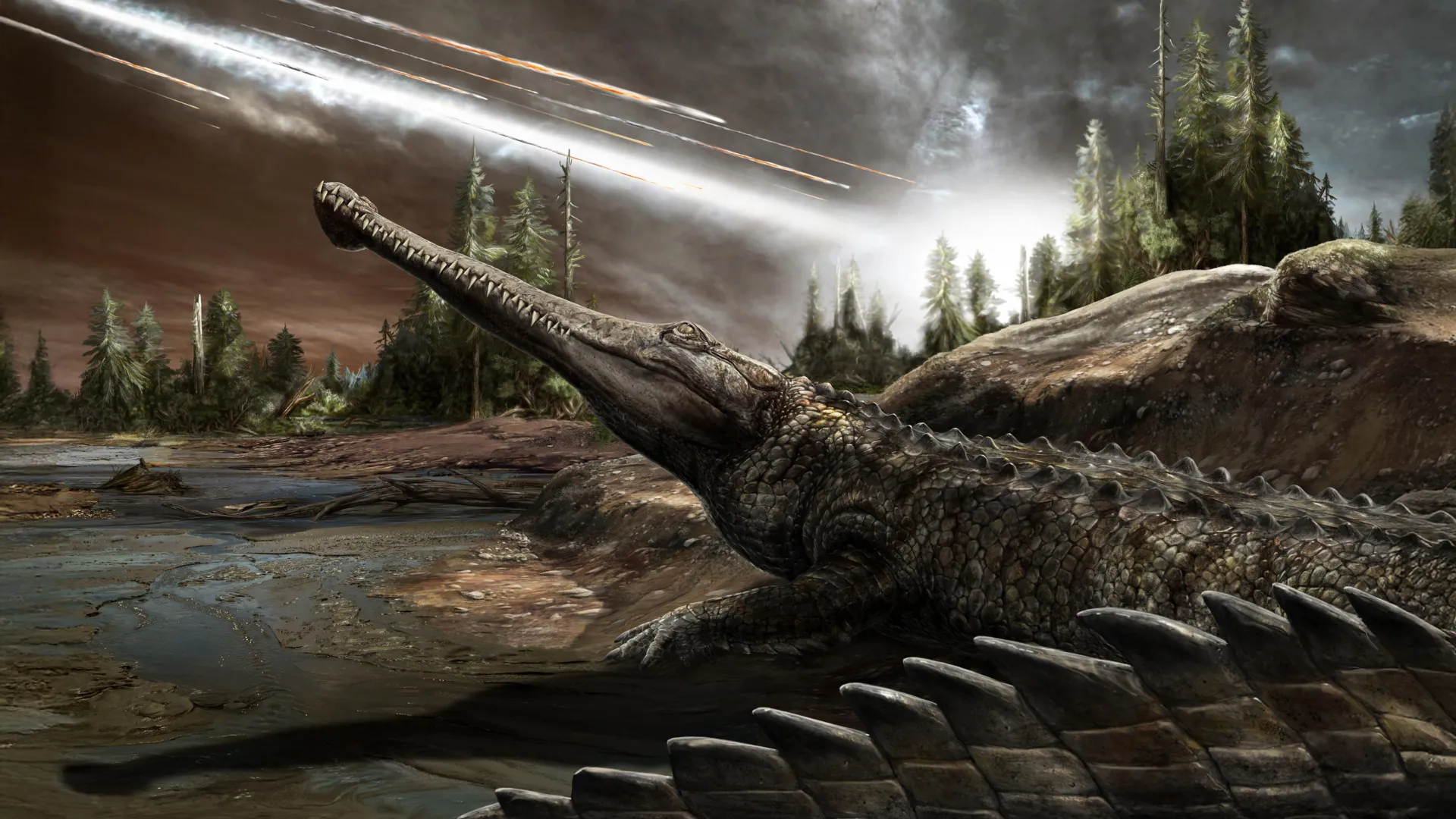
A fossil and climate analysis suggests crocodiles survived the asteroid impact 66 million years ago because their preference for warm environments kept them in tropical refuges that remained habitable afterward. That ecological advantage may have protected them while many other groups collapsed.

7:34 AMScienceDaily

A new algorithm improves distance estimates between closely connected points in massive computer networks without giving up speed. Its multiscale sampling method overcomes a limitation that had constrained earlier approaches for nearly 25 years.

7:08 AMScienceDaily

Make it yours

Build Your First Pass.

Pick your topics, set your cadence, and receive your personalized First Pass in your inbox. It’s that simple!