First Pass

9 stories from 1 source

Science Revises Physical Limits and Climate Risk

Day’s Recap

Supporting Articles

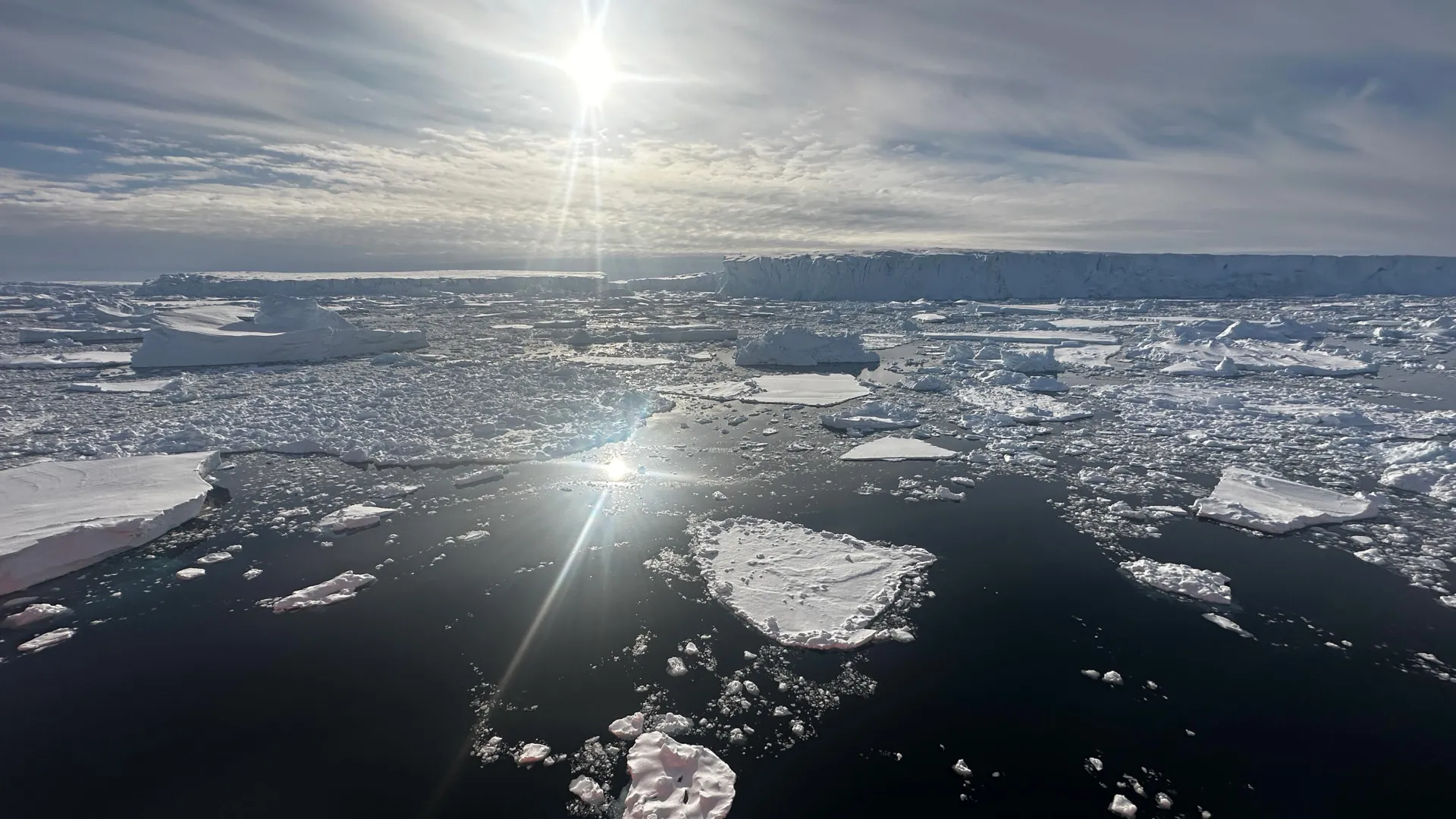
New modeling suggests warm ocean water is reaching miles beneath Thwaites Glacier, weakening the ice and accelerating its retreat. The glacier could contribute up to 30 millimeters to global sea levels by 2100, while researchers estimate a 60% chance that it will lose a key stabilizing ridge.

5:22 AMScienceDaily

Scientists generated X-rays at energies far beyond the limit predicted by conventional laser theory. The result shows that coordinated behavior between two electrons can bypass a rule long treated as fundamental.

11:39 PMScienceDaily

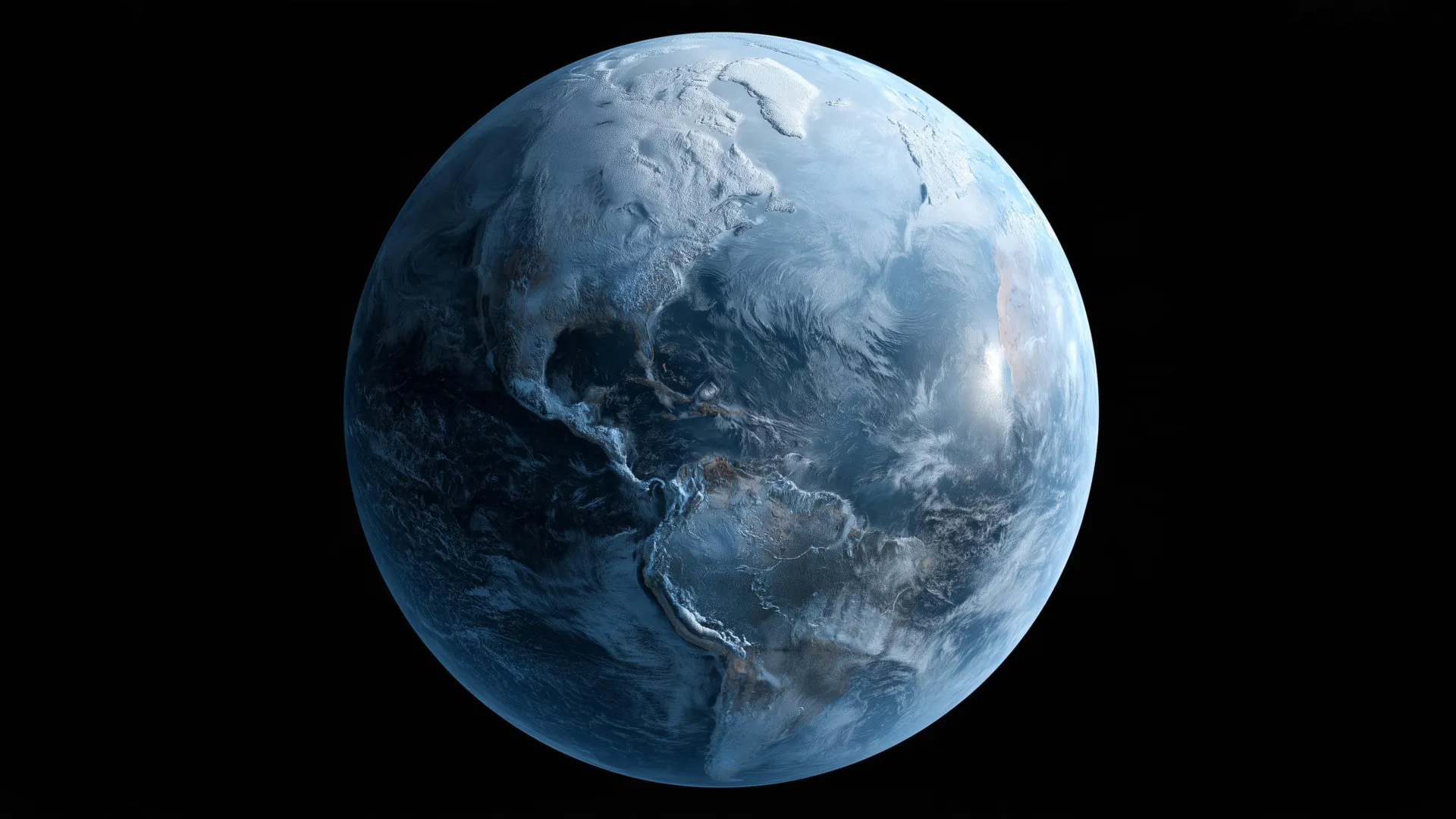
New research links Northern Hemisphere ice growth to changes in Southern Ocean circulation that may have helped trigger past ice ages. Cooling Atlantic waters could have traveled south, disrupted circulation around Antarctica, and increased the ocean's uptake of atmospheric carbon dioxide.

7:08 AMScienceDaily

Other Developments

A curated list of other prominent stories from this day.

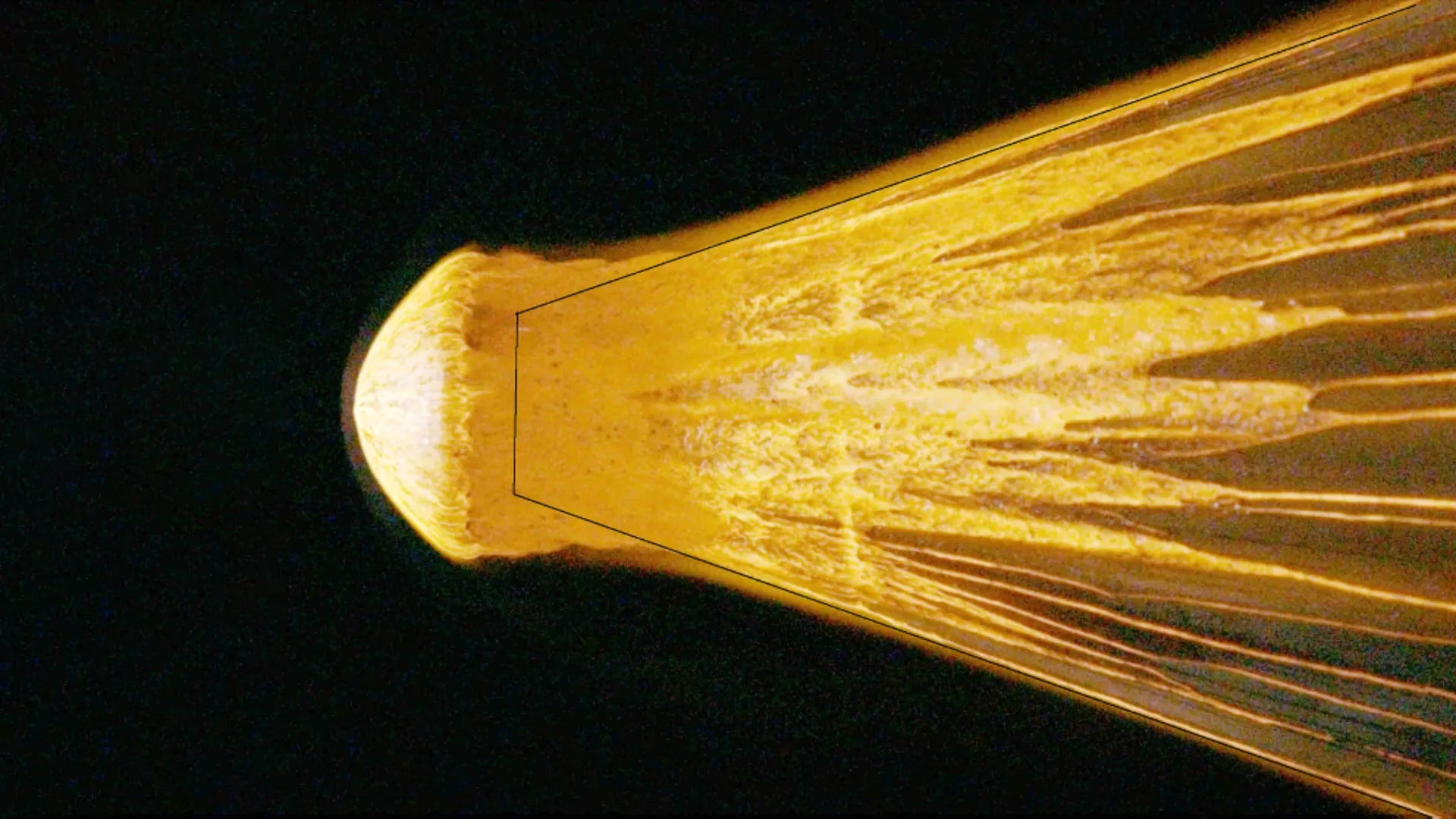
Researchers identified seven stages in the atmospheric breakup of incoming space rocks, including melting and violent fragmentation rather than simple evaporation. The process helps explain how meteorites spread across the ground and how larger asteroids can explode in the atmosphere.

11:06 PMScienceDaily

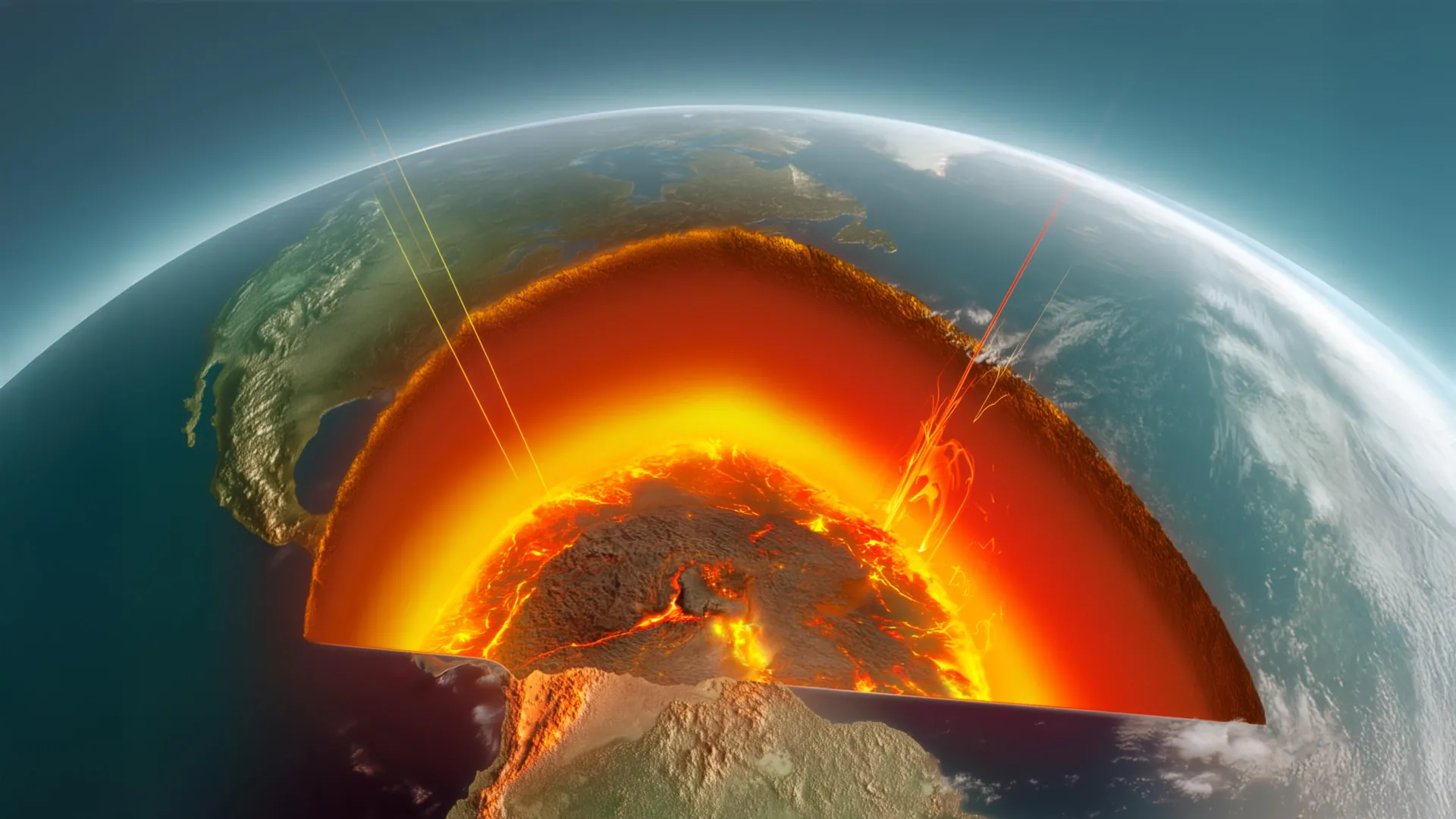
Scientists found that deep magma can hold substantially more oxygen than previously recognized. The finding suggests that ancient volcanic activity may have contributed to the rise of oxygen in Earth's atmosphere and offers a new factor in interpreting atmospheres on other planets.

9:13 PMScienceDaily

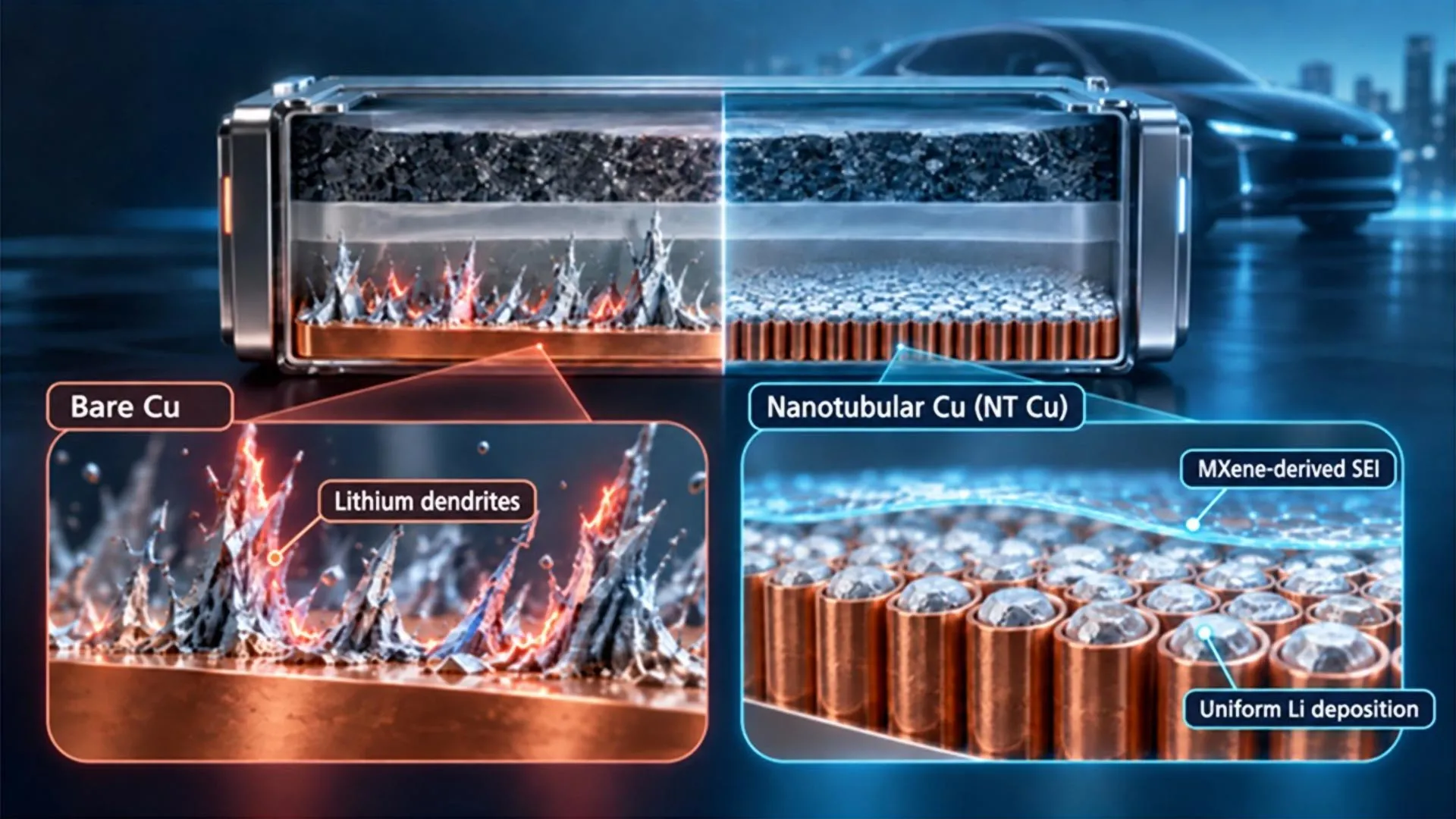
Scientists have used precision manufacturing methods adapted from computer chip production to prevent damaging lithium buildup in advanced electric vehicle batteries. The approach could produce batteries that are smaller, lighter, longer-lasting, and capable of delivering more range.

8:25 AMScienceDaily

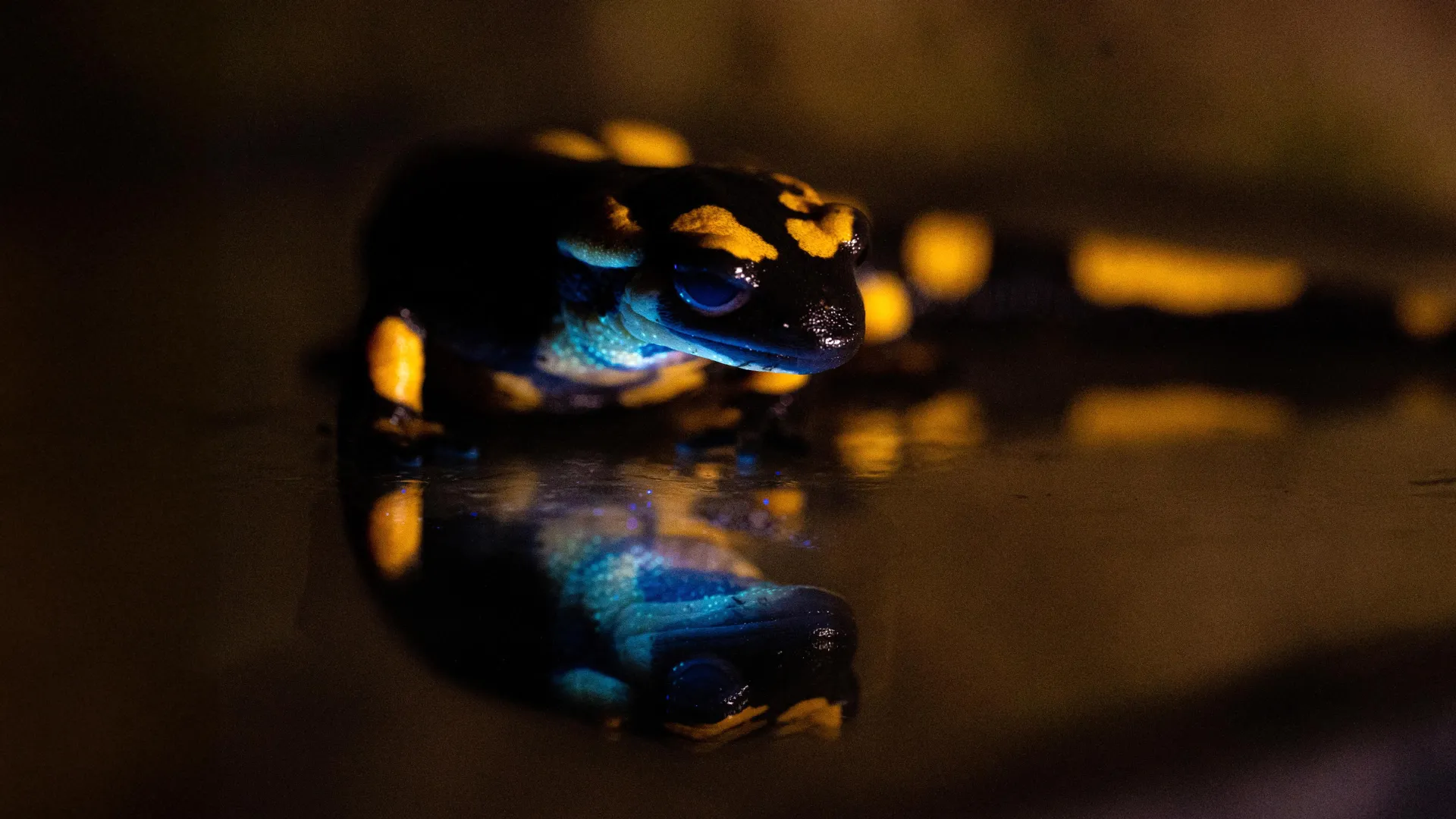
Researchers found that European fire salamanders fluoresce green and cyan under ultraviolet light, with the glow concentrated in skin glands and toxic secretions. The secretions can remain fluorescent for more than 24 hours after release.

8:11 AMScienceDaily

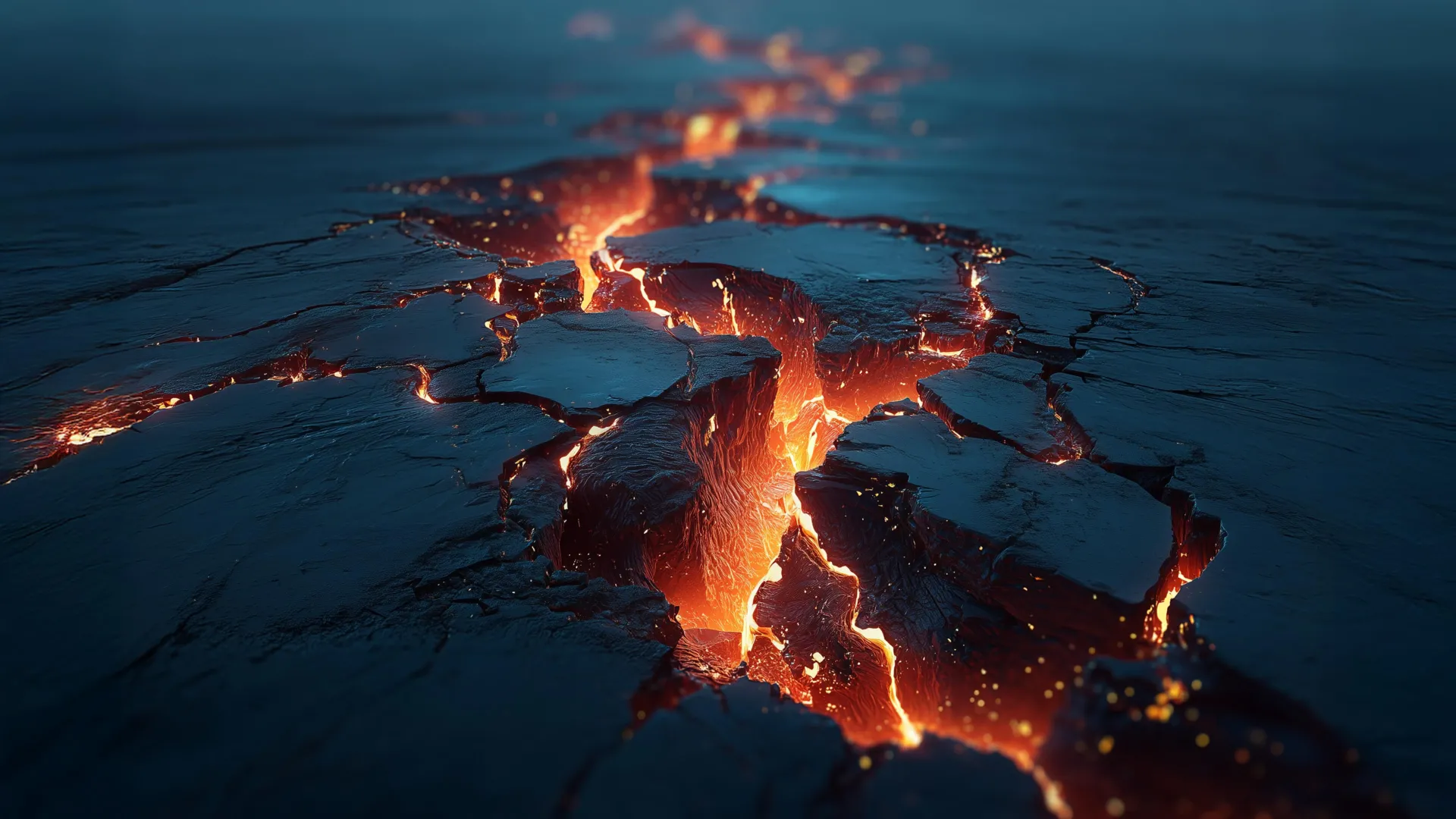
Scientists identified a previously unknown volcanic system in Iran dating to roughly 100 million years ago. The rocks provide new evidence about the ancient ocean that once occupied the region and the tectonic forces that later reshaped the Middle East.

8:00 AMScienceDaily

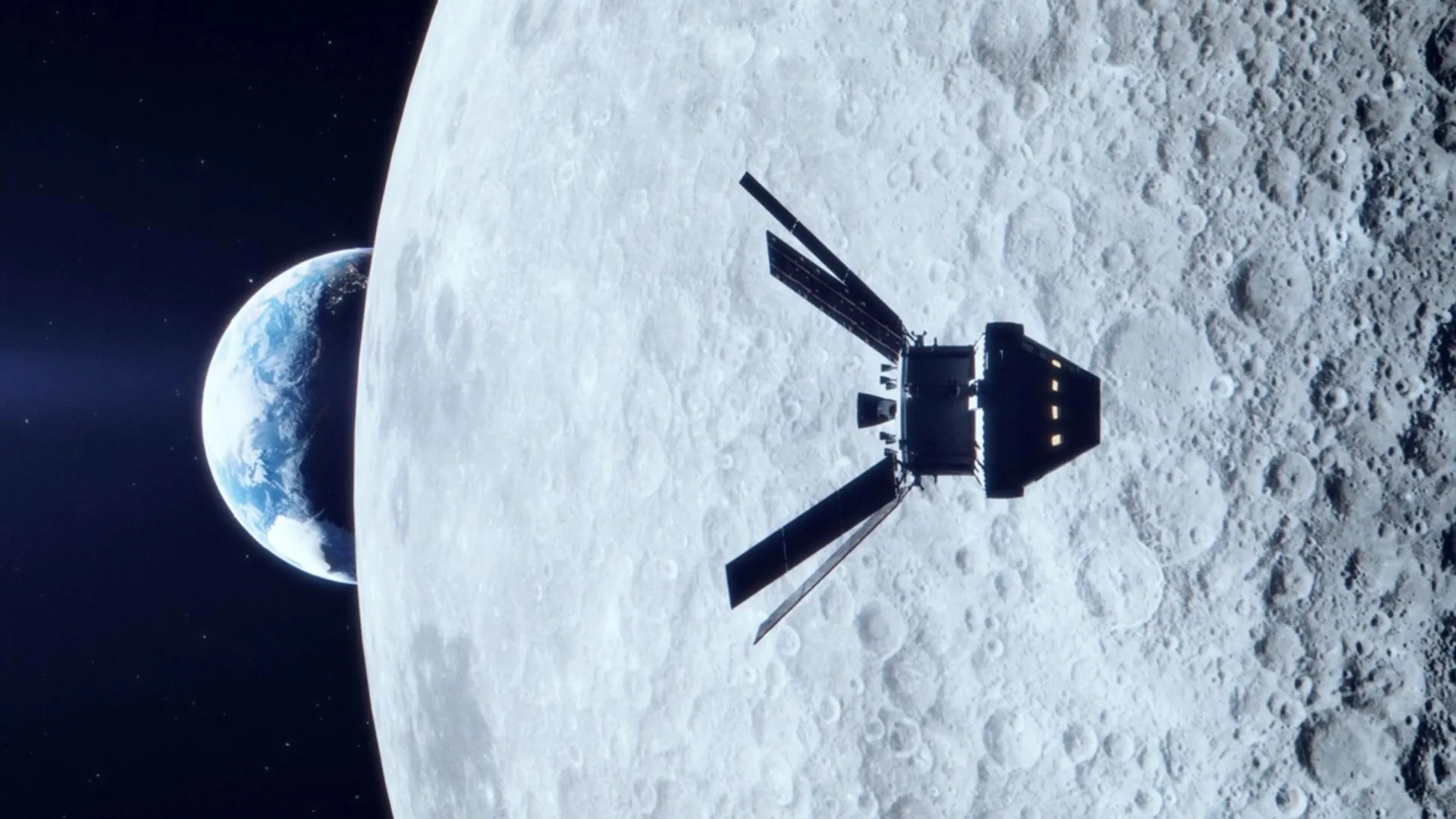
Measurements from Artemis I show that radiation near the Moon exceeds levels in Earth orbit, but by less than some scientists expected. Experimental detectors also recorded how radiation moves through human tissue, producing data relevant to future lunar missions.

6:29 AMScienceDaily

Make it yours

Build Your First Pass.

Pick your topics, set your cadence, and receive your personalized First Pass in your inbox. It’s that simple!