First Pass

9 stories from 3 sources

Science finds hidden mechanisms, but AI's biggest claim remains unverified

Day’s Recap

Supporting Articles

Frontier AI models have produced mathematical results that researchers say could challenge the Exponential Time Hypothesis, a long-standing conjecture about the limits of efficient computation. The claim depends on whether the proposed methods survive rigorous verification and meet the hypothesis's precise conditions.

1:08 PMTechCrunch


Researchers found that T cells can detect the stiffness of the tissue around them. These mechanical signals help influence whether the cells become long-lasting memory cells that provide protection against future infections.

8:54 PMScienceDaily

A study found that brain signals involved in face recognition become increasingly specialized as neurotypical children develop, but change much less in autistic children. The difference may emerge earlier than previously recognized and could help explain difficulties with identifying faces and interpreting emotions.

11:02 PMScienceDaily

Other Developments

A curated list of other prominent stories from this day.

Scientists found that bursts of activity from mobile genetic elements coincided with the emergence of major ant groups after the asteroid impact that ended the dinosaur era. They suggest these genetic changes may have improved ants’ chemical communication and contributed to their global expansion.

9:40 PMScienceDaily

Archaeologists have identified a 2,500-year-old structure at the Teteles de Ávila Castillo archaeological site in Mexico’s Sierra Norte Mountains. The structure is described as a Mesoamerican observatory.

5:27 PMARTnews

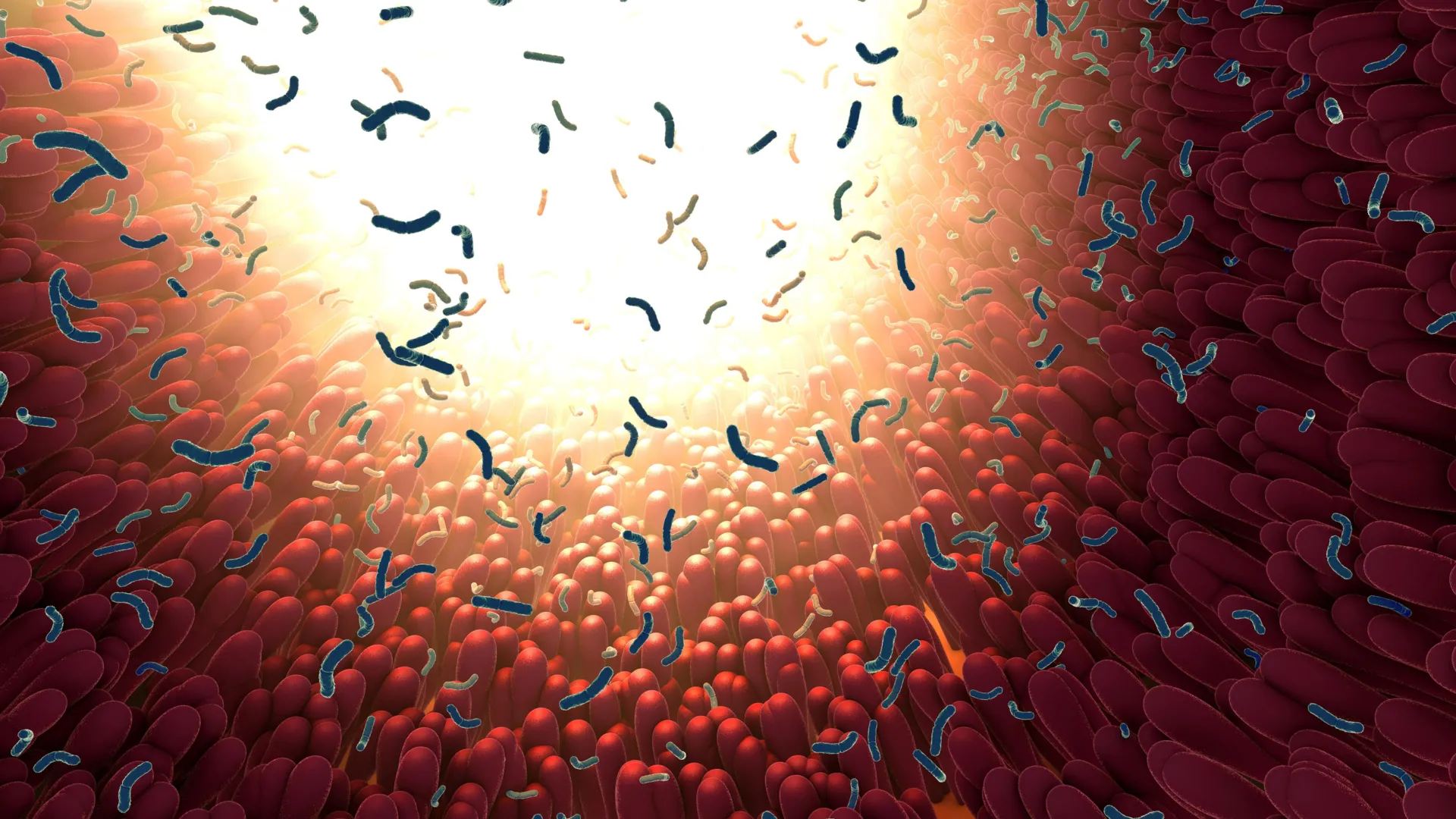
Scientists found that differences in gut bacteria account for about 15% of the variation in biological aging rates. Some species correlate with slower aging, while others are associated with faster decline.

7:53 AMScienceDaily

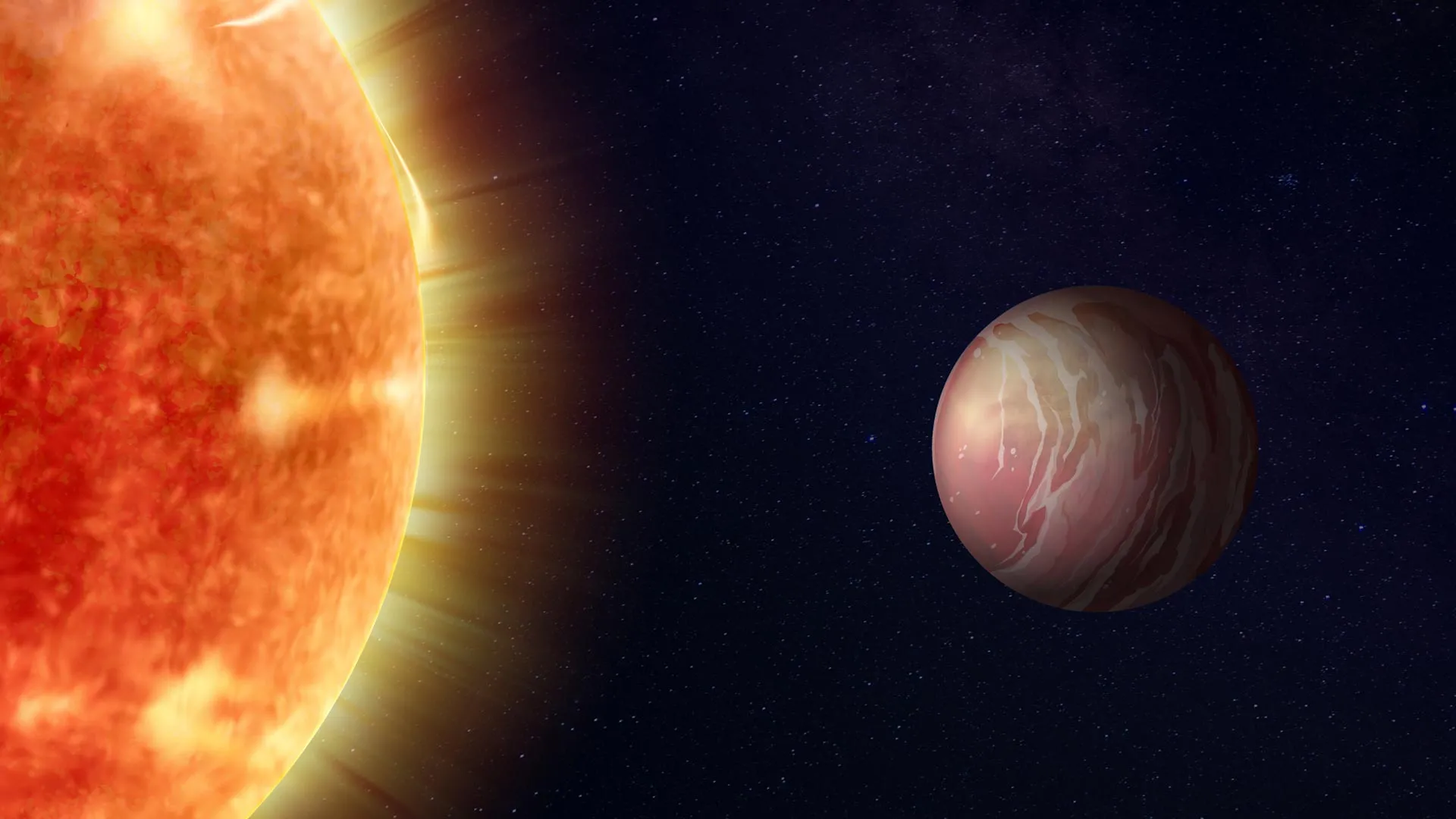
James Webb observations indicate that the lava planet TOI-561 b reflects roughly 75% of the starlight it receives, possibly because mineral clouds shield its atmosphere. Gases released from a global ocean of molten rock may also continually replenish that atmosphere despite intense stellar radiation.

6:20 AMScienceDaily

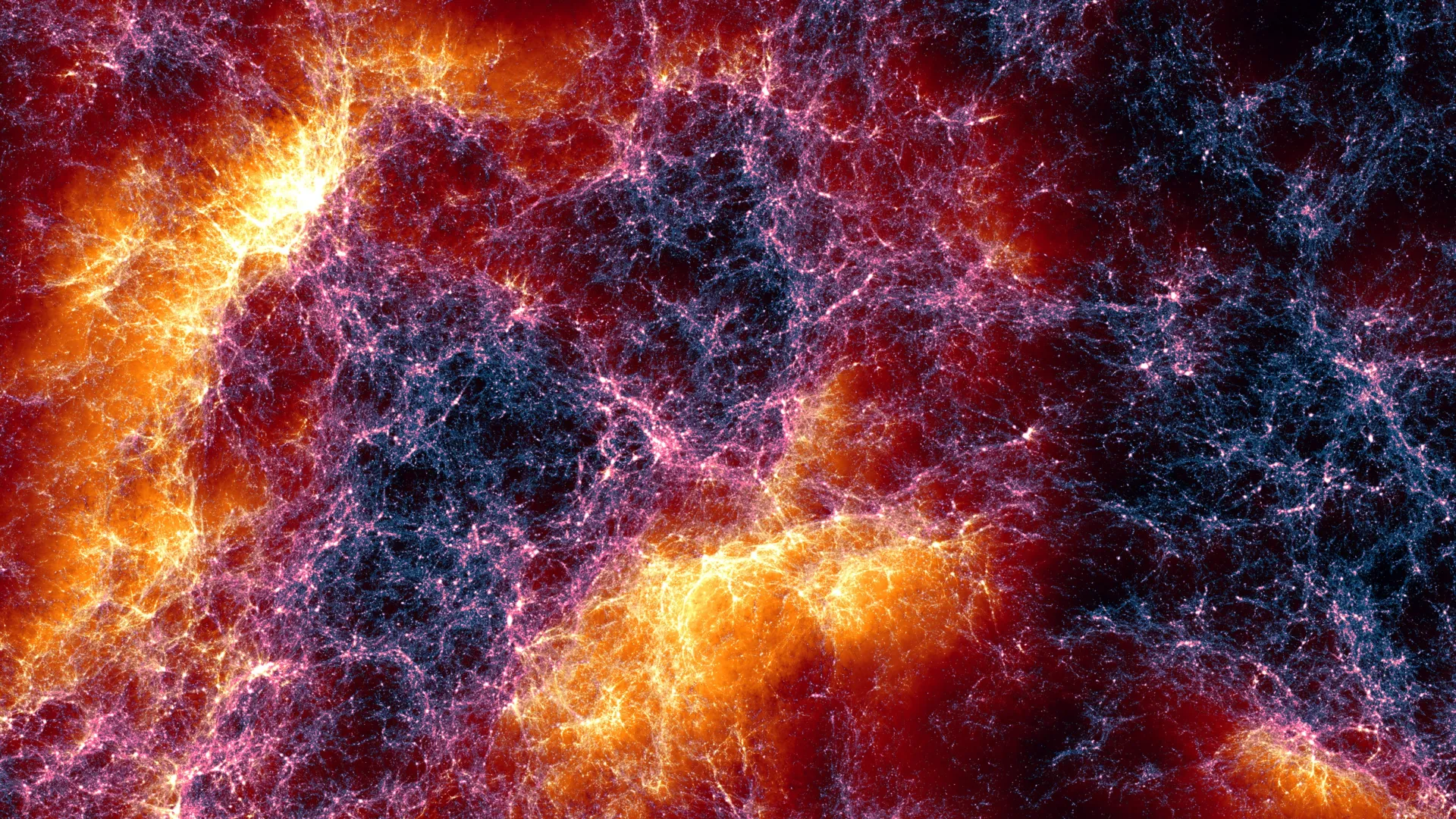
Scientists built Lumina, a large-scale simulation of the universe’s first 2 billion years, modeling interactions among dark matter, gas, and radiation. The model traces the emergence of the earliest stars, galaxies, and black holes after the Big Bang.

5:48 AMScienceDaily

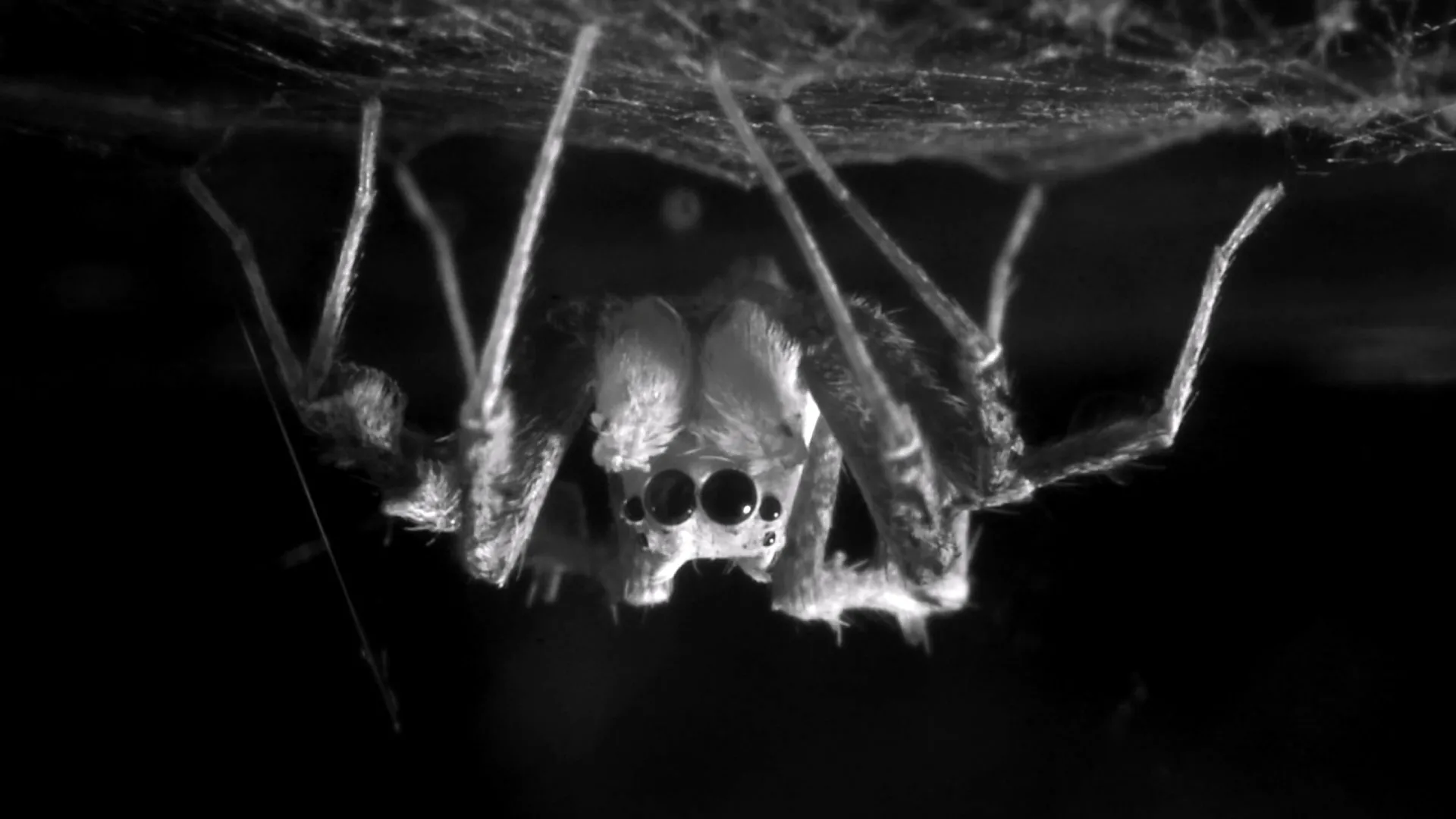
Researchers observing Australian jumping spiders found regulated sleep with distinct stages, including an REM-like phase marked by eye movements and muscle twitches. The findings suggest that some elements of sleep architecture may have evolved in spiders as well as vertebrates.

12:53 AMScienceDaily

Make it yours

Build Your First Pass.

Pick your topics, set your cadence, and receive your personalized First Pass in your inbox. It’s that simple!