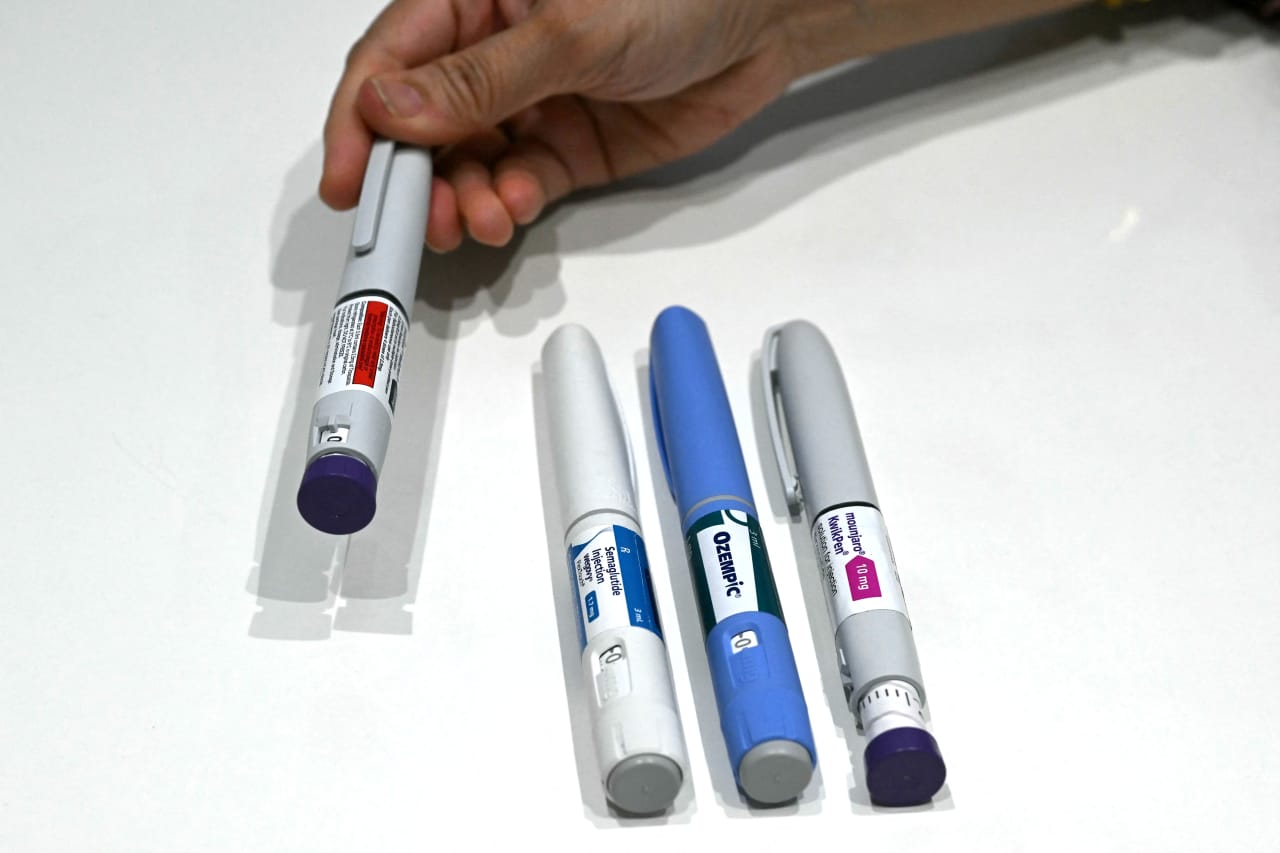
Several studies have found an elevated risk of nonarteritic anterior ischemic optic neuropathy, or NAION, among people taking GLP-1 medications. NAION can cause sudden vision loss by disrupting blood flow to the optic nerve.
12:52 PMMarketWatch25 stories from 7 sources
Supporting Articles
Several studies have found an elevated risk of nonarteritic anterior ischemic optic neuropathy, or NAION, among people taking GLP-1 medications. NAION can cause sudden vision loss by disrupting blood flow to the optic nerve.
12:52 PMMarketWatch
The FDA approved Bayer's drug to reduce the risk of recurrent stroke, making it the first medication in a new class intended to prevent blood clots without increasing bleeding risk.
5:28 PMStat News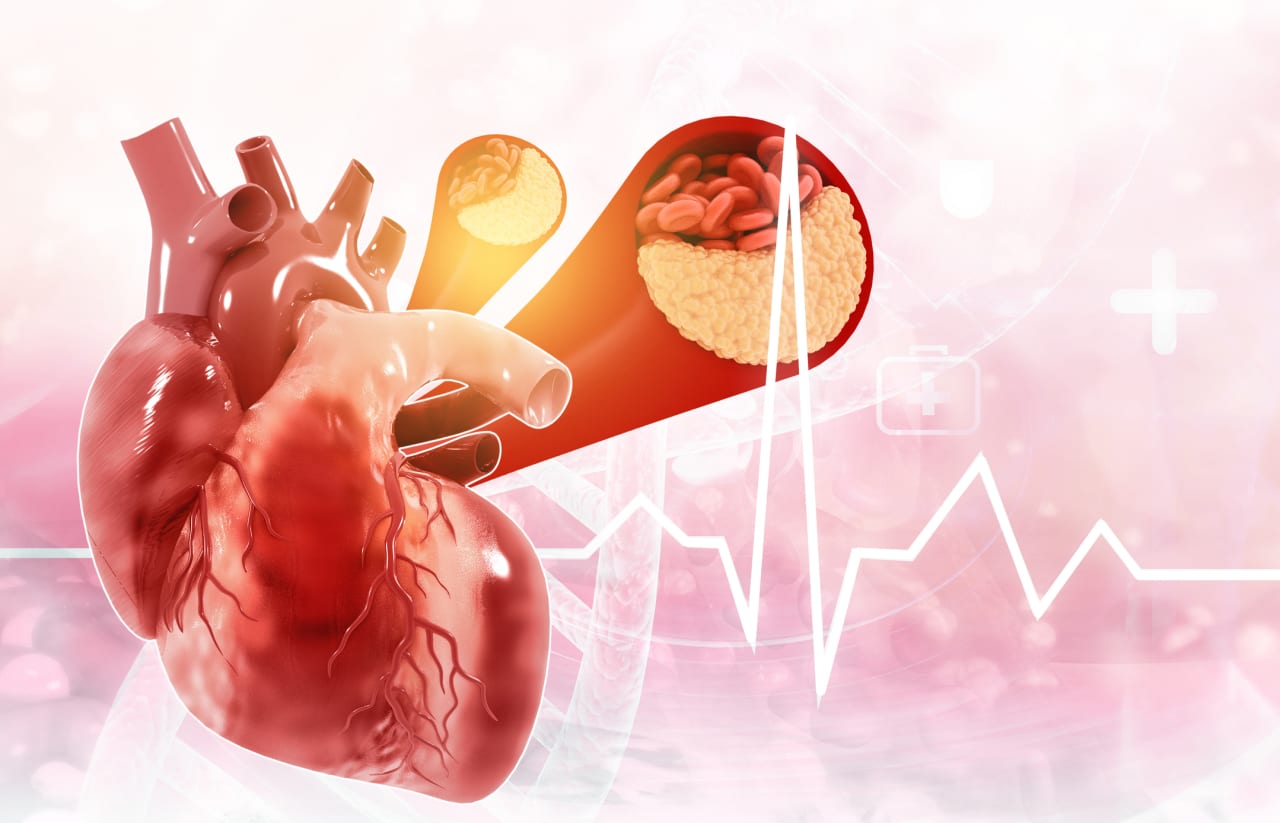
Full results from a closely watched trial showed that the heart drug did not reduce cardiovascular risk, despite lowering patients’ Lp(a) levels. The outcome raises concerns for other therapies built around the same target.
4:21 PMMarketWatch
The latest American Heart Association meeting produced largely neutral results, with limited evidence of major breakthroughs. Researchers nevertheless continue to pursue inflammation and Lp(a) lowering as potential ways to reduce cardiovascular risk.
11:53 AMStat News
Cases involving patients who developed cancer after receiving gene therapy offer strong evidence that some viral delivery systems can contribute to tumors. The findings revive longstanding safety concerns about the vectors used to deliver replacement genes.
9:36 AMStat News
Eli Lilly said its daily obesity pill reduced moderate-to-severe obstructive sleep apnea in adults with obesity in a late-stage trial. The company plans to seek U.S. approval for the treatment by the end of the year.
9:30 AMCNBCRoughly a dozen states plan to provide additional premium assistance to Affordable Care Act marketplace enrollees in 2027. The state efforts follow the expiration of enhanced federal subsidies at the end of 2025.
8:00 AMCNBC
Human cell-based laboratory models suggest that genetic mutations linked to inherited Alzheimer’s can damage nerve-to-muscle connections independently of the brain and spinal cord. The finding may explain why balance, walking, and coordination problems can appear before memory loss.
8:47 PMScienceDailySummary
Several studies have found an elevated risk of nonarteritic anterior ischemic optic neuropathy, or NAION, among people taking GLP-1 medications. NAION can cause sudden vision loss by disrupting blood flow to the optic nerve.
The evidence points to a possible safety signal, not yet a confirmed causal relationship. Regulators
Unlock the full First Pass Analysis to get a better understanding of why this story mattersWhy it matters
A rare vision complication could add new screening, counseling and monitoring requirements to an already fast-growing drug class.
2 stories · 2 sources
Summary
The FDA approved Bayer's drug to reduce the risk of recurrent stroke, making it the first medication in a new class intended to prevent blood clots without increasing bleeding risk.
The approval expands stroke prevention beyond the tradeoff that has limited many clot-preventing therapies: lower
Unlock the full First Pass Analysis to get a better understanding of why this story mattersWhy it matters
A treatment that prevents recurrent stroke without materially raising bleeding risk could reshape long-term anticoagulation decisions.
Summary
Full results from a closely watched trial showed that the heart drug did not reduce cardiovascular risk, despite lowering patients’ Lp(a) levels. The outcome raises concerns for other therapies built around the same target.
The failure weakens the assumption that lowering Lp(a) alone will prevent heart attacks and other
Unlock the full First Pass Analysis to get a better understanding of why this story mattersWhy it matters
The result could reset expectations and investment across the emerging Lp(a)-lowering drug market.
Summary
The latest American Heart Association meeting produced largely neutral results, with limited evidence of major breakthroughs. Researchers nevertheless continue to pursue inflammation and Lp(a) lowering as potential ways to reduce cardiovascular risk.
Neutral trial results are slowing immediate enthusiasm but have not displaced the field's main biological
Unlock the full First Pass Analysis to get a better understanding of why this story mattersWhy it matters
The field may be entering a more selective phase in which promising mechanisms must produce clear clinical benefits to attract investment and adoption.
Summary
Cases involving patients who developed cancer after receiving gene therapy offer strong evidence that some viral delivery systems can contribute to tumors. The findings revive longstanding safety concerns about the vectors used to deliver replacement genes.
The risk has shifted from a theoretical concern to a documented safety issue that regulators
Unlock the full First Pass Analysis to get a better understanding of why this story mattersWhy it matters
Evidence of cancer risk could slow approvals and raise the cost of developing and monitoring gene therapies.
Summary
Eli Lilly said its daily obesity pill reduced moderate-to-severe obstructive sleep apnea in adults with obesity in a late-stage trial. The company plans to seek U.S. approval for the treatment by the end of the year.
The result could expand the pill’s market beyond weight loss by giving regulators a second
Unlock the full First Pass Analysis to get a better understanding of why this story mattersWhy it matters
A successful approval could turn obesity drugs into a broader treatment platform for conditions linked to excess weight.
2 stories · 2 sources
Summary
Roughly a dozen states plan to provide additional premium assistance to Affordable Care Act marketplace enrollees in 2027. The state efforts follow the expiration of enhanced federal subsidies at the end of 2025.
The loss of federal support is shifting affordability decisions to the states, creating a more
Unlock the full First Pass Analysis to get a better understanding of why this story mattersWhy it matters
ACA affordability will increasingly depend on geography rather than a uniform federal subsidy policy.
Summary
Human cell-based laboratory models suggest that genetic mutations linked to inherited Alzheimer’s can damage nerve-to-muscle connections independently of the brain and spinal cord. The finding may explain why balance, walking, and coordination problems can appear before memory loss.
The key shift is that Alzheimer’s pathology may affect peripheral nerve function earlier than researchers
Unlock the full First Pass Analysis to get a better understanding of why this story mattersWhy it matters
Earlier detection could become possible through movement and neuromuscular changes, not just memory symptoms.
A curated list of other prominent stories from this day.

Ionis Pharmaceuticals cut its sales projections for a triglyceride-lowering drug, wiping more than $1 billion from the company’s market value in a single day. The reaction reflects investor concern about the drug’s slow commercial rollout.
7:50 PMStat News
Older New Yorkers are remaining in the workforce longer as the state's hiring growth slows. Healthcare is emerging as one of the state's fastest-growing sectors, even as an aging population and workforce constrain broader employment growth.
11:47 AMFortune
Doximity is expanding its AI tools across U.S. hospitals, with more than 190 health systems reportedly using its AI suite. The company is also building an advertising business around physician searches, including sales to 16 of the 20 largest pharmaceutical companies.
11:01 AMPYMNTS
AWS is committing $100 million over five years to AI, agentic services and cloud infrastructure aimed at underserved populations and healthcare access gaps. The initiative focuses on extending care where there are too few doctors rather than replacing physicians.
9:00 AMPYMNTSNovonesis is investigating whether gut-health supplements can help people taking GLP-1 weight-loss drugs. The work points to a potential new market around managing the effects of these medicines.
8:27 AMCNBC
Researchers found that pantethine, a vitamin B5 derivative, quieted overactive immune cells, prevented psoriasis-like disease in mice, and produced promising results in a small human trial. The findings point to an unexpected connection between cholesterol metabolism and autoimmune inflammation.
6:44 AMScienceDaily
Researchers found that gut bacteria can consume the intestine’s protective mucus layer when dietary fiber is scarce, producing potentially harmful compounds. Fiber and proteins from plant foods can redirect the microbiome toward activity that supports gut health.
6:32 AMScienceDaily
Decades of research suggest that mice, rather than deer, may be the stronger driver of year-to-year tick increases and Lyme disease risk. Acorn production can predict tick surges as much as two years ahead, while extreme temperatures may have less impact on ticks than previously thought.
5:59 AMScienceDaily
A UCLA study found that breast cancer survivors who took oxaloacetate for eight weeks reported improvements in memory, concentration, mental clarity, and fatigue. The naturally occurring molecule may offer a treatment route for cognitive symptoms that persist after cancer therapy.
5:33 AMScienceDaily
Democrats are debating whether to pursue a more ambitious health care agenda, even as political and practical constraints threaten to limit what they can deliver.
4:30 AMStat News
Liver specialists have reached agreement on a definition of acute-on-chronic liver failure, a condition that has long been described differently by different clinicians. The consensus aims to give doctors a common framework for identifying and treating these critically ill patients.
4:30 AMStat News
AI chatbots are not substitutes for professional therapists, but they may give some men a more accessible and less intimidating way to discuss mental health. The question is whether that openness can translate into meaningful support.
4:30 AMStat News
The article argues that healthcare collections problems begin before patients receive a bill, often at the front desk where costs, insurance details, and payment expectations are unclear. Better financial communication and workflows at the time of care could reduce delayed, confusing bills.
4:03 AMPYMNTS
A study of more than 120,000 older adults found that people taking common osteoporosis drugs had up to a 24% lower risk of Alzheimer’s disease and other dementias. The results suggest that bone-strengthening medicines may also affect brain health.
2:36 AMScienceDaily
Air pollution in New Delhi reached severe levels after Diwali firecrackers worsened already hazardous conditions. More than 30 million residents face elevated health risks from the toxic air.
12:20 AMAl JazeeraSummary
Ionis Pharmaceuticals cut its sales projections for a triglyceride-lowering drug, wiping more than $1 billion from the company’s market value in a single day. The reaction reflects investor concern about the drug’s slow commercial rollout.
The decisive problem is not the drug’s scientific premise but weak early uptake, which has
Unlock the full First Pass Analysis to get a better understanding of why this story mattersWhy it matters
A slow launch can sharply reduce the value of a promising medicine when commercial demand falls below biotech projections.
Summary
Older New Yorkers are remaining in the workforce longer as the state's hiring growth slows. Healthcare is emerging as one of the state's fastest-growing sectors, even as an aging population and workforce constrain broader employment growth.
The state faces a dual labor pressure: more older residents need care while fewer working-age
Unlock the full First Pass Analysis to get a better understanding of why this story mattersWhy it matters
New York's demographic shift will shape both healthcare capacity and the state's wider economic growth.
Summary
Doximity is expanding its AI tools across U.S. hospitals, with more than 190 health systems reportedly using its AI suite. The company is also building an advertising business around physician searches, including sales to 16 of the 20 largest pharmaceutical companies.
Doximity is combining enterprise clinical software with a high-value physician advertising network. That model could
Unlock the full First Pass Analysis to get a better understanding of why this story mattersWhy it matters
The strategy shows how clinical AI companies may monetize physician workflow data and attention alongside software subscriptions.
Summary
AWS is committing $100 million over five years to AI, agentic services and cloud infrastructure aimed at underserved populations and healthcare access gaps. The initiative focuses on extending care where there are too few doctors rather than replacing physicians.
AWS is positioning AI as a distribution tool for healthcare, targeting the economics of serving
Unlock the full First Pass Analysis to get a better understanding of why this story mattersWhy it matters
The strongest near-term healthcare AI case may be expanding capacity in neglected markets, not automating doctors out of the system.
Summary
Novonesis is investigating whether gut-health supplements can help people taking GLP-1 weight-loss drugs. The work points to a potential new market around managing the effects of these medicines.
The opportunity depends on proving that supplements deliver benefits beyond marketing claims, such as improving
Unlock the full First Pass Analysis to get a better understanding of why this story mattersWhy it matters
GLP-1 drugs may create demand for a wider ecosystem of products designed to support long-term treatment.
Summary
Researchers found that pantethine, a vitamin B5 derivative, quieted overactive immune cells, prevented psoriasis-like disease in mice, and produced promising results in a small human trial. The findings point to an unexpected connection between cholesterol metabolism and autoimmune inflammation.
The key shift is the identification of a low-cost metabolic compound as a possible way
Unlock the full First Pass Analysis to get a better understanding of why this story mattersWhy it matters
A widely available supplement could eventually broaden psoriasis treatment, but it is not yet a proven substitute for prescription therapy.
Summary
Researchers found that gut bacteria can consume the intestine’s protective mucus layer when dietary fiber is scarce, producing potentially harmful compounds. Fiber and proteins from plant foods can redirect the microbiome toward activity that supports gut health.
The key finding is that low fiber may alter the microbiome in a way that
Unlock the full First Pass Analysis to get a better understanding of why this story mattersWhy it matters
Diet may influence gut-barrier health through direct competition between food and the intestinal lining.
Summary
Decades of research suggest that mice, rather than deer, may be the stronger driver of year-to-year tick increases and Lyme disease risk. Acorn production can predict tick surges as much as two years ahead, while extreme temperatures may have less impact on ticks than previously thought.
The decisive change is a move away from deer-centered explanations toward an ecological chain linking
Unlock the full First Pass Analysis to get a better understanding of why this story mattersWhy it matters
Better ecological forecasts could make Lyme prevention more targeted and timely.
Summary
A UCLA study found that breast cancer survivors who took oxaloacetate for eight weeks reported improvements in memory, concentration, mental clarity, and fatigue. The naturally occurring molecule may offer a treatment route for cognitive symptoms that persist after cancer therapy.
The important shift is evidence that a metabolic supplement may address persistent cognitive and fatigue
Unlock the full First Pass Analysis to get a better understanding of why this story mattersWhy it matters
A manageable post-treatment burden could gain a treatment option, but early results need independent confirmation.
Summary
Democrats are debating whether to pursue a more ambitious health care agenda, even as political and practical constraints threaten to limit what they can deliver.
The party is moving from defending existing coverage to testing the boundaries of a broader
Unlock the full First Pass Analysis to get a better understanding of why this story mattersWhy it matters
Democrats must decide whether a bigger health care agenda is a governing plan or primarily a campaign message.
Summary
Liver specialists have reached agreement on a definition of acute-on-chronic liver failure, a condition that has long been described differently by different clinicians. The consensus aims to give doctors a common framework for identifying and treating these critically ill patients.
The key change is standardization around a condition whose inconsistent definitions have complicated diagnosis, research,
Unlock the full First Pass Analysis to get a better understanding of why this story mattersWhy it matters
A common clinical definition can turn a fragmented field into one capable of measuring outcomes and improving care.
Summary
AI chatbots are not substitutes for professional therapists, but they may give some men a more accessible and less intimidating way to discuss mental health. The question is whether that openness can translate into meaningful support.
The potential change is not that chatbots become clinicians, but that they lower the barrier
Unlock the full First Pass Analysis to get a better understanding of why this story mattersWhy it matters
Chatbots could expand the front door to mental health support, but they cannot replace trained professionals or reliable safeguards.
Summary
The article argues that healthcare collections problems begin before patients receive a bill, often at the front desk where costs, insurance details, and payment expectations are unclear. Better financial communication and workflows at the time of care could reduce delayed, confusing bills.
The decisive shift is moving collections from a back-office recovery task to an upfront patient-experience
Unlock the full First Pass Analysis to get a better understanding of why this story mattersWhy it matters
Upfront clarity could improve both provider cash flow and patient trust in a system defined by opaque bills.
Summary
A study of more than 120,000 older adults found that people taking common osteoporosis drugs had up to a 24% lower risk of Alzheimer’s disease and other dementias. The results suggest that bone-strengthening medicines may also affect brain health.
The main finding is an association, not proof that osteoporosis drugs prevent dementia. If the
Unlock the full First Pass Analysis to get a better understanding of why this story mattersWhy it matters
The finding could connect osteoporosis care with dementia prevention, but it should not drive off-label use yet.
Summary
Air pollution in New Delhi reached severe levels after Diwali firecrackers worsened already hazardous conditions. More than 30 million residents face elevated health risks from the toxic air.
The pollution spike turns a seasonal celebration into a large-scale public health exposure. Residents with
Unlock the full First Pass Analysis to get a better understanding of why this story mattersWhy it matters
Severe pollution across a city of more than 30 million can quickly increase respiratory illness and strain healthcare services.
Make it yours
Pick your topics, set your cadence, and receive your personalized First Pass in your inbox. It’s that simple!

