First Pass

7 stories from 3 sources

Promising therapies advance, but human evidence remains distant

Day’s Recap

Supporting Articles

Researchers developed B-SYNC CAR-T cells that remain inactive outside the brain and activate after reaching diffuse midline glioma, an aggressive childhood tumor. The engineered immune cells eliminated the tumors in two mouse models, though the therapy has not yet been shown to work in humans.

6:24 PMScienceDaily
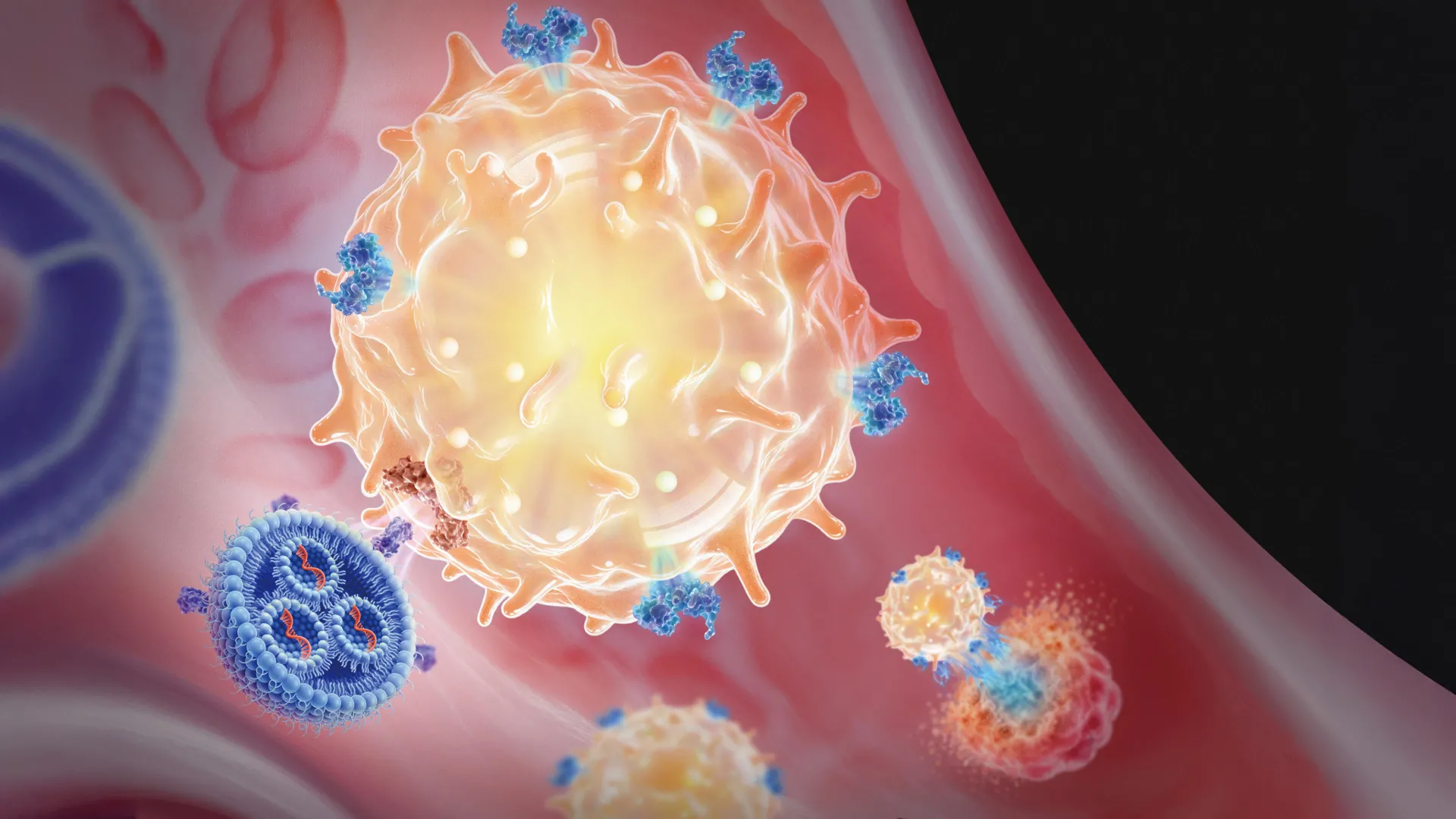
MIT researchers used nanoparticles to reprogram immune cells inside mice, enabling them to attack tumors and harmful immune cells while reversing liver damage. The approach could simplify and lower the cost of cell-based immune therapies for cancer and autoimmune disease.

5:52 AMScienceDaily

A new study found that advance training for bystanders and emergency responders did not improve survival after sudden cardiac arrest. Researchers said the result does not rule out a benefit from training under different conditions or with different approaches.

5:15 PMStat News

Other Developments

A curated list of other prominent stories from this day.

New Delhi woke to thick, toxic smog after fireworks were set off across the city during Diwali celebrations overnight.

11:35 PMAl Jazeera

Researchers found that excess Miro1 protein may drive insulin resistance by disrupting muscle cells' response to insulin. In preclinical tests, removing Miro1 restored insulin sensitivity, while exercise lowered Miro1 levels in people with type 2 diabetes.

8:45 PMScienceDaily

Researchers found that a 24-hour fast increased a gut bacterium that helps intestinal tissue regenerate after radiation damage. The preclinical results point to possible treatments that protect healthy tissue during cancer therapy without requiring patients to fast.

6:06 AMScienceDaily

An international study tracking more than 26,000 men found that very low testosterone was associated with an 18% higher risk of later dying from cancer. Testosterone itself was not clearly linked to prostate cancer, while two other sex hormones were associated with that disease.

5:10 AMScienceDaily

Make it yours

Build Your First Pass.

Pick your topics, set your cadence, and receive your personalized First Pass in your inbox. It’s that simple!