Brazilian markets fell as investors priced in greater fiscal strain under Luiz Inácio Lula da Silva. Many had positioned for a victory by Jair Bolsonaro, viewed as more willing to address the budget deficit.
Mon 1:32 PMFinancial Times
Topic overview
Economic forces, policy decisions, and financial market movements shaping business conditions, investment decisions, and the global economy.
Sunday, October 25, 2026
AI jitters and Fed guidance drive a broader market repricing
Markets are testing whether major technology earnings can restore confidence in the AI trade while investors await central-bank guidance on borrowing costs. The repricing is spreading unevenly, with Brazil and China facing political or earnings pressure while selected emerging-market bonds attract capital despite higher Treasury yields.
Copper, gold, the Australian dollar and Indian bonds show how risk aversion, oil prices and rate expectations are transmitting across commodities, currencies and emerging-market financing.
31 stories from 7 sources
Dive DeeperLatest Stories
Brazilian markets fell as investors priced in greater fiscal strain under Luiz Inácio Lula da Silva. Many had positioned for a victory by Jair Bolsonaro, viewed as more willing to address the budget deficit.
Mon 1:32 PMFinancial Times
Unlock completed a $433.1 million securitization backed by 4,474 home equity agreements that it originated and manages. The transaction brings home equity agreements into the structured-finance market as a distinct asset class.
Mon 10:35 AMHousing Wire
Mortgage rates may remain above 7% as persistent inflation and competition for investor capital keep longer-term interest rates elevated. Economists say those forces are limiting the prospect of a quick decline in borrowing costs.
Mon 10:00 AMCNBC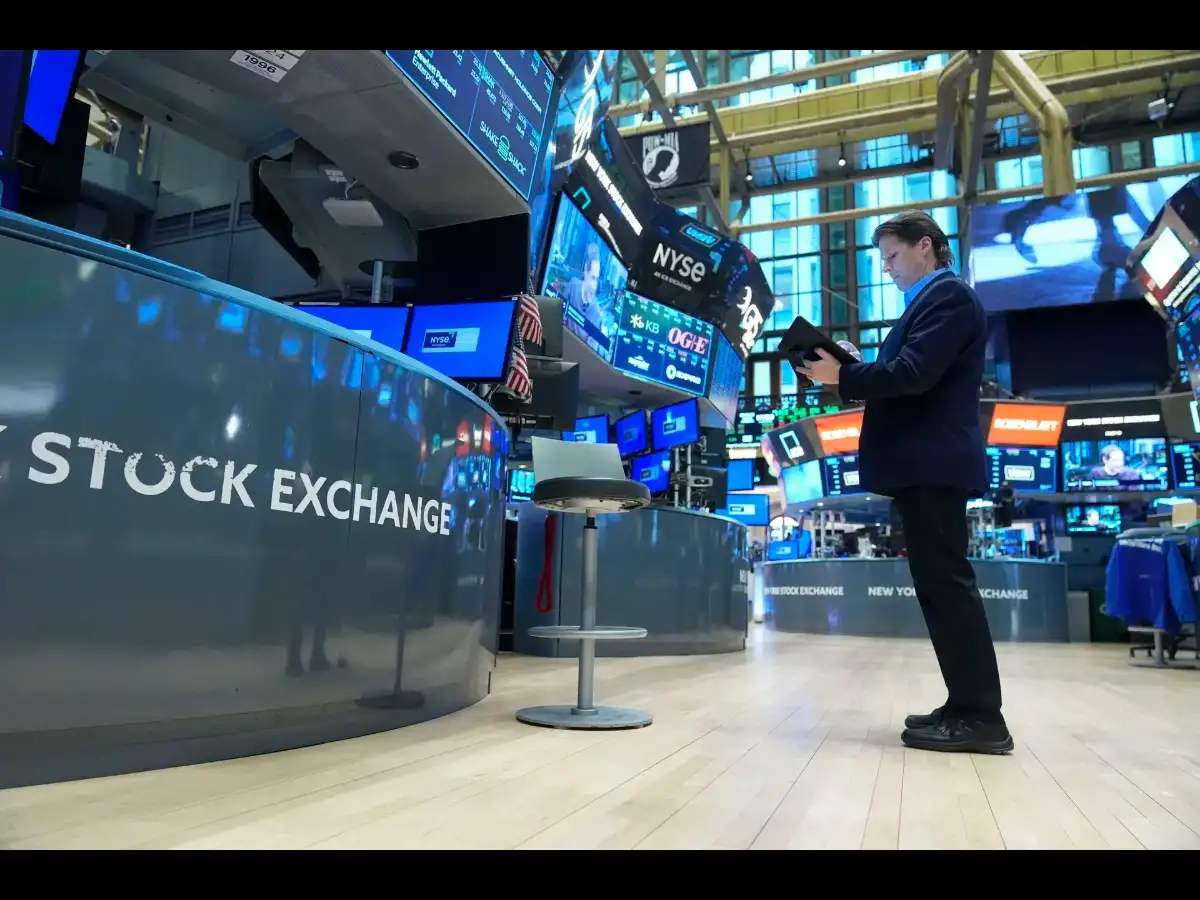
US stocks advanced as technology shares led gains ahead of major corporate earnings and the Federal Reserve's rate decision. Anthropic's IPO filing focused attention on both strong AI demand and the substantial costs of developing the technology, while chip stocks continued to benefit from the investment boom.
Mon 9:41 AMEconomic Times
Retail trading activity has declined as individual investors become more cautious about stocks. The pullback stands out after a sharp period of losses for hedge funds and reduced participation across the market.
Mon 9:37 AMMarketWatch
A dense week of market catalysts could provide clearer evidence about the direction of US stocks by its end.
Mon 9:33 AMMarketWatchColombia is returning to the dollar-bond market for the first time since January as its new administration promises to narrow the widening budget deficit and restore debt sustainability.
Mon 9:31 AMBloomberg Markets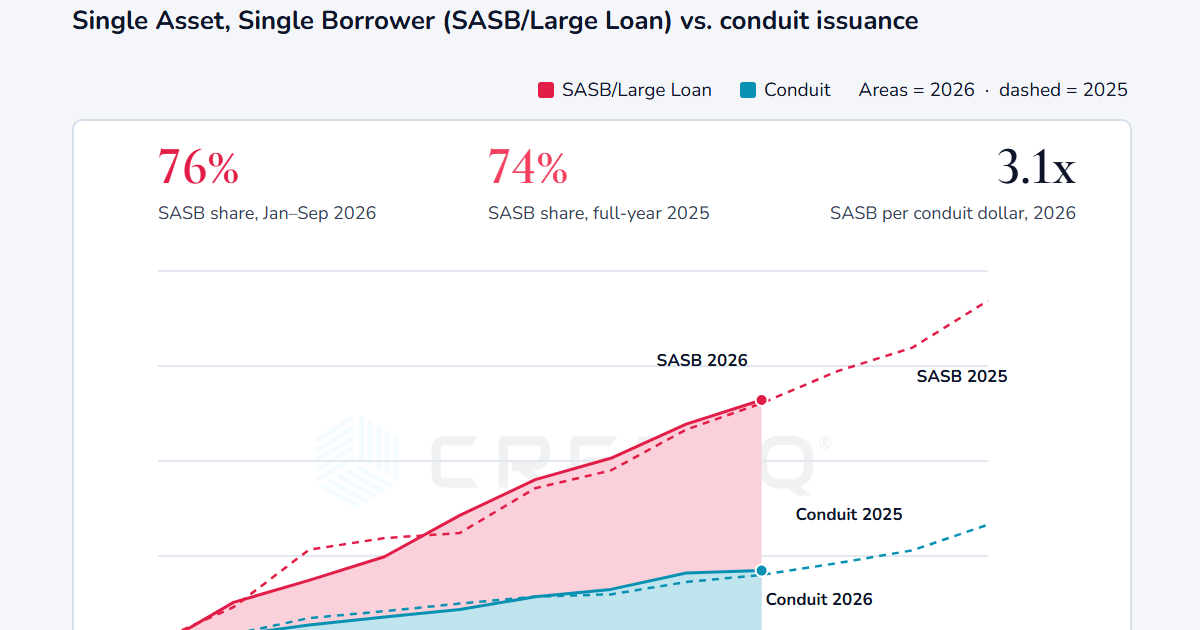
Single-asset, single-borrower deals made up 76 percent of private-label CMBS issuance through September 2026. Issuance has shifted toward apartment and hotel properties, with seven banks accounting for most of the volume, including a $3.05 billion deal backed by the Cosmopolitan of Las Vegas.
Mon 8:55 AMHousing WireMarkets expect the Federal Reserve to leave interest rates unchanged at this week's meeting, while economist Neil Dutta argues that a rate increase could make sense as a risk-management measure.
Mon 8:50 AMBloomberg Markets
Indian government bonds fell as higher oil prices weakened sentiment and pressured the rupee for a third straight session. Investors are weighing the prospect of rate hikes after the Reserve Bank of India raised its inflation forecast and projected a peak near 6%.
Mon 7:51 AMEconomic Times
China’s central bank launched a swap facility that gives bank wealth-management subsidiaries and public fund managers access to central bank bills. They can use those bills to finance purchases of eligible bonds or units facing redemptions and pledge the assets for central bank support.
Mon 7:30 AMEconomic Times
Bitcoin traded near $80,000 and Ethereum around $2,327 as macroeconomic uncertainty and geopolitical risks restrained crypto sentiment. Investors focused on Federal Reserve signals, ETF flows, inflation data and options expiry, while altcoin performance remained mixed.
Mon 7:28 AMEconomic Times
Markets are finding some support from ongoing talks between Saudi Arabia and Iran, while Moody’s kept France’s credit rating unchanged despite the recent unrest.
Mon 7:25 AMFortune
Yardeni Research says a surprise Federal Reserve rate decision or tighter constraints on artificial intelligence could create buying opportunities by forcing prices lower.
Mon 6:58 AMMarketWatch
European shares were little changed as investors assessed corporate earnings and political uncertainty in France. Lower oil prices, supported by hopes of easing US-Iran tensions, lifted travel and leisure stocks while energy shares fell.
Mon 6:51 AMEconomic Times
Rising bond yields, inflation and currency volatility are increasing pressure on Asia-focused banks ahead of third-quarter earnings. HSBC, Standard Chartered and DBS face potential profitability and capital strain, while Japanese and Southeast Asian lenders contend with bond losses, funding pressure and uncertain economic conditions.
Mon 6:48 AMEconomic Times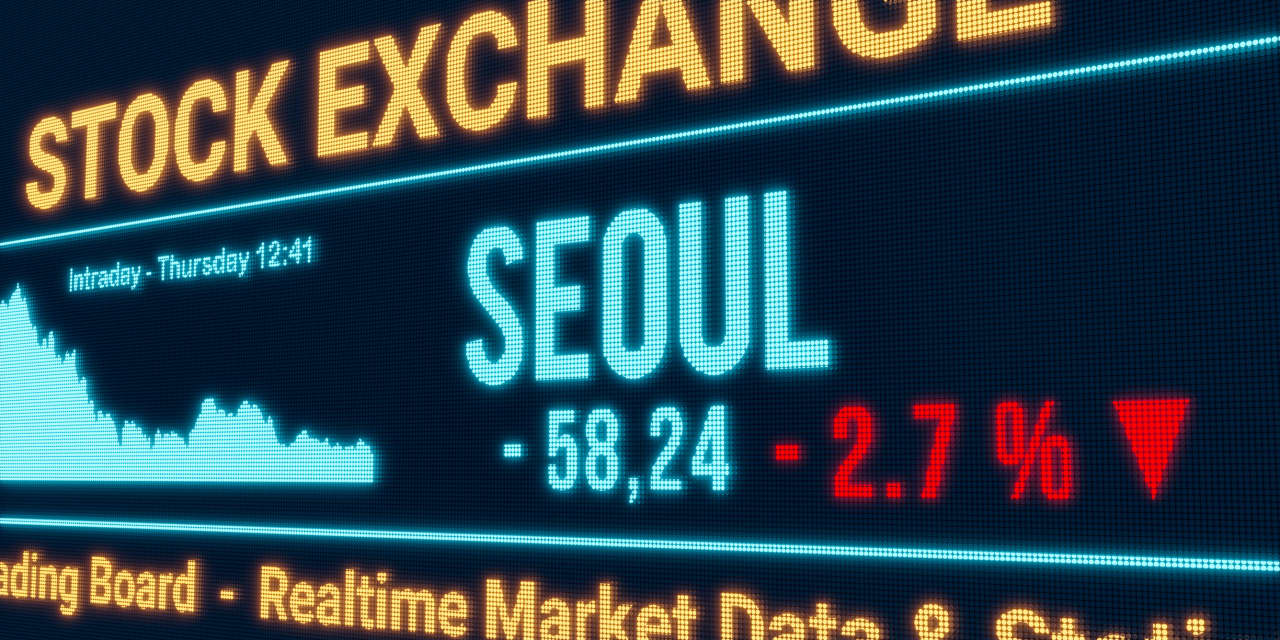
Goldman Sachs cut its target for South Korea’s Kospi index by 25% as lower acceptable growth multiples for AI stocks and higher volatility weakened the market outlook.
Mon 6:43 AMMarketWatchPension systems worldwide face mounting strain as people live longer and birth rates decline. The demographic shift threatens to increase retirement costs while shrinking the workforce that finances them.
Mon 6:39 AMCNBCSummary
Brazilian markets fell as investors priced in greater fiscal strain under Luiz Inácio Lula da Silva. Many had positioned for a victory by Jair Bolsonaro, viewed as more willing to address the budget deficit.
The selloff reflects a loss of confidence in Brazil's fiscal trajectory, not just a change
Unlock the full First Pass Analysis to get a better understanding of why this story mattersWhy it matters
Brazil's market reaction will pressure the new government to establish fiscal credibility before borrowing costs rise further.
4 stories · 3 sources
Summary
Unlock completed a $433.1 million securitization backed by 4,474 home equity agreements that it originated and manages. The transaction brings home equity agreements into the structured-finance market as a distinct asset class.
The deal gives Unlock capital-markets funding for a portfolio of agreements tied to future home-price
Unlock the full First Pass Analysis to get a better understanding of why this story mattersWhy it matters
Securitization could accelerate the growth of home equity agreements while making investor demand and housing-market performance more important to their availability.
Summary
Mortgage rates may remain above 7% as persistent inflation and competition for investor capital keep longer-term interest rates elevated. Economists say those forces are limiting the prospect of a quick decline in borrowing costs.
The key change is that mortgage rates now reflect a durable rise in long-term yields
Unlock the full First Pass Analysis to get a better understanding of why this story mattersWhy it matters
A prolonged period above 7% would reset housing demand and prices around much tighter financing conditions.
Summary
US stocks advanced as technology shares led gains ahead of major corporate earnings and the Federal Reserve's rate decision. Anthropic's IPO filing focused attention on both strong AI demand and the substantial costs of developing the technology, while chip stocks continued to benefit from the investment boom.
The IPO filing shifts the AI trade toward a harder question: whether rapidly rising infrastructure
Unlock the full First Pass Analysis to get a better understanding of why this story mattersWhy it matters
AI enthusiasm is broadening from a demand story into a test of margins, cash flow, and valuation.
3 stories · 2 sources
Summary
Retail trading activity has declined as individual investors become more cautious about stocks. The pullback stands out after a sharp period of losses for hedge funds and reduced participation across the market.
Retail investors are withdrawing liquidity at a time when institutional losses may already be reducing
Unlock the full First Pass Analysis to get a better understanding of why this story mattersWhy it matters
A weaker retail bid removes an important stabilizing force from an already fragile market.
Summary
A dense week of market catalysts could provide clearer evidence about the direction of US stocks by its end.
The market now faces enough economic and corporate signals to challenge its recent trend rather
Unlock the full First Pass Analysis to get a better understanding of why this story mattersWhy it matters
Several closely timed catalysts could turn uncertainty about market direction into a clearer repricing.
Summary
Colombia is returning to the dollar-bond market for the first time since January as its new administration promises to narrow the widening budget deficit and restore debt sustainability.
The bond sale tests whether investors will finance Colombia on acceptable terms while fiscal credibility
Unlock the full First Pass Analysis to get a better understanding of why this story mattersWhy it matters
Colombia's external borrowing costs will signal how much confidence markets place in its fiscal reset.
Summary
Single-asset, single-borrower deals made up 76 percent of private-label CMBS issuance through September 2026. Issuance has shifted toward apartment and hotel properties, with seven banks accounting for most of the volume, including a $3.05 billion deal backed by the Cosmopolitan of Las Vegas.
SASB concentration has made the CMBS market more dependent on a small group of banks
Unlock the full First Pass Analysis to get a better understanding of why this story mattersWhy it matters
A concentrated CMBS market can support issuance while making disruptions at a few large properties or banks more consequential.
Summary
Markets expect the Federal Reserve to leave interest rates unchanged at this week's meeting, while economist Neil Dutta argues that a rate increase could make sense as a risk-management measure.
A pause would push the policy debate toward December rather than signal that inflation risks
Unlock the full First Pass Analysis to get a better understanding of why this story mattersWhy it matters
The timing of the next hike matters less than whether markets are underpricing how long restrictive policy will last.
Summary
Indian government bonds fell as higher oil prices weakened sentiment and pressured the rupee for a third straight session. Investors are weighing the prospect of rate hikes after the Reserve Bank of India raised its inflation forecast and projected a peak near 6%.
Oil is tightening India's policy tradeoff by worsening both imported inflation and external financing pressure.
Unlock the full First Pass Analysis to get a better understanding of why this story mattersWhy it matters
India's bond and currency markets now depend heavily on whether the oil shock remains temporary or becomes embedded in inflation.
Summary
China’s central bank launched a swap facility that gives bank wealth-management subsidiaries and public fund managers access to central bank bills. They can use those bills to finance purchases of eligible bonds or units facing redemptions and pledge the assets for central bank support.
The facility expands the central bank’s liquidity backstop beyond traditional banks and targets forced selling
Unlock the full First Pass Analysis to get a better understanding of why this story mattersWhy it matters
China is building a direct firewall against bond-market contagion before liquidity stress spreads through non-bank institutions.
Summary
Bitcoin traded near $80,000 and Ethereum around $2,327 as macroeconomic uncertainty and geopolitical risks restrained crypto sentiment. Investors focused on Federal Reserve signals, ETF flows, inflation data and options expiry, while altcoin performance remained mixed.
Crypto prices are holding near key levels, but the market lacks a clear catalyst for
Unlock the full First Pass Analysis to get a better understanding of why this story mattersWhy it matters
Crypto remains tied to global liquidity conditions, leaving prices vulnerable to any shift in rate expectations or institutional flows.
Summary
Markets are finding some support from ongoing talks between Saudi Arabia and Iran, while Moody’s kept France’s credit rating unchanged despite the recent unrest.
The immediate shift is a modest reduction in geopolitical and sovereign-risk pressure, not a reversal
Unlock the full First Pass Analysis to get a better understanding of why this story mattersWhy it matters
Geopolitical relief may steady markets, but it does not resolve the concentration and valuation risks exposed by the tech decline.
Summary
Yardeni Research says a surprise Federal Reserve rate decision or tighter constraints on artificial intelligence could create buying opportunities by forcing prices lower.
The argument assumes a shock would produce a valuation reset rather than a lasting deterioration
Unlock the full First Pass Analysis to get a better understanding of why this story mattersWhy it matters
Investors are framing volatility as a potential opportunity, but only if the shocks remain contained.
Summary
European shares were little changed as investors assessed corporate earnings and political uncertainty in France. Lower oil prices, supported by hopes of easing US-Iran tensions, lifted travel and leisure stocks while energy shares fell.
The market is rotating toward lower fuel costs rather than taking a broad view on
Unlock the full First Pass Analysis to get a better understanding of why this story mattersWhy it matters
Oil’s decline is redistributing gains across sectors, while France’s instability keeps a lid on broader European risk-taking.
Summary
Rising bond yields, inflation and currency volatility are increasing pressure on Asia-focused banks ahead of third-quarter earnings. HSBC, Standard Chartered and DBS face potential profitability and capital strain, while Japanese and Southeast Asian lenders contend with bond losses, funding pressure and uncertain economic conditions.
Higher yields are turning bond portfolios and funding structures into immediate earnings risks for regional
Unlock the full First Pass Analysis to get a better understanding of why this story mattersWhy it matters
The earnings season could expose how quickly higher rates are shifting from a benefit for banks to a balance-sheet liability.
Summary
Goldman Sachs cut its target for South Korea’s Kospi index by 25% as lower acceptable growth multiples for AI stocks and higher volatility weakened the market outlook.
The forecast cut shows that AI enthusiasm is facing a valuation test even in a
Unlock the full First Pass Analysis to get a better understanding of why this story mattersWhy it matters
South Korean equities offer an early read on whether the global AI trade is shifting from growth optimism to valuation discipline.
Summary
Pension systems worldwide face mounting strain as people live longer and birth rates decline. The demographic shift threatens to increase retirement costs while shrinking the workforce that finances them.
The problem is structural, not cyclical: fewer workers must support more retirees for longer periods.
Unlock the full First Pass Analysis to get a better understanding of why this story mattersWhy it matters
Pension shortfalls could become a long-term fiscal burden and redirect savings, labor, and capital across global markets.
Oct 19 - 25, 2026
AI doubts turned a technology selloff into a global risk event
Concern that massive AI spending will not produce adequate returns spread from technology stocks into credit, infrastructure providers and wider risk assets. By week’s end, investors were cutting exposure ahead of major earnings and policy tests, while defensive assets attracted flows.
8 threads
Dive DeeperRecent days
Make it yours
Pick your topics, set your cadence, and receive your personalized First Pass in your inbox. It’s that simple!