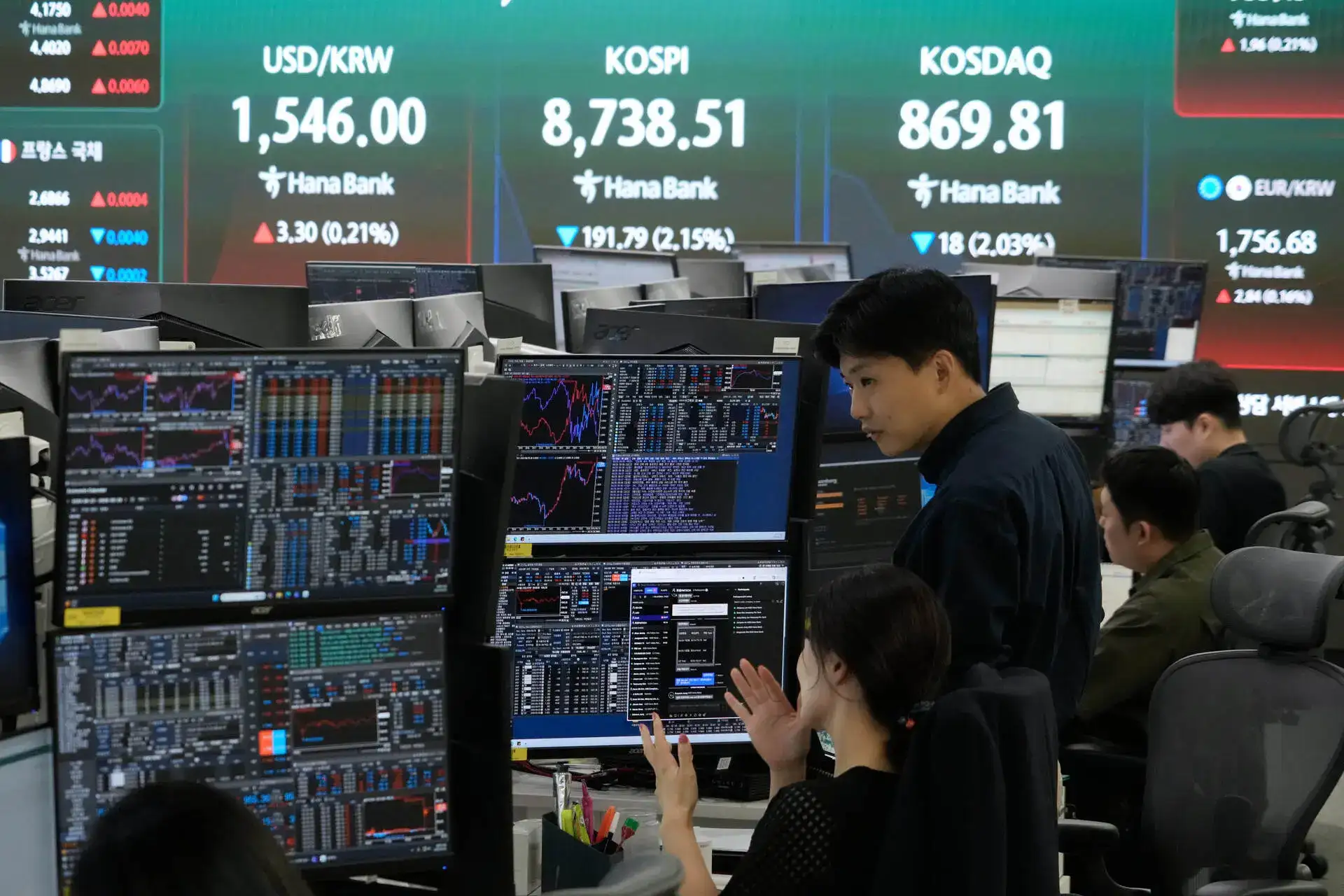
MSCI's Asia Pacific equities gauge fell 0.2% as investors positioned ahead of the busiest earnings week of the season in Asia. U.S. equity-index futures gave up earlier gains and traded little changed.
8:44 PMEconomic Times31 stories from 7 sources
Supporting Articles
MSCI's Asia Pacific equities gauge fell 0.2% as investors positioned ahead of the busiest earnings week of the season in Asia. U.S. equity-index futures gave up earlier gains and traded little changed.
8:44 PMEconomic Times
US equity futures rose while crude oil prices eased after a volatile week. Investors are preparing for megacap earnings and major central bank decisions that could test the artificial intelligence trade.
6:09 PMBloomberg MarketsJim Cramer argues that the artificial intelligence trade has weakened but remains worth holding selectively. He outlines how he is responding to the selloff while allowing for further losses.
5:13 PMCNBC
More than a third of S&P 500 companies are set to report earnings during a week marked by cautious to negative investor sentiment. Strategists expect the concentration of results to make the market especially sensitive to corporate guidance and surprises.
10:00 AMMarketWatch
Major currencies traded in narrow ranges ahead of meetings by five major central banks, with investors focused on forward guidance. Oil prices eased from a six-month high, while elevated Treasury yields continued to reflect inflation concerns tied to energy costs.
10:07 PMEconomic Times
The Federal Reserve is widely expected to leave interest rates unchanged at its upcoming meeting while keeping open the possibility of a later increase. Officials will weigh persistent inflation against economic data and the political sensitivity of policy decisions before the midterm elections.
9:44 PMEconomic TimesFederal Reserve policymakers are widely expected to hold rates steady after September's first increase since 2023, even with inflation above target. Investors will focus on Chair Kevin Warsh's guidance for signs of another hike and on how he plans to reshape the central bank's policy framework.
9:48 AMBloomberg Markets
The article argues that investors should look beyond the federal funds rate when assessing the Federal Reserve's next decision. Broader financial conditions provide a better signal of how monetary policy is affecting the economy.
7:30 AMMarketWatchLarge asset managers are increasing their exposure to emerging-market bonds even as US Treasury yields rise. The shift breaks from the usual pattern in which higher Treasury yields draw capital away from developing economies.
8:30 AMBloomberg MarketsInvestors including JPMorgan Asset Management, Generali and Ninety One are adding emerging-market debt despite a sharp rise in Treasury yields. The buying reflects growing concern about fiscal risks in developed economies and a search for higher returns elsewhere.
8:30 AMBloomberg MarketsEmerging-market stocks opened the week lower as investors awaited earnings from major technology companies for signs that the battered artificial intelligence trade can recover. Brazil also drew attention after Lula's election victory, which lifted expectations for closer ties with China.
11:53 PMBloomberg MarketsSoybean futures fell to a two-month low after Luiz Inacio Lula da Silva's election victory improved expectations for Brazil-China trade ties. The shift threatens to reduce US soybean sales to the world's largest importer.
11:18 PMBloomberg MarketsLuiz Inácio Lula da Silva won Brazil’s election in a surprise victory over Flávio Bolsonaro, the candidate favored by many investors. Traders expect sharp losses across Brazilian assets when markets reopen.
9:21 PMBloomberg Markets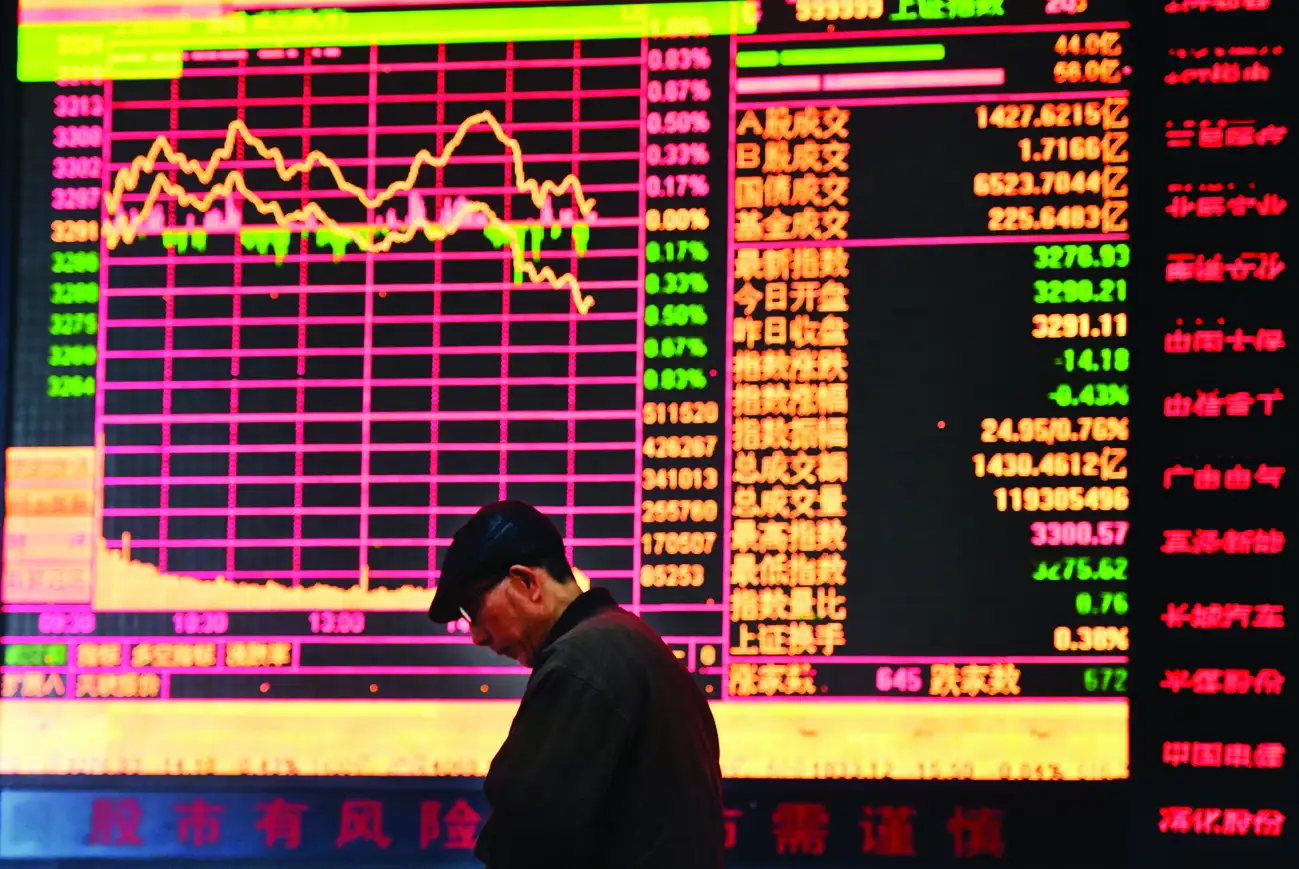
Chinese equities have lost $3.5 trillion since May as weak demand, intense competition and falling profits pressure companies across sectors. Disappointing third-quarter results, including among major technology firms, are forcing some businesses to seek additional funding while consumption remains weak.
9:36 PMEconomic Times
India’s benchmark 10-year government bond yield has reached a three-year high and could rise to 7.75% by December. Higher crude prices, tight liquidity, heavy bond supply, possible monetary tightening and foreign investor selling are adding to the pressure.
9:05 PMEconomic TimesCopper extended its decline as pressure on artificial intelligence stocks weakened broader risk appetite ahead of the Federal Reserve's policy meeting. The move linked industrial metals to the broader retreat from growth-sensitive assets.
11:52 PMBloomberg MarketsAsset managers built a record net short position in the Australian dollar in the week ended Oct. 20. Rising Middle East tensions and concerns about the artificial intelligence trade pushed investors away from the risk-sensitive currency.
9:44 PMBloomberg Markets
Gold slipped toward a three-month low as investors positioned for the Federal Reserve’s policy meeting. Markets see little chance of a hike this week but assign greater odds to a December increase, while oil prices retreated after a recent surge.
9:54 PMEconomic TimesSummary
MSCI's Asia Pacific equities gauge fell 0.2% as investors positioned ahead of the busiest earnings week of the season in Asia. U.S. equity-index futures gave up earlier gains and traded little changed.
Investors are reducing risk ahead of major technology earnings as doubts about AI valuations weigh
Unlock the full First Pass Analysis to get a better understanding of why this story mattersWhy it matters
Big tech earnings will test whether AI spending can justify elevated market expectations.
Summary
US equity futures rose while crude oil prices eased after a volatile week. Investors are preparing for megacap earnings and major central bank decisions that could test the artificial intelligence trade.
The market is entering a two-part test: earnings must justify elevated AI valuations while central
Unlock the full First Pass Analysis to get a better understanding of why this story mattersWhy it matters
The next batch of earnings and policy decisions will determine whether the AI rally broadens or becomes more fragile.
Summary
Jim Cramer argues that the artificial intelligence trade has weakened but remains worth holding selectively. He outlines how he is responding to the selloff while allowing for further losses.
The central tension is between near-term valuation pressure and the longer-term investment case for AI
Unlock the full First Pass Analysis to get a better understanding of why this story mattersWhy it matters
A prolonged AI pullback could weigh on major indexes because the theme has become concentrated in a small group of influential companies.
Summary
More than a third of S&P 500 companies are set to report earnings during a week marked by cautious to negative investor sentiment. Strategists expect the concentration of results to make the market especially sensitive to corporate guidance and surprises.
Earnings will test whether current valuations still reflect durable profit growth or overly optimistic expectations.
Unlock the full First Pass Analysis to get a better understanding of why this story mattersWhy it matters
A dense earnings calendar could expose whether market weakness reflects temporary nerves or a deterioration in corporate fundamentals.
Summary
Major currencies traded in narrow ranges ahead of meetings by five major central banks, with investors focused on forward guidance. Oil prices eased from a six-month high, while elevated Treasury yields continued to reflect inflation concerns tied to energy costs.
Markets are waiting for central banks to clarify how much the oil shock will alter
Unlock the full First Pass Analysis to get a better understanding of why this story mattersWhy it matters
Central bank guidance, not the expected rate decisions themselves, will determine the next move across currencies and bonds.
Summary
The Federal Reserve is widely expected to leave interest rates unchanged at its upcoming meeting while keeping open the possibility of a later increase. Officials will weigh persistent inflation against economic data and the political sensitivity of policy decisions before the midterm elections.
A pause would mark a tactical delay, not a clear shift toward easier policy, because
Unlock the full First Pass Analysis to get a better understanding of why this story mattersWhy it matters
Investors must distinguish a temporary pause from the end of the tightening cycle.
Summary
Federal Reserve policymakers are widely expected to hold rates steady after September's first increase since 2023, even with inflation above target. Investors will focus on Chair Kevin Warsh's guidance for signs of another hike and on how he plans to reshape the central bank's policy framework.
The pause will not resolve the tightening debate because inflation remains above the Fed's objective.
Unlock the full First Pass Analysis to get a better understanding of why this story mattersWhy it matters
The Fed's guidance may matter more than the pause itself for borrowing costs and market expectations.
Summary
The article argues that investors should look beyond the federal funds rate when assessing the Federal Reserve's next decision. Broader financial conditions provide a better signal of how monetary policy is affecting the economy.
The key shift is from the policy rate itself to the wider cost and availability
Unlock the full First Pass Analysis to get a better understanding of why this story mattersWhy it matters
The Fed may respond to the economy's effective financial conditions rather than the headline interest rate alone.
Summary
Large asset managers are increasing their exposure to emerging-market bonds even as US Treasury yields rise. The shift breaks from the usual pattern in which higher Treasury yields draw capital away from developing economies.
Investors are distinguishing between US rate risk and the improving relative value of selected emerging
Unlock the full First Pass Analysis to get a better understanding of why this story mattersWhy it matters
A sustained decoupling from Treasuries could lower funding costs for stronger emerging economies and reshape global bond allocations.
Summary
Investors including JPMorgan Asset Management, Generali and Ninety One are adding emerging-market debt despite a sharp rise in Treasury yields. The buying reflects growing concern about fiscal risks in developed economies and a search for higher returns elsewhere.
The traditional Treasury-led hierarchy of bond markets is weakening as investors reassess rich-world deficits and
Unlock the full First Pass Analysis to get a better understanding of why this story mattersWhy it matters
Capital is beginning to price fiscal credibility, not just economic development, across sovereign bond markets.
Summary
Emerging-market stocks opened the week lower as investors awaited earnings from major technology companies for signs that the battered artificial intelligence trade can recover. Brazil also drew attention after Lula's election victory, which lifted expectations for closer ties with China.
The retreat shows that emerging markets remain exposed to shifts in global technology sentiment and
Unlock the full First Pass Analysis to get a better understanding of why this story mattersWhy it matters
Emerging markets face both a global risk reset and country-specific political repricing.
Summary
Soybean futures fell to a two-month low after Luiz Inacio Lula da Silva's election victory improved expectations for Brazil-China trade ties. The shift threatens to reduce US soybean sales to the world's largest importer.
A stronger Brazil-China relationship could redirect more of China's purchases toward Brazilian suppliers and deepen
Unlock the full First Pass Analysis to get a better understanding of why this story mattersWhy it matters
Brazil's closer alignment with China could erode a major outlet for US agricultural exports.
Summary
Luiz Inácio Lula da Silva won Brazil’s election in a surprise victory over Flávio Bolsonaro, the candidate favored by many investors. Traders expect sharp losses across Brazilian assets when markets reopen.
The election overturns the market’s preferred political outcome and removes a major source of support
Unlock the full First Pass Analysis to get a better understanding of why this story mattersWhy it matters
Brazil shows how quickly an unexpected political result can reprice an emerging market.
Summary
Chinese equities have lost $3.5 trillion since May as weak demand, intense competition and falling profits pressure companies across sectors. Disappointing third-quarter results, including among major technology firms, are forcing some businesses to seek additional funding while consumption remains weak.
The selloff is becoming a profit problem rather than a valuation problem, making a durable
Unlock the full First Pass Analysis to get a better understanding of why this story mattersWhy it matters
China’s market decline now reflects deteriorating corporate fundamentals that stimulus alone may not reverse.
Summary
India’s benchmark 10-year government bond yield has reached a three-year high and could rise to 7.75% by December. Higher crude prices, tight liquidity, heavy bond supply, possible monetary tightening and foreign investor selling are adding to the pressure.
The combination of an oil shock and tighter financial conditions is raising both India’s inflation
Unlock the full First Pass Analysis to get a better understanding of why this story mattersWhy it matters
Rising Indian yields threaten to lift financing costs across the economy just as imported inflation is intensifying.
Summary
Copper extended its decline as pressure on artificial intelligence stocks weakened broader risk appetite ahead of the Federal Reserve's policy meeting. The move linked industrial metals to the broader retreat from growth-sensitive assets.
Copper is losing support from both speculative demand and concerns about the global growth outlook.
Unlock the full First Pass Analysis to get a better understanding of why this story mattersWhy it matters
Copper's decline shows how quickly a tech-led risk reversal can spread into the real-economy trade.
Summary
Asset managers built a record net short position in the Australian dollar in the week ended Oct. 20. Rising Middle East tensions and concerns about the artificial intelligence trade pushed investors away from the risk-sensitive currency.
The record short position signals that investors are treating the Australian dollar as a direct
Unlock the full First Pass Analysis to get a better understanding of why this story mattersWhy it matters
Positioning leaves the Australian dollar vulnerable to further declines but also raises the prospect of a sharp short-covering rally.
Summary
Gold slipped toward a three-month low as investors positioned for the Federal Reserve’s policy meeting. Markets see little chance of a hike this week but assign greater odds to a December increase, while oil prices retreated after a recent surge.
Higher expected rates and elevated yields are raising the opportunity cost of holding gold, limiting
Unlock the full First Pass Analysis to get a better understanding of why this story mattersWhy it matters
Gold’s weakness shows that interest-rate expectations are currently outweighing its traditional appeal as a geopolitical hedge.
2 stories · 2 sources
A curated list of other prominent stories from this day.
Goldman Sachs cut its target for South Korea’s Kospi index by 25% to 9,000 while retaining a bullish view on Korean equities. The revised target still implies more than 60% upside from current levels.
8:00 PMCNBCThe yen is becoming a more effective hedge against a market shock tied to artificial intelligence, Goldman Sachs says. Changes in Japan's policy backdrop have reduced the risk that the currency will weaken sharply as global yields rise.
7:22 PMBloomberg MarketsThe baht may be approaching a turning point after an eight-month decline. Analysts expect foreign inflows into Thai bonds and an improving current account to support a recovery.
7:00 PMBloomberg Markets
October consumer sentiment was little changed from September at a revised 48.0, but consumers became less optimistic about the longer-term outlook. Affordability concerns continued to weigh on household confidence, leaving sentiment about 10% below its level a year earlier.
6:29 PMPYMNTS
The article examines speculation that the U.S. could revalue its gold reserves, which are carried at an official price far below their market value. An analyst warns that using the hoard to bolster the dollar or public finances could produce damaging unintended effects.
1:57 PMFortune
Bangladesh is expected to surpass India in per capita GDP this year, according to the forecast discussed in the article. The comparison does not capture the broader differences in economic size, development, or living standards between the two countries.
10:11 AMAl JazeeraJavier Milei's policies have sharply reduced inflation and attracted investment, especially into energy and other export industries. Manufacturing, retail and small businesses remain under pressure, creating a recovery that benefits some sectors and households far more than others.
10:04 AMBloomberg MarketsZero-day options traders are increasingly positioning for the S&P 500 to remain stable, even as other investors brace for sharp moves driven by AI earnings, geopolitics and interest rates. The activity suggests short-term volatility expectations have fallen despite a crowded list of market risks.
10:00 AMBloomberg Markets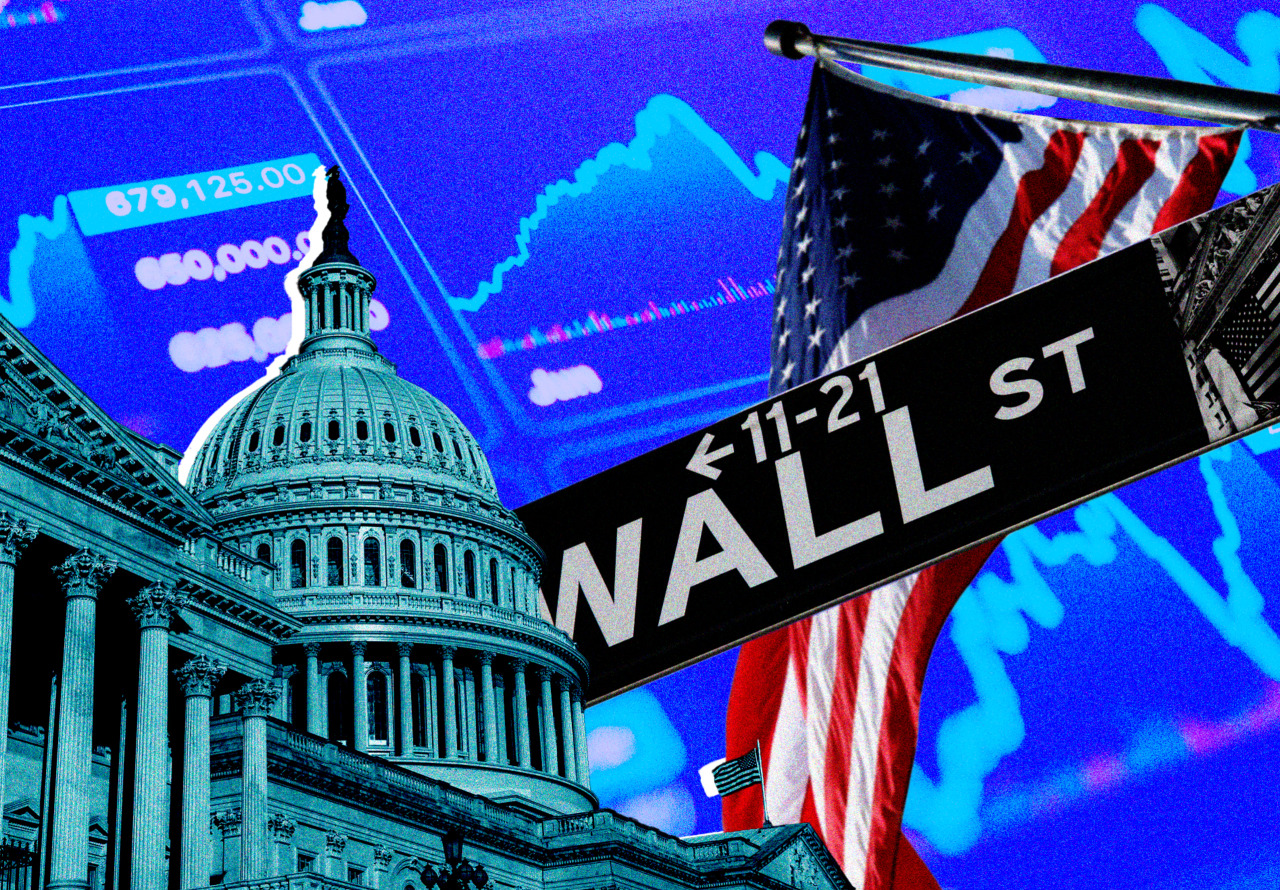
Historical data show that the S&P 500 gained an average of 15.5% in the nine months from Election Day through June 30 between 1950 and the present. The pattern suggests markets often recover after midterm elections regardless of which party wins.
9:00 AMMarketWatch
Stock-market performance has become increasingly disconnected from conditions on Main Street, with artificial intelligence helping widen the gap. The market is responding more to concentrated corporate earnings and technology expectations than to broad measures of economic health.
8:00 AMMarketWatchThe contest to lead the European Central Bank is increasingly being shaped by the need to confront bond-market pressure. The defining question is which candidate can respond most credibly when investors challenge government borrowing costs.
6:00 AMBloomberg MarketsSummary
Goldman Sachs cut its target for South Korea’s Kospi index by 25% to 9,000 while retaining a bullish view on Korean equities. The revised target still implies more than 60% upside from current levels.
The cut reflects a lower near-term market base rather than a retreat from the long-term
Unlock the full First Pass Analysis to get a better understanding of why this story mattersWhy it matters
The call captures the tension between worsening short-term conditions and a still-optimistic structural case for Korean equities.
Summary
The yen is becoming a more effective hedge against a market shock tied to artificial intelligence, Goldman Sachs says. Changes in Japan's policy backdrop have reduced the risk that the currency will weaken sharply as global yields rise.
The key change is a smaller gap between yen performance and global rate moves. That
Unlock the full First Pass Analysis to get a better understanding of why this story mattersWhy it matters
Investors may increasingly use the yen to hedge AI concentration risk rather than relying only on bonds or defensive equities.
Summary
The baht may be approaching a turning point after an eight-month decline. Analysts expect foreign inflows into Thai bonds and an improving current account to support a recovery.
The currency's outlook is shifting from sustained weakness toward support from both portfolio flows and
Unlock the full First Pass Analysis to get a better understanding of why this story mattersWhy it matters
A stronger baht could ease imported inflation and improve Thailand's financial conditions, but it also raises the risk of renewed pressure on exporters.
Summary
October consumer sentiment was little changed from September at a revised 48.0, but consumers became less optimistic about the longer-term outlook. Affordability concerns continued to weigh on household confidence, leaving sentiment about 10% below its level a year earlier.
Stable sentiment is masking a weaker forward view as households remain pressured by prices and
Unlock the full First Pass Analysis to get a better understanding of why this story mattersWhy it matters
The reading points to a fragile consumer foundation that could limit growth and complicate the outlook for inflation and interest rates.
Summary
The article examines speculation that the U.S. could revalue its gold reserves, which are carried at an official price far below their market value. An analyst warns that using the hoard to bolster the dollar or public finances could produce damaging unintended effects.
Repricing gold would be a policy signal, not a free infusion of cash. It could
Unlock the full First Pass Analysis to get a better understanding of why this story mattersWhy it matters
A gold revaluation would expose the growing pressure on policymakers to find credibility and fiscal room without destabilizing the dollar.
Summary
Bangladesh is expected to surpass India in per capita GDP this year, according to the forecast discussed in the article. The comparison does not capture the broader differences in economic size, development, or living standards between the two countries.
The shift reflects Bangladesh’s faster recent growth and smaller population base, not a broad economic
Unlock the full First Pass Analysis to get a better understanding of why this story mattersWhy it matters
Per capita rankings can reshape perceptions of South Asian economic performance, but they are only one measure of prosperity and power.
Summary
Javier Milei's policies have sharply reduced inflation and attracted investment, especially into energy and other export industries. Manufacturing, retail and small businesses remain under pressure, creating a recovery that benefits some sectors and households far more than others.
Argentina's stabilization is producing growth without broad-based relief. Export industries are gaining from investment and
Unlock the full First Pass Analysis to get a better understanding of why this story mattersWhy it matters
Argentina's uneven recovery will test whether market-friendly reforms can secure durable political support.
Summary
Zero-day options traders are increasingly positioning for the S&P 500 to remain stable, even as other investors brace for sharp moves driven by AI earnings, geopolitics and interest rates. The activity suggests short-term volatility expectations have fallen despite a crowded list of market risks.
Options markets are pricing calm where macro narratives imply instability. That positioning can suppress day-to-day
Unlock the full First Pass Analysis to get a better understanding of why this story mattersWhy it matters
Heavy bets on calm can amplify losses when an unexpected catalyst forces rapid hedging.
Summary
Historical data show that the S&P 500 gained an average of 15.5% in the nine months from Election Day through June 30 between 1950 and the present. The pattern suggests markets often recover after midterm elections regardless of which party wins.
The post-midterm rebound reflects reduced political uncertainty and a clearer policy outlook, not a guarantee
Unlock the full First Pass Analysis to get a better understanding of why this story mattersWhy it matters
Election timing may support sentiment, but macro conditions will determine whether history repeats.
Summary
Stock-market performance has become increasingly disconnected from conditions on Main Street, with artificial intelligence helping widen the gap. The market is responding more to concentrated corporate earnings and technology expectations than to broad measures of economic health.
A narrow group of companies can drive index returns even when households and smaller businesses
Unlock the full First Pass Analysis to get a better understanding of why this story mattersWhy it matters
Investors can no longer assume that a strong stock market signals broad economic strength.
Summary
The contest to lead the European Central Bank is increasingly being shaped by the need to confront bond-market pressure. The defining question is which candidate can respond most credibly when investors challenge government borrowing costs.
France's bond selloff has turned the succession from a personnel debate into a test of
Unlock the full First Pass Analysis to get a better understanding of why this story mattersWhy it matters
The next ECB president may be judged less by monetary theory than by the ability to keep sovereign debt markets from destabilizing the currency union.
Make it yours
Pick your topics, set your cadence, and receive your personalized First Pass in your inbox. It’s that simple!