Midterm relief lifts markets while sector and funding risks persist
Day’s Recap
“
”
Supporting Articles
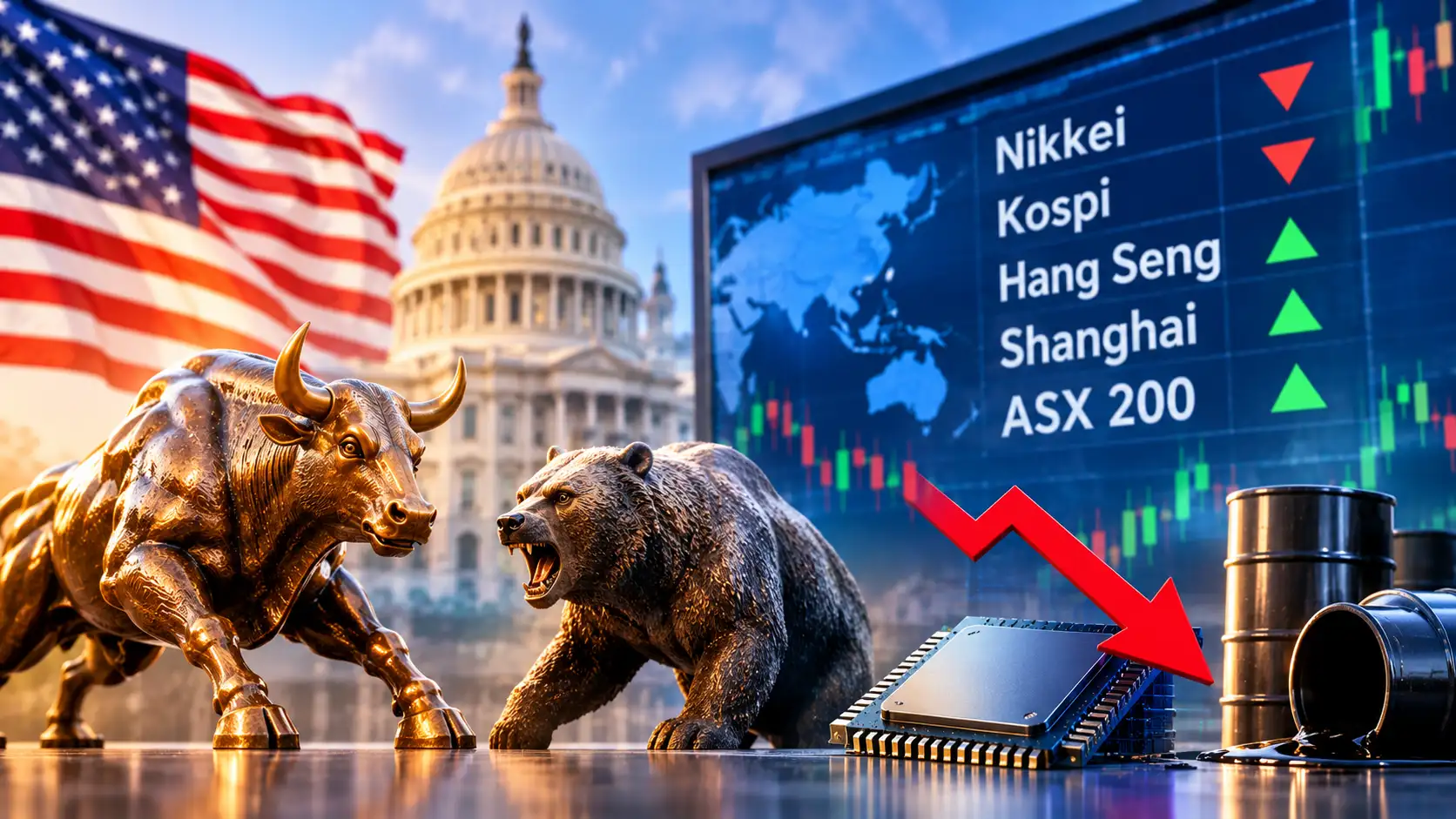
Most Asian markets rose after US stocks rallied following the midterm elections, with the Dow gaining more than 3%. South Korea’s Kospi fell as investors sold chipmakers and other technology stocks, while lower oil prices pressured energy shares.
10:27 PMEconomic Times
Oil prices and parts of Asia’s equity markets fell after the US midterm election results, with Brent crude dropping below $100 a barrel. Investors also reassessed the outlook for US-Iran tensions, while regulatory concerns weighed on South Korea’s technology-heavy index and data-centre stocks.
9:44 PMEconomic Times
Asian stocks mostly rose after the US midterm elections, with Japan and Australia pushing the MSCI Asia Pacific Index 0.3% higher. The gains followed a 1.6% jump in the S&P 500, while South Korea's Kospi fell 2.7% on concerns about data-center regulation and weakness in US chip stocks.
7:54 PMEconomic Times
Treasuries extended their gains after Democratic midterm victories raised expectations that Congress could constrain the Trump administration's tax cuts and spending plans.
10:12 PMBloomberg Markets
The dollar weakened against several major currencies after Democratic victories in the US midterm elections eased fears of political turmoil. Global stocks and US Treasuries rose, while expectations of higher Japanese interest rates supported the yen.
8:54 PMEconomic Times
Stocks surged after Democrats decisively won the 2026 midterms, with Trump's conciliatory response adding to the market's positive reaction.
5:55 PMCNBC
US stocks opened higher after Democrats won control of Congress and President Trump accepted the results. The Nasdaq, Dow, and S&P 500 all gained at the open.
10:39 AMAl Jazeera
Treasury yields declined as investors moved into government bonds after equity futures sold off following major Democratic victories in the US midterm elections. The move reflected a defensive shift in market positioning.
9:53 AMCNBC
Investors are turning to US Treasuries as the midterm results raise the prospect of prolonged fiscal gridlock in Washington. Markets appear to be pricing limited progress on major spending, tax and budget decisions.
7:16 AMFortune
Oil prices fell for a fourth consecutive day as analysts saw a reduced risk that the Iran conflict would escalate after the US congressional elections. Regional crude shipments have recovered, adding to a market surplus and reinforcing downward pressure on prices.
9:25 PMEconomic Times
Yields on short-term debt issued by Chinese banks fell to record lows after the People’s Bank of China made the overnight repo rate its primary policy anchor. Markets interpreted the change as a form of easing.
11:27 PMBloomberg Markets
Ueno Bank was shut down overnight after regulators determined it could no longer meet its obligations, triggering protests across Paraguay. The collapse reportedly put savings representing roughly half the population at risk.
11:11 PMAl Jazeera
Indonesia has begun its first dollar bond sale since MSCI warned it could remove the country’s equities from its global indexes. The offering will test whether concerns about market accessibility and governance have weakened demand for Indonesian assets.
10:26 PMBloomberg Markets
Wheat prices rose as a weaker outlook for Russian exports increased concern about global supply. Ongoing disruptions in the Black Sea are limiting shipments from one of the world’s most important grain-producing regions.
11:46 PMBloomberg Markets
The CFTC has cleared perpetual futures tied to individual stocks for trading on registered US exchanges. The move brings a crypto-market product into regulated equity markets and gives US authorities greater oversight of activity that had largely taken place offshore.
2:42 PMPYMNTS
10:27 PMEconomic Times
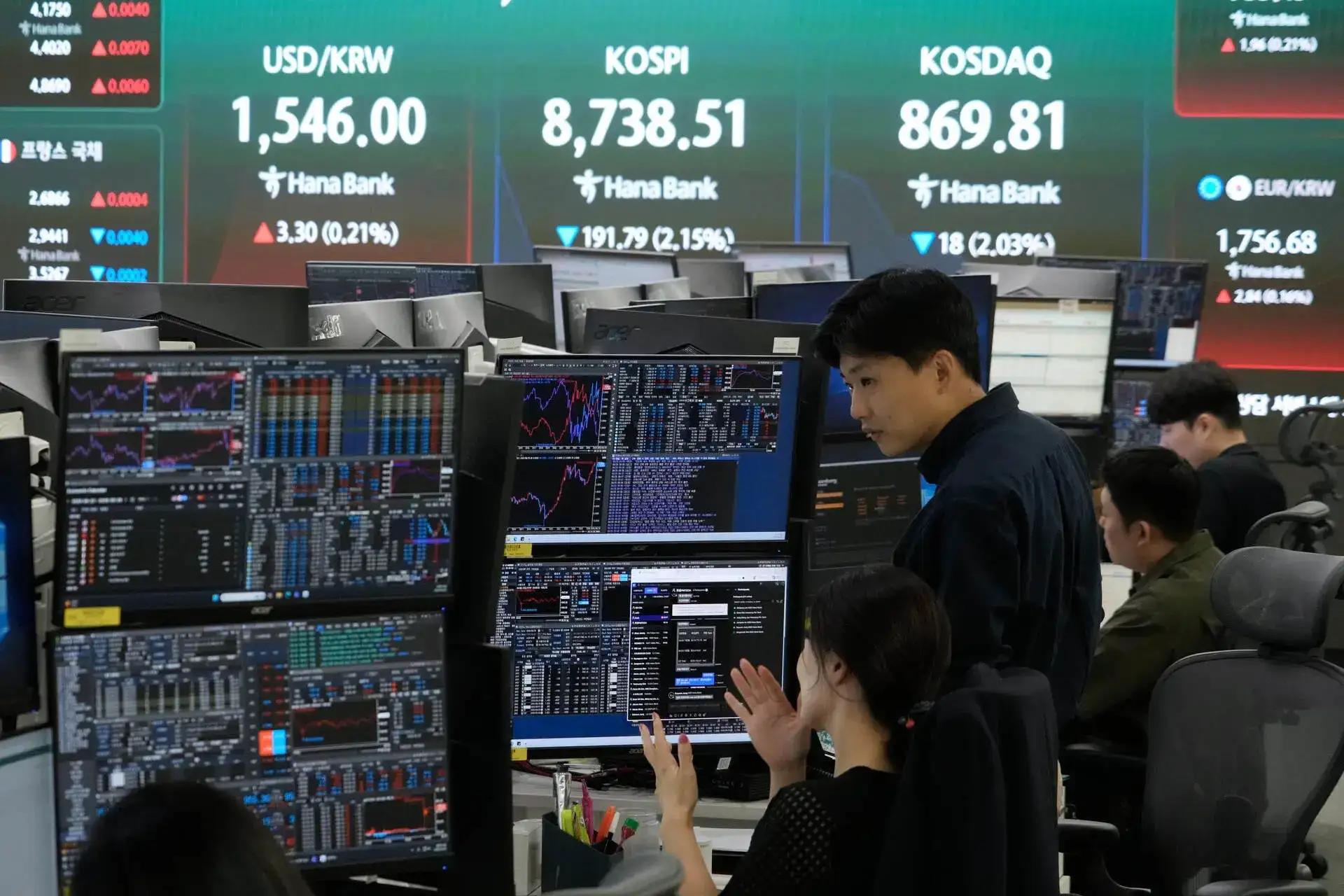
Asian shares mostly advance following US midterms, though Kospi falls on selling of chipmakers
Summary
Most Asian markets rose after US stocks rallied following the midterm elections, with the Dow gaining more than 3%. South Korea’s Kospi fell as investors sold chipmakers and other technology stocks, while lower oil prices pressured energy shares.
The market response reflects a sharp repricing toward US political gridlock and reduced policy risk,
Unlock the full First Pass Analysis to get a better understanding of why this story matters
Why it matters
The split between broad Asian gains and weakness in Korean technology stocks shows that political relief is not overcoming sector-specific valuation and demand concerns.
KOSPI crashes 4% as US midterm shock rattles Asian markets
Summary
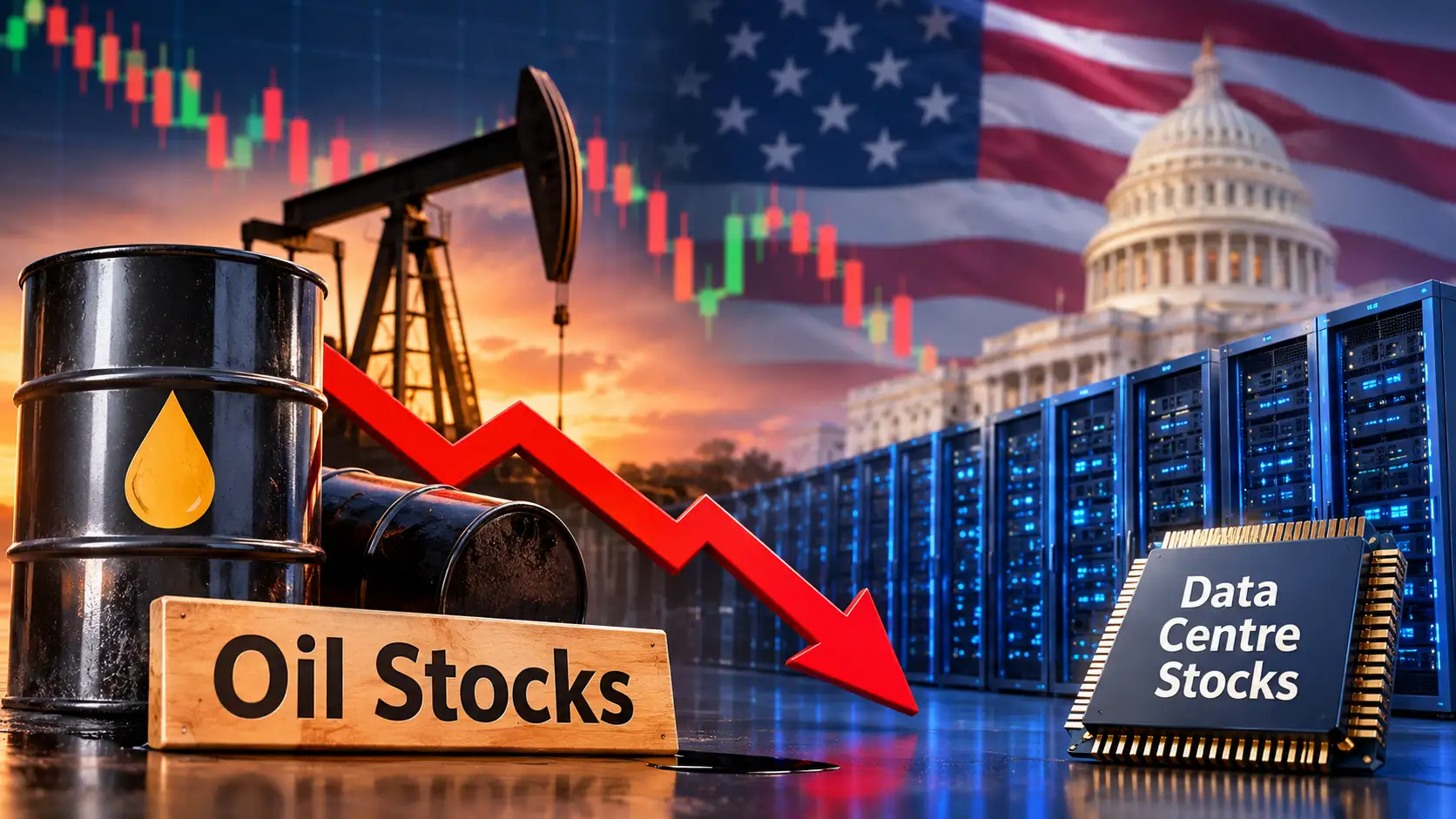
Oil prices and parts of Asia’s equity markets fell after the US midterm election results, with Brent crude dropping below $100 a barrel. Investors also reassessed the outlook for US-Iran tensions, while regulatory concerns weighed on South Korea’s technology-heavy index and data-centre stocks.
The market is repricing both geopolitical risk and politically exposed growth sectors after the elections.
Unlock the full First Pass Analysis to get a better understanding of why this story matters
Why it matters
The election result is influencing markets through two channels: lower potential oil disruption and greater uncertainty for high-growth technology infrastructure.
Global Market Today: Asian stocks rise as oil slides after US midterm elections
Summary
Asian stocks mostly rose after the US midterm elections, with Japan and Australia pushing the MSCI Asia Pacific Index 0.3% higher. The gains followed a 1.6% jump in the S&P 500, while South Korea's Kospi fell 2.7% on concerns about data-center regulation and weakness in US chip stocks.
The market initially treated the results as a broad risk-on signal, reinforced by falling oil
Unlock the full First Pass Analysis to get a better understanding of why this story matters
Why it matters
The uneven regional response warns that cheaper energy and political relief will not offset pressure on chips, data centers and other high-investment sectors.
Treasuries Gain as US Vote Fuels Hopes for Curbing Bond Supply
Summary
Treasuries extended their gains after Democratic midterm victories raised expectations that Congress could constrain the Trump administration's tax cuts and spending plans.
The election reduced the perceived risk of a larger deficit and heavier Treasury issuance. That
Unlock the full First Pass Analysis to get a better understanding of why this story matters
Why it matters
A tighter congressional check on fiscal policy could reshape borrowing costs, deficit expectations, and the bond market's outlook.
Dollar edges lower as US election outcome cheers global markets
Summary
The dollar weakened against several major currencies after Democratic victories in the US midterm elections eased fears of political turmoil. Global stocks and US Treasuries rose, while expectations of higher Japanese interest rates supported the yen.
The election outcome reduced demand for the dollar as a haven and encouraged investors to
Unlock the full First Pass Analysis to get a better understanding of why this story matters
Why it matters
A weaker dollar can ease pressure on emerging markets and commodities, but it also signals that interest-rate and political expectations are being repriced together.
What was really behind Wednesday's monster rally? Trump quickly making peace
Summary
Stocks surged after Democrats decisively won the 2026 midterms, with Trump's conciliatory response adding to the market's positive reaction.
The rally reflects investors pricing in a less disruptive political path after the election, not
Unlock the full First Pass Analysis to get a better understanding of why this story matters
Why it matters
Markets are responding to a change in political risk, but the gains will depend on whether divided government produces stability rather than confrontation.
US markets rise as Democrats sweep midterm elections
Summary
US stocks opened higher after Democrats won control of Congress and President Trump accepted the results. The Nasdaq, Dow, and S&P 500 all gained at the open.
Democratic control of Congress immediately changed the political risk facing markets, while Trump's acceptance reduced
Unlock the full First Pass Analysis to get a better understanding of why this story matters
Why it matters
The results reset expectations for US policy without triggering an immediate market selloff.
US stocks post best day since August after Democrats sweep midterms
Summary
Global stocks fell as Democratic election victories increased expectations that the party could gain greater influence in Congress. Traders worried that this could slow the infrastructure build-out supporting the artificial intelligence investment boom.
The market is repricing AI infrastructure as a political risk, not just a technology and
Unlock the full First Pass Analysis to get a better understanding of why this story matters
Why it matters
Political outcomes are now affecting the valuation and policy assumptions behind one of the market's biggest growth trades.
10-year Treasury yield slips after Democrats win House and Senate majorities
Summary
Treasury yields declined as investors moved into government bonds after equity futures sold off following major Democratic victories in the US midterm elections. The move reflected a defensive shift in market positioning.
The immediate change was a rotation from equities into Treasuries, pushing yields lower and signaling
Unlock the full First Pass Analysis to get a better understanding of why this story matters
Why it matters
The bond rally shows investors treating the election outcome as a near-term risk to equity exposure.
Wall Street seeks shelter in Treasuries as midterms threaten to throw Washington into a fiscal gridlock
Summary
Investors are turning to US Treasuries as the midterm results raise the prospect of prolonged fiscal gridlock in Washington. Markets appear to be pricing limited progress on major spending, tax and budget decisions.
The likely default is congressional paralysis, which reduces the chance of swift fiscal changes but
Unlock the full First Pass Analysis to get a better understanding of why this story matters
Why it matters
A divided government can restrain policy shifts while making basic fiscal decisions harder and more disruptive.
Oil falls for a fourth day on expectations for lower risk of Iran war escalation
Summary
Oil prices fell for a fourth consecutive day as analysts saw a reduced risk that the Iran conflict would escalate after the US congressional elections. Regional crude shipments have recovered, adding to a market surplus and reinforcing downward pressure on prices.
The immediate shift is from pricing in possible supply disruption to pricing in restored flows
Unlock the full First Pass Analysis to get a better understanding of why this story matters
Why it matters
Oil markets are now balancing recovering supply against a fragile geopolitical calm rather than an outright shortage.
China Bank Funding Costs Hit Record Low on PBOC Rate Shift
Summary
Yields on short-term debt issued by Chinese banks fell to record lows after the People’s Bank of China made the overnight repo rate its primary policy anchor. Markets interpreted the change as a form of easing.
The rate framework now gives money markets a clearer signal that the PBOC is willing
Unlock the full First Pass Analysis to get a better understanding of why this story matters
Why it matters
Cheaper bank funding could transmit monetary easing into China’s broader credit system and asset markets.
Paraguay bank collapses with half of population’s savings
Summary
Ueno Bank was shut down overnight after regulators determined it could no longer meet its obligations, triggering protests across Paraguay. The collapse reportedly put savings representing roughly half the population at risk.
The immediate issue is a loss of confidence in Paraguay’s banking system, not just the
Unlock the full First Pass Analysis to get a better understanding of why this story matters
Why it matters
A bank failure affecting such a large share of household savings can quickly become a broader financial and political crisis.
Indonesia Faces Test in First Dollar Bond Since MSCI Threat
Summary
Indonesia has begun its first dollar bond sale since MSCI warned it could remove the country’s equities from its global indexes. The offering will test whether concerns about market accessibility and governance have weakened demand for Indonesian assets.
The bond sale puts foreign investor confidence under immediate scrutiny as Indonesia seeks to contain
Unlock the full First Pass Analysis to get a better understanding of why this story matters
Why it matters
The sale is an early market test of whether MSCI’s threat is becoming a broader funding problem for Indonesia.
Wheat Climbs as Weak Russian Export Outlook Fans Supply Concerns
Summary
Wheat prices rose as a weaker outlook for Russian exports increased concern about global supply. Ongoing disruptions in the Black Sea are limiting shipments from one of the world’s most important grain-producing regions.
The immediate shift is from ample-export assumptions toward tighter near-term availability. Russia’s reduced role leaves
Unlock the full First Pass Analysis to get a better understanding of why this story matters
Why it matters
A prolonged Black Sea supply squeeze could raise global food prices and complicate central banks’ inflation outlooks.
CFTC Brings Crypto-Style Perpetual Futures Into US Equity Markets
Summary
The CFTC has cleared perpetual futures tied to individual stocks for trading on registered US exchanges. The move brings a crypto-market product into regulated equity markets and gives US authorities greater oversight of activity that had largely taken place offshore.
The regulatory shift expands access to leveraged, continuously rolling exposure to individual stocks while moving
Unlock the full First Pass Analysis to get a better understanding of why this story matters
Why it matters
US equity markets are gaining a high-leverage trading product that could increase both liquidity and instability.
A curated list of other prominent stories from this day.
Japan’s 10-year government bond auction drew slightly weaker demand than its 12-month average after a recent decline in yields. The result points to less enthusiasm among investors at current price levels.
10:39 PMBloomberg Markets
Hong Kong stocks are recovering after a weak stretch as investors rotate out of expensive hardware shares and into undervalued Chinese internet companies. The move reflects a broader search for value within China’s technology sector.
10:35 PMBloomberg Markets
Gold rose after its strongest one-day gain since August as the dollar weakened following the US midterm elections. Investors turned to the upcoming US payrolls report for clues about Federal Reserve policy and the metal's next direction.
8:52 PMEconomic Times
Jim Cramer cautioned that investors may be overinterpreting Wall Street's rally after the US midterm elections. He argued that the market's optimism could be running ahead of the election results' concrete economic effects.
6:18 PMCNBC
The next debt-ceiling fight could give Democrats leverage to demand spending concessions from Trump and congressional Republicans. Using that leverage would also raise the risk of market volatility and a potentially damaging default.
5:46 PMCNBC
Markets reacted unevenly after the Democrats' victory: chemical company Mosaic was the strongest-performing S&P 500 stock, while several technology companies and related power providers fell sharply. The moves pointed to a sector-specific response rather than a uniform market surge.
4:55 PMMarketWatch
The election produced sharp gains in some companies and steep declines in others. The moves were concentrated among businesses most exposed to changes in policy, regulation, energy prices and investor expectations.
4:48 PMCNBC
The US stock market is showing an unusual split: the S&P 500 has entered deeply oversold territory while almost half of its constituent stocks remain overbought. The divergence suggests that index-level weakness is masking strong performance in parts of the market.
4:33 PMMarketWatch
The Democrats' election sweep is expected to reshape market expectations for economic policy. Investors are assessing how the result could affect regulation, fiscal policy, corporate sectors, and the broader economic outlook.
2:12 PMMarketWatch
U.S. equities made sharp moves after Democrats won decisively in the midterm elections. The result is prompting investors to reassess the outlook for policy, regulation and sector performance.
12:01 PMCNBC
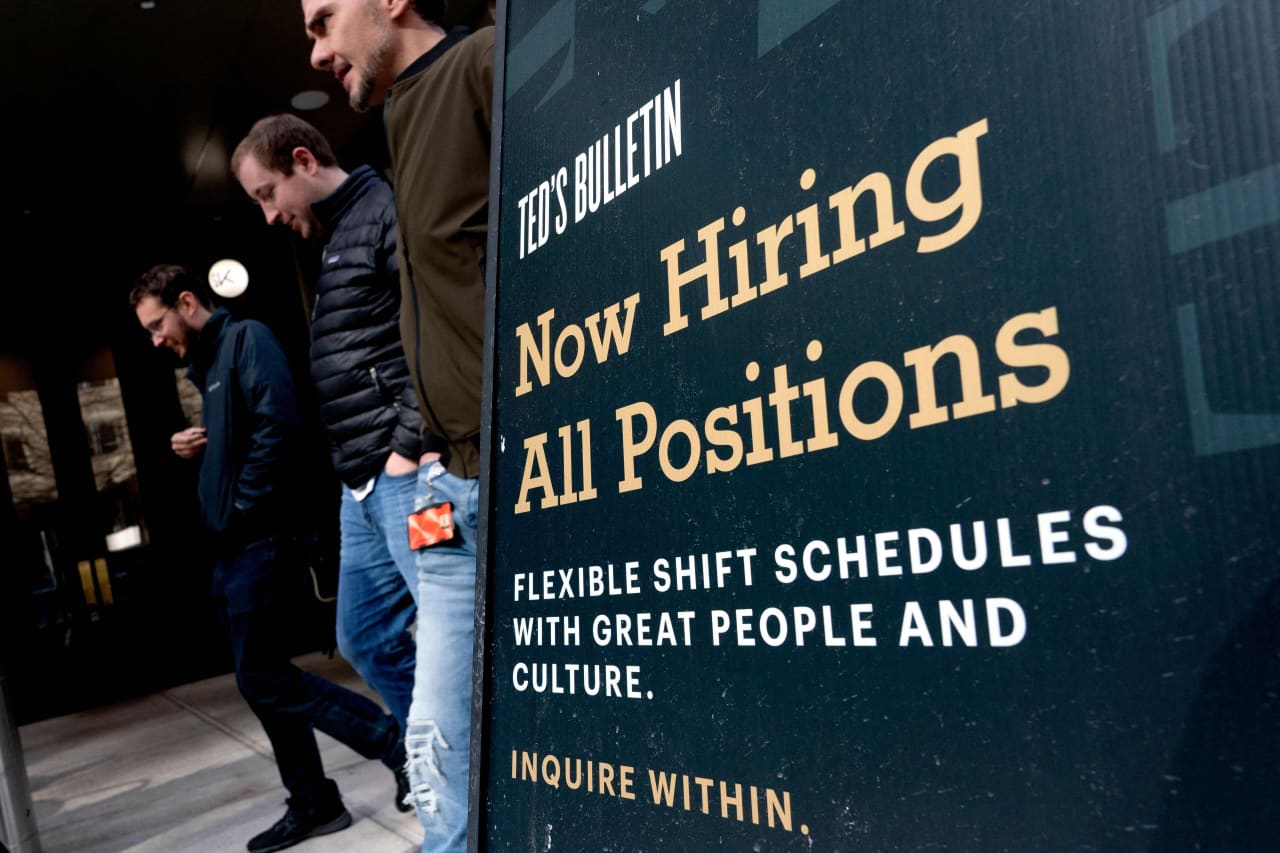
Businesses added 86,000 jobs in October, with more industries reporting hiring gains. Employers remain cautious, keeping overall job growth limited.
8:55 AMMarketWatch
The Treasury's revised guidance creates scope for changes to its debt-financing approach over the coming quarters. The potential adjustments would affect the maturity and composition of new government borrowing rather than immediately changing auction volumes.
8:32 AMMarketWatch
The US midterm results are unlikely to lower corporate borrowing costs, leaving finance chiefs to prepare for continued financial pressure. Advisers recommend stress-testing investments, strengthening liquidity and reassessing spending on artificial intelligence.
8:00 AMFortune
Hamza Lemssouguer’s aggressive trading strategy helped drive his rise but has now exposed his firm to heavy losses. The damage is concentrated in the riskiest parts of the corporate-debt market.
12:00 AMFinancial Times
10:39 PMBloomberg Markets
Japan’s 10-Year Bond Auction Sees Softer Demand as Yields Drop
Summary
Japan’s 10-year government bond auction drew slightly weaker demand than its 12-month average after a recent decline in yields. The result points to less enthusiasm among investors at current price levels.
The auction shows that lower yields have reduced the compensation investors receive for holding long-dated
Unlock the full First Pass Analysis to get a better understanding of why this story matters
Why it matters
Auction demand offers a direct read on how much room Japan’s bond market has for yields to fall.
Hong Kong Stocks Roar Back as Value Rotation Boosts China Tech
Summary
Hong Kong stocks are recovering after a weak stretch as investors rotate out of expensive hardware shares and into undervalued Chinese internet companies. The move reflects a broader search for value within China’s technology sector.
The market leadership shift favors mature platforms over high-expectation hardware names. Investors are demanding less
Unlock the full First Pass Analysis to get a better understanding of why this story matters
Why it matters
The rotation could revive foreign interest in Chinese equities, but it depends on earnings rather than sentiment alone.
Gold rises after biggest daily gain since August, with US payrolls in focus
Summary
Gold rose after its strongest one-day gain since August as the dollar weakened following the US midterm elections. Investors turned to the upcoming US payrolls report for clues about Federal Reserve policy and the metal's next direction.
Gold is responding to a softer dollar and uncertainty over the policy consequences of the
Unlock the full First Pass Analysis to get a better understanding of why this story matters
Why it matters
The payrolls report will test whether gold's rebound reflects a durable change in rate expectations or a short-lived post-election positioning move.
Jim Cramer warns investors may be reading too much into Wall Street's post-election rally
Summary
Jim Cramer cautioned that investors may be overinterpreting Wall Street's rally after the US midterm elections. He argued that the market's optimism could be running ahead of the election results' concrete economic effects.
The rally reflects a rapid repricing of political risk, not a confirmed improvement in earnings,
Unlock the full First Pass Analysis to get a better understanding of why this story matters
Why it matters
The warning points to a market vulnerable to reversal if post-election optimism fails to translate into better fundamentals.
Analysis: The Democrats have one chance to extract concessions from Trump. Markets will hate it
Summary
The next debt-ceiling fight could give Democrats leverage to demand spending concessions from Trump and congressional Republicans. Using that leverage would also raise the risk of market volatility and a potentially damaging default.
The debt ceiling could become Democrats' strongest bargaining tool if they are willing to link
Unlock the full First Pass Analysis to get a better understanding of why this story matters
Why it matters
A fiscal standoff could turn congressional leverage into a direct threat to Treasury markets and broader financial stability.
These stocks soared the most today after the Democrats trounced Trump
Summary
Markets reacted unevenly after the Democrats' victory: chemical company Mosaic was the strongest-performing S&P 500 stock, while several technology companies and related power providers fell sharply. The moves pointed to a sector-specific response rather than a uniform market surge.
Investors are repricing industries according to expected changes in energy, industrial and technology policy. The
Unlock the full First Pass Analysis to get a better understanding of why this story matters
Why it matters
The winners and losers reveal which sectors investors expect to gain or lose from the new political balance.
The election produced sharp gains in some companies and steep declines in others. The moves were concentrated among businesses most exposed to changes in policy, regulation, energy prices and investor expectations.
Election-driven dispersion matters more than the headline index move because it reveals which sectors investors
Unlock the full First Pass Analysis to get a better understanding of why this story matters
Why it matters
The election is reshaping sector leadership, not merely lifting or lowering the broader market.
Big Tech is driving a historic divide in the S&P 500. Why investors need to take notice.
Summary
The US stock market is showing an unusual split: the S&P 500 has entered deeply oversold territory while almost half of its constituent stocks remain overbought. The divergence suggests that index-level weakness is masking strong performance in parts of the market.
The decisive fact is the gap between the benchmark and its individual stocks, which points
Unlock the full First Pass Analysis to get a better understanding of why this story matters
Why it matters
The market may be weaker than its strongest stocks suggest, making index-level signals less reliable.
4 market-moving issues investors should watch now that the midterms are over
Summary
The Democrats' election sweep is expected to reshape market expectations for economic policy. Investors are assessing how the result could affect regulation, fiscal policy, corporate sectors, and the broader economic outlook.
The election changes the policy baseline by increasing the likelihood of tighter oversight and reducing
Unlock the full First Pass Analysis to get a better understanding of why this story matters
Why it matters
The midterm result shifts sector leadership and policy risk across US markets.
What Democrats’ midterm sweep means for your investments
Summary
U.S. equities made sharp moves after Democrats won decisively in the midterm elections. The result is prompting investors to reassess the outlook for policy, regulation and sector performance.
A Democratic sweep changes the policy assumptions embedded in markets, particularly around taxes, regulation and
Unlock the full First Pass Analysis to get a better understanding of why this story matters
Why it matters
Election results can change asset prices before legislation passes because markets trade on expected policy, not just enacted law.
Treasury opens the door to changes in how it finances the growing U.S. debt. Here’s what you need to know.
Summary
The Treasury's revised guidance creates scope for changes to its debt-financing approach over the coming quarters. The potential adjustments would affect the maturity and composition of new government borrowing rather than immediately changing auction volumes.
The important development is the possibility of a future financing redesign as federal borrowing grows.
Unlock the full First Pass Analysis to get a better understanding of why this story matters
Why it matters
A larger and more flexible Treasury borrowing program can influence yields, liquidity and funding costs across global markets.
The midterms won’t ease borrowing costs. Here’s what CFOs should do now
Summary
The US midterm results are unlikely to lower corporate borrowing costs, leaving finance chiefs to prepare for continued financial pressure. Advisers recommend stress-testing investments, strengthening liquidity and reassessing spending on artificial intelligence.
Political clarity does not solve the underlying cost-of-capital problem, so CFOs must manage financing risk
Unlock the full First Pass Analysis to get a better understanding of why this story matters
Why it matters
Persistent borrowing costs could force companies to delay investment, preserve cash and demand clearer returns from strategic spending.
Hamza Lemssouguer’s aggressive trading strategy helped drive his rise but has now exposed his firm to heavy losses. The damage is concentrated in the riskiest parts of the corporate-debt market.
The reversal shows how quickly leverage and concentrated risk can turn a high-performing credit strategy
Unlock the full First Pass Analysis to get a better understanding of why this story matters
Why it matters
The losses expose the fragility of leveraged trading strategies built around the most illiquid credit markets.