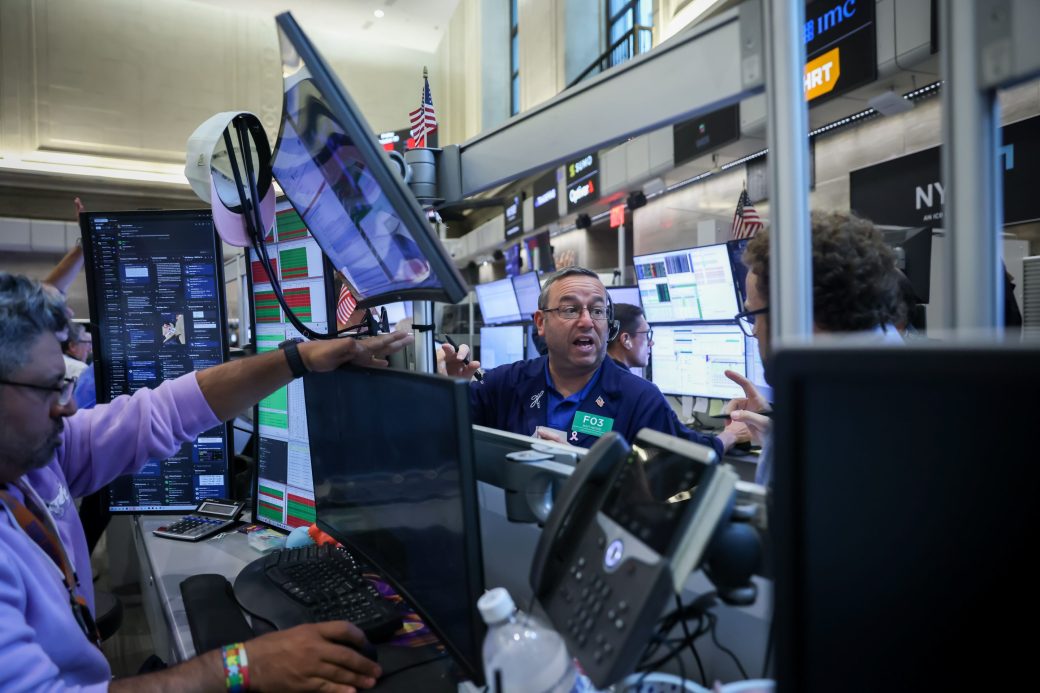
Stock futures fell after a broad Democratic victory, raising concerns that divided or contested control of Washington could disrupt government spending and debt-ceiling negotiations.
11:54 PMFortune92 stories from 8 sources
Supporting Articles
Stock futures fell after a broad Democratic victory, raising concerns that divided or contested control of Washington could disrupt government spending and debt-ceiling negotiations.
11:54 PMFortune
Early Democratic victories in key Senate races increased expectations that the party could gain control of Congress, though the final outcome remained uncertain. Stocks futures fell, Treasury yields declined, and the dollar weakened as markets assessed the prospect of a Democratic sweep.
11:48 PMEconomic Times
Japanese equities fell as early election results pointed to Democratic gains in the United States. Technology stocks led the decline amid concerns that a Democratic-controlled Congress could increase scrutiny of AI companies.
11:45 PMBloomberg MarketsAsian stocks fell to their lowest level in more than six months after Democratic gains in the US midterm elections raised concern about tighter oversight of artificial intelligence. Technology shares led the broader regional decline.
10:52 PMBloomberg Markets
Investors are preparing for midterm results that could influence policy on artificial intelligence, public spending, and other major economic issues. The vote is expected to set the political direction for markets and businesses during the remainder of Trump’s term.
3:25 PMFinancial TimesA particular US midterm election outcome could erase the S&P 500's entire 2026 gain and send the index down 10%, according to the scenario described. The market risk is tied to the political result and its potential policy consequences.
11:00 AMCNBCUS job openings rose by 333,000 in September to 7.52 million, well above the 7.15 million forecast. The increase offered evidence of labor-market strength ahead of the monthly payrolls report.
2:15 PMCNBC
The 30-year fixed mortgage rate stood at 7.38% as markets assessed Federal Reserve comments and a Trump administration directive, with 77% of traders pricing a 25-basis-point rate hike next month.
1:38 PMHousing Wire
U.S. job openings rose in September to their highest level in four months, while hiring also increased. The gains point to a modest improvement in a labor market that remains sluggish.
11:56 AMMarketWatch
Chinese regulators have halted or slowed new stock listings as they seek to support a market that suffered its worst monthly decline in more than a decade, with the CSI 300 falling sharply in October.
1:25 AMFinancial Times
Large technology companies are drawing heavily on bond markets to fund their AI spending, making their debt issuance an increasingly important force in fixed income and the broader economy.
5:06 PMMarketWatch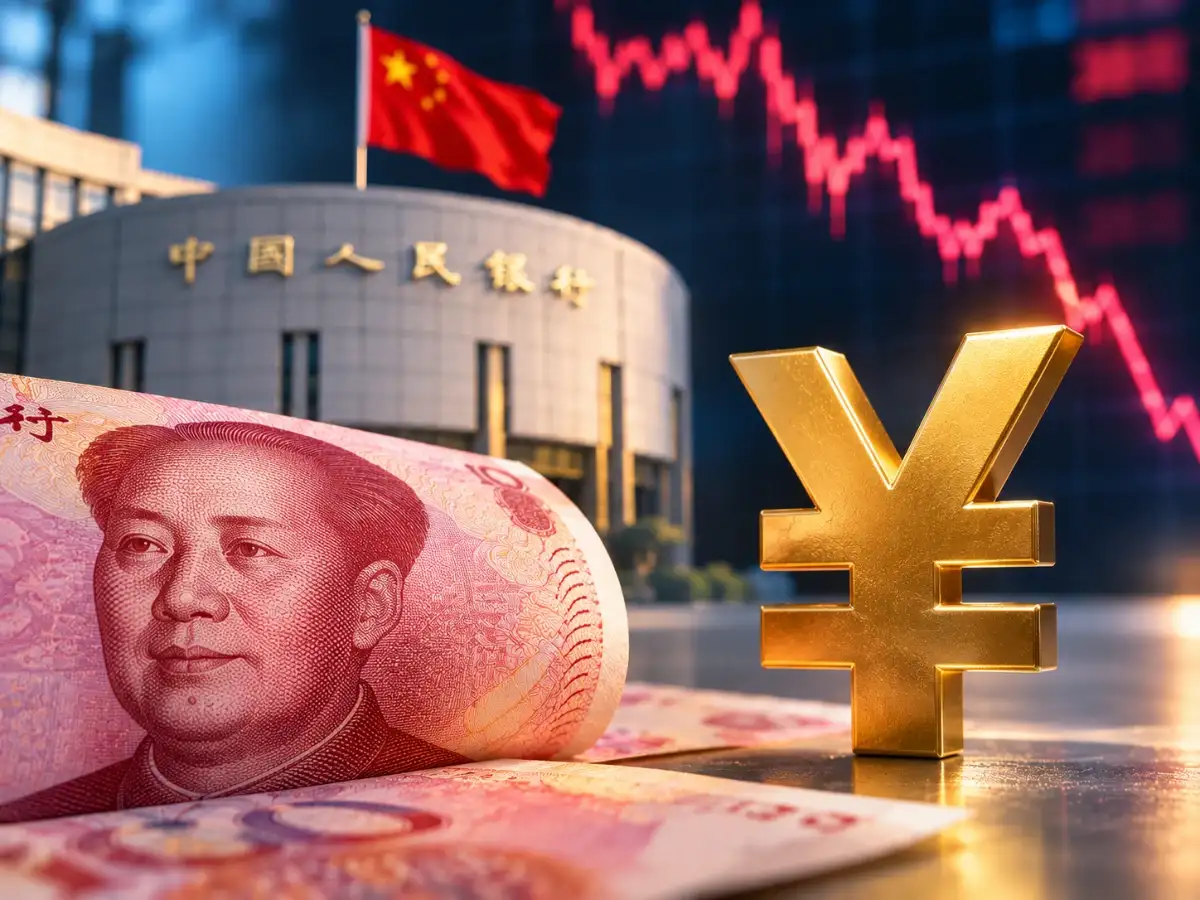
The yuan fell to a more than two-week low against the dollar after the PBOC set a weaker daily fixing and raised foreign-exchange reserve requirements. The measures indicate that Beijing is trying to slow the currency's rapid appreciation.
11:38 PMEconomic TimesChina's services activity grew more slowly than expected, marking its first downturn in momentum since July. Business confidence weakened, while companies cut selling prices even as input costs rose.
10:39 PMBloomberg Markets
MCX silver futures for December 2026 delivery fell Rs 2,000 to Rs 1,77,784 per kilogram, while gold futures slipped marginally to Rs 1,30,300 per 10 grams. Stronger US jobs data increased bets on higher interest rates, pressuring precious metals ahead of Dhanteras.
11:12 PMEconomic Times
Gold has outperformed the Nifty and Sensex since Dhanteras 2025 despite retreating sharply from its January peak. Inflation concerns, Federal Reserve rate expectations and weak demand have clouded the near-term outlook, while major banks still see recovery potential in 2027.
10:55 PMEconomic TimesPalm oil futures fell for a third straight session to their lowest level since mid-June. Rising inventories in Malaysia, the world's second-largest producer, intensified concern that supply is outpacing demand.
11:38 PMBloomberg MarketsSummary
Stock futures fell after a broad Democratic victory, raising concerns that divided or contested control of Washington could disrupt government spending and debt-ceiling negotiations.
Markets are reacting to the prospect of fiscal brinkmanship, not simply to a change in
Unlock the full First Pass Analysis to get a better understanding of why this story mattersWhy it matters
The election is immediately being priced as a risk to fiscal stability and policy predictability.
Summary
Early Democratic victories in key Senate races increased expectations that the party could gain control of Congress, though the final outcome remained uncertain. Stocks futures fell, Treasury yields declined, and the dollar weakened as markets assessed the prospect of a Democratic sweep.
Markets are now pricing a higher chance of unified Democratic control and the policy changes
Unlock the full First Pass Analysis to get a better understanding of why this story mattersWhy it matters
The market reaction shows that election control is already changing expectations for policy, growth, and asset prices before the vote is fully resolved.
Summary
Japanese equities fell as early election results pointed to Democratic gains in the United States. Technology stocks led the decline amid concerns that a Democratic-controlled Congress could increase scrutiny of AI companies.
US AI policy risk has become a direct drag on Japan's technology-heavy equity market. Japanese
Unlock the full First Pass Analysis to get a better understanding of why this story mattersWhy it matters
Japan's market is vulnerable because its AI exposure is tied to US demand and global investor enthusiasm.
2 stories · 2 sources
Summary
Asian stocks fell to their lowest level in more than six months after Democratic gains in the US midterm elections raised concern about tighter oversight of artificial intelligence. Technology shares led the broader regional decline.
The election result has turned AI regulation into a region-wide equity risk rather than a
Unlock the full First Pass Analysis to get a better understanding of why this story mattersWhy it matters
A US regulatory repricing is spreading through Asia's technology supply chain and broad equity benchmarks.
Summary
Investors are preparing for midterm results that could influence policy on artificial intelligence, public spending, and other major economic issues. The vote is expected to set the political direction for markets and businesses during the remainder of Trump’s term.
Control of Congress will determine whether Washington can produce new legislation or remains locked in
Unlock the full First Pass Analysis to get a better understanding of why this story mattersWhy it matters
The election is a policy event for markets because congressional control will shape regulation, government demand, and the probability of fiscal disruption.
Summary
A particular US midterm election outcome could erase the S&P 500's entire 2026 gain and send the index down 10%, according to the scenario described. The market risk is tied to the political result and its potential policy consequences.
The forecast points to a sharp repricing if the election produces an outcome investors view
Unlock the full First Pass Analysis to get a better understanding of why this story mattersWhy it matters
The election creates a defined downside scenario for equities after a period of strong gains.
Summary
US job openings rose by 333,000 in September to 7.52 million, well above the 7.15 million forecast. The increase offered evidence of labor-market strength ahead of the monthly payrolls report.
The stronger openings figure challenges expectations of a rapid cooling in hiring and could keep
Unlock the full First Pass Analysis to get a better understanding of why this story mattersWhy it matters
A hotter labor market strengthens the case for higher-for-longer interest rates and puts upward pressure on Treasury yields.
Summary
The 30-year fixed mortgage rate stood at 7.38% as markets assessed Federal Reserve comments and a Trump administration directive, with 77% of traders pricing a 25-basis-point rate hike next month.
Mortgage rates are holding near elevated levels because markets remain focused on the path of
Unlock the full First Pass Analysis to get a better understanding of why this story mattersWhy it matters
Borrowers are still operating in a high-rate environment that limits housing affordability and market turnover.
Summary
U.S. job openings rose in September to their highest level in four months, while hiring also increased. The gains point to a modest improvement in a labor market that remains sluggish.
The labor market improved at the margin, but the increase in openings and hiring does
Unlock the full First Pass Analysis to get a better understanding of why this story mattersWhy it matters
The data may ease fears of a sharp labor-market deterioration without signaling strong enough hiring to materially improve worker prospects.
Summary
Chinese regulators have halted or slowed new stock listings as they seek to support a market that suffered its worst monthly decline in more than a decade, with the CSI 300 falling sharply in October.
The listing pause prioritizes market stability over capital-market access, reducing near-term supply but exposing the
Unlock the full First Pass Analysis to get a better understanding of why this story mattersWhy it matters
The move underscores the severity of China’s equity slump and the limits of official intervention without broader investor confidence.
Summary
Large technology companies are drawing heavily on bond markets to fund their AI spending, making their debt issuance an increasingly important force in fixed income and the broader economy.
AI investment is now affecting bonds through corporate borrowing as well as equity valuations. Sustained
Unlock the full First Pass Analysis to get a better understanding of why this story mattersWhy it matters
The AI boom is no longer just a stock-market theme; it is changing the supply, pricing, and risk of corporate debt.
Summary
The yuan fell to a more than two-week low against the dollar after the PBOC set a weaker daily fixing and raised foreign-exchange reserve requirements. The measures indicate that Beijing is trying to slow the currency's rapid appreciation.
The policy shift puts a floor under the dollar-yuan exchange rate after the yuan's recent
Unlock the full First Pass Analysis to get a better understanding of why this story mattersWhy it matters
China is prioritizing currency stability and export competitiveness over allowing the yuan to strengthen unchecked.
Summary
China's services activity grew more slowly than expected, marking its first downturn in momentum since July. Business confidence weakened, while companies cut selling prices even as input costs rose.
The loss of services momentum points to softer domestic demand and tighter pressure on profit
Unlock the full First Pass Analysis to get a better understanding of why this story mattersWhy it matters
A weaker services sector adds to evidence that China's recovery remains vulnerable and could weigh on regional growth expectations.
Summary
MCX silver futures for December 2026 delivery fell Rs 2,000 to Rs 1,77,784 per kilogram, while gold futures slipped marginally to Rs 1,30,300 per 10 grams. Stronger US jobs data increased bets on higher interest rates, pressuring precious metals ahead of Dhanteras.
Higher-rate expectations are driving the sharper move in silver, which is typically more sensitive to
Unlock the full First Pass Analysis to get a better understanding of why this story mattersWhy it matters
The market is testing whether festive buying can offset a more hostile global interest-rate backdrop.
Summary
Gold has outperformed the Nifty and Sensex since Dhanteras 2025 despite retreating sharply from its January peak. Inflation concerns, Federal Reserve rate expectations and weak demand have clouded the near-term outlook, while major banks still see recovery potential in 2027.
The key shift is from a broad gold rally to a debate over how far
Unlock the full First Pass Analysis to get a better understanding of why this story mattersWhy it matters
Gold remains a strong annual performer, but near-term returns now depend more on rates and demand than on momentum.
Summary
Palm oil futures fell for a third straight session to their lowest level since mid-June. Rising inventories in Malaysia, the world's second-largest producer, intensified concern that supply is outpacing demand.
The market has shifted from supply tightness toward inventory overhang. Larger Malaysian stockpiles create pressure
Unlock the full First Pass Analysis to get a better understanding of why this story mattersWhy it matters
Palm oil's decline shows that improving availability is overpowering seasonal and broader commodity support.
A curated list of other prominent stories from this day.
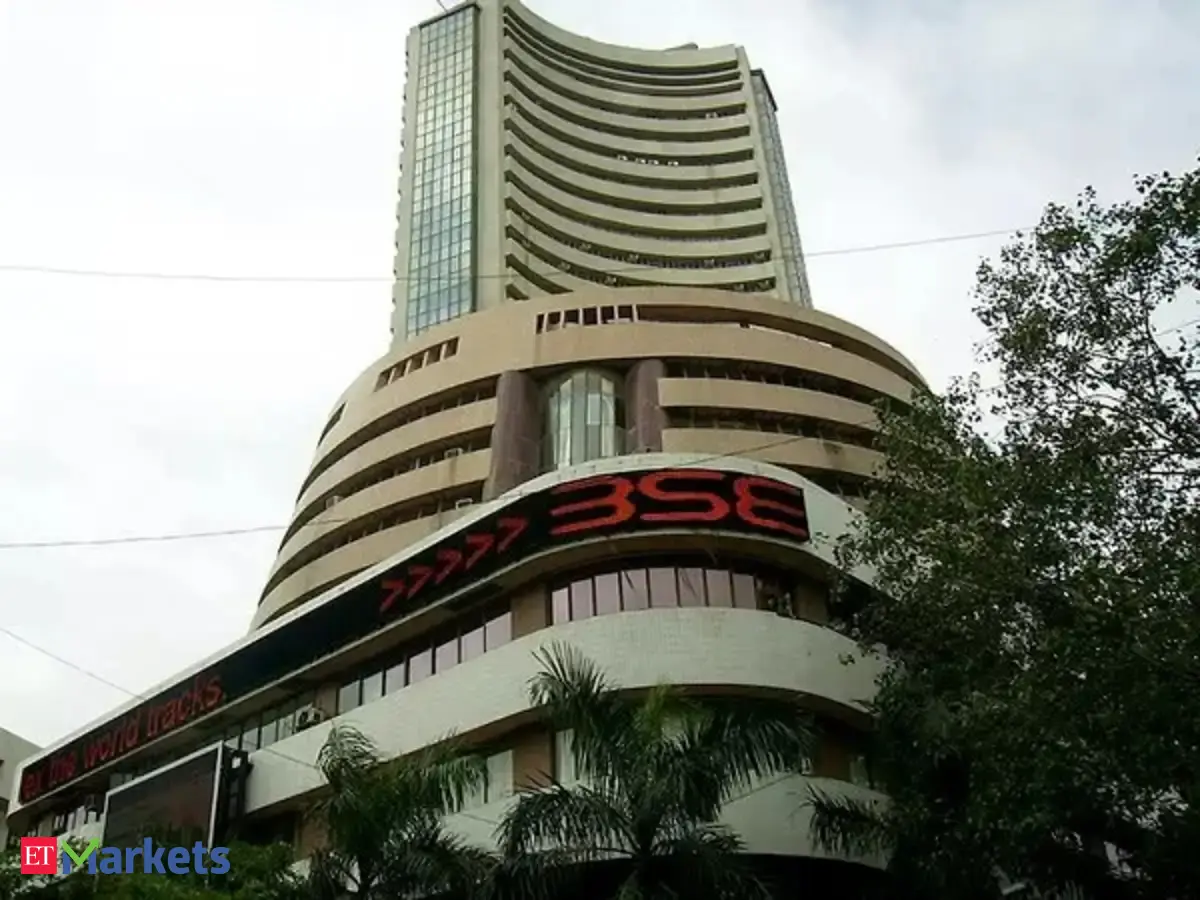
The Sensex and Nifty climbed to two-month highs, with the Nifty moving above 23,900 as investors monitored the US midterm election outcome. Realty and FMCG stocks led gains, while renewed foreign institutional buying pointed to stronger demand for Indian large caps.
11:50 PMEconomic TimesIndian companies reduced dollar purchases for rupee hedging to an eight-month low after the Reserve Bank of India intensified its scrutiny of speculative currency positions. The decline suggests the central bank’s measures are curbing bets on further rupee weakness.
11:16 PMBloomberg MarketsChicago corn prices extended their decline to a four-month low. Expectations for abundant US supplies and the possibility of peace in the Black Sea region weighed on prices.
11:16 PMBloomberg MarketsThe UK's Financial Conduct Authority finalised rules for ESG rating providers to raise standards and improve the information available to investors. The framework is intended to support better informed investment decisions.
7:01 PMFinextraJim Cramer said a new group of technology companies may be emerging as market leaders. His view points to a possible shift away from the market's established technology winners.
6:58 PMCNBC
A J.P. Morgan strategist warns that a break below 7,500 could sharply increase selling pressure and volatility, potentially leading to a broader correction.
4:30 PMMarketWatchOptions traders have concentrated call activity in solar stocks as voting gets underway, signaling expectations for sharp moves tied to the election outcome.
3:51 PMCNBC
Siam Cement Group’s CEO said Southeast Asian manufacturers must build regional scale to compete with China’s low-cost exports and keep unit costs down.
2:40 PMFortune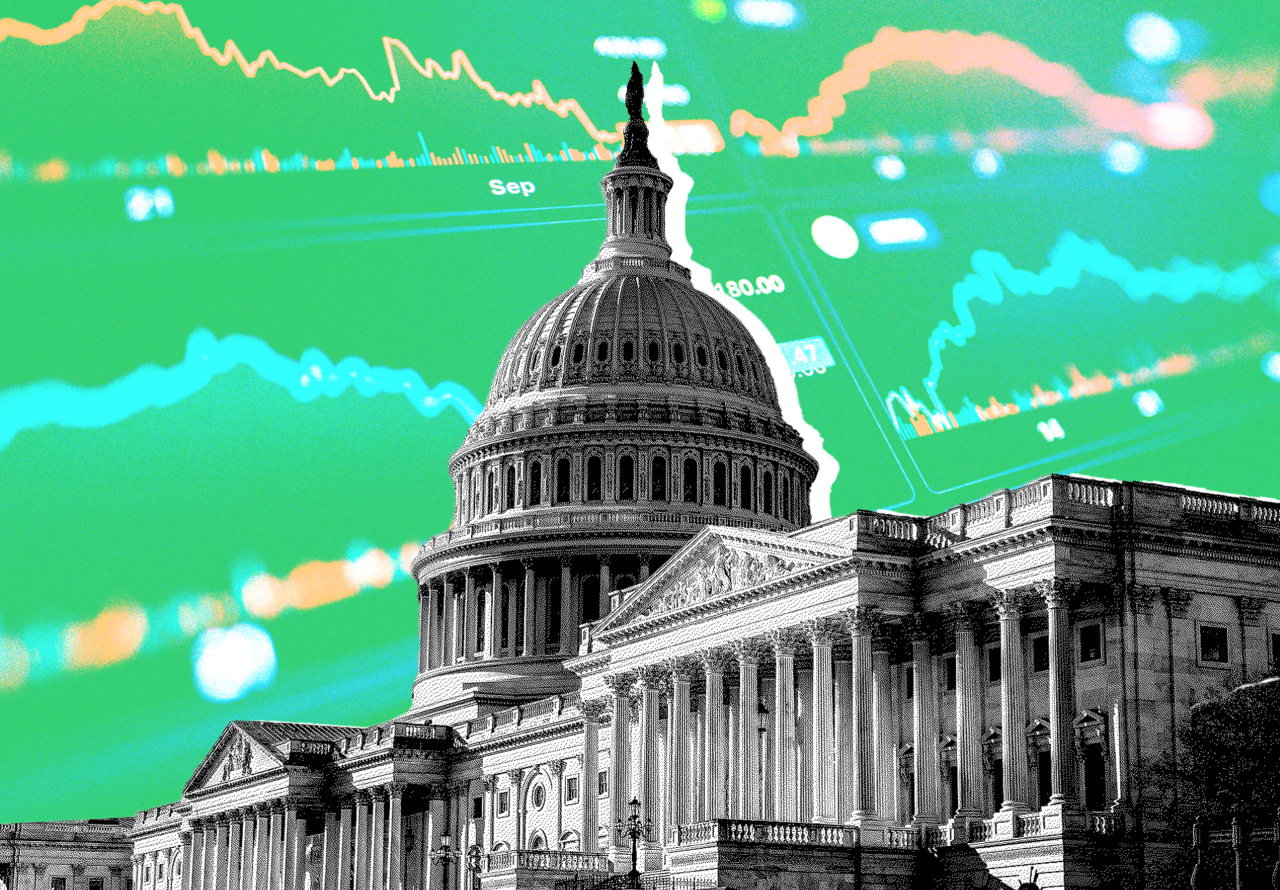
Investors should separate their political preferences from their trading decisions and assess markets based on economic and company fundamentals after the election.
1:27 PMMarketWatchBill Ackman warned that growing leverage and speculative trading have pushed markets toward casino-like behavior. He compared current conditions with periods when investors relied heavily on borrowed money.
11:23 AMCNBC
Crude prices stabilized around $106 a barrel after a sharp drop. Traders are waiting for clearer developments in the Middle East before taking prices in a new direction.
9:25 AMFinancial Times
A rare market indicator has flashed only five times since 2000, pointing to a vulnerable setup for stocks. Rising inflation could limit central banks’ ability to cut rates and support asset prices during a downturn.
9:06 AMMarketWatch
A selloff in technology stocks and turbulence in bond markets caused losses for hedge funds, including Marshall Wace. Funds exposed to the AI trade and related sectors bore the brunt of the correction.
6:37 AMFinancial TimesSummary
The Sensex and Nifty climbed to two-month highs, with the Nifty moving above 23,900 as investors monitored the US midterm election outcome. Realty and FMCG stocks led gains, while renewed foreign institutional buying pointed to stronger demand for Indian large caps.
The rally reflects a combination of global-event positioning and a return of foreign flows, rather
Unlock the full First Pass Analysis to get a better understanding of why this story mattersWhy it matters
The market’s next test is whether foreign inflows persist once the US election catalyst passes.
Summary
Indian companies reduced dollar purchases for rupee hedging to an eight-month low after the Reserve Bank of India intensified its scrutiny of speculative currency positions. The decline suggests the central bank’s measures are curbing bets on further rupee weakness.
The immediate shift is in market positioning, not necessarily in the rupee’s underlying risks. Corporates
Unlock the full First Pass Analysis to get a better understanding of why this story mattersWhy it matters
Lower dollar demand can support the rupee, but tighter controls may make currency protection costlier for businesses.
Summary
Chicago corn prices extended their decline to a four-month low. Expectations for abundant US supplies and the possibility of peace in the Black Sea region weighed on prices.
Corn is facing a dual supply shock: large US availability and the prospect of more
Unlock the full First Pass Analysis to get a better understanding of why this story mattersWhy it matters
Cheaper corn points to easing feed and food input costs while increasing pressure on farmers and grain exporters.
Summary
The UK's Financial Conduct Authority finalised rules for ESG rating providers to raise standards and improve the information available to investors. The framework is intended to support better informed investment decisions.
The new rules make ESG ratings more accountable at a time when investors increasingly rely
Unlock the full First Pass Analysis to get a better understanding of why this story mattersWhy it matters
More oversight could reduce inconsistencies in ESG scores and raise the cost of producing credible ratings.
Summary
Jim Cramer said a new group of technology companies may be emerging as market leaders. His view points to a possible shift away from the market's established technology winners.
The key change is potential leadership rotation within technology rather than a broad reversal in
Unlock the full First Pass Analysis to get a better understanding of why this story mattersWhy it matters
A leadership shift would test whether the technology rally can broaden beyond its largest winners.
Summary
A J.P. Morgan strategist warns that a break below 7,500 could sharply increase selling pressure and volatility, potentially leading to a broader correction.
The 7,500 level matters because a decisive break could trigger technical selling and amplify an
Unlock the full First Pass Analysis to get a better understanding of why this story mattersWhy it matters
A breach of the cited level could turn a controlled pullback into a faster, more volatile market correction.
Summary
Options traders have concentrated call activity in solar stocks as voting gets underway, signaling expectations for sharp moves tied to the election outcome.
The heavy call buying points to a targeted bet on solar shares rather than broad
Unlock the full First Pass Analysis to get a better understanding of why this story mattersWhy it matters
Solar stocks could see outsized volatility as traders reprice the sector’s policy outlook.
Summary
Siam Cement Group’s CEO said Southeast Asian manufacturers must build regional scale to compete with China’s low-cost exports and keep unit costs down.
Chinese price competition is becoming a structural constraint rather than a temporary trade shock. Regional
Unlock the full First Pass Analysis to get a better understanding of why this story mattersWhy it matters
The region’s industrial winners may be companies that can spread costs across borders and operate at scale.
Summary
Investors should separate their political preferences from their trading decisions and assess markets based on economic and company fundamentals after the election.
The key shift after the vote is from political speculation to measurable effects on rates,
Unlock the full First Pass Analysis to get a better understanding of why this story mattersWhy it matters
Election results matter through their impact on policy and cash flows, not simply through partisan outcomes.
Summary
Bill Ackman warned that growing leverage and speculative trading have pushed markets toward casino-like behavior. He compared current conditions with periods when investors relied heavily on borrowed money.
Speculative positioning is raising the market's sensitivity to small changes in sentiment, liquidity and financing
Unlock the full First Pass Analysis to get a better understanding of why this story mattersWhy it matters
High leverage can turn a sentiment reversal into a broader market selloff.
Summary
Crude prices stabilized around $106 a barrel after a sharp drop. Traders are waiting for clearer developments in the Middle East before taking prices in a new direction.
The pause shows that the market has absorbed some immediate risk premium but remains unwilling
Unlock the full First Pass Analysis to get a better understanding of why this story mattersWhy it matters
Oil is holding at elevated levels because the market still sees a material risk that Middle East tensions will hit supply.
Summary
A rare market indicator has flashed only five times since 2000, pointing to a vulnerable setup for stocks. Rising inflation could limit central banks’ ability to cut rates and support asset prices during a downturn.
The key shift is that investors may no longer be able to rely on monetary
Unlock the full First Pass Analysis to get a better understanding of why this story mattersWhy it matters
If inflation keeps policy restrictive, a conventional stock-market rebound could take longer and deliver weaker returns.
Summary
A selloff in technology stocks and turbulence in bond markets caused losses for hedge funds, including Marshall Wace. Funds exposed to the AI trade and related sectors bore the brunt of the correction.
The AI trade has shifted from a source of returns to a source of portfolio
Unlock the full First Pass Analysis to get a better understanding of why this story mattersWhy it matters
A broader unwind of AI-linked trades could pressure hedge-fund performance and amplify volatility across stocks and bonds.
Make it yours
Pick your topics, set your cadence, and receive your personalized First Pass in your inbox. It’s that simple!