
Taiwan’s benchmark stock index is nearing a technical correction as a global selloff in artificial intelligence shares intensifies. The decline puts the market’s technology-heavy exposure under pressure.
11:34 PMBloomberg Markets92 stories from 9 sources
Supporting Articles
Taiwan’s benchmark stock index is nearing a technical correction as a global selloff in artificial intelligence shares intensifies. The decline puts the market’s technology-heavy exposure under pressure.
11:34 PMBloomberg MarketsCopper fell in London as a technology-stock selloff and rising oil prices weakened risk appetite. Investors also worried that tighter energy costs and weaker markets could undermine global growth.
11:31 PMBloomberg Markets
Asian equities fell after disappointing technology earnings intensified concerns about the cost and payoff of the AI boom. South Korea's Kospi dropped more than 3%, while Samsung Electronics and SK Hynix declined, pulling the MSCI Asia Pacific Index down 0.3%.
8:52 PMEconomic TimesCapital Economics says investors can turn to defensive areas of the market if the artificial intelligence trade loses momentum or enters a broader correction.
3:59 PMCNBC
The U.S. economy expanded at a 3.4% annualized rate in the third quarter, but inflation absorbed nearly all of September’s increase in consumer spending, leaving households buying little additional output.
3:22 PMPYMNTS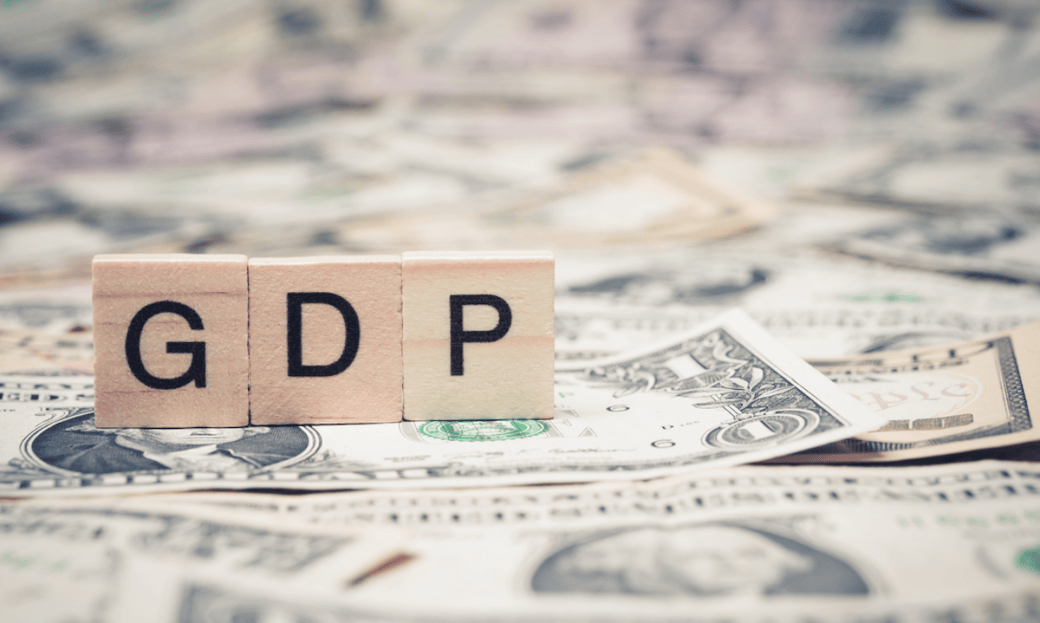
Real U.S. GDP grew at a 3.4% annual rate in the third quarter, with private investment in information-processing equipment among the main drivers.
10:47 AMPYMNTS
The latest personal consumption expenditures data showed inflation accelerating sharply last month, even as the Federal Reserve paused its rate increases.
10:38 AMMarketWatch
The Bank of Japan kept its policy rate at 1.25% in an 8-1 vote despite a higher inflation outlook. Board member Hajime Takata dissented in favor of a 1.5% rate, while Governor Kazuo Ueda is expected to explain the decision and its implications.
11:31 PMEconomic TimesThe yen strengthened against the dollar after the BOJ left interest rates unchanged and said underlying inflation had reached 2% for the first time. The inflation milestone reinforced expectations that policy normalization remains possible.
11:15 PMBloomberg Markets
The yen held steady ahead of an expected Bank of Japan policy decision, while weaker technology stocks pushed Treasury yields and the dollar lower. The dollar index still shows modest monthly gains despite volatile exchange rates and elevated energy prices.
10:01 PMEconomic TimesChinese high-yield dollar bonds were headed for their worst week in more than a year after signs of liquidity strain at state-owned Zhuhai Huafa Group weakened sentiment. The pressure has spread across the broader junk-bond market.
11:46 PMBloomberg MarketsFitch placed Zhuhai Huafa Group on negative watch, citing increased refinancing risks after a selloff in the Chinese company’s offshore bonds.
10:29 PMBloomberg Markets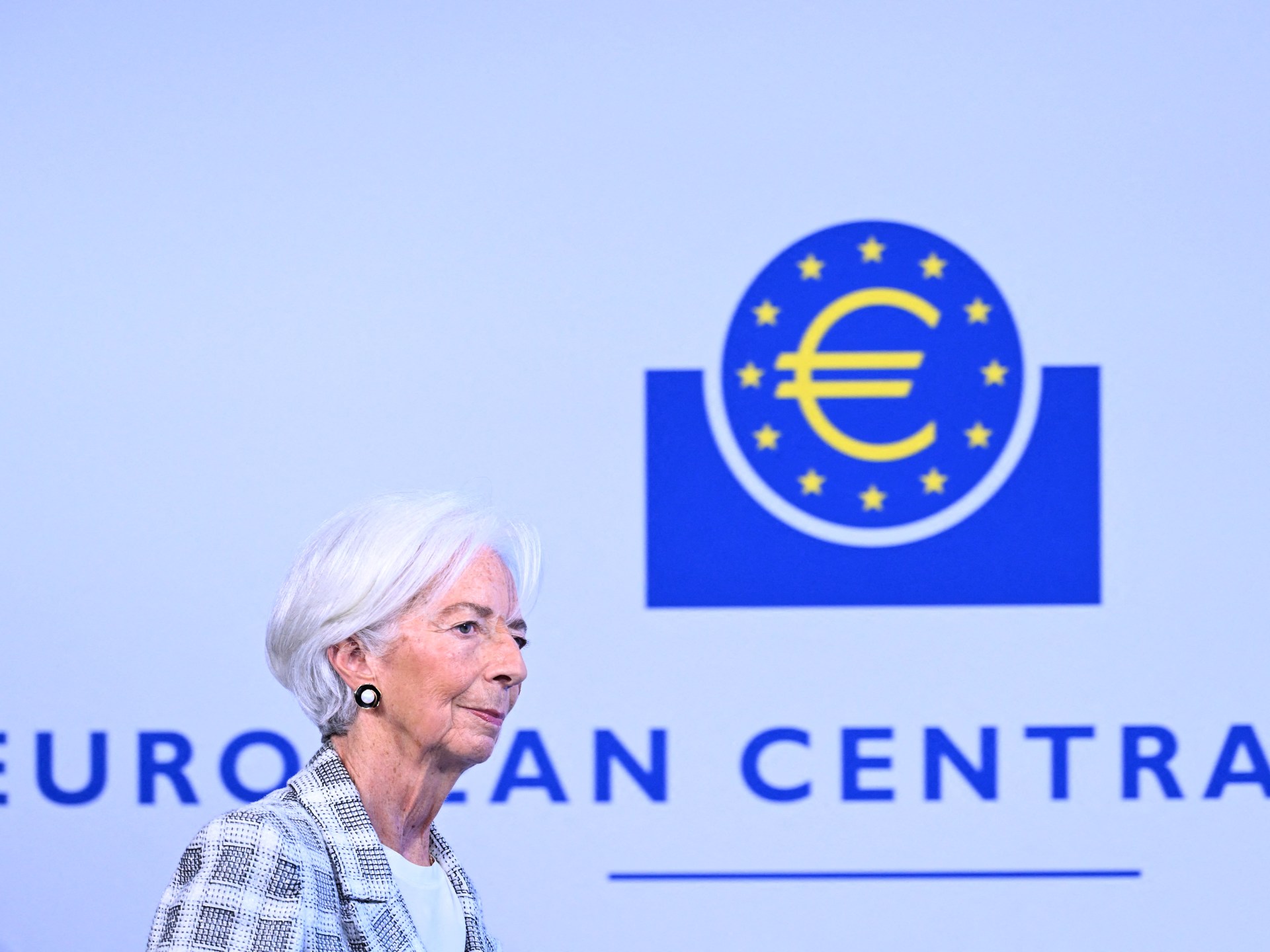
Christine Lagarde will leave the European Central Bank in February, nine months before her eight-year term was due to end. Her early departure will bring forward the process of selecting the ECB's next president.
12:34 PMAl Jazeera
Pablo Hernández de Cos and Klaas Knot have emerged as the leading candidates to become the fifth president of the European Central Bank.
10:04 AMFinancial Times
Microsoft is seeking to raise as much as $25 billion through new bonds as companies fund the infrastructure required for the AI expansion. Investors are becoming more selective about which borrowers deserve capital and how much they are willing to pay.
4:01 PMMarketWatch
Russia is seeking new revenue as war spending pushes its deficit to about $72 billion, including a proposed 20% to 30% windfall tax on mining companies that benefited from higher prices. The measures target sectors and households that can provide cash as fiscal pressure grows.
6:17 PMFortune
Gold fell more than 1% from the previous session, with spot prices near $4,006 an ounce and US futures around $4,019. Inflation concerns have increased expectations that the Federal Reserve could raise rates in December.
9:52 PMEconomic TimesSummary
Taiwan’s benchmark stock index is nearing a technical correction as a global selloff in artificial intelligence shares intensifies. The decline puts the market’s technology-heavy exposure under pressure.
Taiwan is especially vulnerable because its market and export outlook rely heavily on semiconductor and
Unlock the full First Pass Analysis to get a better understanding of why this story mattersWhy it matters
Taiwan’s slide shows how quickly global AI concerns can spread into the markets most tied to the sector’s growth.
Summary
Copper fell in London as a technology-stock selloff and rising oil prices weakened risk appetite. Investors also worried that tighter energy costs and weaker markets could undermine global growth.
Copper is losing support from both financial sentiment and the macro outlook. Higher oil prices
Unlock the full First Pass Analysis to get a better understanding of why this story mattersWhy it matters
Copper’s decline reflects growing concern that financial stress and higher energy costs could slow global industrial demand.
Summary
Asian equities fell after disappointing technology earnings intensified concerns about the cost and payoff of the AI boom. South Korea's Kospi dropped more than 3%, while Samsung Electronics and SK Hynix declined, pulling the MSCI Asia Pacific Index down 0.3%.
The selloff shows that AI-related risk has spread from individual companies to major regional benchmarks.
Unlock the full First Pass Analysis to get a better understanding of why this story mattersWhy it matters
Asian markets are now treating disappointing tech earnings as evidence of a wider repricing of AI and semiconductor expectations.
Summary
Capital Economics says investors can turn to defensive areas of the market if the artificial intelligence trade loses momentum or enters a broader correction.
The recommended response to an AI reversal is rotation, not wholesale retreat from equities. Defensive
Unlock the full First Pass Analysis to get a better understanding of why this story mattersWhy it matters
The market is beginning to price portfolio protection against concentration in a narrow, high-valuation trade.
Summary
The U.S. economy expanded at a 3.4% annualized rate in the third quarter, but inflation absorbed nearly all of September’s increase in consumer spending, leaving households buying little additional output.
The growth data looks stronger than the household experience because higher prices, rather than greater
Unlock the full First Pass Analysis to get a better understanding of why this story mattersWhy it matters
Solid headline growth may conceal a consumer sector that is spending more simply to maintain its standard of living.
3 stories · 3 sources
Summary
Real U.S. GDP grew at a 3.4% annual rate in the third quarter, with private investment in information-processing equipment among the main drivers.
The figures show that AI-related hardware spending is already contributing materially to economic growth. That
Unlock the full First Pass Analysis to get a better understanding of why this story mattersWhy it matters
AI investment is becoming a major macroeconomic force, with implications for growth, markets, and the durability of the technology boom.
Summary
The latest personal consumption expenditures data showed inflation accelerating sharply last month, even as the Federal Reserve paused its rate increases.
The renewed price pressure weakens the case for a prolonged Fed pause and keeps further
Unlock the full First Pass Analysis to get a better understanding of why this story mattersWhy it matters
Sticky inflation threatens to extend restrictive monetary policy and raise borrowing costs across the economy.
Summary
The Bank of Japan kept its policy rate at 1.25% in an 8-1 vote despite a higher inflation outlook. Board member Hajime Takata dissented in favor of a 1.5% rate, while Governor Kazuo Ueda is expected to explain the decision and its implications.
The dissent and inflation concerns show that the BOJ is debating how quickly to remove
Unlock the full First Pass Analysis to get a better understanding of why this story mattersWhy it matters
A hawkish pause keeps Japan's tightening cycle alive and preserves the risk of higher domestic yields.
Summary
The yen strengthened against the dollar after the BOJ left interest rates unchanged and said underlying inflation had reached 2% for the first time. The inflation milestone reinforced expectations that policy normalization remains possible.
The yen gained because the BOJ delivered a steady decision alongside evidence of stronger price
Unlock the full First Pass Analysis to get a better understanding of why this story mattersWhy it matters
A credible path toward higher Japanese rates could support the yen and reduce the appeal of yen-funded carry trades.
Summary
The yen held steady ahead of an expected Bank of Japan policy decision, while weaker technology stocks pushed Treasury yields and the dollar lower. The dollar index still shows modest monthly gains despite volatile exchange rates and elevated energy prices.
Markets are balancing a potentially important BOJ signal against a broader shift away from AI-linked
Unlock the full First Pass Analysis to get a better understanding of why this story mattersWhy it matters
The interaction between BOJ policy and US rate expectations will determine whether current dollar resilience survives the tech-led market repricing.
Summary
Chinese high-yield dollar bonds were headed for their worst week in more than a year after signs of liquidity strain at state-owned Zhuhai Huafa Group weakened sentiment. The pressure has spread across the broader junk-bond market.
Concern over a state-linked borrower is reviving doubts about the strength of implicit government support
Unlock the full First Pass Analysis to get a better understanding of why this story mattersWhy it matters
Stress at a state-owned conglomerate could widen credit spreads and make funding conditions harder for Chinese property and corporate borrowers.
Summary
Fitch placed Zhuhai Huafa Group on negative watch, citing increased refinancing risks after a selloff in the Chinese company’s offshore bonds.
The shift puts Zhuhai Huafa’s access to funding under closer scrutiny as investors demand more
Unlock the full First Pass Analysis to get a better understanding of why this story mattersWhy it matters
The move signals that China’s offshore credit stress is spreading from market pricing into formal ratings risk.
Summary
Christine Lagarde will leave the European Central Bank in February, nine months before her eight-year term was due to end. Her early departure will bring forward the process of selecting the ECB's next president.
The early exit creates an immediate leadership and policy transition at a central bank facing
Unlock the full First Pass Analysis to get a better understanding of why this story mattersWhy it matters
A change at the ECB's top could alter market expectations for the direction and independence of eurozone monetary policy.
2 stories · 2 sources
Summary
Pablo Hernández de Cos and Klaas Knot have emerged as the leading candidates to become the fifth president of the European Central Bank.
The contest will shape how the ECB balances persistent inflation risks against weak growth across
Unlock the full First Pass Analysis to get a better understanding of why this story mattersWhy it matters
The next ECB president will inherit decisions on rates, inflation control, and the future direction of eurozone monetary policy.
Summary
Microsoft is seeking to raise as much as $25 billion through new bonds as companies fund the infrastructure required for the AI expansion. Investors are becoming more selective about which borrowers deserve capital and how much they are willing to pay.
The AI financing boom is shifting from indiscriminate demand to a credit test. Microsoft can
Unlock the full First Pass Analysis to get a better understanding of why this story mattersWhy it matters
AI spending now depends not only on technological ambition but also on whether debt investors trust the borrower.
Summary
Russia is seeking new revenue as war spending pushes its deficit to about $72 billion, including a proposed 20% to 30% windfall tax on mining companies that benefited from higher prices. The measures target sectors and households that can provide cash as fiscal pressure grows.
The tax proposals show the Kremlin is shifting more of the war's cost onto domestic
Unlock the full First Pass Analysis to get a better understanding of why this story mattersWhy it matters
Russia's widening deficit is turning the war into a broader domestic tax burden, with potential costs for investment and financial stability.
Summary
Gold fell more than 1% from the previous session, with spot prices near $4,006 an ounce and US futures around $4,019. Inflation concerns have increased expectations that the Federal Reserve could raise rates in December.
Higher expected real rates are pressuring gold by increasing the opportunity cost of holding a
Unlock the full First Pass Analysis to get a better understanding of why this story mattersWhy it matters
A more hawkish Fed outlook could weaken gold and tighten financial conditions across currencies, bonds, and emerging markets.
A curated list of other prominent stories from this day.

The rupee is expected to open flat to slightly stronger as falling US Treasury yields weaken the dollar and attract demand for government bonds. Rising oil prices threaten to offset that support by increasing India's import costs.
11:33 PMEconomic Times
Recent weakness in the S&P 500 challenges the assumption that the benchmark reliably rises over time. The setback may be especially jarring for investors who built portfolios around the belief that stocks always recover and advance.
4:39 PMMarketWatch
A widely watched valuation indicator points to weak U.S. stock returns over the next decade as household equity exposure reaches a record high.
4:26 PMMarketWatchA rare public post from Stanley Druckenmiller triggered a sharp move in a crypto-linked stock, with options traders quickly positioning around the closest publicly traded company tied to the news.
2:53 PMCNBCInvestors are concerned that the 2026 midterm elections could increase market uncertainty. Historical S&P 500 data offers a record of how stocks performed before and after previous midterm contests.
1:27 PMCNBCThe Bank of England has opened a consultation on allowing central counterparties to accept tokenised forms of eligible collateral. The proposal would examine how digital representations of assets could function within central clearing arrangements.
1:23 PMFinextra
Incomes fell 0.3% in September while consumer prices rose 3.6%, worsening the inflation outlook. Polling indicates that higher prices have weakened voters' views of the economy and contributed to poor marks for President Donald Trump ahead of the midterms.
12:13 PMFortune
The Federal Reserve’s decision to leave interest rates unchanged reflects a tension between economic data and inflation pressures linked to developments in the Middle East.
7:41 AMFortune
Labour is seeking to support households and preserve economic growth as persistent inflation and higher debt-servicing costs narrow the government's room to act.
7:04 AMAl Jazeera
The past decade has established private equity at scale as a distinct asset class. Its growth does not make it a superior model of capitalism.
1:00 AMFinancial TimesSummary
The rupee is expected to open flat to slightly stronger as falling US Treasury yields weaken the dollar and attract demand for government bonds. Rising oil prices threaten to offset that support by increasing India's import costs.
The currency's immediate direction is being pulled between lower US yields and a worsening energy
Unlock the full First Pass Analysis to get a better understanding of why this story mattersWhy it matters
The rupee's outlook now hinges on whether global bond-market relief can outlast the pressure from higher energy prices.
Summary
Recent weakness in the S&P 500 challenges the assumption that the benchmark reliably rises over time. The setback may be especially jarring for investors who built portfolios around the belief that stocks always recover and advance.
The index’s performance is not a guarantee of broad or steady gains, particularly when concentration
Unlock the full First Pass Analysis to get a better understanding of why this story mattersWhy it matters
A weaker benchmark can expose portfolios that mistake historical US equity performance for a dependable investment strategy.
Summary
A widely watched valuation indicator points to weak U.S. stock returns over the next decade as household equity exposure reaches a record high.
Record household allocations imply that investors already hold unusually optimistic positions, leaving less room for
Unlock the full First Pass Analysis to get a better understanding of why this story mattersWhy it matters
High equity concentration could leave households especially vulnerable if valuations fall or earnings fail to justify current prices.
Summary
A rare public post from Stanley Druckenmiller triggered a sharp move in a crypto-linked stock, with options traders quickly positioning around the closest publicly traded company tied to the news.
The reaction shows how thin the market can be for publicly traded crypto proxies when
Unlock the full First Pass Analysis to get a better understanding of why this story mattersWhy it matters
Investor commentary from a high-profile trader can still transmit rapidly into volatile, options-heavy crypto equities.
Summary
Investors are concerned that the 2026 midterm elections could increase market uncertainty. Historical S&P 500 data offers a record of how stocks performed before and after previous midterm contests.
Midterm volatility has a historical pattern, but election anxiety does not by itself establish a
Unlock the full First Pass Analysis to get a better understanding of why this story mattersWhy it matters
Historical market behavior can temper election fears, but policy outcomes will matter more than the calendar once the vote is over.
Summary
The Bank of England has opened a consultation on allowing central counterparties to accept tokenised forms of eligible collateral. The proposal would examine how digital representations of assets could function within central clearing arrangements.
The consultation moves tokenised assets closer to core market infrastructure, where collateral rules determine liquidity
Unlock the full First Pass Analysis to get a better understanding of why this story mattersWhy it matters
Broader collateral eligibility could make settlement more efficient while forcing regulators to manage new technology and liquidity risks.
Summary
Incomes fell 0.3% in September while consumer prices rose 3.6%, worsening the inflation outlook. Polling indicates that higher prices have weakened voters' views of the economy and contributed to poor marks for President Donald Trump ahead of the midterms.
Falling incomes alongside faster price growth creates a sharper political problem than inflation alone because
Unlock the full First Pass Analysis to get a better understanding of why this story mattersWhy it matters
A deteriorating cost-of-living picture can influence both economic policy and the political balance ahead of the midterms.
Summary
The Federal Reserve’s decision to leave interest rates unchanged reflects a tension between economic data and inflation pressures linked to developments in the Middle East.
Holding rates steady allows policymakers to avoid overreacting to an external energy shock while keeping
Unlock the full First Pass Analysis to get a better understanding of why this story mattersWhy it matters
The decision tests whether the Fed can separate temporary geopolitical price shocks from persistent domestic inflation.
Summary
Labour is seeking to support households and preserve economic growth as persistent inflation and higher debt-servicing costs narrow the government's room to act.
The central constraint is fiscal: broader cost-of-living support could aid demand but also increase borrowing
Unlock the full First Pass Analysis to get a better understanding of why this story mattersWhy it matters
The policy trade-off will shape household incomes, UK borrowing costs, and the durability of the recovery.
Summary
The past decade has established private equity at scale as a distinct asset class. Its growth does not make it a superior model of capitalism.
Private equity's institutional maturity has expanded its role in portfolios, but scale has not removed
Unlock the full First Pass Analysis to get a better understanding of why this story mattersWhy it matters
Private equity's acceptance as a mainstream asset class raises the cost of overlooking its leverage and liquidity risks.
Make it yours
Pick your topics, set your cadence, and receive your personalized First Pass in your inbox. It’s that simple!

