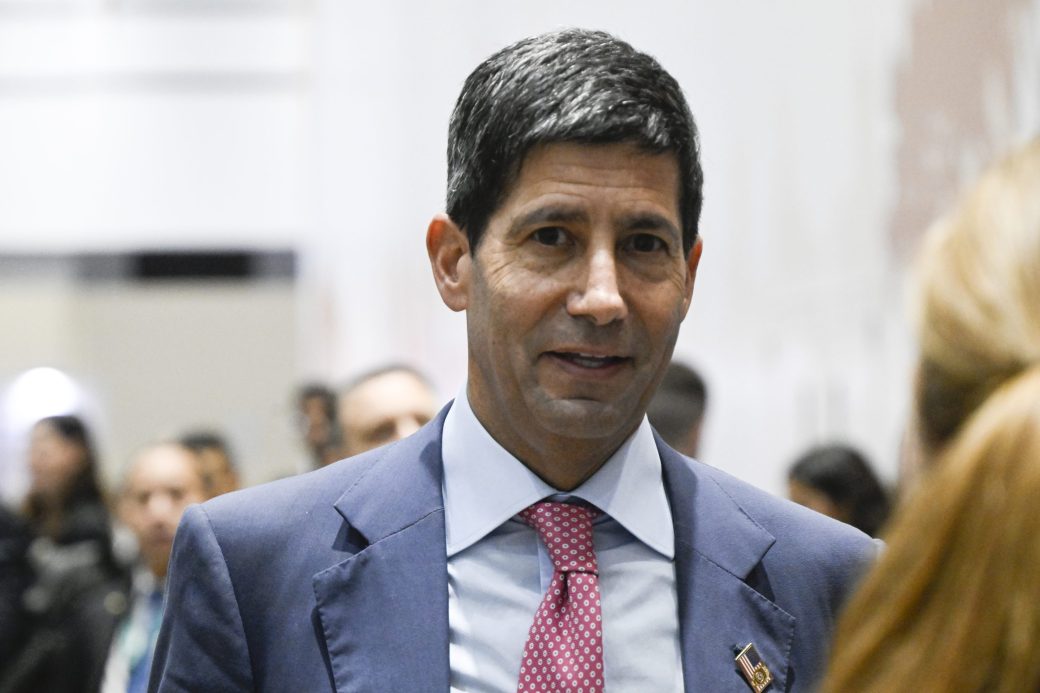
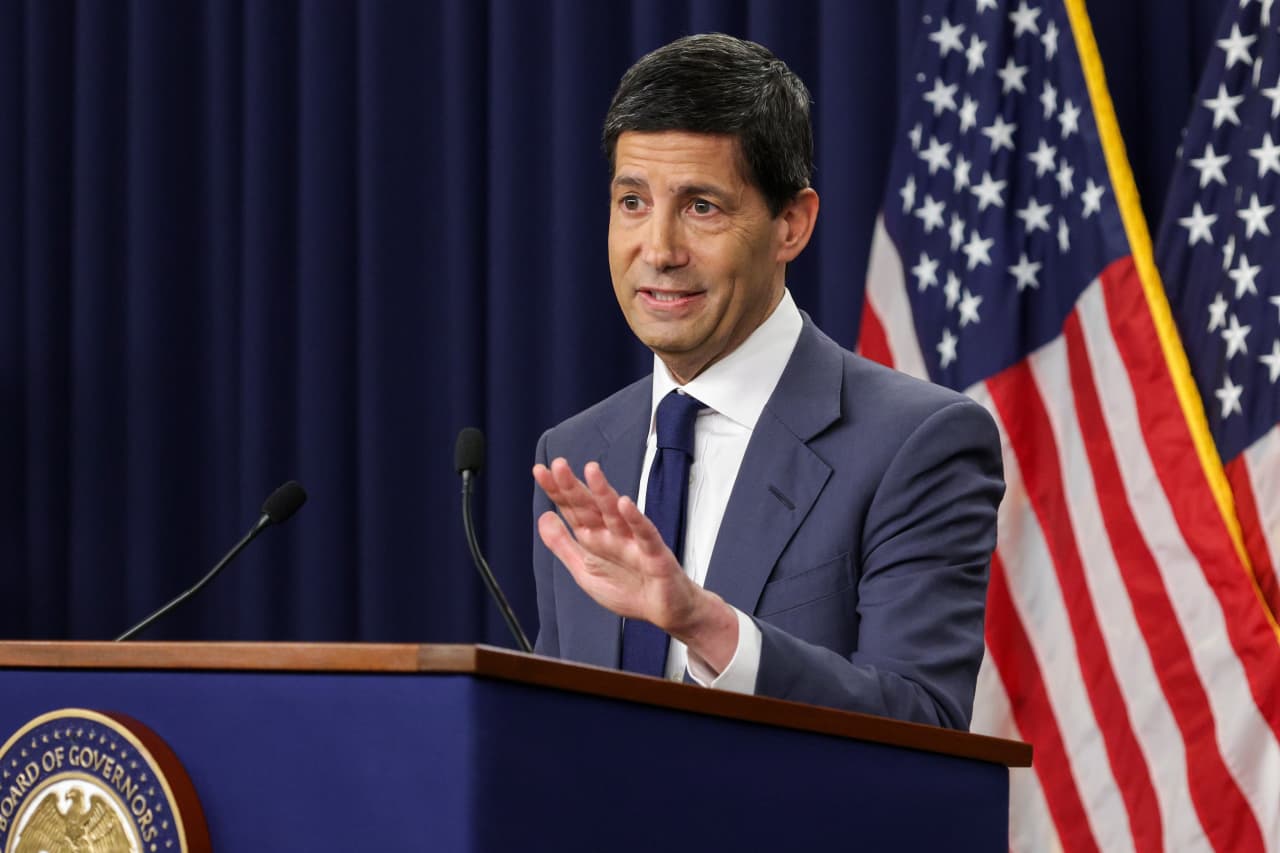
The Federal Reserve left interest rates unchanged even as inflation pressures intensified. It will also hold seven policy meetings next year, one fewer than the longstanding schedule of eight.
5:32 PMFinancial Times114 stories from 10 sources
Supporting Articles
The Federal Reserve left interest rates unchanged even as inflation pressures intensified. It will also hold seven policy meetings next year, one fewer than the longstanding schedule of eight.
5:32 PMFinancial Times
The Federal Reserve kept interest rates unchanged, as markets expected, but the meeting and Kevin Warsh's news conference contained several surprises. Those signals offered new information about the central bank's policy outlook.
5:31 PMCNBC
The Federal Reserve held rates at 3.75% to 4%, with Cook and Hammack dissenting in favor of a rate increase. The split came six days before the midterm elections, while Kevin Warsh said tighter monetary policy was beginning to work.
3:24 PMFortune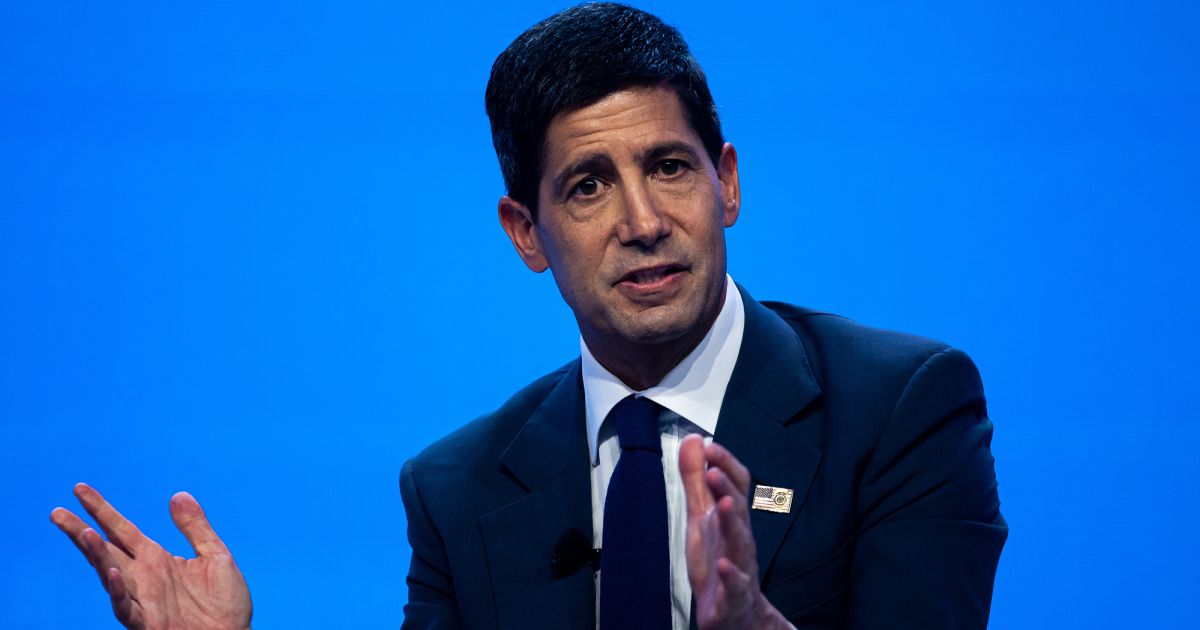
The Federal Reserve held short-term interest rates in a 10-2 vote, giving commercial real estate borrowers a temporary reprieve after its first hike since 2023. Markets still expect another increase before year-end.
2:44 PMHousing Wire
Federal Reserve policymakers are weighing another interest rate increase as inflation remains elevated, with energy pressures worsened by Donald Trump's war against Iran. The decision comes ahead of the US midterm elections and could determine whether the Fed continues tightening or pauses.
12:51 PMFinancial Times
US stocks rallied after the Federal Reserve kept rates unchanged, while Treasury yields, especially at the two-year maturity, fluctuated as investors reassessed future policy. Strong earnings from companies including GE HealthCare Technologies and Wendy’s added support to individual shares.
10:07 PMEconomic TimesAn analysis of rolling 60-day correlations across the 21 stock pairs in the Magnificent Seven shows that the group's returns are becoming less synchronized.
7:24 PMCNBC
Goldman Sachs investment-banking co-head Kim Posnett said investors remain broadly bullish on artificial intelligence but are becoming more selective. Rising capital costs and emerging weaknesses in the AI market are making investors scrutinize opportunities more closely.
2:01 PMPYMNTS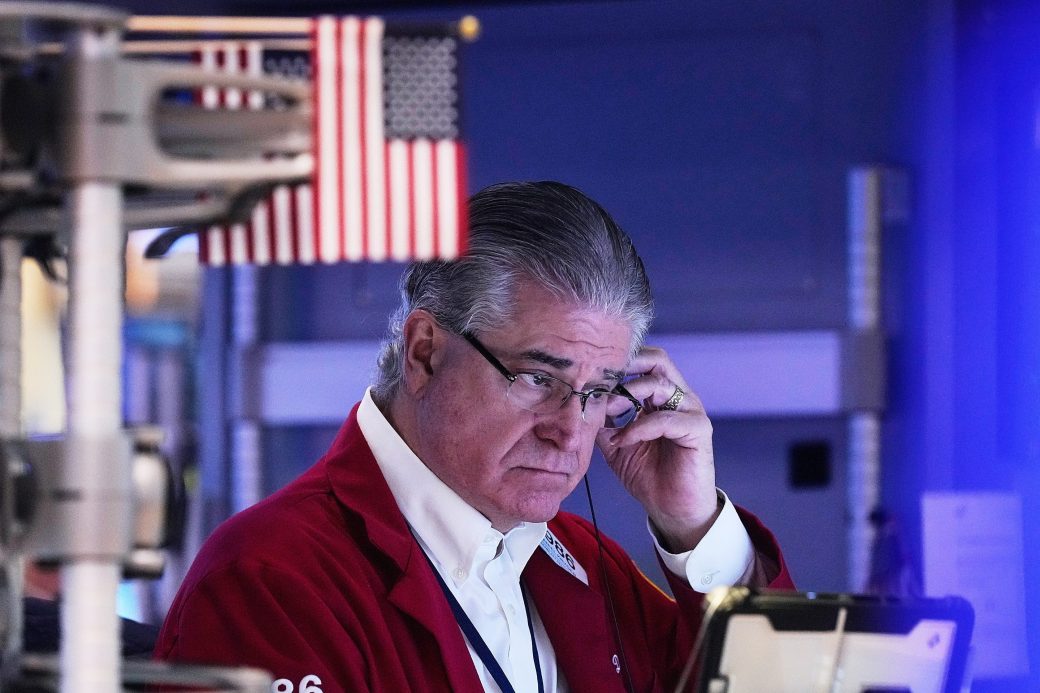
The S&P 500 has moved within 1.2% of its record high even though most of its constituent stocks declined. Gains in Nvidia, Broadcom and other AI-linked shares offset weakness elsewhere as investors resumed buying the sector after weeks of concern about its valuations and outlook.
11:53 AMFortune
The Bank of Canada raised its key interest rate by a quarter point, its first increase in three years, as surging energy prices pushed inflation higher. The move marks a shift away from the bank's prolonged low-rate stance.
12:44 PMAl Jazeera
European office transactions fell to their lowest quarterly level since 2009 as debt problems weighed on the commercial property market. High financing costs and limited access to credit are constraining activity.
8:01 PMFinancial TimesThe Fed chair said inflation remains too high even as the central bank paused its rate increases. Apartment investors viewed the decision as a signal to watch for additional rate hikes rather than as a durable easing in financial conditions.
4:10 PMHousing Wire
Gold fell 0.7% as the dollar strengthened after the Federal Reserve held rates steady, with investors awaiting US inflation data for clues about future policy. Silver and platinum also declined slightly, while palladium edged higher.
10:05 PMEconomic TimesIron ore has fallen below $90 a ton, putting as much as 170 million tons of production in the red, UBS estimates. Prices may need to stay low for an extended period before enough supply leaves the market to restore balance.
10:41 PMBloomberg Markets
Businesses are combining bank credit lines, corporate cards and longer supplier payment terms to finance the gap between buying goods and collecting customer payments. European Central Bank findings point to rising demand for short-term funding as traditional bank credit becomes harder to access.
11:33 AMPYMNTS
Patna Municipal Corporation plans to issue ₹200 crore of municipal bonds, with bidding scheduled to open on October 30. Kanpur Nagar Nigam is preparing a ₹125 crore issue, while early interest from HUDCO and NaBFID points to stronger institutional demand.
9:03 PMEconomic TimesSummary
The Federal Reserve left interest rates unchanged even as inflation pressures intensified. It will also hold seven policy meetings next year, one fewer than the longstanding schedule of eight.
Holding rates despite stronger inflation signals leaves the Fed balancing price risks against the damage
Unlock the full First Pass Analysis to get a better understanding of why this story mattersWhy it matters
A slower policy calendar could make markets more sensitive to every inflation and employment report.
4 stories · 4 sources
Summary
The Federal Reserve kept interest rates unchanged, as markets expected, but the meeting and Kevin Warsh's news conference contained several surprises. Those signals offered new information about the central bank's policy outlook.
The market's focus has moved beyond the rate decision to the Fed's internal debate and
Unlock the full First Pass Analysis to get a better understanding of why this story mattersWhy it matters
Forward guidance, not the unchanged rate, will determine the next major market move.
2 stories · 2 sources
Summary
The Federal Reserve held rates at 3.75% to 4%, with Cook and Hammack dissenting in favor of a rate increase. The split came six days before the midterm elections, while Kevin Warsh said tighter monetary policy was beginning to work.
The joint dissent shows that concern about inflation has moved from market debate into the
Unlock the full First Pass Analysis to get a better understanding of why this story mattersWhy it matters
A rare dissent signals a higher probability of future tightening and exposes deeper disagreement within the Fed.
Summary
The Federal Reserve held short-term interest rates in a 10-2 vote, giving commercial real estate borrowers a temporary reprieve after its first hike since 2023. Markets still expect another increase before year-end.
The pause does not mark a shift toward easier policy because investors continue to price
Unlock the full First Pass Analysis to get a better understanding of why this story mattersWhy it matters
A temporary pause offers little relief to a property market already exposed to expensive debt and refinancing risk.
Summary
Federal Reserve policymakers are weighing another interest rate increase as inflation remains elevated, with energy pressures worsened by Donald Trump's war against Iran. The decision comes ahead of the US midterm elections and could determine whether the Fed continues tightening or pauses.
The Fed must balance persistent inflation against the risk that higher rates weaken growth before
Unlock the full First Pass Analysis to get a better understanding of why this story mattersWhy it matters
The decision will shape both US financing conditions and the market's expectations for the rest of the tightening cycle.
Summary
US stocks rallied after the Federal Reserve kept rates unchanged, while Treasury yields, especially at the two-year maturity, fluctuated as investors reassessed future policy. Strong earnings from companies including GE HealthCare Technologies and Wendy’s added support to individual shares.
Equities absorbed rate uncertainty because company results provided a separate source of support, but the
Unlock the full First Pass Analysis to get a better understanding of why this story mattersWhy it matters
Markets are separating corporate performance from monetary policy, but inflation data could quickly reconnect stocks and bonds.
Summary
An analysis of rolling 60-day correlations across the 21 stock pairs in the Magnificent Seven shows that the group's returns are becoming less synchronized.
The breakdown in correlation weakens the case for treating the seven companies as one trade
Unlock the full First Pass Analysis to get a better understanding of why this story mattersWhy it matters
Lower correlation creates more room for active managers to outperform but increases the risk of owning the wrong megacap stock.
Summary
Goldman Sachs investment-banking co-head Kim Posnett said investors remain broadly bullish on artificial intelligence but are becoming more selective. Rising capital costs and emerging weaknesses in the AI market are making investors scrutinize opportunities more closely.
Higher financing costs are forcing AI companies and investors to justify spending with clearer revenue
Unlock the full First Pass Analysis to get a better understanding of why this story mattersWhy it matters
More disciplined capital could cool the most speculative parts of the AI boom without ending investment in the sector.
Summary
The S&P 500 has moved within 1.2% of its record high even though most of its constituent stocks declined. Gains in Nvidia, Broadcom and other AI-linked shares offset weakness elsewhere as investors resumed buying the sector after weeks of concern about its valuations and outlook.
The index's near-record level rests on a narrow group of AI leaders rather than broad
Unlock the full First Pass Analysis to get a better understanding of why this story mattersWhy it matters
The market is near a record, but its narrow leadership signals greater fragility than the index level suggests.
Summary
The Bank of Canada raised its key interest rate by a quarter point, its first increase in three years, as surging energy prices pushed inflation higher. The move marks a shift away from the bank's prolonged low-rate stance.
Energy-driven inflation has forced the Bank of Canada to act despite the risk of weakening
Unlock the full First Pass Analysis to get a better understanding of why this story mattersWhy it matters
Canada has joined the global shift toward tighter policy, raising the cost of money across the economy.
Summary
European office transactions fell to their lowest quarterly level since 2009 as debt problems weighed on the commercial property market. High financing costs and limited access to credit are constraining activity.
The collapse in transactions shows that refinancing stress is preventing owners and buyers from agreeing
Unlock the full First Pass Analysis to get a better understanding of why this story mattersWhy it matters
Commercial property debt stress threatens to prolong asset repricing and expose losses across European lenders and investors.
Summary
The Fed chair said inflation remains too high even as the central bank paused its rate increases. Apartment investors viewed the decision as a signal to watch for additional rate hikes rather than as a durable easing in financial conditions.
The Fed is using the pause to assess incoming data, not to declare victory over
Unlock the full First Pass Analysis to get a better understanding of why this story mattersWhy it matters
The Fed's message keeps real estate markets focused on prolonged tight policy rather than an imminent rebound in credit conditions.
Summary
Gold fell 0.7% as the dollar strengthened after the Federal Reserve held rates steady, with investors awaiting US inflation data for clues about future policy. Silver and platinum also declined slightly, while palladium edged higher.
The stronger dollar and reduced expectations for near-term rate cuts have increased the cost of
Unlock the full First Pass Analysis to get a better understanding of why this story mattersWhy it matters
US inflation data will determine whether precious metals face further pressure from yields and the dollar.
Summary
Iron ore has fallen below $90 a ton, putting as much as 170 million tons of production in the red, UBS estimates. Prices may need to stay low for an extended period before enough supply leaves the market to restore balance.
The immediate shift is from margin pressure to potential production cuts, but high-cost miners are
Unlock the full First Pass Analysis to get a better understanding of why this story mattersWhy it matters
Iron ore prices could remain weak for longer, pressuring miners, exporters and economies dependent on the commodity.
Summary
Businesses are combining bank credit lines, corporate cards and longer supplier payment terms to finance the gap between buying goods and collecting customer payments. European Central Bank findings point to rising demand for short-term funding as traditional bank credit becomes harder to access.
The shift indicates that tighter bank lending is moving pressure into companies' day-to-day cash management.
Unlock the full First Pass Analysis to get a better understanding of why this story mattersWhy it matters
Working-capital strain can become an early warning of broader corporate stress before defaults appear in headline credit data.
Summary
Patna Municipal Corporation plans to issue ₹200 crore of municipal bonds, with bidding scheduled to open on October 30. Kanpur Nagar Nigam is preparing a ₹125 crore issue, while early interest from HUDCO and NaBFID points to stronger institutional demand.
Patna’s issue gives Bihar a new channel to finance urban infrastructure beyond government budgets and
Unlock the full First Pass Analysis to get a better understanding of why this story mattersWhy it matters
Successful issuance could broaden India’s urban financing market and give municipalities a more reliable funding source for infrastructure.
A curated list of other prominent stories from this day.
Japan's two-year government bond auction drew firm demand as higher yields attracted investors ahead of Friday's Bank of Japan decision. Markets broadly expect the BOJ to leave interest rates unchanged.
11:38 PMBloomberg MarketsFederal Reserve Chairman Kevin Warsh said he closely follows South Korea because its technology exports provide an early read on global supply-chain conditions. He also said a task force will issue recommendations on the Fed's balance sheet early next year.
11:09 PMBloomberg MarketsJohn Greenwood, a key architect of Hong Kong’s currency peg, says a narrower trading band for the Hong Kong dollar could reduce speculation and reassure the public if adopted. The proposal would adjust the peg’s operating framework rather than abandon it.
10:15 PMBloomberg Markets
The housing market received some relief from the Fed's decision to leave rates unchanged. Inflation remains a concern, but policymakers appeared reluctant to pursue aggressive additional rate hikes.
7:13 PMHousing WireTreasury Secretary Scott Bessent said another Federal Reserve rate increase would not necessarily be a mistake. His comments came during an interview on Oct. 28, 2026.
5:06 PMCNBC
The Federal Reserve's decision to hold rates steady means consumers should not expect broad interest-rate relief soon. High borrowing costs continue to weigh on car purchases, mortgages and credit-card balances.
5:00 PMMarketWatch
The UK government presented its Autumn Budget as a package designed to benefit the country's working people.
2:46 PMAl Jazeera
Healthcare stocks have staged an unusually strong rally in October, extending gains built earlier in the year. The surge has turned a traditionally defensive sector into one of the market's leading areas, but the move may be vulnerable to profit-taking and stretched valuations.
12:49 PMMarketWatchCLS’s Marc Bayle De Jessé discusses how geopolitical shifts and emerging technologies are changing operational-resilience requirements in foreign exchange. The focus is on how firms must manage disruption in a more interconnected and volatile market.
7:00 AMFinextra
Rising costs for insurance, maintenance and services are eroding the financial cushion of US homeowners. Nearly half now lack meaningful breathing room despite owning property.
6:00 AMFinancial TimesSummary
Japan's two-year government bond auction drew firm demand as higher yields attracted investors ahead of Friday's Bank of Japan decision. Markets broadly expect the BOJ to leave interest rates unchanged.
Strong demand suggests investors can absorb current yields even without an imminent BOJ hike. The
Unlock the full First Pass Analysis to get a better understanding of why this story mattersWhy it matters
Bond demand is testing how much policy tightening Japanese markets can price without destabilizing funding conditions.
Summary
Federal Reserve Chairman Kevin Warsh said he closely follows South Korea because its technology exports provide an early read on global supply-chain conditions. He also said a task force will issue recommendations on the Fed's balance sheet early next year.
Korea's chip and technology cycle is being treated as a forward indicator for global production
Unlock the full First Pass Analysis to get a better understanding of why this story mattersWhy it matters
South Korean export data and the Fed's balance-sheet plans could both become important signals for global growth and liquidity.
Summary
John Greenwood, a key architect of Hong Kong’s currency peg, says a narrower trading band for the Hong Kong dollar could reduce speculation and reassure the public if adopted. The proposal would adjust the peg’s operating framework rather than abandon it.
The decisive issue is confidence in the peg, not an immediate policy change. A narrower
Unlock the full First Pass Analysis to get a better understanding of why this story mattersWhy it matters
Any change to the band would affect Hong Kong’s monetary credibility and the way markets price pressure on the peg.
Summary
The housing market received some relief from the Fed's decision to leave rates unchanged. Inflation remains a concern, but policymakers appeared reluctant to pursue aggressive additional rate hikes.
The immediate benefit is a lower risk of another sharp increase in borrowing costs for
Unlock the full First Pass Analysis to get a better understanding of why this story mattersWhy it matters
Housing gains breathing room, but inflation still determines whether that relief lasts.
Summary
Treasury Secretary Scott Bessent said another Federal Reserve rate increase would not necessarily be a mistake. His comments came during an interview on Oct. 28, 2026.
Bessent's remarks leave room for renewed tightening if inflation remains stubborn, despite the Fed's decision
Unlock the full First Pass Analysis to get a better understanding of why this story mattersWhy it matters
Officials are still treating higher rates as a viable response, limiting confidence in a near-term easing cycle.
Summary
The Federal Reserve's decision to hold rates steady means consumers should not expect broad interest-rate relief soon. High borrowing costs continue to weigh on car purchases, mortgages and credit-card balances.
The policy pause keeps financing costs elevated as households already face expensive credit. That can
Unlock the full First Pass Analysis to get a better understanding of why this story mattersWhy it matters
Persistent rate pressure is affecting household budgets and could shape both economic activity and voter sentiment.
Summary
The UK government presented its Autumn Budget as a package designed to benefit the country's working people.
The government's central political test is whether its measures deliver visible gains for workers without
Unlock the full First Pass Analysis to get a better understanding of why this story mattersWhy it matters
The budget will shape both household finances and investor confidence in the UK's economic management.
Summary
Healthcare stocks have staged an unusually strong rally in October, extending gains built earlier in the year. The surge has turned a traditionally defensive sector into one of the market's leading areas, but the move may be vulnerable to profit-taking and stretched valuations.
The rally has changed healthcare from a defensive allocation into a crowded momentum trade. Investors
Unlock the full First Pass Analysis to get a better understanding of why this story mattersWhy it matters
Healthcare's sudden leadership shows how quickly defensive sectors can become expensive and crowded.
Summary
CLS’s Marc Bayle De Jessé discusses how geopolitical shifts and emerging technologies are changing operational-resilience requirements in foreign exchange. The focus is on how firms must manage disruption in a more interconnected and volatile market.
FX resilience now depends on more than stable infrastructure because geopolitical shocks and new technologies
Unlock the full First Pass Analysis to get a better understanding of why this story mattersWhy it matters
Operational failures in FX can spread quickly through global markets, making resilience a financial-stability issue.
Summary
Rising costs for insurance, maintenance and services are eroding the financial cushion of US homeowners. Nearly half now lack meaningful breathing room despite owning property.
Housing wealth is no longer translating reliably into household resilience as recurring ownership costs climb
Unlock the full First Pass Analysis to get a better understanding of why this story mattersWhy it matters
The squeeze is spreading beyond financially vulnerable households, raising the risk of a broader consumer slowdown.
Make it yours
Pick your topics, set your cadence, and receive your personalized First Pass in your inbox. It’s that simple!