
Economists say the Federal Reserve has historically been unlikely to stop after raising interest rates only once. The prospect of as many as three increases creates a tougher test for markets than a single, isolated hike.
7:54 PMMarketWatch89 stories from 10 sources
Supporting Articles
Economists say the Federal Reserve has historically been unlikely to stop after raising interest rates only once. The prospect of as many as three increases creates a tougher test for markets than a single, isolated hike.
7:54 PMMarketWatch
Bill Dudley expects the Federal Reserve to raise interest rates by 25 basis points at its next meeting. He says a decision to hold rates steady would be surprising.
5:12 PMBloomberg MarketsThe producer price index increased as energy costs surged, adding to evidence of renewed price pressure in the US economy. Traders responded by raising the probability of a Federal Reserve rate hike next week.
4:01 PMHousing Wire
US petrol prices rose 3.9% in August from the previous month and accounted for about one-third of the monthly inflation increase. The jump pushed overall consumer-price growth higher.
1:28 PMAl Jazeera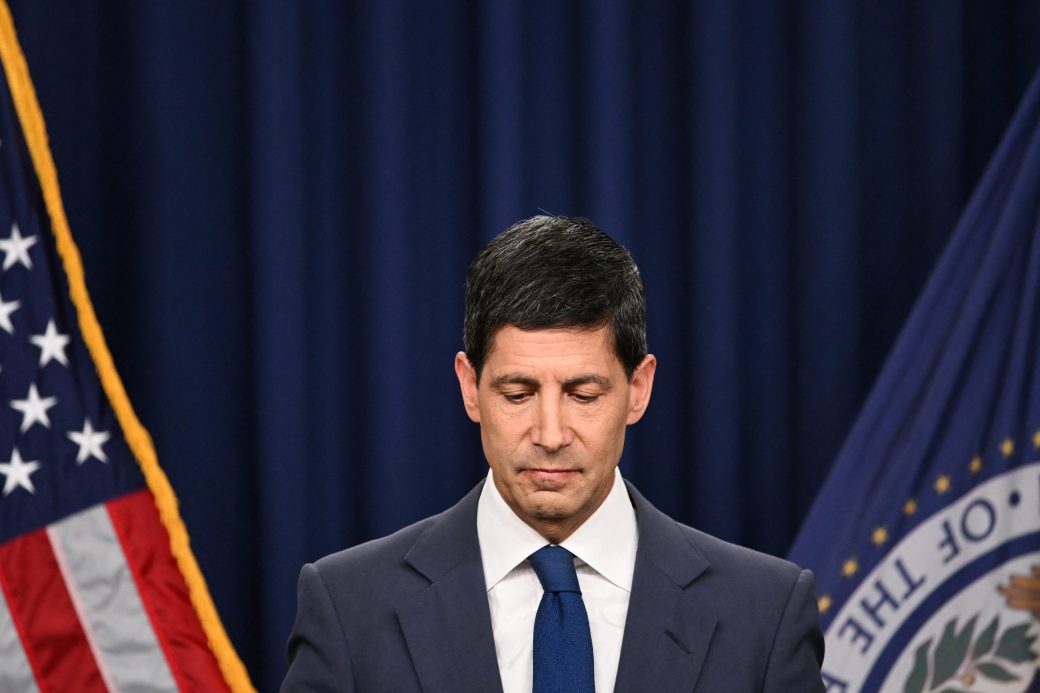
Hotter inflation, oil prices above $100 a barrel, and a 10-year Treasury yield near 5% have revived expectations of additional interest-rate increases. The shift has challenged assumptions that the tightening cycle was finished.
1:14 PMFortune
Stronger-than-expected core consumer prices and rising oil costs have lifted traders’ expectations of a Federal Reserve rate increase. Markets now price an 85% chance of a quarter-point hike at the upcoming meeting, with another increase seen as possible in December.
11:15 AMEconomic TimesTreasury yields stayed near multiyear highs as investors assessed August consumer-price data showing that inflation remains persistent. The report reinforced concerns about how quickly the Federal Reserve can ease policy.
4:37 PMCNBC
Treasury Secretary Scott Bessent's intervention in the yen has influenced currency markets, but US Treasury yields continue to climb. The tension raises questions about whether currency management is distracting from a more important bond-market problem.
1:00 PMFinancial Times
A $6 billion bond operation backed by Treasury Secretary Scott Bessent failed to calm investors as US borrowing costs continued to rise. Market participants said the intervention was too small to counter the broader forces driving the selloff.
12:56 PMFinancial TimesMike Khouw argues that options-market positioning points to a potentially consequential move in bonds and interest rates. The piece frames rates as a central force for asset prices and discusses ways investors can position for the shift.
12:26 PMCNBC
Rising bond yields are creating sharply different outcomes across portfolios. Some investors face losses from falling bond prices, while others gain higher cash income from newly available yields.
12:17 PMMarketWatch
Oil prices fell as markets responded to signs of diplomatic engagement over the Strait of Hormuz. At the same time, Saudi Arabia remains exposed to Houthi attacks, which threaten another critical route for crude exports.
3:07 PMFortune
Yemen’s Houthis have seized territory near the Bab al-Mandab Strait, a critical passage for oil and international shipping. Greater control near the gateway could raise risks for vessels and cargo moving between the Red Sea and the Gulf of Aden.
12:13 PMBBC
India’s benchmark 10-year government bond yield rose five basis points past 7% as the Reserve Bank of India accepted less than half its targeted amount in a three-year bond auction. Higher global risk-free rates and rising crude oil prices added pressure to Indian debt markets.
10:25 PMEconomic TimesJapan's Government Pension Investment Fund could sell as much as $62 billion of US Treasuries without formally changing its asset-allocation policy, according to Santander analysts.
5:08 PMBloomberg MarketsFalling oil prices helped drive a rebound in stocks, but the Federal Reserve's upcoming meeting will provide the next major test for markets. Jim Cramer said investors must weigh the boost from cheaper energy against the risk of tighter monetary policy.
6:35 PMCNBC
US stocks rose despite data showing accelerating consumer prices and stronger expectations of a Federal Reserve rate hike next week. The Dow, S&P 500 and Nasdaq gained, Dell reached a record high, and oil fell on the day but remained sharply higher for the week.
4:14 PMEconomic TimesWall Street is confronting a renewed inflation shock as oil remains above $100 and bond markets resist expectations of greater policy support. Investors are being forced to reconsider bets built around cooling prices and easier financial conditions.
4:24 PMBloomberg MarketsCantor Fitzgerald co-CEO Christian Wall says the cost of building AI infrastructure could drive trillions of dollars in new debt issuance, even as market conditions become more difficult in 2026.
12:17 PMBloomberg Markets
London has roughly 900 fewer listed companies than it did a decade ago, raising concerns about the market's competitiveness. London Stock Exchange chief executive Julia Hoggett rejects the idea that the decline is irreversible and outlines plans to restore the exchange's appeal.
6:40 AMFortuneSummary
Economists say the Federal Reserve has historically been unlikely to stop after raising interest rates only once. The prospect of as many as three increases creates a tougher test for markets than a single, isolated hike.
The key risk is a sustained tightening cycle rather than the initial rate increase. Repeated
Unlock the full First Pass Analysis to get a better understanding of why this story mattersWhy it matters
Markets could reprice sharply if expectations shift from one Fed hike to a sequence of increases.
Summary
Bill Dudley expects the Federal Reserve to raise interest rates by 25 basis points at its next meeting. He says a decision to hold rates steady would be surprising.
A quarter-point increase appears to be the baseline expectation, leaving the Fed's guidance on future
Unlock the full First Pass Analysis to get a better understanding of why this story mattersWhy it matters
The rate decision may be largely priced in, but the Fed's forward guidance can reset bond yields, the dollar, and equity valuations.
Summary
The producer price index increased as energy costs surged, adding to evidence of renewed price pressure in the US economy. Traders responded by raising the probability of a Federal Reserve rate hike next week.
Energy is turning a wholesale-price shock into a stronger case for tighter policy, even if
Unlock the full First Pass Analysis to get a better understanding of why this story mattersWhy it matters
A supply-driven inflation increase is narrowing the Fed's room to support growth without risking another price surge.
Summary
US petrol prices rose 3.9% in August from the previous month and accounted for about one-third of the monthly inflation increase. The jump pushed overall consumer-price growth higher.
Energy is again acting as a direct inflation shock rather than a background cost. If
Unlock the full First Pass Analysis to get a better understanding of why this story mattersWhy it matters
A renewed energy shock can lift inflation expectations and delay monetary easing.
2 stories · 2 sources
Summary
Hotter inflation, oil prices above $100 a barrel, and a 10-year Treasury yield near 5% have revived expectations of additional interest-rate increases. The shift has challenged assumptions that the tightening cycle was finished.
The combination of rising energy costs and higher long-term yields is narrowing policymakers’ room to
Unlock the full First Pass Analysis to get a better understanding of why this story mattersWhy it matters
Renewed tightening expectations can reprice bonds, equities, currencies, and credit at the same time.
Summary
Stronger-than-expected core consumer prices and rising oil costs have lifted traders’ expectations of a Federal Reserve rate increase. Markets now price an 85% chance of a quarter-point hike at the upcoming meeting, with another increase seen as possible in December.
The key change is that markets are moving from a single expected hike toward a
Unlock the full First Pass Analysis to get a better understanding of why this story mattersWhy it matters
Higher rate expectations are tightening financial conditions before the Fed takes its next decision.
Summary
Treasury yields stayed near multiyear highs as investors assessed August consumer-price data showing that inflation remains persistent. The report reinforced concerns about how quickly the Federal Reserve can ease policy.
Sticky inflation is keeping bond investors from pricing an aggressive path toward lower rates. Elevated
Unlock the full First Pass Analysis to get a better understanding of why this story mattersWhy it matters
Higher yields tighten financial conditions even without another immediate rate increase.
Summary
Treasury Secretary Scott Bessent's intervention in the yen has influenced currency markets, but US Treasury yields continue to climb. The tension raises questions about whether currency management is distracting from a more important bond-market problem.
The key shift is that stabilizing the yen has not contained the rise in US
Unlock the full First Pass Analysis to get a better understanding of why this story mattersWhy it matters
The bond market, not the yen, may be the administration's more consequential financial constraint.
Summary
A $6 billion bond operation backed by Treasury Secretary Scott Bessent failed to calm investors as US borrowing costs continued to rise. Market participants said the intervention was too small to counter the broader forces driving the selloff.
The market is signaling that official support cannot substitute for a credible shift in inflation,
Unlock the full First Pass Analysis to get a better understanding of why this story mattersWhy it matters
Persistent bond-market stress can raise government financing costs and tighten credit across the economy.
Summary
Mike Khouw argues that options-market positioning points to a potentially consequential move in bonds and interest rates. The piece frames rates as a central force for asset prices and discusses ways investors can position for the shift.
The decisive signal is rising concern that rate volatility will disrupt portfolios built around stable
Unlock the full First Pass Analysis to get a better understanding of why this story mattersWhy it matters
A sharper bond move would transmit quickly into equities, credit, currencies, and portfolio risk.
Summary
Rising bond yields are creating sharply different outcomes across portfolios. Some investors face losses from falling bond prices, while others gain higher cash income from newly available yields.
Duration determines the divide: long-maturity bonds and rate-sensitive assets lose value as yields rise, while
Unlock the full First Pass Analysis to get a better understanding of why this story mattersWhy it matters
Higher yields redistribute returns across savers rather than affecting every portfolio in the same way.
Summary
Oil prices fell as markets responded to signs of diplomatic engagement over the Strait of Hormuz. At the same time, Saudi Arabia remains exposed to Houthi attacks, which threaten another critical route for crude exports.
The market is treating possible Gulf diplomacy as more immediate than the unresolved threat to
Unlock the full First Pass Analysis to get a better understanding of why this story mattersWhy it matters
The price drop reflects expectations about diplomacy, not the removal of the physical threats to oil transport.
Summary
Yemen’s Houthis have seized territory near the Bab al-Mandab Strait, a critical passage for oil and international shipping. Greater control near the gateway could raise risks for vessels and cargo moving between the Red Sea and the Gulf of Aden.
The immediate market risk is disruption, rerouting, or higher insurance costs for commercial shipping. A
Unlock the full First Pass Analysis to get a better understanding of why this story mattersWhy it matters
A strategic gain near Bab al-Mandab could turn regional conflict into a global transport and energy shock.
Summary
India’s benchmark 10-year government bond yield rose five basis points past 7% as the Reserve Bank of India accepted less than half its targeted amount in a three-year bond auction. Higher global risk-free rates and rising crude oil prices added pressure to Indian debt markets.
The failed auction signals that investors now demand higher compensation to hold Indian government debt,
Unlock the full First Pass Analysis to get a better understanding of why this story mattersWhy it matters
A persistent move above 7% would raise funding costs across the economy and complicate India’s monetary and fiscal policy.
Summary
Japan's Government Pension Investment Fund could sell as much as $62 billion of US Treasuries without formally changing its asset-allocation policy, according to Santander analysts.
The potential sale would add a major source of supply to the Treasury market even
Unlock the full First Pass Analysis to get a better understanding of why this story mattersWhy it matters
A large shift by Japan's biggest pension fund could tighten global financial conditions and raise US government borrowing costs.
Summary
Falling oil prices helped drive a rebound in stocks, but the Federal Reserve's upcoming meeting will provide the next major test for markets. Jim Cramer said investors must weigh the boost from cheaper energy against the risk of tighter monetary policy.
Lower oil prices can support consumers and reduce inflation pressure, but the Fed's response will
Unlock the full First Pass Analysis to get a better understanding of why this story mattersWhy it matters
Markets face a direct contest between improving energy costs and the possibility of renewed pressure from monetary policy.
Summary
US stocks rose despite data showing accelerating consumer prices and stronger expectations of a Federal Reserve rate hike next week. The Dow, S&P 500 and Nasdaq gained, Dell reached a record high, and oil fell on the day but remained sharply higher for the week.
Stocks absorbed a more hawkish rate outlook, suggesting investors see enough earnings or sector-specific strength
Unlock the full First Pass Analysis to get a better understanding of why this story mattersWhy it matters
Equities are holding up against tighter monetary policy, but persistent energy inflation remains the key threat to that trade.
Summary
Wall Street is confronting a renewed inflation shock as oil remains above $100 and bond markets resist expectations of greater policy support. Investors are being forced to reconsider bets built around cooling prices and easier financial conditions.
The decisive shift is the return of inflation risk alongside heavy concentration in artificial intelligence
Unlock the full First Pass Analysis to get a better understanding of why this story mattersWhy it matters
Markets may be pricing an AI-led expansion while the macro backdrop is moving toward tighter financial conditions.
Summary
Cantor Fitzgerald co-CEO Christian Wall says the cost of building AI infrastructure could drive trillions of dollars in new debt issuance, even as market conditions become more difficult in 2026.
The AI buildout is shifting from a technology investment story into a major credit-market event.
Unlock the full First Pass Analysis to get a better understanding of why this story mattersWhy it matters
AI spending could reshape corporate borrowing and create financial risks well beyond the technology sector.
Summary
London has roughly 900 fewer listed companies than it did a decade ago, raising concerns about the market's competitiveness. London Stock Exchange chief executive Julia Hoggett rejects the idea that the decline is irreversible and outlines plans to restore the exchange's appeal.
The listing shortfall reflects a structural problem in attracting and retaining companies, not just a
Unlock the full First Pass Analysis to get a better understanding of why this story mattersWhy it matters
A shrinking public market reduces investment opportunities and weakens London's role as a global financial center.
A curated list of other prominent stories from this day.

Canadians are responding to new US tariffs by favoring domestic products, but the buy-local movement faces a cost test. Shoppers may have to pay more if imported goods become less competitive.
8:52 PMAl Jazeera
The article presents an investment yielding 4.7% as a relatively resilient safe haven across changes in US political control. It argues that investors may be overlooking this source of income and protection.
2:01 PMMarketWatch
Leopold Aschenbrenner's hedge fund, Situational Awareness, is developing relationships with new brokers as it seeks to recover from losses suffered during an AI-related sell-off. The effort comes as the fund works to rebuild its market footing.
4:51 PMFinancial TimesInflation remained elevated in August, driven largely by higher energy prices linked to the Iran war, according to economists.
1:14 PMCNBC
A new study challenges the assumption that population decline automatically weakens an economy or its stock market. It argues that demographic contraction can coexist with economic and market gains under the right conditions.
1:09 PMMarketWatchA group of market experts sets out its latest buy, sell and hold views on Rosebank Industries, SigmaRoc and Ashmore. The discussion focuses on company-specific opportunities rather than a broad market call.
1:00 PMFinancial Times
Redemption requests at BlackRock's flagship private credit fund declined in the third quarter, and withdrawals from other funds also eased. Analysts linked the improvement to better investor sentiment and a reduction in the sector's redemption backlog.
12:51 PMEconomic Times
US consumer prices rose 0.4% in August and 3.4% from a year earlier, with housing and gasoline adding to household costs. The increase is hitting consumers who have already cut back on discretionary purchases.
12:34 PMPYMNTS
Treasury Secretary Scott Bessent said he would continue pursuing his approach despite criticism from financial-market commentators. He dismissed the criticism as noise and questioned the basis for the backlash.
7:57 AMFortuneSummary
Canadians are responding to new US tariffs by favoring domestic products, but the buy-local movement faces a cost test. Shoppers may have to pay more if imported goods become less competitive.
Tariffs shift the dispute from government policy to household budgets, forcing consumers and businesses to
Unlock the full First Pass Analysis to get a better understanding of why this story mattersWhy it matters
The trade conflict risks raising prices and disrupting the tightly integrated Canadian and US economies.
Summary
The article presents an investment yielding 4.7% as a relatively resilient safe haven across changes in US political control. It argues that investors may be overlooking this source of income and protection.
The appeal is limited exposure to partisan policy swings combined with a meaningful yield, but
Unlock the full First Pass Analysis to get a better understanding of why this story mattersWhy it matters
Political uncertainty is increasing demand for assets that can preserve income without relying on a particular party's policies.
Summary
Leopold Aschenbrenner's hedge fund, Situational Awareness, is developing relationships with new brokers as it seeks to recover from losses suffered during an AI-related sell-off. The effort comes as the fund works to rebuild its market footing.
The fund's broker outreach signals that rebuilding execution access and counterparty confidence is now as
Unlock the full First Pass Analysis to get a better understanding of why this story mattersWhy it matters
The episode shows how an AI trade reversal can damage a hedge fund's operating infrastructure, not just its returns.
Summary
Inflation remained elevated in August, driven largely by higher energy prices linked to the Iran war, according to economists.
The shock complicates central-bank policy because energy costs can lift headline inflation while also weakening
Unlock the full First Pass Analysis to get a better understanding of why this story mattersWhy it matters
Geopolitical energy disruptions are creating a stagflation risk for consumers, businesses, and monetary policymakers.
Summary
A new study challenges the assumption that population decline automatically weakens an economy or its stock market. It argues that demographic contraction can coexist with economic and market gains under the right conditions.
The important change is moving from population totals to productivity, capital intensity, and output per
Unlock the full First Pass Analysis to get a better understanding of why this story mattersWhy it matters
Investors should treat population decline as a risk factor, not a standalone forecast for weak economic or equity returns.
Summary
A group of market experts sets out its latest buy, sell and hold views on Rosebank Industries, SigmaRoc and Ashmore. The discussion focuses on company-specific opportunities rather than a broad market call.
The actionable shift is at the stock level, with investors weighing individual earnings prospects and
Unlock the full First Pass Analysis to get a better understanding of why this story mattersWhy it matters
Stock selection matters more when inflation and interest-rate uncertainty make broad market exposure less reliable.
Summary
Redemption requests at BlackRock's flagship private credit fund declined in the third quarter, and withdrawals from other funds also eased. Analysts linked the improvement to better investor sentiment and a reduction in the sector's redemption backlog.
The immediate shift is from accelerating withdrawals toward stabilization, reducing near-term liquidity pressure on private
Unlock the full First Pass Analysis to get a better understanding of why this story mattersWhy it matters
Easing withdrawals give private credit firms breathing room, but the sector's resilience still depends on asset quality and liquidity.
Summary
US consumer prices rose 0.4% in August and 3.4% from a year earlier, with housing and gasoline adding to household costs. The increase is hitting consumers who have already cut back on discretionary purchases.
The inflation burden is shifting toward essential expenses, leaving households with fewer painless ways to
Unlock the full First Pass Analysis to get a better understanding of why this story mattersWhy it matters
Higher costs for shelter and fuel are tightening household budgets and threatening consumer-led growth.
Summary
Treasury Secretary Scott Bessent said he would continue pursuing his approach despite criticism from financial-market commentators. He dismissed the criticism as noise and questioned the basis for the backlash.
The dispute signals tension between the administration's policy agenda and investors who fear its effects
Unlock the full First Pass Analysis to get a better understanding of why this story mattersWhy it matters
The exchange underscores how political messaging can become a market variable when investors question economic policy credibility.
Make it yours
Pick your topics, set your cadence, and receive your personalized First Pass in your inbox. It’s that simple!
