
China is projected to invest $940 billion in energy in 2026, more than any other country, according to the Global Energy Transition Report 2026.
11:02 PMBloomberg Markets9 stories from 4 sources
Supporting Articles
China is projected to invest $940 billion in energy in 2026, more than any other country, according to the Global Energy Transition Report 2026.
11:02 PMBloomberg MarketsRussia launched waves of ballistic missiles against Kyiv, damaging power facilities and a major bridge. The strikes came just days before planned US-brokered talks between Russia and Ukraine.
10:03 AMCNBCDemocratic gains in the midterm elections delivered a setback to Trump and Republican efforts to weaken renewable energy policy. The result gives clean-energy advocates and investors a stronger political opening.
9:33 AMCNBCSummary
China is projected to invest $940 billion in energy in 2026, more than any other country, according to the Global Energy Transition Report 2026.
The forecast positions China as the world’s largest energy capital allocator, reinforcing its role in
Unlock the full First Pass Analysis to get a better understanding of why this story mattersWhy it matters
China’s spending plans could set the pace for global energy markets, manufacturing demand, and the transition to lower-carbon power.
Summary
Russia launched waves of ballistic missiles against Kyiv, damaging power facilities and a major bridge. The strikes came just days before planned US-brokered talks between Russia and Ukraine.
The attacks show Moscow applying military pressure immediately before negotiations, while targeting infrastructure that affects
Unlock the full First Pass Analysis to get a better understanding of why this story mattersWhy it matters
Continued strikes on energy and transport infrastructure threaten Ukraine's economic resilience and weaken the prospects for near-term diplomacy.
Summary
Democratic gains in the midterm elections delivered a setback to Trump and Republican efforts to weaken renewable energy policy. The result gives clean-energy advocates and investors a stronger political opening.
The election reduces the momentum behind a federal rollback of renewable incentives and climate regulations,
Unlock the full First Pass Analysis to get a better understanding of why this story mattersWhy it matters
Political risk is shifting away from clean-energy expansion and toward efforts to reverse it.
A curated list of other prominent stories from this day.
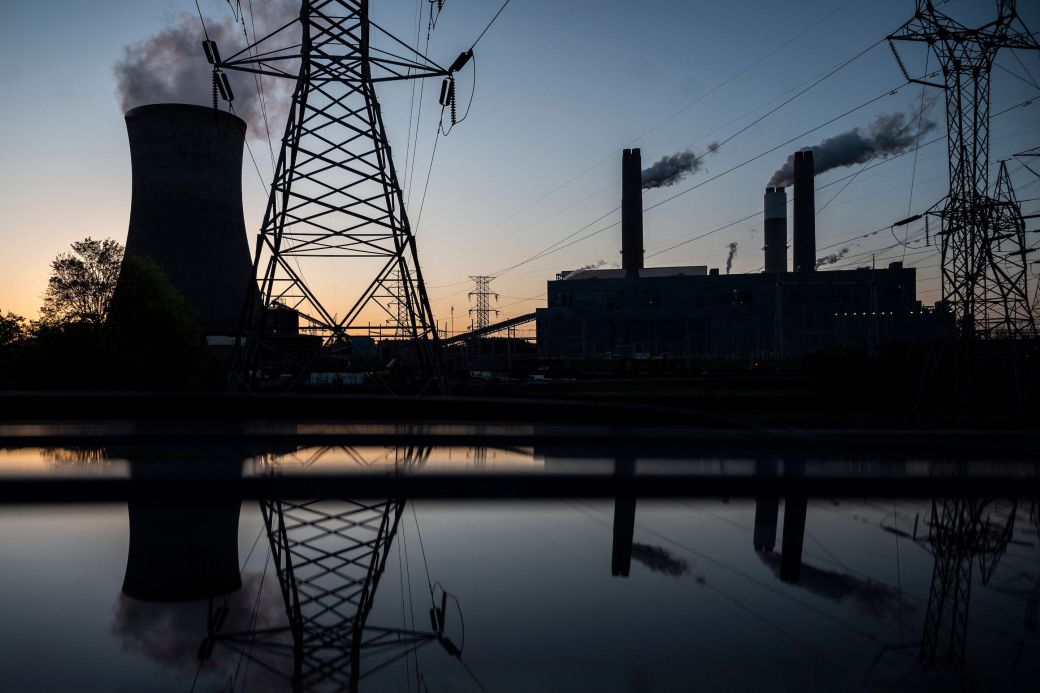
The available summary says Jim Zeigler, a longtime Alabama candidate, will return to the Public Service Commission 48 years after leaving it. It does not provide information about Alabama Power's advertising spending or customer billing.
6:30 PMFortuneThe war in Iran has pushed US oil prices higher, raising household costs nationwide. Alaska benefits from increased oil revenue, allowing the state to offset some of the pressure through government finances and payments from its sovereign wealth fund.
10:04 AMBloomberg Markets
The race to expand computing capacity is becoming a race to secure electricity, and new data centers will need power delivered on an accelerated timetable.
8:30 AMFortune
No Russian diesel has reached the United States since the Trump-Putin deal, as tankers divert and buyers avoid cargoes that could trigger legal action.
7:24 AMAl Jazeera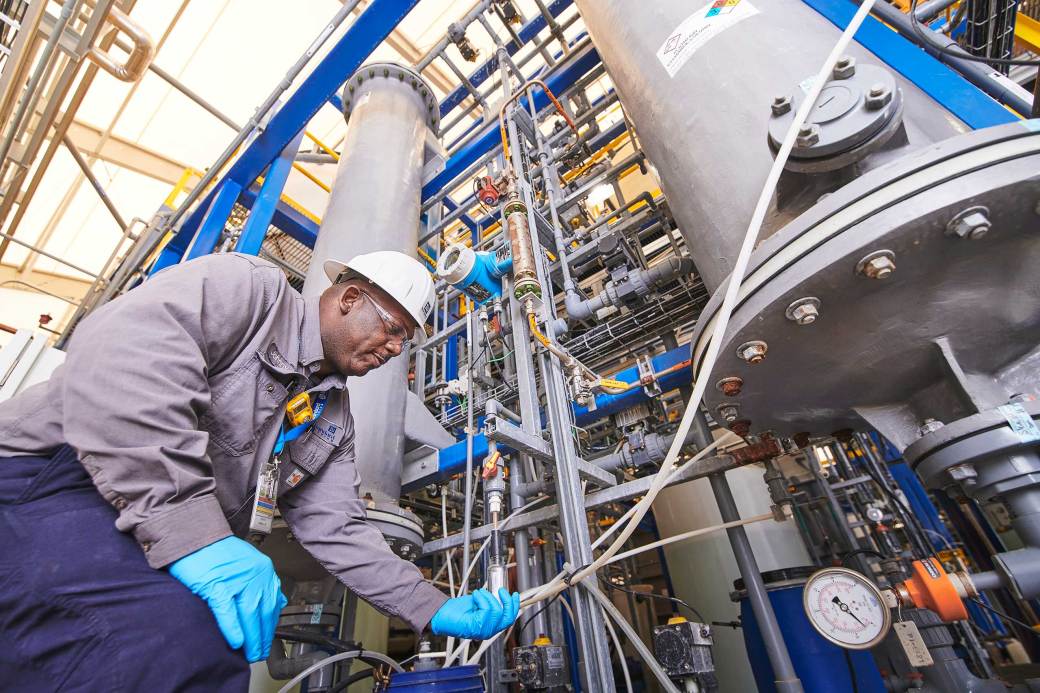
Standard Lithium, EnergyX, Exxon, and Chevron are pursuing direct lithium extraction in the Smackover formation, a mineral-rich region spanning parts of the southern United States. They aim to build a domestic lithium supply hub and reduce U.S. reliance on China.
3:06 AMFortuneCountries and companies are competing to build the first commercial fusion power plant, seeking to turn the technology's promise of abundant, low-carbon electricity into a viable energy source. Europe is looking to Japan for technical and industrial support in that effort.
1:00 AMCNBCSummary
The available summary says Jim Zeigler, a longtime Alabama candidate, will return to the Public Service Commission 48 years after leaving it. It does not provide information about Alabama Power's advertising spending or customer billing.
The confirmed development is Zeigler's return to the commission, which could affect oversight of Alabama's
Unlock the full First Pass Analysis to get a better understanding of why this story mattersWhy it matters
The headline's central claims cannot be assessed from the supplied summary, leaving the consumer-cost implications unresolved.
Summary
The war in Iran has pushed US oil prices higher, raising household costs nationwide. Alaska benefits from increased oil revenue, allowing the state to offset some of the pressure through government finances and payments from its sovereign wealth fund.
Higher oil prices create a sharp regional split: consumers pay more, while Alaska captures additional
Unlock the full First Pass Analysis to get a better understanding of why this story mattersWhy it matters
Energy shocks redistribute wealth unevenly, turning Alaska's oil dependence into a short-term fiscal advantage.
Summary
The race to expand computing capacity is becoming a race to secure electricity, and new data centers will need power delivered on an accelerated timetable.
Restricting data-center construction without expanding generation and grid capacity could push investment and technological development
Unlock the full First Pass Analysis to get a better understanding of why this story mattersWhy it matters
Control over electricity infrastructure is becoming a determinant of AI competitiveness and broader economic power.
Summary
No Russian diesel has reached the United States since the Trump-Putin deal, as tankers divert and buyers avoid cargoes that could trigger legal action.
The deal has not removed the legal and sanctions risk shaping energy trade. Traders, shippers,
Unlock the full First Pass Analysis to get a better understanding of why this story mattersWhy it matters
The episode shows that political agreements cannot quickly override the compliance systems governing global oil markets.
Summary
Standard Lithium, EnergyX, Exxon, and Chevron are pursuing direct lithium extraction in the Smackover formation, a mineral-rich region spanning parts of the southern United States. They aim to build a domestic lithium supply hub and reduce U.S. reliance on China.
The key shift is that established oil companies are applying subsurface expertise and existing regional
Unlock the full First Pass Analysis to get a better understanding of why this story mattersWhy it matters
Domestic lithium production would reduce a strategic vulnerability for the U.S. electric vehicle and battery industries.
Summary
Countries and companies are competing to build the first commercial fusion power plant, seeking to turn the technology's promise of abundant, low-carbon electricity into a viable energy source. Europe is looking to Japan for technical and industrial support in that effort.
The competition is shifting from proving fusion science to building an operational plant at commercial
Unlock the full First Pass Analysis to get a better understanding of why this story mattersWhy it matters
The first successful fusion plant could reshape long-term power markets, but the race will also influence which countries control the technology and its industrial base.
Make it yours
Pick your topics, set your cadence, and receive your personalized First Pass in your inbox. It’s that simple!