Oil repricing dominates as diplomacy collides with energy infrastructure risk
Day’s Recap
“
”
Supporting Articles
Hedge funds cut bullish crude positions by the most since June as the US and Iran exchanged unusually conciliatory signals. That positioning left them positioned to benefit when oil prices fell after Democrats won control of Congress.
4:29 PMBloomberg Markets
Oil prices fell below $100 as traders reduced bets on a wider conflict. The decline reflects easing near-term fear, not a confirmed or durable peace.
7:33 AMBloomberg Markets
Oil prices rose as investors assessed the risk of renewed U.S.-Iran military escalation after the midterm elections alongside the possibility of diplomatic progress.
5:00 AMCNBC
Oil prices reversed an earlier rise as traders assessed reports that the United States is engaging in efforts to advance Middle East negotiations.
3:38 AMBloomberg Markets
Rapidan Energy President Bob McNally forecasts that renewed U.S.-Iran tensions could drive both Brent and West Texas Intermediate crude futures above $100 a barrel.
12:27 AMCNBC
Voters rejected data-center projects in most of the local contests described, raising fresh barriers to AI infrastructure expansion. OpenAI responded by pledging to pay its own electricity costs and provide financial guarantees for planned projects.
4:46 PMFortune
Data centers could receive faster grid service without preferential treatment if they make their electricity demand more predictable, controllable and financially secure. The approach would tie faster interconnection to measurable improvements in grid reliability and project economics.
10:27 AMUtility Dive
Ukraine struck a sixth Russian crude-processing plant in a week, escalating its campaign against the country's energy infrastructure. The attacks forced a major refinery to suspend operations.
5:44 AMBloomberg Markets
Iran says ships from India, China, Qatar, and Iraq can cross the Strait of Hormuz without restrictions, while other vessels face tighter controls. Analysts warn that the exemptions carry political risks.
1:06 AMAl Jazeera
Hindustan Petroleum says securing tankers to transport cargoes through the Strait of Hormuz remains difficult, despite more vessels crossing and rising crude flows from the region.
12:31 AMBloomberg Markets
A bipartisan permitting bill is advancing in Congress and could shorten the path for energy projects while potentially lowering utility bills. It could also accelerate polluting projects and reduce oversight of new data centers, whose electricity demand is rising rapidly.
1:42 PMThe Verge
4:29 PMBloomberg Markets
Hedge Funds Fled Bullish Oil Bets Ahead of Election Day Drop
Summary
Hedge funds cut bullish crude positions by the most since June as the US and Iran exchanged unusually conciliatory signals. That positioning left them positioned to benefit when oil prices fell after Democrats won control of Congress.
The key shift was a rapid unwind of long oil exposure before a politically driven
Unlock the full First Pass Analysis to get a better understanding of why this story matters
Why it matters
Oil markets are pricing diplomacy and political risk more aggressively, increasing the chance of sharp moves when either changes direction.
Oil prices set for sharp weekly fall after midterm elections as investors weigh Iran conflict risk
Summary
Oil prices rose as investors assessed the risk of renewed U.S.-Iran military escalation after the midterm elections alongside the possibility of diplomatic progress.
Markets are pricing a wider range of outcomes, from confrontation that threatens regional supply to
Unlock the full First Pass Analysis to get a better understanding of why this story matters
Why it matters
A shift in U.S.-Iran relations could quickly alter both oil prices and the security outlook for Gulf energy flows.
Renewed U.S.-Iran tension could push oil past $100: Rapidan Energy
Summary
Rapidan Energy President Bob McNally forecasts that renewed U.S.-Iran tensions could drive both Brent and West Texas Intermediate crude futures above $100 a barrel.
The forecast puts geopolitical risk at the center of the oil outlook, with escalation capable
Unlock the full First Pass Analysis to get a better understanding of why this story matters
Why it matters
A return to triple-digit oil would revive inflation risks and complicate monetary policy worldwide.
The midterms didn’t stop the AI buildout. They simply repriced it—and OpenAI is already promising to pay up
Summary
Voters rejected data-center projects in most of the local contests described, raising fresh barriers to AI infrastructure expansion. OpenAI responded by pledging to pay its own electricity costs and provide financial guarantees for planned projects.
The AI buildout now faces a higher cost of local acceptance, not an outright halt.
Unlock the full First Pass Analysis to get a better understanding of why this story matters
Why it matters
Local opposition is turning data-center growth from a capacity race into a capital-intensive test of who pays for its infrastructure costs.
Data centers don’t need special treatment to get power faster
Summary
Data centers could receive faster grid service without preferential treatment if they make their electricity demand more predictable, controllable and financially secure. The approach would tie faster interconnection to measurable improvements in grid reliability and project economics.
The decisive shift is from prioritizing data centers by status to prioritizing projects that reduce
Unlock the full First Pass Analysis to get a better understanding of why this story matters
Why it matters
Grid access may increasingly depend on how much risk large power users can remove, not how politically important they are.
Kyiv Hits Sixth Russian Oil Plant in Week as Strikes Pick Up
Summary
Ukraine struck a sixth Russian crude-processing plant in a week, escalating its campaign against the country's energy infrastructure. The attacks forced a major refinery to suspend operations.
The pace of strikes is increasing pressure on Russia's fuel system and could disrupt domestic
Unlock the full First Pass Analysis to get a better understanding of why this story matters
Why it matters
Ukraine is turning Russia's energy network into a more central front in the war.
Why is Iran exempting India, China, Qatar, Iraq from Hormuz restrictions?
Summary
Iran says ships from India, China, Qatar, and Iraq can cross the Strait of Hormuz without restrictions, while other vessels face tighter controls. Analysts warn that the exemptions carry political risks.
Tehran is using access through Hormuz selectively, preserving ties with key partners while applying pressure
Unlock the full First Pass Analysis to get a better understanding of why this story matters
Why it matters
Selective passage through the world's critical energy chokepoint could alter trade routes and deepen regional tensions.
India’s HPCL Says Booking Tankers for Hormuz Still Complicated
Summary
Hindustan Petroleum says securing tankers to transport cargoes through the Strait of Hormuz remains difficult, despite more vessels crossing and rising crude flows from the region.
Tanker access remains a bottleneck even as physical supply through the strait improves. Refiners face
Unlock the full First Pass Analysis to get a better understanding of why this story matters
Why it matters
The episode shows that energy-market risk extends beyond crude availability to the vessels needed to move it.
Lame-duck Congress might actually do something: speed up energy projects
Summary
A bipartisan permitting bill is advancing in Congress and could shorten the path for energy projects while potentially lowering utility bills. It could also accelerate polluting projects and reduce oversight of new data centers, whose electricity demand is rising rapidly.
The bill would trade some regulatory review for faster infrastructure construction, affecting clean energy, fossil
Unlock the full First Pass Analysis to get a better understanding of why this story matters
Why it matters
Permitting reform could determine how quickly the United States expands power supply and whether the transition produces cheaper electricity or faster environmental damage.
A curated list of other prominent stories from this day.
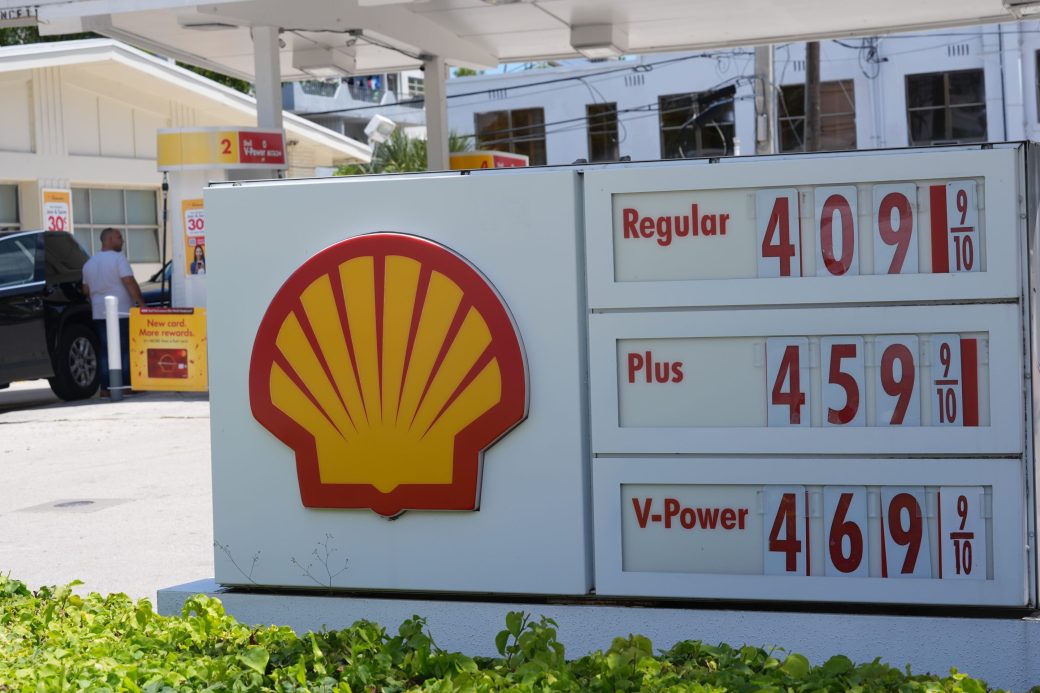
Gasoline reached $4.15 per gallon on Election Day, nearly 40% above its price when the Iran war began and higher than on any previous Election Day. The article connects the price shock to the political damage inflation caused Republicans after Gerald Ford's 1974 anti-inflation campaign.
3:15 PMFortune
Duke Energy is maintaining a 15.4 GW pipeline of large-load projects, largely tied to data centers, while pursuing a $103 billion investment plan centered on new natural gas generation. The pipeline has changed little since the first quarter of 2026 despite the election.
1:00 PMUtility Dive
Taiwan says it will close its representative office in Papua New Guinea and stop buying liquefied natural gas from Port Moresby, blaming Chinese pressure.
11:40 AMAl Jazeera
Sempra expects to raise Oncor’s capital spending plan by 20% as electricity demand grows across Texas. CEO Allen Nye said it is too early to assess how the midterm election results will affect the utility.
11:10 AMUtility Dive
Eversource says its financial risk has eased after Revolution Wind reached full commercial operations. Third-quarter net income fell 22% year over year to $346 million, partly because the company no longer received income from Aquarion, which it sold in June.
9:44 AMUtility Dive
DTE Energy plans to increase its investment program by 30% and sell DTE Vantage, its unregulated subsidiary, for $3 billion to help fund that growth. The transaction will leave the company focused on its regulated utility operations and comes as Michigan considers multi-year rate-making.
9:15 AMUtility Dive
U.S. crude imports from Venezuela averaged 701,000 barrels per day in July 2026, the highest level since May 2017. Imports declined to 655,000 barrels per day in August.
9:00 AMU.S. Energy Information Administration
3:15 PMFortune
Gas was pricier on this Election Day than any before it — up almost 40% to $4.15 a gallon since the Iran war began
Summary
Gasoline reached $4.15 per gallon on Election Day, nearly 40% above its price when the Iran war began and higher than on any previous Election Day. The article connects the price shock to the political damage inflation caused Republicans after Gerald Ford's 1974 anti-inflation campaign.
Energy costs have become a direct political liability for the party in power. Voters feel
Unlock the full First Pass Analysis to get a better understanding of why this story matters
Why it matters
A sustained fuel shock could reshape electoral outcomes by turning foreign policy and energy markets into pocketbook issues.
Duke Energy to stay course on data center-fueled growth plan after ‘historic’ election
Summary
Duke Energy is maintaining a 15.4 GW pipeline of large-load projects, largely tied to data centers, while pursuing a $103 billion investment plan centered on new natural gas generation. The pipeline has changed little since the first quarter of 2026 despite the election.
Duke is treating data center demand as durable enough to preserve its expansion strategy through
Unlock the full First Pass Analysis to get a better understanding of why this story matters
Why it matters
Duke’s unchanged pipeline signals that data center growth is becoming a central driver of utility capital spending and gas demand.
Taiwan to close representative office in Papua New Guinea, blames China
Summary
Taiwan says it will close its representative office in Papua New Guinea and stop buying liquefied natural gas from Port Moresby, blaming Chinese pressure.
The dispute is moving beyond diplomacy into trade and energy. Papua New Guinea faces the
Unlock the full First Pass Analysis to get a better understanding of why this story matters
Why it matters
The rupture shows how competition between Beijing and Taipei is reshaping relationships across the Pacific.
Sempra expects 20% increase to Oncor’s capex plan, driven by load growth
Summary
Sempra expects to raise Oncor’s capital spending plan by 20% as electricity demand grows across Texas. CEO Allen Nye said it is too early to assess how the midterm election results will affect the utility.
Texas load growth is pushing Oncor toward a larger buildout of transmission and distribution infrastructure.
Unlock the full First Pass Analysis to get a better understanding of why this story matters
Why it matters
Texas utilities are converting rapid demand growth into a major new infrastructure investment cycle.
Eversource’s financial risk eases as Revolution Wind hits full commercial operations: CEO
Summary
Eversource says its financial risk has eased after Revolution Wind reached full commercial operations. Third-quarter net income fell 22% year over year to $346 million, partly because the company no longer received income from Aquarion, which it sold in June.
Revolution Wind’s operating status removes a major execution and construction risk from Eversource’s portfolio, although
Unlock the full First Pass Analysis to get a better understanding of why this story matters
Why it matters
A large offshore wind project has moved from balance-sheet risk toward operating-asset returns for Eversource.
DTE expands investment plan 30%, will sell unregulated subsidiary to fund growth
Summary
DTE Energy plans to increase its investment program by 30% and sell DTE Vantage, its unregulated subsidiary, for $3 billion to help fund that growth. The transaction will leave the company focused on its regulated utility operations and comes as Michigan considers multi-year rate-making.
The sale shifts DTE toward a simpler, regulated business while freeing capital for utility infrastructure
Unlock the full First Pass Analysis to get a better understanding of why this story matters
Why it matters
DTE is exchanging diversification for regulated growth, making investment returns more dependent on Michigan rate policy.
U.S. crude oil imports from Venezuela in July were highest since 2017
Summary
U.S. crude imports from Venezuela averaged 701,000 barrels per day in July 2026, the highest level since May 2017. Imports declined to 655,000 barrels per day in August.
The July increase expands Venezuela’s role in U.S. crude supply after years of limited trade.
Unlock the full First Pass Analysis to get a better understanding of why this story matters
Why it matters
Rising Venezuelan flows show how policy changes are reshaping U.S. crude sourcing and regional energy relationships.