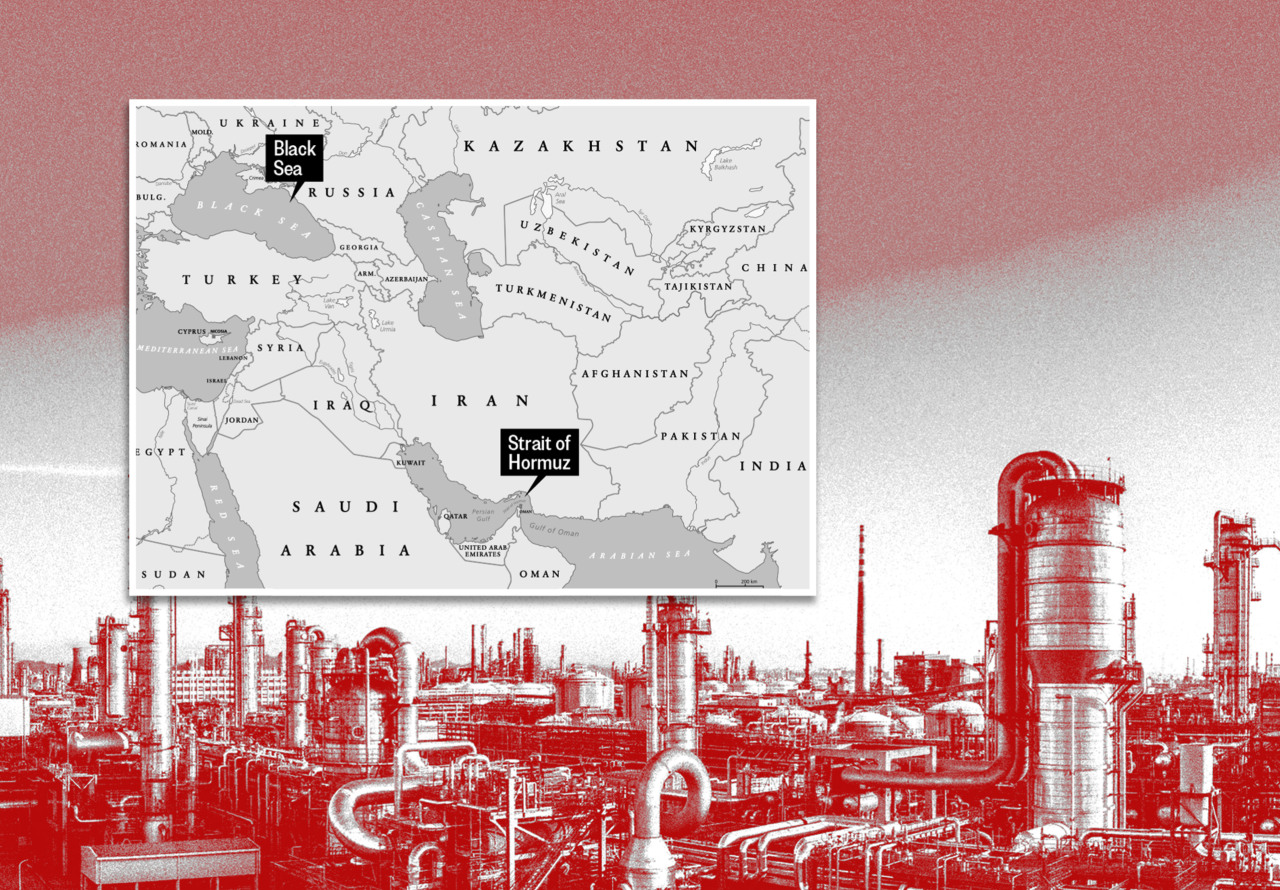
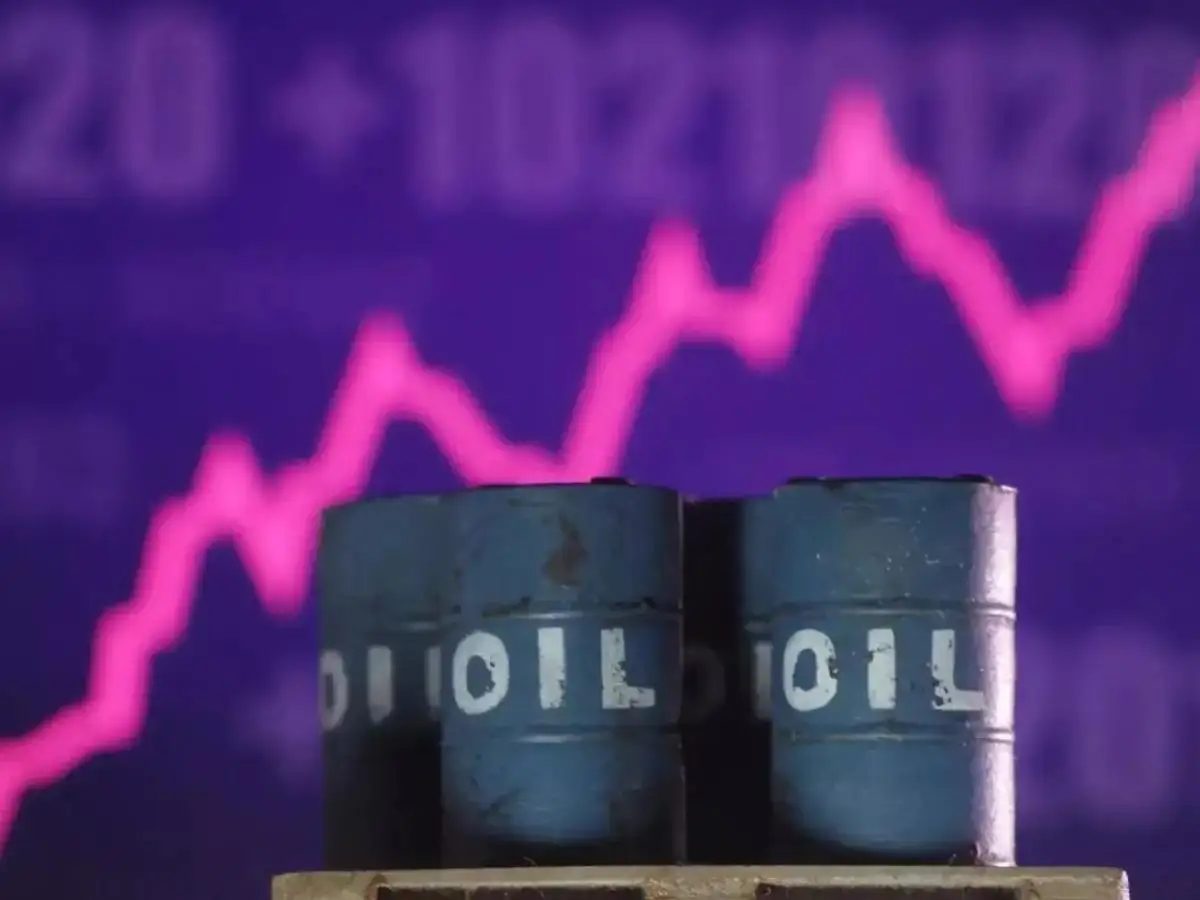
Oil prices have risen sharply toward $100 a barrel as attacks and territorial developments involving Iran-aligned Houthi forces threaten shipping through the Red Sea and raise concerns about the Strait of Hormuz. Analysts warn that a broader escalation could push prices to $120 a barrel while disrupting maritime trade.
10:08 PMEconomic Times44 stories from 10 sources
Oil shock spreads through fuel markets and energy investment
Day’s Recap
Supporting Articles

Oil prices rose to $105 as attacks on oil tankers intensified during the U.S.-Iran war. The jump is increasing expectations that the Federal Reserve could raise interest rates.
12:05 PMAl Jazeera
Saudi Arabia has reduced oil production to its lowest level of the year after Houthi rebels declared a maritime embargo against the kingdom’s exports in July. The cuts reflect efforts to manage security risks around shipments from the world’s largest oil exporter.
8:06 AMFinancial Times
Crude oil rose above $100 a barrel and diesel reached record highs as the escalation of the Iran conflict increased fears about supply disruptions.
3:05 AMFortuneRecord diesel prices and rising natural-gas costs are set to increase expenses across commuting, freight, food distribution and other parts of the economy. Diesel affects a wide range of goods and services because it powers much of the transport and logistics system.
10:22 AMMarketWatch
California diesel prices have reached levels high enough to exceed some fuel-pump display limits as a global supply shortage worsens. The surge marks a new record for a fuel central to trucking, agriculture and industrial activity.
6:07 PMFortuneThe Middle East conflict is obscuring separate disruptions tied to the war in Russia, including outages that are tightening diesel supplies. The combined shocks are raising risks for fuel markets and food costs.
3:38 PMMarketWatchRecord diesel prices are feeding into transportation and other operating costs across the economy. The article links the increase to inflation measures and to the policy calculations facing the Federal Reserve and the European Central Bank.
6:53 AMMarketWatch
China has temporarily suspended construction of new power and energy-storage battery manufacturing projects while authorities review industry capacity through year-end.
8:22 PMBloomberg Markets
The UK may need up to £70 billion of grid investment by the early 2030s to replace aging infrastructure and support rising electricity demand. Delays could increase the cost passed on to consumers by billions of pounds.
7:01 PMBloomberg Markets
China built up crude inventories before the Iran war and has since reduced its purchases, helping offset disrupted supply and limit the rise in global oil prices. Its stockpiling gave the market an unexpected buffer as geopolitical risk intensified.
2:23 AMCNBC
U.S. solar generation is forecast to rise 21% this year and 18% in 2027. Electricity demand is expected to grow 2% in both years, driven by data centers and expanded manufacturing.
10:18 AMUtility Dive
Ukrainian long-range drones struck key Russian gas facilities in the Arctic, marking one of the war's deepest attacks inside Russia. The strikes raise questions about how far Ukraine can extend the conflict beyond the front lines.
6:38 AMAl JazeeraDilip Buildcon received a letter of intent from India's petroleum regulator to develop an LPG pipeline from Paradip to Raipur. The exclusive licence covers financing, construction, operation and the collection of transportation tariffs through the designated delivery point.
2:21 AMEconomic TimesOil Price Today (September 11): Crude oil soars 13% this week, set to close week above $100 after 4 months. What are experts saying?
Summary
Oil prices have risen sharply toward $100 a barrel as attacks and territorial developments involving Iran-aligned Houthi forces threaten shipping through the Red Sea and raise concerns about the Strait of Hormuz. Analysts warn that a broader escalation could push prices to $120 a barrel while disrupting maritime trade.
The decisive shift is the move from regional conflict to a direct risk premium on
Unlock the full First Pass Analysis to get a better understanding of why this story mattersWhy it matters
Threats to major shipping chokepoints could turn a geopolitical shock into a global inflation and growth problem.
5 stories · 3 sources

Oil jumps to $105, pushing up chances of a US interest rate increase
Summary
Oil prices rose to $105 as attacks on oil tankers intensified during the U.S.-Iran war. The jump is increasing expectations that the Federal Reserve could raise interest rates.
The immediate shift is from geopolitical conflict to an inflationary energy shock. Higher fuel costs
Unlock the full First Pass Analysis to get a better understanding of why this story mattersWhy it matters
A sustained oil shock could turn a security crisis into a broader inflation and interest-rate problem.

Saudi Arabia cuts oil output to lowest this year on Houthi threats
Summary
Saudi Arabia has reduced oil production to its lowest level of the year after Houthi rebels declared a maritime embargo against the kingdom’s exports in July. The cuts reflect efforts to manage security risks around shipments from the world’s largest oil exporter.
The threat is turning a security problem into a supply constraint, even before any sustained
Unlock the full First Pass Analysis to get a better understanding of why this story mattersWhy it matters
Reduced Saudi spare capacity would make any new disruption harder for global buyers and refiners to absorb.

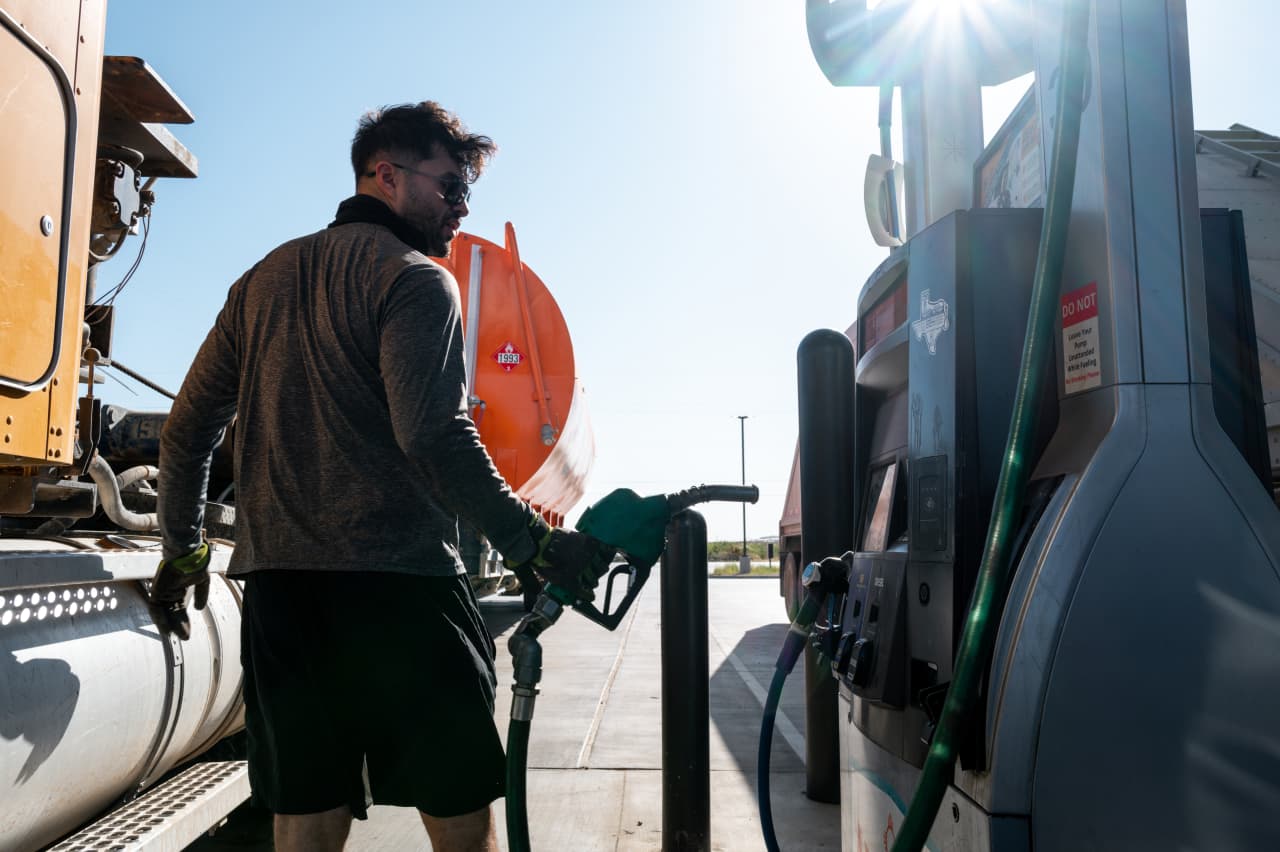
‘We worry now’: Oil tops $100, diesel hits record highs amid Iran war escalation
Summary
Crude oil rose above $100 a barrel and diesel reached record highs as the escalation of the Iran conflict increased fears about supply disruptions.
The price shock will spread first through transport, agriculture, and manufacturing, then into consumer inflation
Unlock the full First Pass Analysis to get a better understanding of why this story mattersWhy it matters
Sustained fuel inflation could slow economies and narrow policymakers’ room to fight both prices and conflict-related instability.
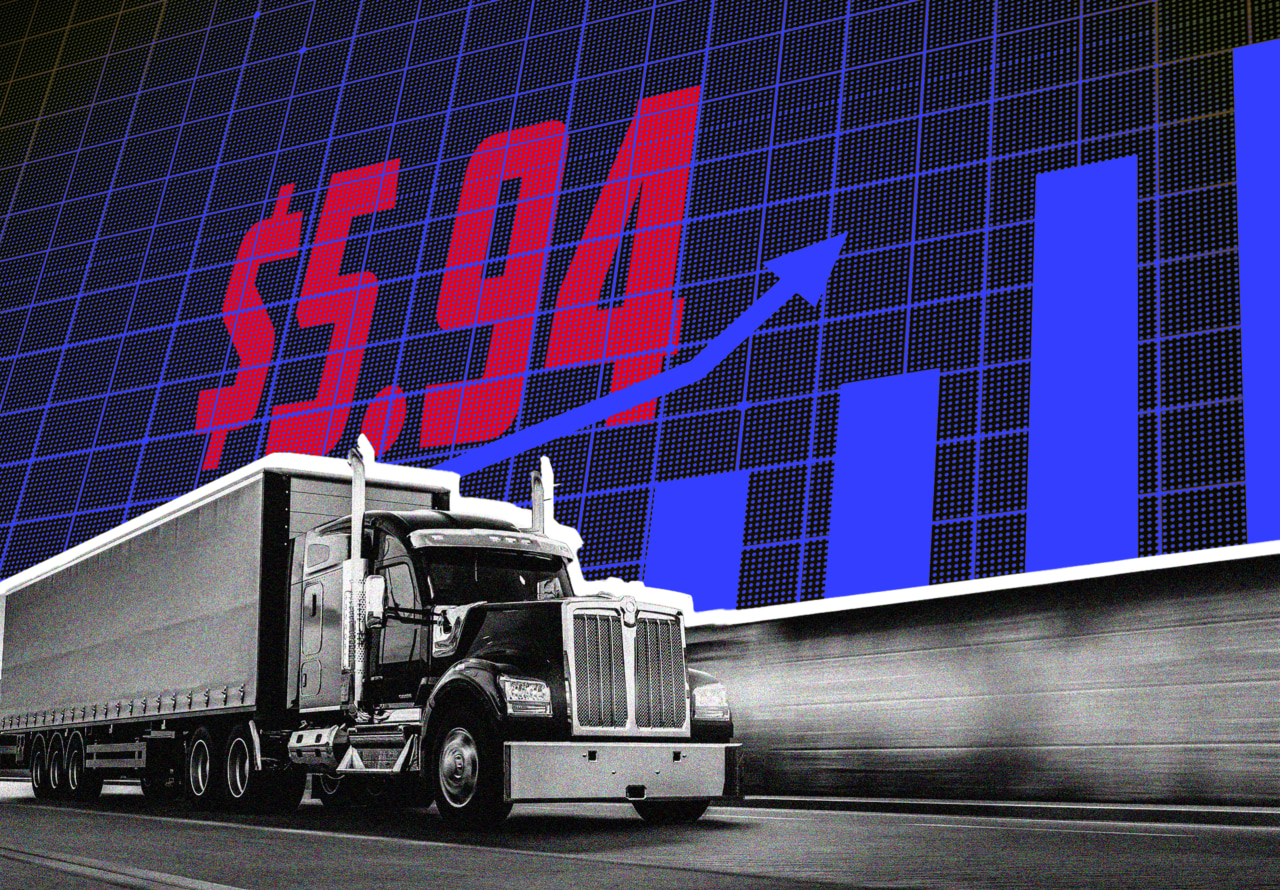
All the ways $6 diesel and rising gas prices are about to make your life more expensive — from commuting to grocery shopping
Summary
Record diesel prices and rising natural-gas costs are set to increase expenses across commuting, freight, food distribution and other parts of the economy. Diesel affects a wide range of goods and services because it powers much of the transport and logistics system.
The price shock will spread beyond the pump as trucking, agriculture, delivery and construction firms
Unlock the full First Pass Analysis to get a better understanding of why this story mattersWhy it matters
Higher energy costs can broaden inflation even when the initial shock is concentrated in fuel markets.

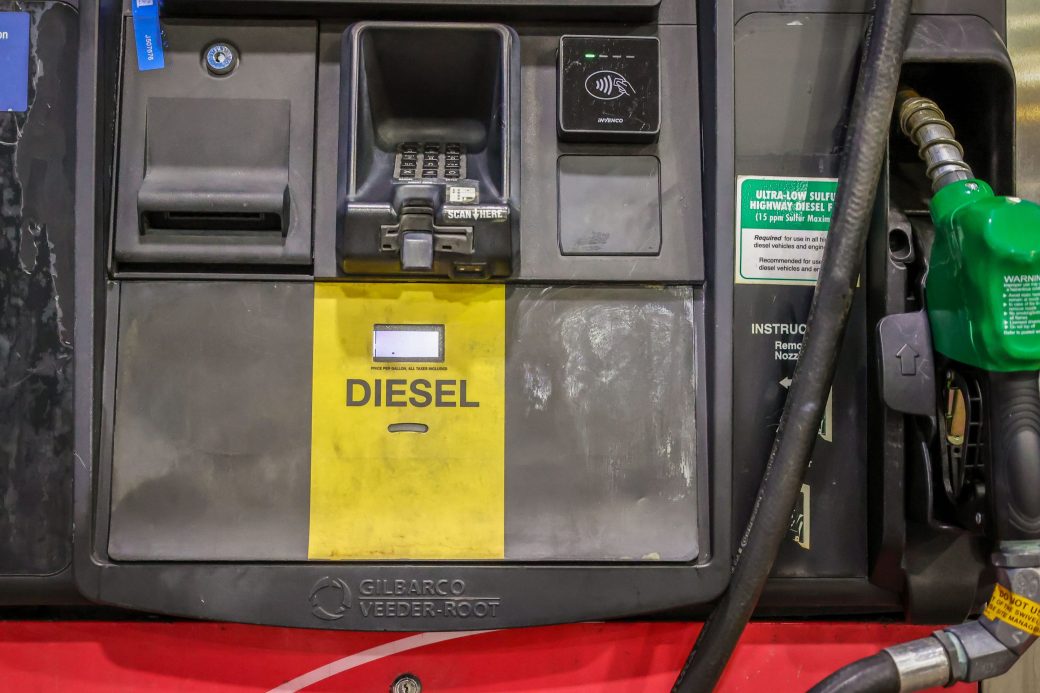
$9.999 and maxed out: California diesel prices overwhelm pump displays as global supply crunch worsens
Summary
California diesel prices have reached levels high enough to exceed some fuel-pump display limits as a global supply shortage worsens. The surge marks a new record for a fuel central to trucking, agriculture and industrial activity.
The shock is already impairing the basic price signals used by businesses and consumers, while
Unlock the full First Pass Analysis to get a better understanding of why this story mattersWhy it matters
California's diesel spike shows how a global fuel shortage can quickly become a local cost and logistics crisis.
It’s not just Hormuz. Another war is providing fresh price shocks to fuel and food.
Summary
The Middle East conflict is obscuring separate disruptions tied to the war in Russia, including outages that are tightening diesel supplies. The combined shocks are raising risks for fuel markets and food costs.
The market is facing overlapping supply problems rather than a single chokepoint event. Diesel scarcity
Unlock the full First Pass Analysis to get a better understanding of why this story mattersWhy it matters
Multiple energy disruptions are increasing the chance that fuel costs feed into broader inflation beyond the oil market.
Diesel prices hit another record high. If you’re shocked, wait until you see your grocery bill.
Summary
Record diesel prices are feeding into transportation and other operating costs across the economy. The article links the increase to inflation measures and to the policy calculations facing the Federal Reserve and the European Central Bank.
The immediate change is a broader pass-through from fuel markets into freight, food and consumer
Unlock the full First Pass Analysis to get a better understanding of why this story mattersWhy it matters
Diesel is an economy-wide input, so sustained price gains can raise household costs well beyond the pump.

China Halts New Battery Factories on Capacity Concerns
Summary
China has temporarily suspended construction of new power and energy-storage battery manufacturing projects while authorities review industry capacity through year-end.
The pause signals that Beijing is shifting from rapid battery expansion toward capacity control. New
Unlock the full First Pass Analysis to get a better understanding of why this story mattersWhy it matters
China's capacity intervention could reshape global battery prices, investment flows and supply-chain competition.

UK Grid Needs £70 Billion Upgrade as Consumers Face Higher Bills
Summary
The UK may need up to £70 billion of grid investment by the early 2030s to replace aging infrastructure and support rising electricity demand. Delays could increase the cost passed on to consumers by billions of pounds.
The decisive issue is that the energy transition now depends on grid construction, not just
Unlock the full First Pass Analysis to get a better understanding of why this story mattersWhy it matters
Grid delays could make decarbonization slower and electricity bills higher at the same time.

'Saved the day': How China helped keep the lid on oil price surge as Iran war disrupted supplies
Summary
China built up crude inventories before the Iran war and has since reduced its purchases, helping offset disrupted supply and limit the rise in global oil prices. Its stockpiling gave the market an unexpected buffer as geopolitical risk intensified.
China's demand pullback has temporarily softened the shock from the supply disruption. That cushion depends
Unlock the full First Pass Analysis to get a better understanding of why this story mattersWhy it matters
China's purchasing decisions have become a key short-term variable in the global oil balance.

Solar generation expected to grow 21% this year, 18% in 2027: EIA
Summary
U.S. solar generation is forecast to rise 21% this year and 18% in 2027. Electricity demand is expected to grow 2% in both years, driven by data centers and expanded manufacturing.
Solar is expanding rapidly while new industrial and data-center demand lifts the overall power requirement.
Unlock the full First Pass Analysis to get a better understanding of why this story mattersWhy it matters
The U.S. power system is entering a period when fast renewable growth must keep pace with equally fast demand growth.

How Ukraine’s deepest attack in Russia, on Arctic gas, signals new reach
Summary
Ukrainian long-range drones struck key Russian gas facilities in the Arctic, marking one of the war's deepest attacks inside Russia. The strikes raise questions about how far Ukraine can extend the conflict beyond the front lines.
Ukraine is widening the target set from military positions to strategic energy infrastructure far from
Unlock the full First Pass Analysis to get a better understanding of why this story mattersWhy it matters
The strikes suggest that distance no longer reliably protects Russia's most important industrial assets.
Dilip Buildcon shares rally 12% on bagging Rs 1,800 crore LPG pipeline project
Summary
Dilip Buildcon received a letter of intent from India's petroleum regulator to develop an LPG pipeline from Paradip to Raipur. The exclusive licence covers financing, construction, operation and the collection of transportation tariffs through the designated delivery point.
The award gives Dilip Buildcon a long-term infrastructure asset and a potential recurring revenue stream,
Unlock the full First Pass Analysis to get a better understanding of why this story mattersWhy it matters
The project strengthens India's LPG distribution network while giving Dilip Buildcon a regulated route to future cash flow.
Other Developments
A curated list of other prominent stories from this day.
Gold remains a traditional hedge against inflation and uncertainty, but copper is gaining strategic importance as electric vehicles, construction, artificial intelligence and data centers drive demand against constrained mine investment and declining ore quality. Energy prices remain especially important for India because higher crude costs raise import bills, inflation and balance-of-payments pressure.
10:42 PMEconomic Times
Chinese wafer prices stabilized after falling the previous week, but trading activity remained limited, according to industry data.
10:17 PMBloomberg Markets
A renewed rise in oil prices above $105 a barrel has revived the global bond sell-off. US 30-year borrowing costs have climbed as weaker Saudi production adds to concerns about crude supply.
6:05 PMFinancial Times
The MTA plans to buy 650 compressed-natural-gas buses after slow progress and weak performance from its electric-bus program. The decision puts its commitment to an emissions-free fleet of nearly 6,000 buses by 2040 under pressure.
5:23 PMThe City
Fuel and engine-oil shortages are forcing hospitals in Gaza to ration electricity. The shortages are constraining the operation of medical facilities that depend on generators and limited fuel supplies.
5:17 PMAl Jazeera
Google is funding PG&E's SHARE program, a privately financed virtual power plant built from distributed energy resources. PG&E described the initiative as a proof of concept that could later include commercial, industrial, and utility-scale assets.
12:43 PMUtility Dive
Changing storm behavior is forcing utilities to reconsider how they assess hurricane risk. The article argues that grid planning frameworks must adapt to more extreme and evolving storm profiles.
11:58 AMUtility DiveThe article argues that renewable-energy mandates in Democratic-led states contribute directly to higher electricity bills. It also contends that the mandates have not necessarily benefited solar stocks.
11:34 AMMarketWatch
The California Public Utilities Commission plans to revise its general rate case process around greater transparency. Commissioner Darcie Houck also called for closer examination of the relationship between utility performance and executive compensation, while noting that the plan has not been comprehensively updated since 2007.
10:27 AMUtility Dive
US crude production is forecast to average 13.8 million barrels per day in 2026, exceeding the record 13.7 million barrels per day set in 2025. The projection comes from the latest short-term energy outlook.
10:00 AMU.S. Energy Information Administration
Wealthy investors are increasing their interest in oil and gas assets as conflict raises the value of energy security and the AI boom drives expectations for higher power demand. Competition for mineral rights and other energy assets has left few attractive bargains.
8:59 AMCNBC
Protests in The Gambia turned violent as residents demonstrated against recurring power outages. The unrest reflects mounting public frustration with unreliable electricity.
6:25 AMAl JazeeraCommodity Talk | Gold isn't the only story: Why copper, energy and other commodities are gaining portfolio relevance, says Dr. Joseph Thomas
Summary
Gold remains a traditional hedge against inflation and uncertainty, but copper is gaining strategic importance as electric vehicles, construction, artificial intelligence and data centers drive demand against constrained mine investment and declining ore quality. Energy prices remain especially important for India because higher crude costs raise import bills, inflation and balance-of-payments pressure.
Copper's investment case is shifting from cyclical exposure to a structural supply-demand constraint. Energy remains
Unlock the full First Pass Analysis to get a better understanding of why this story mattersWhy it matters
Supply-constrained commodities could become more important hedges as electrification and energy insecurity reshape inflation risks.

China Solar Wrap: Wafer Prices Steady After Falling Last Week
Summary
Chinese wafer prices stabilized after falling the previous week, but trading activity remained limited, according to industry data.
Price stability without stronger transaction volumes points to a fragile pause rather than a confirmed
Unlock the full First Pass Analysis to get a better understanding of why this story mattersWhy it matters
The wafer market remains a key indicator of whether China's solar overcapacity is beginning to clear.

Global bond sell-off reignites as oil jumps to $109
Summary
A renewed rise in oil prices above $105 a barrel has revived the global bond sell-off. US 30-year borrowing costs have climbed as weaker Saudi production adds to concerns about crude supply.
Higher oil prices are reviving inflation fears just as long-term bond markets remain sensitive to
Unlock the full First Pass Analysis to get a better understanding of why this story mattersWhy it matters
The oil shock is now transmitting directly into borrowing costs and broader market stability.

MTA Flips the Switch from Electric Buses Back to Natural Gas
Summary
The MTA plans to buy 650 compressed-natural-gas buses after slow progress and weak performance from its electric-bus program. The decision puts its commitment to an emissions-free fleet of nearly 6,000 buses by 2040 under pressure.
The MTA is prioritizing operational reliability over its planned transition to zero-emissions buses. The purchase
Unlock the full First Pass Analysis to get a better understanding of why this story mattersWhy it matters
The procurement marks a concrete retreat from the MTA's climate timetable.

Gaza hospitals ration power as fuel shortages deepen
Summary
Fuel and engine-oil shortages are forcing hospitals in Gaza to ration electricity. The shortages are constraining the operation of medical facilities that depend on generators and limited fuel supplies.
The immediate change is a loss of reliable power for hospital services, placing already strained
Unlock the full First Pass Analysis to get a better understanding of why this story mattersWhy it matters
Power rationing can turn fuel shortages into direct interruptions of lifesaving medical treatment.

Google bankrolls PG&E virtual power plant
Summary
Google is funding PG&E's SHARE program, a privately financed virtual power plant built from distributed energy resources. PG&E described the initiative as a proof of concept that could later include commercial, industrial, and utility-scale assets.
Private capital is being used to add flexible grid capacity without relying solely on traditional
Unlock the full First Pass Analysis to get a better understanding of why this story mattersWhy it matters
The program tests whether corporate funding can accelerate grid capacity faster than conventional utility planning.

Beyond Category 5: What extreme hurricanes mean for electric utilities
Summary
Changing storm behavior is forcing utilities to reconsider how they assess hurricane risk. The article argues that grid planning frameworks must adapt to more extreme and evolving storm profiles.
The decisive change is that historical storm categories may no longer provide a sufficient basis
Unlock the full First Pass Analysis to get a better understanding of why this story mattersWhy it matters
Outdated risk models can leave utilities underprepared for storms that exceed the assumptions built into their grids.
Renewable-energy mandates are actually bad for consumers. They’re not great for solar stocks, either.
Summary
The article argues that renewable-energy mandates in Democratic-led states contribute directly to higher electricity bills. It also contends that the mandates have not necessarily benefited solar stocks.
The central issue is that mandated procurement can shift renewable deployment costs onto ratepayers before
Unlock the full First Pass Analysis to get a better understanding of why this story mattersWhy it matters
Renewable mandates face a growing test of whether their climate benefits justify near-term increases in household power bills.

California PUC to revise general rate case plan around transparency goals
Summary
The California Public Utilities Commission plans to revise its general rate case process around greater transparency. Commissioner Darcie Houck also called for closer examination of the relationship between utility performance and executive compensation, while noting that the plan has not been comprehensively updated since 2007.
The commission is moving to modernize a rate-setting framework that has remained largely unchanged for
Unlock the full First Pass Analysis to get a better understanding of why this story mattersWhy it matters
California is reconsidering how regulators judge utility performance before approving billions of dollars in customer-funded rates.

United States on track for record crude oil production in 2026
Summary
US crude production is forecast to average 13.8 million barrels per day in 2026, exceeding the record 13.7 million barrels per day set in 2025. The projection comes from the latest short-term energy outlook.
Record US output will provide a partial buffer against geopolitical supply disruptions, but it cannot
Unlock the full First Pass Analysis to get a better understanding of why this story mattersWhy it matters
Higher US production could soften global shortages, but infrastructure and market access will determine how much relief it delivers.

Wealthy investors seek oil and gas assets, but bargains are scarce
Summary
Wealthy investors are increasing their interest in oil and gas assets as conflict raises the value of energy security and the AI boom drives expectations for higher power demand. Competition for mineral rights and other energy assets has left few attractive bargains.
Capital is moving into energy before valuations have adjusted to the new demand outlook. That
Unlock the full First Pass Analysis to get a better understanding of why this story mattersWhy it matters
Energy security and AI power demand are reshaping asset prices across the sector.

Protests turn violent in The Gambia over rolling blackouts
Summary
Protests in The Gambia turned violent as residents demonstrated against recurring power outages. The unrest reflects mounting public frustration with unreliable electricity.
The violence converts an electricity-supply problem into a political stability risk. Unless authorities improve reliability
Unlock the full First Pass Analysis to get a better understanding of why this story mattersWhy it matters
Persistent blackouts can rapidly become a broader governance crisis when households and businesses lose confidence in basic services.
Make it yours
Build Your First Pass.
Pick your topics, set your cadence, and receive your personalized First Pass in your inbox. It’s that simple!