Midterm power stakes sharpen as money and institutions collide
Day’s Recap
“
”
Supporting Articles
Thomas Miller, a Northwestern University professor, uses a model called Nowcast that combines betting-market data with economic and financial indicators to estimate Senate outcomes. The model gives Republicans roughly a one-in-six chance of retaining control.
3:05 AMFortune
Twenty-two super PACs formed late in the cycle spent about $637 million in 2026 congressional races. Some spent money before voters could identify their donors.
8:00 AMCNBC
Ten wealthy donors have collectively spent $1 billion on the midterm elections. Their contributions have helped make the cycle the most expensive on record.
8:00 AMMarketWatch
Democratic doctors are running for office while campaigning against the Trump administration's health policies. They aim to turn public concern over healthcare into opposition votes in the 2026 midterms.
1:19 PMAl Jazeera
The expiration of federal Affordable Care Act subsidies has sharply increased health insurance costs in Florida, making coverage a central election issue. The timing overlaps with open enrollment, putting voters and policymakers under immediate pressure.
7:46 AMNPR Politics
The midterm elections could reshape major areas of American health policy regardless of the outcome. Policymakers, lobbyists, and health experts assess the likely consequences for coverage, costs, regulation, and the broader healthcare system.
7:00 AMStat News
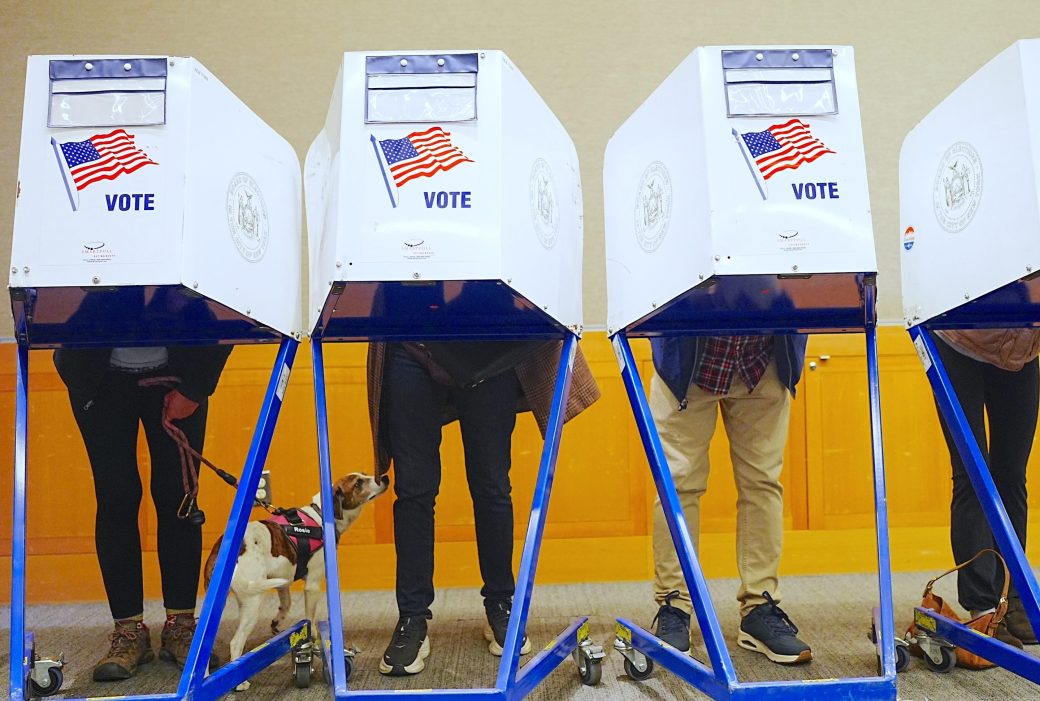
Some election officials have been told that the Justice Department will monitor polling stations during Tuesday's vote. Officials and voting experts are watching both the conduct of that monitoring and any legal or political fallout afterward.
5:14 PMNPR Politics
The Justice Department has remained unusually prominent in the news ahead of the midterm election, breaking with past expectations that it would limit its political visibility during the campaign.
7:42 AMNPR Politics
A federal court dismissed Donald Trump's defamation lawsuit against Rupert Murdoch and The Wall Street Journal over its reporting on an alleged Epstein birthday letter. The dismissal was with prejudice, preventing Trump from filing an amended version in the district court, while his lawyers said he plans to appeal.
7:56 PMCNBC
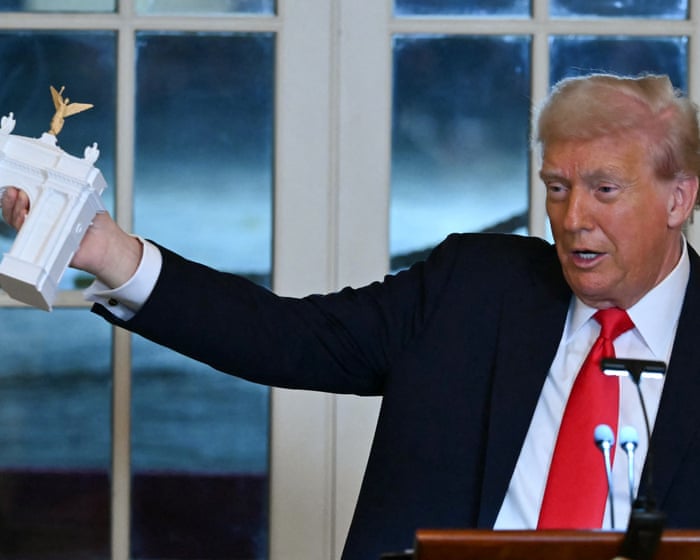
Virginia and Washington, D.C., are seeking to stop construction of a proposed Trump arch through a temporary restraining order. Judge Tanya Chutkan ordered the parties to negotiate and submit a briefing schedule for the request by Saturday evening.
6:48 PMNPR Politics
The Justice Department is seeking to isolate ballots in Alaska as it investigates allegations that Democrats recruited a spoiler candidate in the closely contested Senate race. The allegations raise questions about whether the effort violated election law.
9:50 AMNPR Politics
Abdul El-Sayed disinvited former primary rival Haley Stevens from a campaign event after a public dispute over Israel. The clash has exposed tensions that could complicate Democratic efforts to unite behind the nominee.
11:00 PMFinancial Times
3:05 AMFortune
This top data scientist’s (non-AI) model finds Republicans have just one chance in six of holding Senate
Summary
Thomas Miller, a Northwestern University professor, uses a model called Nowcast that combines betting-market data with economic and financial indicators to estimate Senate outcomes. The model gives Republicans roughly a one-in-six chance of retaining control.
The model’s central finding is a sharply unfavorable Senate outlook for Republicans, based on signals
Unlock the full First Pass Analysis to get a better understanding of why this story matters
Why it matters
A Republican Senate loss would give Democrats control of the legislative agenda and reshape the balance of power in Washington.
‘Pop-up’ super PACs pour $637 million into 2026 midterm races
Summary
Twenty-two super PACs formed late in the cycle spent about $637 million in 2026 congressional races. Some spent money before voters could identify their donors.
Late-forming groups are concentrating large sums in the period when voters have the least time
Unlock the full First Pass Analysis to get a better understanding of why this story matters
Why it matters
The spending surge shows how campaign-finance transparency can arrive after political influence has already been exerted.
These 10 megadonors have spent a total of $1 billion on the midterm elections
Summary
Ten wealthy donors have collectively spent $1 billion on the midterm elections. Their contributions have helped make the cycle the most expensive on record.
The decisive shift is the concentration of electoral financing in a small group of individuals.
Unlock the full First Pass Analysis to get a better understanding of why this story matters
Why it matters
Record spending is also record dependence on a narrow class of private political financiers.
A cure for Trump? Why Democratic doctors are running in the 2026 midterms
Summary
Democratic doctors are running for office while campaigning against the Trump administration's health policies. They aim to turn public concern over healthcare into opposition votes in the 2026 midterms.
Democrats are using medical credentials to make healthcare policy a direct referendum on the administration.
Unlock the full First Pass Analysis to get a better understanding of why this story matters
Why it matters
The candidates could make healthcare a central midterm battleground and give Democrats a more concrete vehicle for opposing the administration.
The expiration of federal Affordable Care Act subsidies has sharply increased health insurance costs in Florida, making coverage a central election issue. The timing overlaps with open enrollment, putting voters and policymakers under immediate pressure.
Higher premiums have turned an abstract federal policy change into a direct household cost for
Unlock the full First Pass Analysis to get a better understanding of why this story matters
Why it matters
Florida could show how subsidy policy translates into both coverage decisions and electoral consequences.
STAT+: The 4 biggest ways the midterms could change health policy, according to policymakers, lobbyists, and experts
Summary
The midterm elections could reshape major areas of American health policy regardless of the outcome. Policymakers, lobbyists, and health experts assess the likely consequences for coverage, costs, regulation, and the broader healthcare system.
Control of Congress will determine whether lawmakers can advance or block changes to health coverage,
Unlock the full First Pass Analysis to get a better understanding of why this story matters
Why it matters
The midterms will determine who controls the healthcare agenda and which reforms can move beyond campaign promises.
Election officials worry about DOJ monitoring of Tuesday's vote
Summary
Some election officials have been told that the Justice Department will monitor polling stations during Tuesday's vote. Officials and voting experts are watching both the conduct of that monitoring and any legal or political fallout afterward.
The presence of federal monitors could reinforce enforcement of voting rules, but it could also
Unlock the full First Pass Analysis to get a better understanding of why this story matters
Why it matters
Federal involvement at polling places could affect voter confidence and the administration of future elections.
Politics, norms and the DOJ's unprecedented pre-election headlines
Summary
The Justice Department has remained unusually prominent in the news ahead of the midterm election, breaking with past expectations that it would limit its political visibility during the campaign.
The department's continued presence makes law enforcement part of the election itself rather than a
Unlock the full First Pass Analysis to get a better understanding of why this story matters
Why it matters
The DOJ's visibility could weaken public confidence in both election fairness and the department's political neutrality.
Trump defamation suit against Murdoch, WSJ over Epstein letter dismissed with prejudice
Summary
A federal court dismissed Donald Trump's defamation lawsuit against Rupert Murdoch and The Wall Street Journal over its reporting on an alleged Epstein birthday letter. The dismissal was with prejudice, preventing Trump from filing an amended version in the district court, while his lawyers said he plans to appeal.
The ruling closes the trial-level route for revising the complaint and shifts the dispute to
Unlock the full First Pass Analysis to get a better understanding of why this story matters
Why it matters
The decision limits Trump's immediate legal options and tests whether an appeal can reopen a politically charged fight over Epstein-related reporting.
Judge Dismisses Trump’s Wall Street Journal Defamation Lawsuit Over Published Epstein ‘Birthday Book’ for a Second Time
Summary
A federal judge dismissed Donald Trump's defamation claims against the Wall Street Journal over its report that he purportedly wrote a 2003 birthday letter to Jeffrey Epstein. The judge ruled that Trump had not adequately pleaded that the paper acted with actual malice.
The second dismissal leaves Trump without a viable claim under the complaint as presented, because
Unlock the full First Pass Analysis to get a better understanding of why this story matters
Why it matters
The decision rejects Trump's current legal effort to impose liability on the newspaper over its Epstein reporting.
Trump loses legal battle over Epstein-linked Wall Street Journal case
Summary
A judge permanently dismissed Donald Trump's $10 billion lawsuit against the Wall Street Journal over reporting about an alleged birthday letter to Jeffrey Epstein. The court found that Trump failed to show the newspaper acted with actual malice.
The permanent dismissal closes this case at the trial-court level and confirms that Trump's allegations
Unlock the full First Pass Analysis to get a better understanding of why this story matters
Why it matters
The ruling removes a major legal threat against the Wall Street Journal over its Epstein-related reporting.
Virginia and D.C. sue to block construction of Trump arch
Summary
Virginia and Washington, D.C., are seeking to stop construction of a proposed Trump arch through a temporary restraining order. Judge Tanya Chutkan ordered the parties to negotiate and submit a briefing schedule for the request by Saturday evening.
The court has not yet decided whether construction will be halted, but it has accelerated
Unlock the full First Pass Analysis to get a better understanding of why this story matters
Why it matters
A temporary restraining order could delay construction while the court weighs the governments' broader legal challenge.
District of Columbia and Virginia sue to block Trump’s triumphal arch plans
Summary
The District of Columbia and Virginia filed suit to stop plans for a triumphal arch proposed by Donald Trump. Local governments oppose the monument because of its potential effects on traffic and historic views.
The legal challenge turns a symbolic presidential project into a conflict over federal control of
Unlock the full First Pass Analysis to get a better understanding of why this story matters
Why it matters
The case tests how much authority the administration has to reshape prominent sites in and around the nation's capital over local objections.
Virginia and DC sue to stop Trump’s arch as government looks to start construction
Summary
Virginia and the District of Columbia sued in federal court to block Donald Trump's proposed 250-foot memorial arch near the bridge linking Washington with Arlington National Cemetery. The lawsuits come as the administration says construction could begin as early as next week, bringing the total number of legal challenges to three.
The dispute has moved from opposition to an urgent legal race against construction. Virginia and
Unlock the full First Pass Analysis to get a better understanding of why this story matters
Why it matters
The lawsuits could determine whether the administration can impose a major landmark on the capital's landscape before local governments can contest it.
Justice Department seeks to isolate Alaska ballots amid criminal probe over Senate candidate
Summary
The Justice Department is seeking to isolate ballots in Alaska as it investigates allegations that Democrats recruited a spoiler candidate in the closely contested Senate race. The allegations raise questions about whether the effort violated election law.
Federal involvement puts both the ballot-handling process and the alleged candidate-recruitment effort under scrutiny. Election
Unlock the full First Pass Analysis to get a better understanding of why this story matters
Why it matters
The case could affect the handling of a pivotal Senate election while testing the legal limits of strategic candidate recruitment.
Worsening Michigan feud threatens Democratic unity in key Senate race
Summary
Abdul El-Sayed disinvited former primary rival Haley Stevens from a campaign event after a public dispute over Israel. The clash has exposed tensions that could complicate Democratic efforts to unite behind the nominee.
The dispute has moved from internal disagreement to an open breach between two prominent Democrats.
Unlock the full First Pass Analysis to get a better understanding of why this story matters
Why it matters
Democrats must repair the relationship quickly if they want to convert a primary victory into a unified general-election campaign.
A curated list of other prominent stories from this day.
Democratic Senate candidate James Talarico drew a large crowd at a rally at Texas A&M. The event showed strong campus interest, but it did not establish whether that enthusiasm will translate into votes from young Texans.
9:14 PMAl Jazeera
A legal filing challenges the Trump administration's identification of suspected noncitizen voters in California. Data scientists found that many people labeled as likely noncitizens appeared to have been flagged incorrectly.
5:38 PMAl Jazeera
Democrats are mounting competitive campaigns in districts that Donald Trump carried by double digits in 2024. A Kentucky race offers an early test of whether that challenge reflects a broader opening in heavily Republican territory.
5:14 PMNPR Politics
Ranked-choice voting lets voters rank candidates, with lower-performing candidates eliminated and their ballots transferred until one candidate wins a majority. Alaska's system could shape a closely watched 2026 race involving two candidates named Dan Sullivan, while a lawsuit may affect how the contest is understood or contested.
4:11 PMAl Jazeera
The article examines the political position of Muslim voters in Michigan who helped Donald Trump win the state and now face hostility or policies they view as targeting their faith. It focuses on the gap between their electoral support and their treatment under the administration.
1:38 PMAl Jazeera
Democrat Rebecca Bennett is challenging Representative Thomas Kean Jr. in a New Jersey district that includes President Trump’s Bedminster golf club.
11:09 AMNYT New York
Democratic and Republican candidates are making high credit card rates and rising household debt central issues in closely contested midterm races. They are targeting voters still squeezed by elevated costs after years of inflation.
11:00 AMBloomberg Markets
Lawyers for a Democratic lawmaker challenging President Trump’s plan to close the Kennedy Center say newly cited documents point to a sham decision-making process. They argue the move was driven by internal pressure rather than a legitimate review of the arts venue’s future.
9:31 AMNew York Times Arts
Crypto-linked interest groups are spending more than $200 million in the 2026 midterms to influence congressional policy. The industry had mixed results in the 2024 elections.
9:04 AMCNBC
Steve Bannon predicts that Republicans will face a major internal conflict after the midterm elections. He expects intense legislative battles before the next Congress is sworn in.
8:00 AMFinancial Times
Political campaigns and fundraising groups send a steady stream of urgent, personalized texts that use exaggerated claims, celebrity-style endorsements, and repeated donation requests. The messages often come from overlapping campaign, party, and advocacy networks rather than from a single candidate.
8:00 AMThe Verge
The president is returning to the Midwest for two rallies that had previously been described as canceled. The campaign's changed travel plans and message are being weighed against Democrats' efforts to communicate more forcefully.
7:42 AMNPR Politics
Election officials demonstrate how mail-in ballots are secured, processed, and counted for the US midterms. The process includes surveillance, physical controls, and election observers at multiple stages.
5:16 AMBBC
The article examines how Donald Trump may use his final two years in Washington and what political objectives could define that period. It focuses on the choices and constraints shaping the closing phase of his presidency.
1:00 AMFinancial Times
9:14 PMAl Jazeera
Talarico draws a packed campus rally, but can he win over young voters?
Summary
Democratic Senate candidate James Talarico drew a large crowd at a rally at Texas A&M. The event showed strong campus interest, but it did not establish whether that enthusiasm will translate into votes from young Texans.
The packed rally signals organizing energy among students, but enthusiasm alone will not solve the
Unlock the full First Pass Analysis to get a better understanding of why this story matters
Why it matters
Young voters could provide a meaningful Democratic constituency in Texas, but only if Talarico converts visibility into participation.
Legal filing questions Trump’s claims of non-citizen voting in California
Summary
A legal filing challenges the Trump administration's identification of suspected noncitizen voters in California. Data scientists found that many people labeled as likely noncitizens appeared to have been flagged incorrectly.
The central problem is the reliability of the administration's data, not simply the size of
Unlock the full First Pass Analysis to get a better understanding of why this story matters
Why it matters
The filing could undermine efforts to use disputed voter data to justify election restrictions or federal intervention.
What a midterm race in Kentucky says about how Democrats may do in Trump strongholds
Summary
Democrats are mounting competitive campaigns in districts that Donald Trump carried by double digits in 2024. A Kentucky race offers an early test of whether that challenge reflects a broader opening in heavily Republican territory.
The decisive question is whether Democratic strength can overcome Trump's underlying advantage in a deeply
Unlock the full First Pass Analysis to get a better understanding of why this story matters
Why it matters
Performance in Trump-leaning districts will help determine whether Democrats can compete beyond their traditional coalition.
What is ranked-choice voting and how does it work in US elections?
Summary
Ranked-choice voting lets voters rank candidates, with lower-performing candidates eliminated and their ballots transferred until one candidate wins a majority. Alaska's system could shape a closely watched 2026 race involving two candidates named Dan Sullivan, while a lawsuit may affect how the contest is understood or contested.
Ranked-choice voting changes campaigns by rewarding second-choice support and making candidate identity especially important when
Unlock the full First Pass Analysis to get a better understanding of why this story matters
Why it matters
The contest offers an early test of whether ranked-choice voting can reduce plurality wins without creating new voter confusion.
Michigan Muslims helped elect Trump. Now their faith is under fire
Summary
The article examines the political position of Muslim voters in Michigan who helped Donald Trump win the state and now face hostility or policies they view as targeting their faith. It focuses on the gap between their electoral support and their treatment under the administration.
The central shift is from electoral leverage to political vulnerability. Muslim voters who helped deliver
Unlock the full First Pass Analysis to get a better understanding of why this story matters
Why it matters
Michigan's Muslim electorate could become a test of whether issue-based support survives when a governing coalition turns against a community's identity and priorities.
US Midterm Candidates Tap Rare Bipartisan Issue: Credit Card Rates
Summary
Democratic and Republican candidates are making high credit card rates and rising household debt central issues in closely contested midterm races. They are targeting voters still squeezed by elevated costs after years of inflation.
Credit card costs are turning consumer debt into a rare area of bipartisan political competition.
Unlock the full First Pass Analysis to get a better understanding of why this story matters
Why it matters
A pocketbook issue with support across party lines could shape close races and pressure Congress to act on consumer borrowing costs.
Court Filing Cites Internal Pressure to Close Kennedy Center
Summary
Lawyers for a Democratic lawmaker challenging President Trump’s plan to close the Kennedy Center say newly cited documents point to a sham decision-making process. They argue the move was driven by internal pressure rather than a legitimate review of the arts venue’s future.
The legal fight is now focusing not just on whether the center can be closed,
Unlock the full First Pass Analysis to get a better understanding of why this story matters
Why it matters
The dispute could determine both the Kennedy Center’s future and the limits of presidential power over a major cultural institution.
Crypto industry pours more than $200 million into 2026 midterms to pressure Congress on favorable rules
Summary
Crypto-linked interest groups are spending more than $200 million in the 2026 midterms to influence congressional policy. The industry had mixed results in the 2024 elections.
The crypto sector is treating congressional control as a direct regulatory asset, not simply an
Unlock the full First Pass Analysis to get a better understanding of why this story matters
Why it matters
The midterms may determine whether Congress writes crypto rules under industry pressure or imposes stricter oversight.
Steve Bannon: Republicans will erupt in ‘civil war’ after midterm elections
Summary
Steve Bannon predicts that Republicans will face a major internal conflict after the midterm elections. He expects intense legislative battles before the next Congress is sworn in.
Bannon's forecast points to a possible power struggle over the party's direction and legislative priorities,
Unlock the full First Pass Analysis to get a better understanding of why this story matters
Why it matters
Republican infighting could determine what the lame-duck Congress passes and who controls the party's next agenda.
Here’s why you can’t shake those unhinged political texts
Summary
Political campaigns and fundraising groups send a steady stream of urgent, personalized texts that use exaggerated claims, celebrity-style endorsements, and repeated donation requests. The messages often come from overlapping campaign, party, and advocacy networks rather than from a single candidate.
The decisive shift is the industrialization of political texting: campaigns can cheaply automate emotionally charged
Unlock the full First Pass Analysis to get a better understanding of why this story matters
Why it matters
Campaign texting has turned personal phones into a largely unregulated fundraising channel, making manipulation and message fatigue part of the political process.
Week in Politics: Trump's Midwest pivot; sharper Democratic messaging
Summary
The president is returning to the Midwest for two rallies that had previously been described as canceled. The campaign's changed travel plans and message are being weighed against Democrats' efforts to communicate more forcefully.
The restored rallies suggest the Midwest remains strategically important and that the campaign is adjusting
Unlock the full First Pass Analysis to get a better understanding of why this story matters
Why it matters
The Midwest remains a live battleground where campaign attention and message discipline could determine the national balance.
CCTV and zip ties: How US mail-in votes are secured and counted
Summary
Election officials demonstrate how mail-in ballots are secured, processed, and counted for the US midterms. The process includes surveillance, physical controls, and election observers at multiple stages.
The procedures show that mail voting relies on a chain of custody with checks before
Unlock the full First Pass Analysis to get a better understanding of why this story matters
Why it matters
Confidence in mail voting will affect both participation and acceptance of the midterm results.
The article examines how Donald Trump may use his final two years in Washington and what political objectives could define that period. It focuses on the choices and constraints shaping the closing phase of his presidency.
Trump’s remaining time in office will be judged by whether he converts political control into
Unlock the full First Pass Analysis to get a better understanding of why this story matters
Why it matters
The decisions of Trump’s final two years could determine both his policy legacy and the Republican Party’s direction after him.