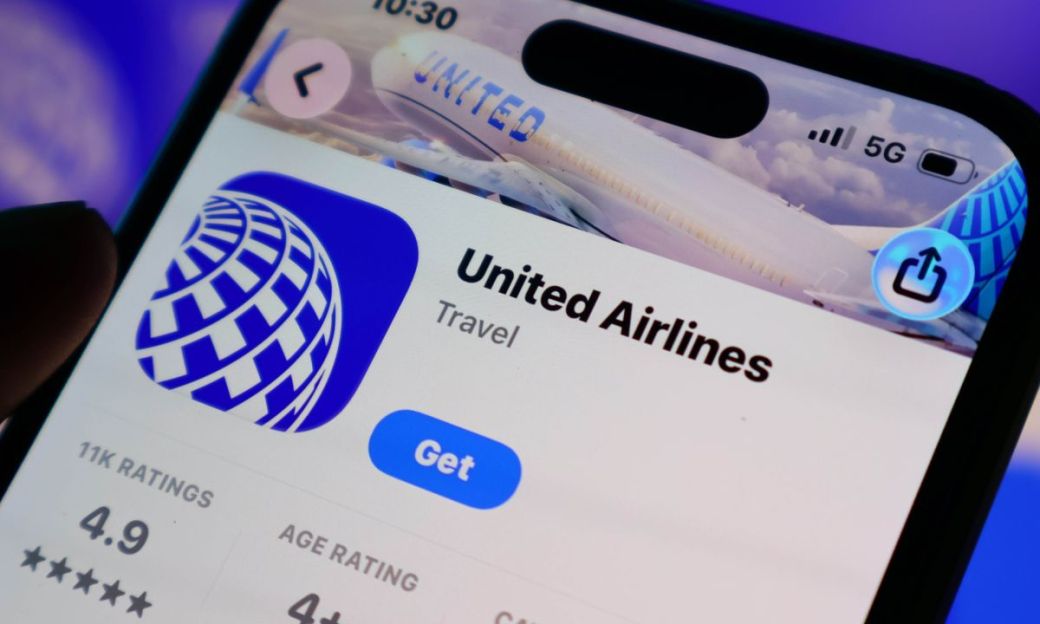
United Airlines is preventing personal AI agents from completing flight bookings on its systems. The bots can still search flights and display fares, but travelers must finish the purchase themselves.
7:53 PMPYMNTS24 stories from 9 sources
Supporting Articles
United Airlines is preventing personal AI agents from completing flight bookings on its systems. The bots can still search flights and display fares, but travelers must finish the purchase themselves.
7:53 PMPYMNTS
A majority group of JetBlue creditors has signed a cooperation agreement that would prevent participating lenders from negotiating separate side deals with the airline. The agreement signals coordinated creditor action as JetBlue seeks to contain concerns about its financial position.
12:52 PMBloomberg Markets
AI agents are beginning to book travel, but the industry has not decided who pays when they make costly mistakes. Citi argues that the companies operating those agents should absorb the losses rather than airlines or hotels.
4:29 PMSkift
Duffel and Katanox are combining hotel booking with payments, commission handling, and financing for travel sellers developing AI agents. The partnership addresses breakdowns that occur after an agent identifies a room but before the transaction is settled.
9:01 AMSkift
Research across 101 airlines estimates that AI-driven travel recommendations could influence as much as $120 billion in annual bookings if they shape one in ten online travel purchases. The company that wins the recommendation may not be the same company that ultimately processes the sale.
9:32 AMBreaking Travel NewsNew Zealand received a record number of US visitors in the 12 months through September, helped by favorable exchange rates and expanded air connections. Wellness travel is also contributing to the country's appeal.
7:19 PMBloomberg MarketsSummary
United Airlines is preventing personal AI agents from completing flight bookings on its systems. The bots can still search flights and display fares, but travelers must finish the purchase themselves.
United is drawing a line between AI-driven comparison shopping and AI-controlled transactions, retaining control of
Unlock the full First Pass Analysis to get a better understanding of why this story mattersWhy it matters
Airlines are beginning to constrain agentic commerce at the point of purchase, which could determine who controls customer data, fees, and distribution in AI-enabled travel.
3 stories · 3 sources
Summary
A majority group of JetBlue creditors has signed a cooperation agreement that would prevent participating lenders from negotiating separate side deals with the airline. The agreement signals coordinated creditor action as JetBlue seeks to contain concerns about its financial position.
The decisive shift is lender coordination, which reduces JetBlue's ability to divide creditors or negotiate
Unlock the full First Pass Analysis to get a better understanding of why this story mattersWhy it matters
Coordinated creditors can narrow JetBlue's financial options before the airline has stabilized its business.
Summary
AI agents are beginning to book travel, but the industry has not decided who pays when they make costly mistakes. Citi argues that the companies operating those agents should absorb the losses rather than airlines or hotels.
Liability is becoming the central constraint on autonomous travel booking. Making AI companies responsible would
Unlock the full First Pass Analysis to get a better understanding of why this story mattersWhy it matters
The party assigned financial responsibility will shape how quickly AI agents gain access to travel inventory.
Summary
Duffel and Katanox are combining hotel booking with payments, commission handling, and financing for travel sellers developing AI agents. The partnership addresses breakdowns that occur after an agent identifies a room but before the transaction is settled.
AI travel agents cannot operate reliably if they must hand bookings off across separate payment
Unlock the full First Pass Analysis to get a better understanding of why this story mattersWhy it matters
The viability of AI travel agents will depend as much on transaction infrastructure as on their ability to search and recommend.
2 stories · 2 sources
Summary
Research across 101 airlines estimates that AI-driven travel recommendations could influence as much as $120 billion in annual bookings if they shape one in ten online travel purchases. The company that wins the recommendation may not be the same company that ultimately processes the sale.
The shift is from search visibility to recommendation visibility, giving AI systems influence over where
Unlock the full First Pass Analysis to get a better understanding of why this story mattersWhy it matters
AI recommendations could redistribute travel demand before a customer ever reaches an airline or booking site.
Summary
New Zealand received a record number of US visitors in the 12 months through September, helped by favorable exchange rates and expanded air connections. Wellness travel is also contributing to the country's appeal.
A weaker New Zealand dollar and better air access are lowering the barriers to long-haul
Unlock the full First Pass Analysis to get a better understanding of why this story mattersWhy it matters
New Zealand is converting currency and connectivity advantages into stronger US tourism demand, increasing both hospitality revenue and capacity pressure.
A curated list of other prominent stories from this day.

The war has reduced demand at Mantis's Gulf properties to domestic travelers, even as the company continues expanding its regional portfolio and developing a multi-destination "circuit" tourism offer. The strategy depends on international visitors returning.
11:30 PMSkift
Thai hotel group Dusit is entering Myanmar through management contracts for existing Yangon properties rather than making large capital commitments. It is targeting business travelers, while the owner bears most operating risk if leisure demand remains weak.
9:00 PMSkiftAmerican Airlines is restoring fresh food in first class on its New York to Chicago service for the first time since 2019. The menu includes sandwiches, fruit, and chia bowls.
5:20 PMCNBCJetBlue is preparing to showcase new first class seats as part of its effort to restore profitability. The carrier will give reporters an early look at the product before its broader rollout.
5:10 PMCNBC
MCR Hotels CEO and Chairman Tyler Morse wants to block AI assistants from booking rooms because they make more rational choices than human guests. He favors direct interactions with travelers, who are more likely to make impulse purchases.
4:46 PMSkift
Scandic paid €500 million for Dalata, a hotel business that generated higher occupancy and revenue per available room than Scandic’s existing operation. The first results from the combined business support the acquisition, but integration remains the central test.
1:49 PMSkift
American Airlines is the largest U.S. carrier but remains the least profitable among the Big Three. It is pursuing a broad overhaul spanning new routes, premium products, and changes to the onboard experience.
12:49 PMSkift
Portugal canceled more than 300 flights and closed schools as Storm Charles approached. Authorities intensified preparations after criticism of the response to January's Storm Kristin.
12:46 PMAl Jazeera
Air quality in northern India has deteriorated as the region's annual pollution season begins, coinciding with the peak winter tourism period. Masks offer travelers limited protection, but the underlying problem comes from persistent emissions.
11:23 AMSkift
Tourism marketers are adapting to travelers who begin with a desired experience rather than a specific destination. That behavior requires campaigns to sell activities and outcomes before promoting the place itself.
9:30 AMSkiftVirgin Atlantic is reducing its winter capacity as higher oil prices raise operating costs and demand softens.
9:14 AMBloomberg Markets
Tourism leaders are pursuing year-round demand by promoting off-peak experiences, diversifying source markets and encouraging travel beyond established destinations. Examples include Goa's monsoon offerings and Caribbean summer festivals.
6:36 AMBreaking Travel News
Hotel financial distress can arise even when a property has steady occupancy and healthy cash flow, if the debt used to acquire it has become uneconomic. The article examines how changing financing conditions can push viable hotels toward default and why the relative positions of borrowers, lenders, and other creditors matter.
6:00 AMHousing Wire
AirAsia has reduced capacity on India routes as fuel costs rise, allowing Malaysia Airlines to move ahead with just 1% more seats in a market that has contracted 10%. Limited aircraft availability and high operating costs have kept other rivals from expanding into the gap.
4:30 AMSkift
Ras Al Khaimah’s airport is targeting the affluent travelers expected to visit Wynn’s casino resort and other luxury hotels. It is upgrading the existing terminal while postponing a new facility until airlines commit, with the resort’s delay pushing potential gains to late 2027.
1:01 AMSkiftSummary
The war has reduced demand at Mantis's Gulf properties to domestic travelers, even as the company continues expanding its regional portfolio and developing a multi-destination "circuit" tourism offer. The strategy depends on international visitors returning.
Mantis is adding capacity while its most important growth market remains inaccessible or unwilling to
Unlock the full First Pass Analysis to get a better understanding of why this story mattersWhy it matters
Mantis is betting on a regional travel rebound before there is clear evidence that international demand will return soon.
Summary
Thai hotel group Dusit is entering Myanmar through management contracts for existing Yangon properties rather than making large capital commitments. It is targeting business travelers, while the owner bears most operating risk if leisure demand remains weak.
Dusit's asset-light structure limits its financial exposure while competitors retreat, but it does not eliminate
Unlock the full First Pass Analysis to get a better understanding of why this story mattersWhy it matters
Dusit is using management contracts to preserve access to a distressed market without betting heavily on a broad tourism recovery.
Summary
American Airlines is restoring fresh food in first class on its New York to Chicago service for the first time since 2019. The menu includes sandwiches, fruit, and chia bowls.
American is using a high-profile business route to rebuild a premium product that was cut
Unlock the full First Pass Analysis to get a better understanding of why this story mattersWhy it matters
Premium service is becoming a key battleground as American tries to close its product gap with Delta and United.
Summary
JetBlue is preparing to showcase new first class seats as part of its effort to restore profitability. The carrier will give reporters an early look at the product before its broader rollout.
The new seats represent a revenue strategy, not just a cabin redesign: JetBlue needs more
Unlock the full First Pass Analysis to get a better understanding of why this story mattersWhy it matters
JetBlue is betting that premium-cabin revenue can help offset weak profitability and intensifying competition.
Summary
MCR Hotels CEO and Chairman Tyler Morse wants to block AI assistants from booking rooms because they make more rational choices than human guests. He favors direct interactions with travelers, who are more likely to make impulse purchases.
The dispute is about control of hotel revenue, not just technology. AI agents could reduce
Unlock the full First Pass Analysis to get a better understanding of why this story mattersWhy it matters
AI booking threatens the merchandising tactics hotels use to increase revenue beyond the room rate.
Summary
Scandic paid €500 million for Dalata, a hotel business that generated higher occupancy and revenue per available room than Scandic’s existing operation. The first results from the combined business support the acquisition, but integration remains the central test.
The early numbers validate Scandic’s decision to buy Dalata, but they also expose the risk
Unlock the full First Pass Analysis to get a better understanding of why this story mattersWhy it matters
The acquisition has cleared its first financial test, but operational discipline will determine whether the €500 million price proves justified.
Summary
American Airlines is the largest U.S. carrier but remains the least profitable among the Big Three. It is pursuing a broad overhaul spanning new routes, premium products, and changes to the onboard experience.
American's challenge is not scale but monetization: it must turn its network and customer base
Unlock the full First Pass Analysis to get a better understanding of why this story mattersWhy it matters
American's recovery will determine whether size can translate into durable profits in the U.S. airline market.
Summary
Portugal canceled more than 300 flights and closed schools as Storm Charles approached. Authorities intensified preparations after criticism of the response to January's Storm Kristin.
The scale of the cancellations shows that severe weather is now an immediate operational risk
Unlock the full First Pass Analysis to get a better understanding of why this story mattersWhy it matters
Storm disruptions expose how extreme weather can quickly affect Portugal's travel infrastructure and tourism economy.
Summary
Air quality in northern India has deteriorated as the region's annual pollution season begins, coinciding with the peak winter tourism period. Masks offer travelers limited protection, but the underlying problem comes from persistent emissions.
The pollution crisis is becoming a recurring constraint on winter travel to Delhi and nearby
Unlock the full First Pass Analysis to get a better understanding of why this story mattersWhy it matters
Recurring smog threatens India's peak tourism window and makes environmental conditions part of the destination's commercial risk.
Summary
Tourism marketers are adapting to travelers who begin with a desired experience rather than a specific destination. That behavior requires campaigns to sell activities and outcomes before promoting the place itself.
The decisive change is a shift in how demand forms: the experience can now determine
Unlock the full First Pass Analysis to get a better understanding of why this story mattersWhy it matters
Tourism competition is moving from destination recognition toward ownership of the experiences travelers actively seek.
Summary
Virgin Atlantic is reducing its winter capacity as higher oil prices raise operating costs and demand softens.
The airline is responding to pressure on both sides of its economics: fuel is getting
Unlock the full First Pass Analysis to get a better understanding of why this story mattersWhy it matters
Capacity reductions signal that airlines are becoming less willing to absorb higher fuel costs when demand cannot support them.
Summary
Tourism leaders are pursuing year-round demand by promoting off-peak experiences, diversifying source markets and encouraging travel beyond established destinations. Examples include Goa's monsoon offerings and Caribbean summer festivals.
The central shift is from maximizing peak-season volume to managing demand across the calendar. Destinations
Unlock the full First Pass Analysis to get a better understanding of why this story mattersWhy it matters
Season extension is becoming a core strategy for destinations seeking steadier revenue and less dependence on peak travel periods.
Summary
Hotel financial distress can arise even when a property has steady occupancy and healthy cash flow, if the debt used to acquire it has become uneconomic. The article examines how changing financing conditions can push viable hotels toward default and why the relative positions of borrowers, lenders, and other creditors matter.
The decisive shift is in the financing structure, not necessarily the hotel's operating performance. Higher
Unlock the full First Pass Analysis to get a better understanding of why this story mattersWhy it matters
Hotels can lose ownership and strategic control before their underlying businesses stop working.
Summary
AirAsia has reduced capacity on India routes as fuel costs rise, allowing Malaysia Airlines to move ahead with just 1% more seats in a market that has contracted 10%. Limited aircraft availability and high operating costs have kept other rivals from expanding into the gap.
AirAsia's retreat is creating gains for competitors, but those gains may become structural rather than
Unlock the full First Pass Analysis to get a better understanding of why this story mattersWhy it matters
Capacity cuts are reshaping market share even where rivals lack the resources to grow.
Summary
Ras Al Khaimah’s airport is targeting the affluent travelers expected to visit Wynn’s casino resort and other luxury hotels. It is upgrading the existing terminal while postponing a new facility until airlines commit, with the resort’s delay pushing potential gains to late 2027.
The airport is limiting its capital risk until passenger demand becomes tangible. That puts Wynn
Unlock the full First Pass Analysis to get a better understanding of why this story mattersWhy it matters
Luxury resort investment alone will not deliver an aviation hub without airline commitments and reliable passenger demand.
Make it yours
Pick your topics, set your cadence, and receive your personalized First Pass in your inbox. It’s that simple!

