
Scientists developed a technique that lets five silicon qubits operate simultaneously while maintaining approximately 99.9% accuracy. The result addresses a key challenge in scaling quantum processors beyond small demonstrations.
9:42 PMScienceDaily4 stories from 1 source
Day’s Recap is unavailable for this topic and date. Feel free to go through our curated list of stories below.
A curated list of other prominent stories from this day.
Scientists developed a technique that lets five silicon qubits operate simultaneously while maintaining approximately 99.9% accuracy. The result addresses a key challenge in scaling quantum processors beyond small demonstrations.
9:42 PMScienceDaily
Animal longevity is emerging as both a research field and a commercial market, with companies and academics investigating ways to extend pets' lives.
8:00 PMNature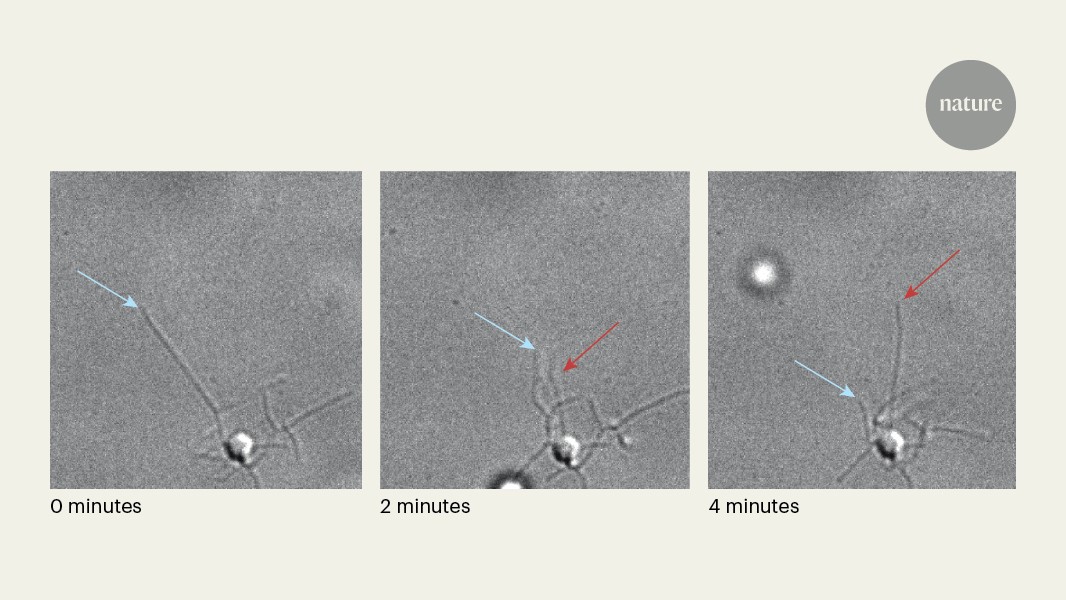
Live imaging of archaea closely related to early eukaryotes shows how these cells move, offering clues to when crawling first evolved. The findings address a major gap in the history of cellular evolution.
8:00 PMNature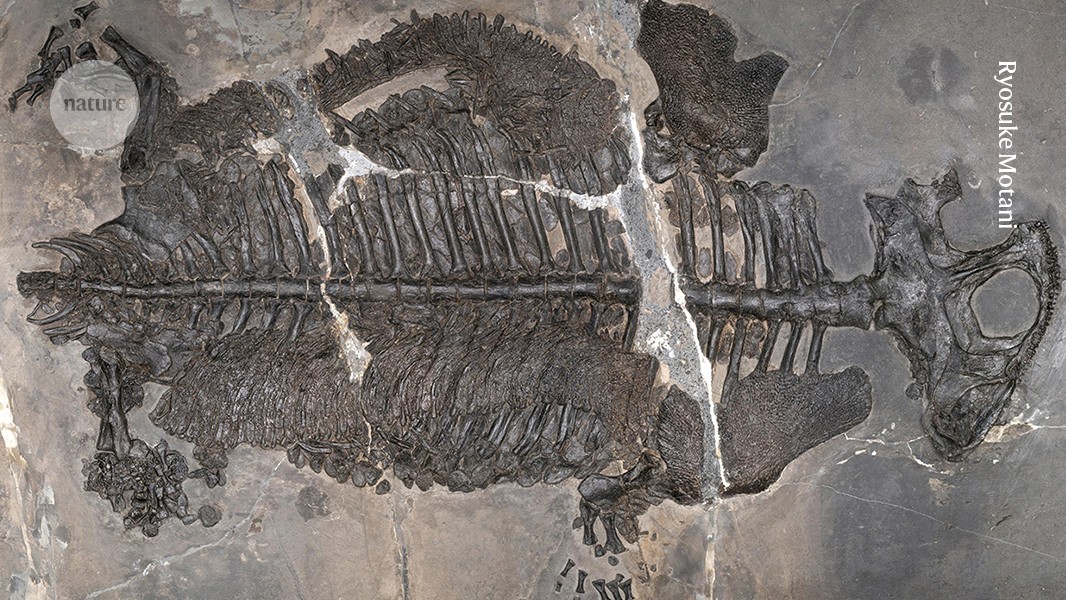
Researchers describe an unusual armoured amphibian that lived in Late Triassic seas. Its armour likely helped it withstand saltwater, challenging assumptions about where amphibians could survive.
8:00 PMNature
An analysis of language origins argues that social cohesion, rather than conflict, drove the development of human speech. It presents women as potentially central to that process while emphasizing that language emerged through collective social interaction.
8:00 PMNature
Astronomers found three actively feeding black holes in one galaxy more than 12.5 billion light-years away. Two sit just 620 light-years apart and are expected to merge, while a third lies farther out; one has a mass roughly 80 million times that of the Sun, and another is growing faster than standard models predict.
8:07 AMScienceDaily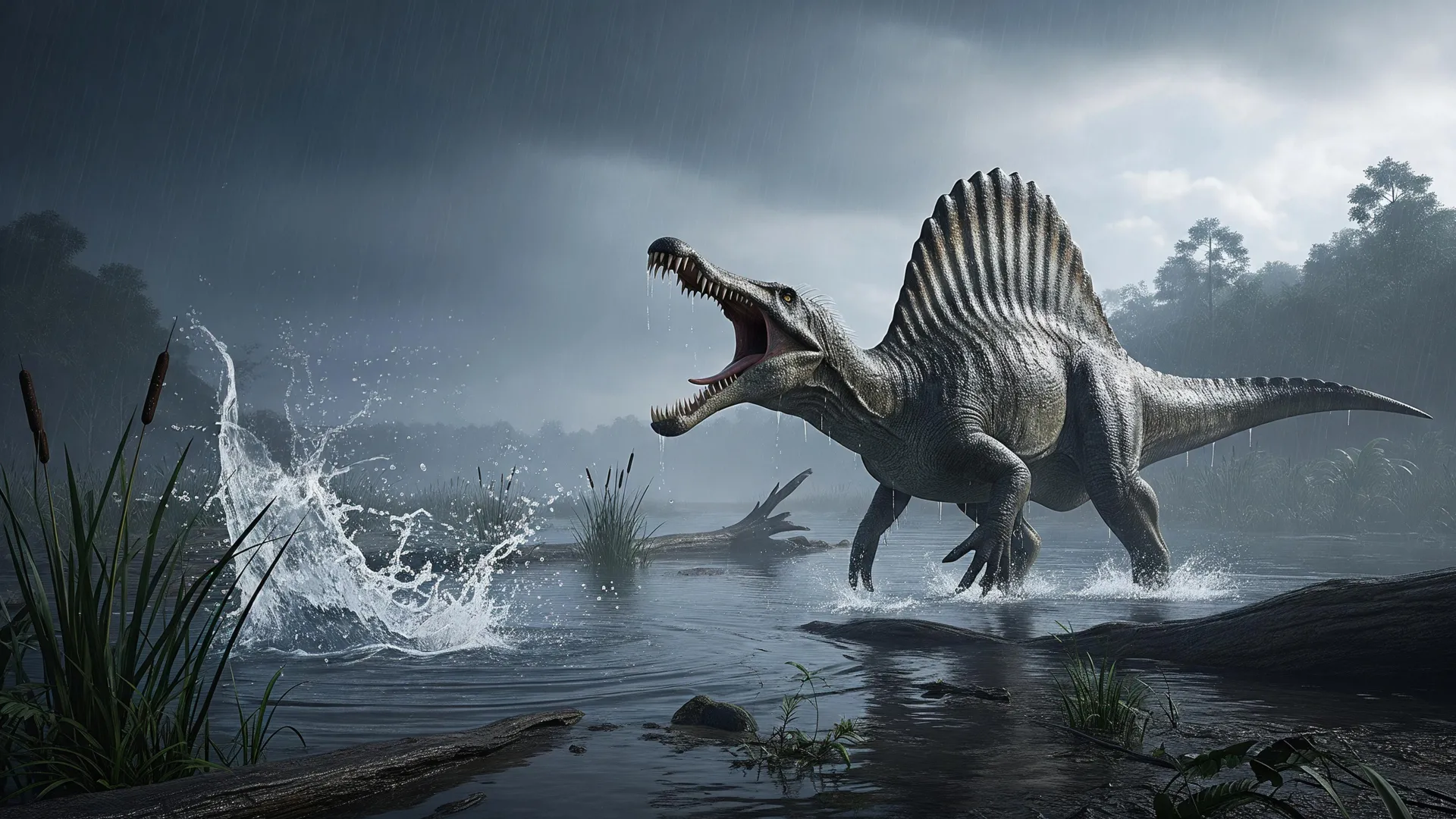
Researchers used machine learning and thousands of fossil measurements to reassess how prehistoric animals moved between land and water. The analysis supports the view that Spinosaurus spent most of its life underwater, while some marine reptiles traditionally considered fully aquatic may have regularly returned to land.
7:52 AMScienceDaily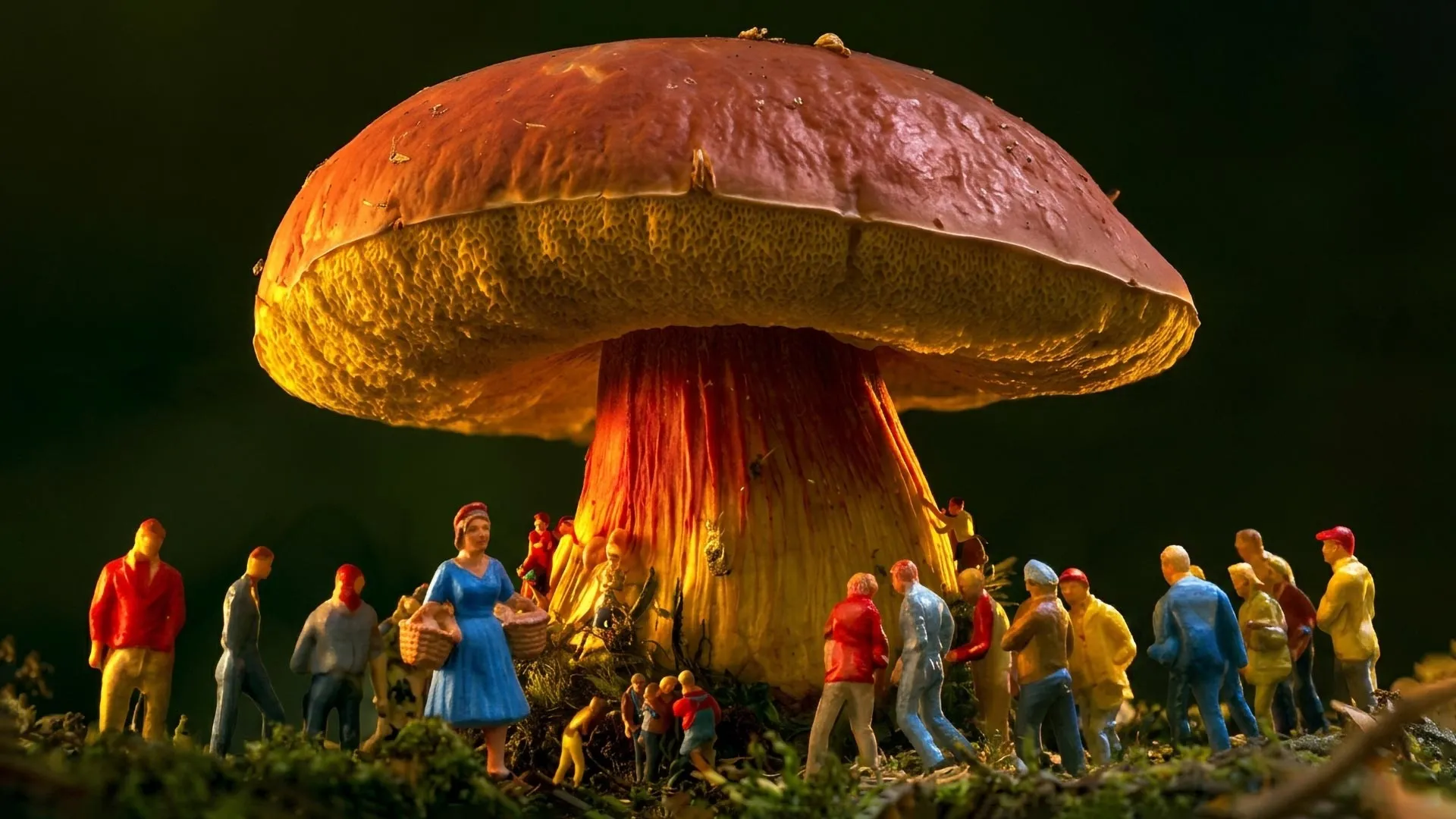
Researchers have identified Lanmaoa asiatica as the mushroom linked to recurring reports in China and the Philippines of people seeing dozens or hundreds of tiny, colorful humans after eating wild mushrooms. The reports span nearly a century and describe vivid figures moving through ordinary surroundings.
2:36 AMScienceDailySummary
Scientists developed a technique that lets five silicon qubits operate simultaneously while maintaining approximately 99.9% accuracy. The result addresses a key challenge in scaling quantum processors beyond small demonstrations.
The decisive advance is reliable simultaneous control, not simply improving the performance of an individual
Unlock the full First Pass Analysis to get a better understanding of why this story mattersWhy it matters
Accurate multi-qubit operation is a prerequisite for building useful quantum computers rather than isolated laboratory prototypes.
Summary
Animal longevity is emerging as both a research field and a commercial market, with companies and academics investigating ways to extend pets' lives.
The key shift is that longevity research is moving beyond human medicine and into the
Unlock the full First Pass Analysis to get a better understanding of why this story mattersWhy it matters
Pet owners may soon face a growing market of longevity treatments whose benefits and risks remain uncertain.
Summary
Live imaging of archaea closely related to early eukaryotes shows how these cells move, offering clues to when crawling first evolved. The findings address a major gap in the history of cellular evolution.
The key shift is direct observation of movement in organisms that approximate an early branch
Unlock the full First Pass Analysis to get a better understanding of why this story mattersWhy it matters
Cell movement may have deeper evolutionary roots than the fossil record and genetic comparisons alone could show.
Summary
Researchers describe an unusual armoured amphibian that lived in Late Triassic seas. Its armour likely helped it withstand saltwater, challenging assumptions about where amphibians could survive.
The decisive finding is evidence that an amphibian lineage adapted to marine conditions through protective
Unlock the full First Pass Analysis to get a better understanding of why this story mattersWhy it matters
The animal shows that amphibians may have invaded salty marine environments more often, or more successfully, than previously recognized.
Summary
An analysis of language origins argues that social cohesion, rather than conflict, drove the development of human speech. It presents women as potentially central to that process while emphasizing that language emerged through collective social interaction.
The key shift is from treating language as a tool for competition to viewing it
Unlock the full First Pass Analysis to get a better understanding of why this story mattersWhy it matters
It challenges conflict-centered theories of language and puts cooperation and women's social influence closer to the center of human evolutionary history.
Summary
Astronomers found three actively feeding black holes in one galaxy more than 12.5 billion light-years away. Two sit just 620 light-years apart and are expected to merge, while a third lies farther out; one has a mass roughly 80 million times that of the Sun, and another is growing faster than standard models predict.
The discovery shows that multiple black holes could assemble and grow inside a single galaxy
Unlock the full First Pass Analysis to get a better understanding of why this story mattersWhy it matters
The system gives astronomers a direct test of how galaxies and their central black holes formed during the universe's first billion years.
Summary
Researchers used machine learning and thousands of fossil measurements to reassess how prehistoric animals moved between land and water. The analysis supports the view that Spinosaurus spent most of its life underwater, while some marine reptiles traditionally considered fully aquatic may have regularly returned to land.
The new analysis shifts the debate from anatomy-based labels to measurable patterns across many species.
Unlock the full First Pass Analysis to get a better understanding of why this story mattersWhy it matters
Reclassifying how these animals lived changes the evolutionary timeline for repeated transitions between land and water.
Summary
Researchers have identified Lanmaoa asiatica as the mushroom linked to recurring reports in China and the Philippines of people seeing dozens or hundreds of tiny, colorful humans after eating wild mushrooms. The reports span nearly a century and describe vivid figures moving through ordinary surroundings.
Identifying the species turns a long-standing folklore-like phenomenon into a testable toxicology problem. Scientists can
Unlock the full First Pass Analysis to get a better understanding of why this story mattersWhy it matters
A reproducible link between one mushroom and one distinctive hallucination could open a new line of research into both poisoning and perception.
Make it yours
Pick your topics, set your cadence, and receive your personalized First Pass in your inbox. It’s that simple!