Day’s Recap is unavailable for this topic and date. Feel free to go through our curated list of stories below.
Other Developments
A curated list of other prominent stories from this day.
9:40 PMScienceDaily
The Moon may have formed intact just hours after a giant collision
Summary
New simulations suggest that the Moon-forming impact depended on the temperature and strength of early Earth and Theia, not only on their size and trajectories. Under some conditions, the collision could have produced an intact Moon in roughly five hours rather than a debris disk that assembled gradually.
The key shift is that giant-impact models must treat early planets as partially solid, strength-bearing
Unlock the full First Pass Analysis to get a better understanding of why this story matters
Why it matters
The Moon may have emerged through a rapid, direct process that forces scientists to revise standard models of planetary formation.
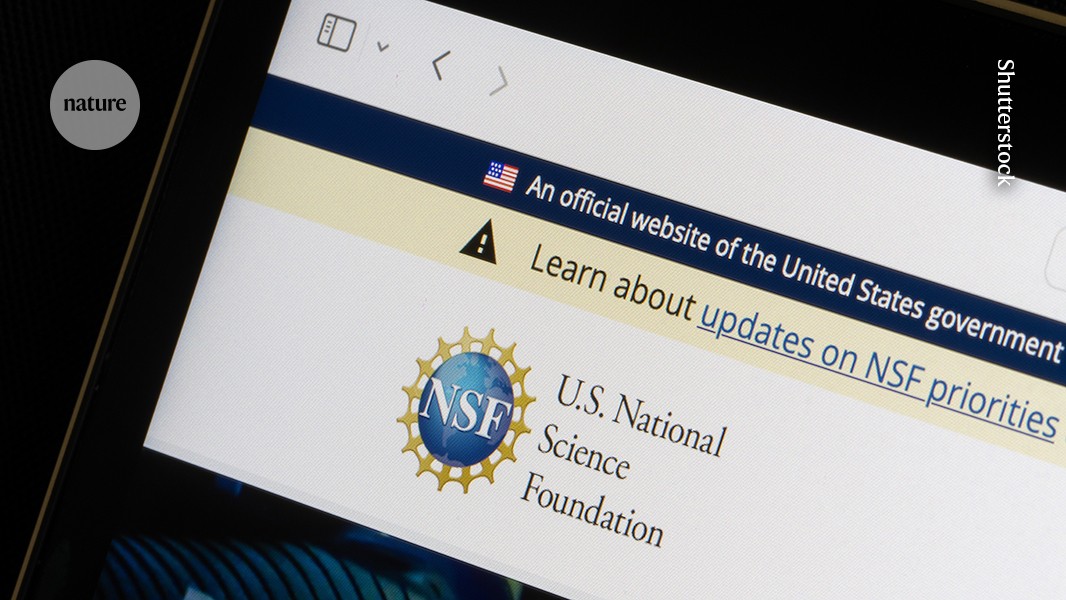
NSF moves to overhaul funding approach in line with White House priorities
Summary
The National Science Foundation is developing new initiatives aligned with White House priorities, but has not explained how it will fund them. Staff fear the streamlined approach could reduce support for core scientific research.
The unresolved funding plan creates a direct risk for basic science: new priorities may draw
Unlock the full First Pass Analysis to get a better understanding of why this story matters
Why it matters
The NSF's shift could redirect federal research funding away from investigator-led basic science.
People trust scientists seen to be 'on their side', UK study find
Summary
A UK study finds that people’s political views and personal values shape their confidence in scientists. Trust rises when researchers are perceived as aligned with the audience’s interests and worldview.
Scientific credibility now depends partly on perceived social and political alignment, not only on evidence
Unlock the full First Pass Analysis to get a better understanding of why this story matters
Why it matters
Public acceptance of scientific findings may depend as much on perceived affiliation as on the strength of the evidence.
Osteoporosis affects millions: could modified cells rebuild their bones?
Summary
A small trial tested modified bone marrow cells designed to target damaged bone in people with osteoporosis. The early results suggest the cells may have regenerative potential, but larger and longer studies are needed.
The key shift is from slowing bone loss to attempting to rebuild weakened bone with
Unlock the full First Pass Analysis to get a better understanding of why this story matters
Why it matters
A regenerative treatment could change osteoporosis care if early findings hold up in larger trials.
Briefing Chat: The Bunsen burner myth that turns out to be just hot air
Summary
Researchers have developed an AI tool that can assess the effects of 9 billion mutations. The briefing also examines evidence that the Bunsen burner’s presumed sterilization benefits may rest more on laboratory tradition than proof.
The AI tool expands mutation analysis beyond what researchers could test manually, potentially improving the
Unlock the full First Pass Analysis to get a better understanding of why this story matters
Why it matters
AI can accelerate biological discovery, but reliable science still depends on testing the assumptions embedded in everyday methods.
Successful early-career scientists rely on network of mentors
Summary
Early-career scientists who build broad networks of mentors are more likely to succeed, with especially strong benefits for researchers from under-represented groups.
Mentorship is not merely a career advantage but a structural resource that shapes access to
Unlock the full First Pass Analysis to get a better understanding of why this story matters
Why it matters
Scientific careers depend partly on social access, so expanding mentorship can change who gets to remain and advance in research.
El Niño goes viral — and scientists learn what makes people care about the climate
Summary
Research on public responses to El Niño suggests that climate communication built around emotion prompts more engagement than data alone. The finding points to the persuasive power of emotionally resonant climate messaging.
Emotion, rather than information by itself, appears to be the key driver of public engagement.
Unlock the full First Pass Analysis to get a better understanding of why this story matters
Why it matters
Climate communication may work better when it connects facts to feelings and consequences.
Minecraft Reaches Black Mirror Stage After Fly’s Brain Transplanted Into Game
Summary
A Google Research breakthrough has prompted online speculation that a fruit fly’s consciousness was placed inside games such as Minecraft and Doom. The claim reflects a leap from modeling or simulating neural activity to asserting that a mind has been transferred.
No evidence shows that researchers transplanted a conscious mind into a game. The real development
Unlock the full First Pass Analysis to get a better understanding of why this story matters
Why it matters
The story tests whether public discussion can distinguish a working brain model from an actual digital mind.
Scientists capture two DNA strands zipping together for the first time
Summary
Researchers have directly observed two negatively charged DNA molecules pairing despite their natural repulsion. Positively charged metal ions bridge the molecules and help matching helices align groove by groove, confirming a theory proposed two decades ago.
Direct observation establishes that metal ions can actively organize DNA pairing rather than merely neutralize
Unlock the full First Pass Analysis to get a better understanding of why this story matters
Why it matters
A long-standing explanation for how DNA molecules find and bind each other now has visual experimental confirmation.
DNA solves the mystery of a body found in the Arctic in 1859
Summary
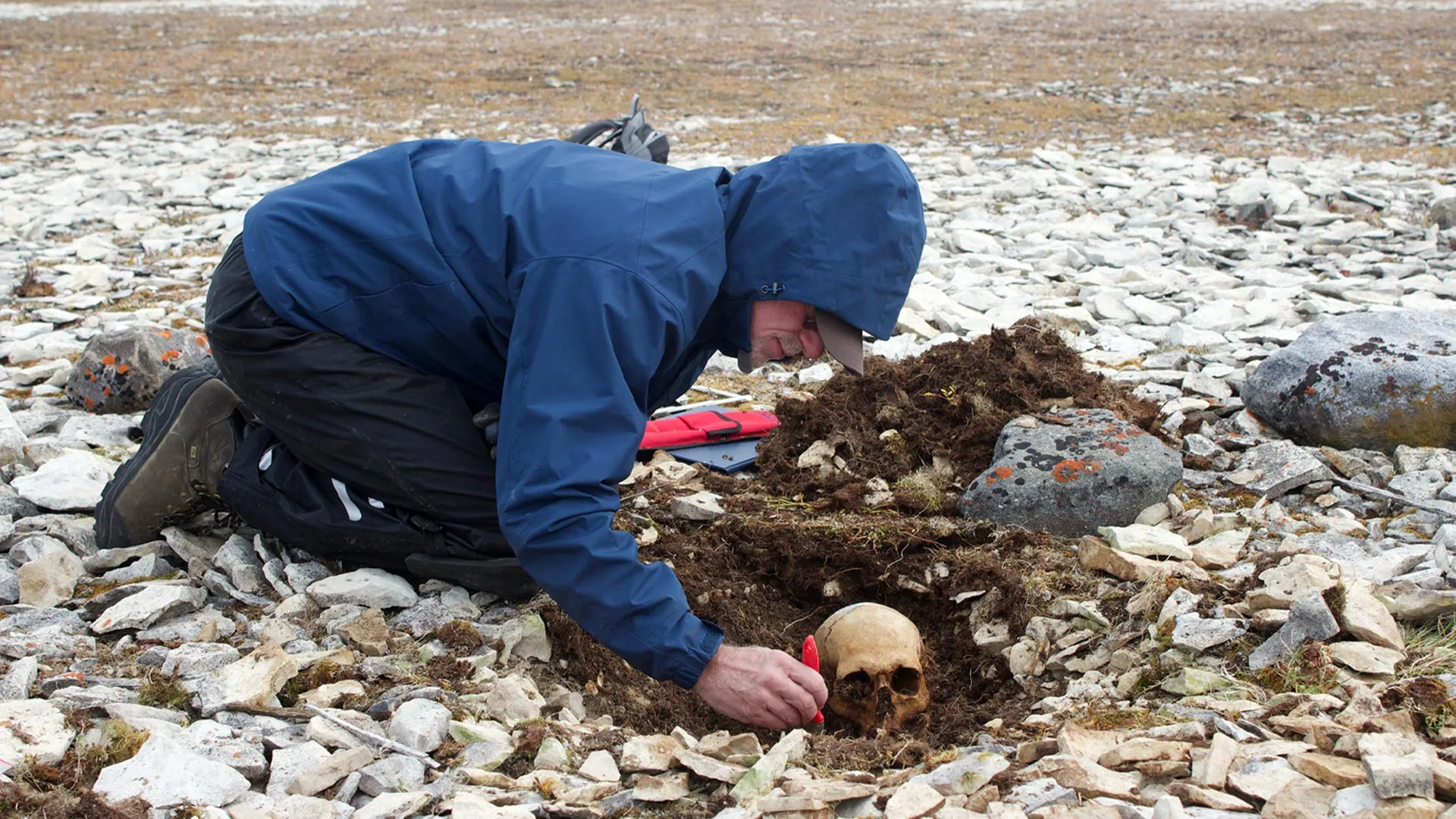
DNA from living descendants has identified four additional members of the doomed Franklin expedition, including Harry Peglar, whose identity had remained unknown for 166 years. The results add evidence about the sailors who survived in the Arctic before joining the expedition's fatal escape attempt.
Genetic matching has turned unidentified remains into evidence about the expedition's final movements. Identifying Peglar
Unlock the full First Pass Analysis to get a better understanding of why this story matters
Why it matters
Modern genetics is resolving historical mysteries that written records and physical evidence left incomplete.
Scientists create brilliant white material without a drop of white pigment
Summary
Researchers have developed a foam-based material that produces intense whiteness and repels water without titanium dioxide or PFAS. Its microscopic pores scatter light, while a rough surface modeled on natural structures creates water resistance.
The material replaces chemical whiteners and fluorinated water repellents with physical structure, potentially reducing environmental
Unlock the full First Pass Analysis to get a better understanding of why this story matters
Why it matters
Structural design could provide a less hazardous route to combining high whiteness with water repellency.
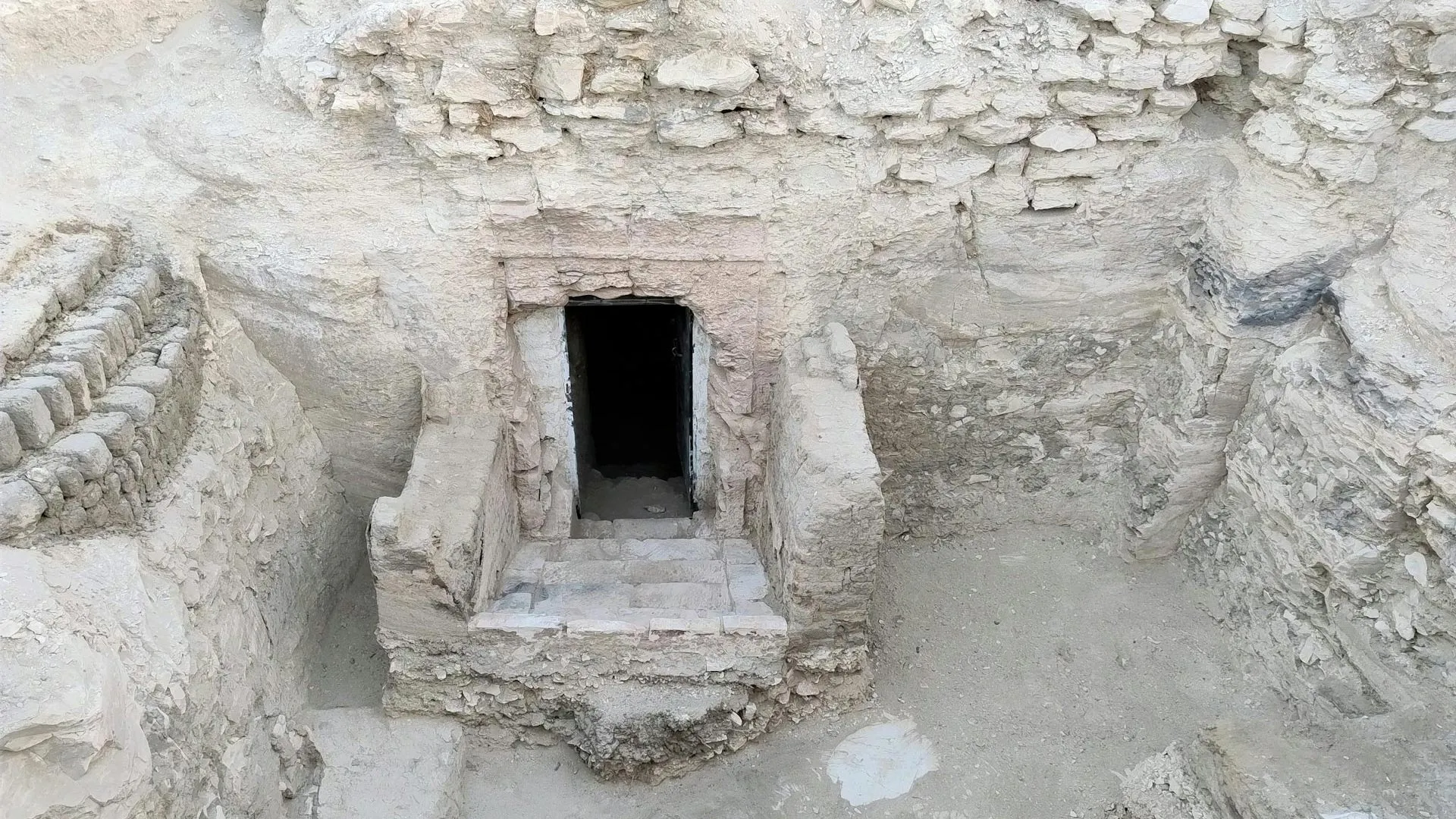
Archaeologists find a 3,000-year-old Egyptian tomb before it’s too late
Summary
Archaeologists discovered an unknown 3,000-year-old tomb near Luxor while clearing debris to protect nearby sites from flash floods. Its paintings depict an official named Paser, his wife, religious scenes, and offerings.
The discovery came through preventive work aimed at protecting archaeological sites from increasingly dangerous flooding,
Unlock the full First Pass Analysis to get a better understanding of why this story matters
Why it matters
Climate adaptation is now essential to finding and preserving ancient history before extreme weather destroys it.