
The CDC reports more than 5,000 measles cases, the highest total in 35 years. Children and teenagers account for nearly 60 percent of confirmed infections.
8:55 PMAl Jazeera20 stories from 9 sources
Supporting Articles
The CDC reports more than 5,000 measles cases, the highest total in 35 years. Children and teenagers account for nearly 60 percent of confirmed infections.
8:55 PMAl Jazeera
New tumor cases have raised safety concerns about adeno-associated virus, or AAV, vectors used in gene therapies such as Zolgensma. The reports are particularly consequential for spinal muscular atrophy patients and for researchers developing therapies that rely on the same delivery platform.
11:14 AMStat News
States have filed another lawsuit seeking to delay the Trump administration’s broad Medicaid changes, including work requirements. The case follows a federal judge’s finding that implementing the requirements could cause irreparable harm.
5:05 PMStat News
The Trump administration has been negotiating separate health agreements with dozens of countries instead of relying on a single global framework. Public health experts warn that fragmented arrangements would be less effective for preventing and responding to pandemics.
1:00 PMThe New York Times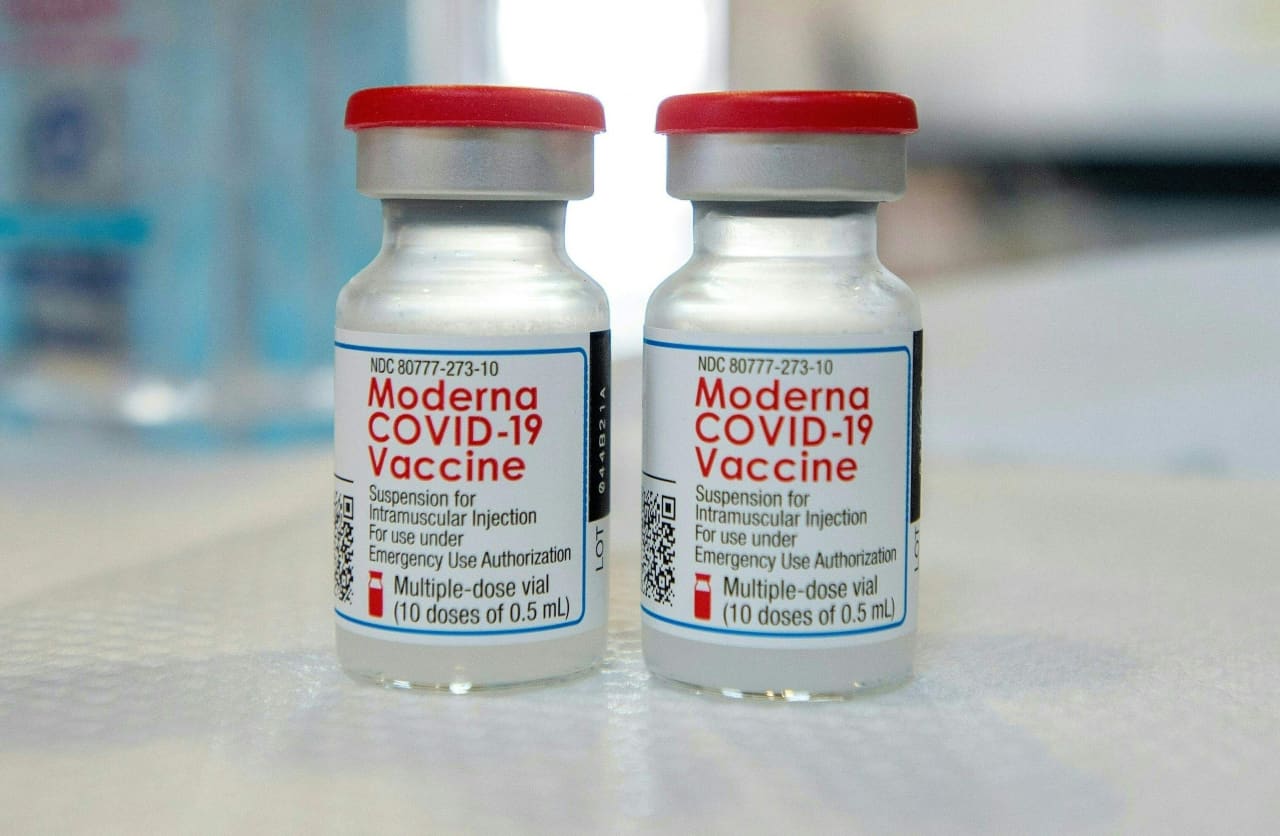
Moderna raised its revenue outlook and said it expects revenue to grow by as much as 25% in 2026. Investors remain focused on the progress of its experimental cancer vaccine.
9:10 AMMarketWatchSummary
The CDC reports more than 5,000 measles cases, the highest total in 35 years. Children and teenagers account for nearly 60 percent of confirmed infections.
The outbreak is disproportionately affecting younger people, pointing to gaps in protection among children and
Unlock the full First Pass Analysis to get a better understanding of why this story mattersWhy it matters
A decades-high measles total signals weakening population protection and puts children at the center of the public health response.
Summary
New tumor cases have raised safety concerns about adeno-associated virus, or AAV, vectors used in gene therapies such as Zolgensma. The reports are particularly consequential for spinal muscular atrophy patients and for researchers developing therapies that rely on the same delivery platform.
The additional cases challenge the assumption that AAV-based therapies carry limited long-term cancer risk. Regulators
Unlock the full First Pass Analysis to get a better understanding of why this story mattersWhy it matters
A safety signal affecting a widely used delivery system could reshape the development and oversight of many gene therapies.
Summary
States have filed another lawsuit seeking to delay the Trump administration’s broad Medicaid changes, including work requirements. The case follows a federal judge’s finding that implementing the requirements could cause irreparable harm.
The new lawsuit keeps Medicaid work requirements from becoming an administrative change and turns implementation
Unlock the full First Pass Analysis to get a better understanding of why this story mattersWhy it matters
The litigation could determine whether millions of Medicaid beneficiaries must meet new work-related conditions to retain coverage.
Summary
The Trump administration has been negotiating separate health agreements with dozens of countries instead of relying on a single global framework. Public health experts warn that fragmented arrangements would be less effective for preventing and responding to pandemics.
Replacing a common global agreement with bilateral deals would weaken coordination on surveillance, data sharing,
Unlock the full First Pass Analysis to get a better understanding of why this story mattersWhy it matters
A fragmented global health system could leave critical gaps in pandemic detection and response.
Summary
Moderna raised its revenue outlook and said it expects revenue to grow by as much as 25% in 2026. Investors remain focused on the progress of its experimental cancer vaccine.
The improved outlook gives Moderna more financial support, but it does not resolve the company’s
Unlock the full First Pass Analysis to get a better understanding of why this story mattersWhy it matters
Moderna’s valuation increasingly depends on whether its experimental pipeline can replace waning pandemic-era demand.
2 stories · 2 sources
A curated list of other prominent stories from this day.

Jehovah's Witness leaders relaxed their strict rules on blood transfusions, but the change came 23 days too late for Isaac Valdez, who had refused the treatment on religious grounds.
8:27 PMBBC
Busy Philipps discussed treating her brain tumor while filming her new CBS drama, "Cupertino." She also spoke about another aspect of her personal life during the conversation.
5:31 PMNPR Arts
Two newly elected lawmakers with science backgrounds say they plan to oppose Trump administration cuts to health equity programs. Their focus is on protecting initiatives aimed at addressing disparities in healthcare and outcomes.
4:46 PMStat News
A Democratic landslide in the midterm elections would likely produce policies aimed at reversing Medicaid cuts and expanding insurance coverage. Those changes would improve the financial outlook for hospitals, particularly providers serving low-income and uninsured patients.
12:46 PMStat News
Hims & Hers reached an agreement with Eli Lilly involving GLP-1 medications, including Zepbound. Under the deal, Hims said it will stop compounding GLP-1 drugs in the future.
11:29 AMMarketWatch
The supplied summary does not describe Repatha or cardiovascular outcomes. Instead, it reports that Novartis disclosed seven previously unreported tumor cases in children who received Zolgensma, another gene therapy.
10:14 AMStat NewsResearchers are investigating whether CRISPR gene editing can treat rare genetic disorders before birth, potentially preventing damage that becomes irreversible after delivery. The approach remains experimental and must address major safety and ethical concerns.
6:50 AMCNBC
A study of nearly 5,800 adults found that coronary calcium scans identified a group with cardiovascular event rates similar to those identified through standard risk assessments, while recommending statins to far fewer people. Patients whose treatment decisions were guided by scan results were also nearly three times more likely to stay on their medication.
5:59 AMScienceDaily
Medicare delayed until 2029 a controversial plan to prohibit hospitals from using third parties to provide remote patient monitoring services. The proposal faces broad opposition from advocates and industry participants.
4:30 AMStat News
People can have biological Alzheimer's disease without measurable cognitive impairment or obvious symptoms. The essay argues that this state still shapes patients' lives and should be recognized as a genuine disease experience.
4:30 AMStat News
The argument is that AI systems cannot deliver reliable advances in women's health when medical records omit or misclassify important symptoms, diagnoses, and care experiences. Better models therefore depend on more complete and accurate clinical documentation.
4:30 AMStat News
Kratom remains unfamiliar to many Americans even as use grows and public health agencies issue warnings. The article examines what the plant is, how it is used, and which groups are turning to it.
4:30 AMStat News
Southeast Asia is expanding healthcare capacity as costs rise and specialist doctors remain scarce. Walgreens Boots Alliance’s Asia-Pacific chief argues that the region should not replicate the U.S. system, which prioritizes expensive treatment over broader health and prevention.
3:23 AMFortune
A 12-week study found that consuming three daily servings of full-fat dairy did not worsen participants' weight, cholesterol, or insulin resistance. Participants also showed improved blood pressure and nutrient intake, challenging broad advice to favor low-fat dairy.
12:51 AMScienceDailySummary
Jehovah's Witness leaders relaxed their strict rules on blood transfusions, but the change came 23 days too late for Isaac Valdez, who had refused the treatment on religious grounds.
The policy shift leaves Valdez as a stark example of how delayed religious guidance can
Unlock the full First Pass Analysis to get a better understanding of why this story mattersWhy it matters
A change in religious medical policy can alter life-or-death decisions, but not for patients treated under the old rules.
Summary
Busy Philipps discussed treating her brain tumor while filming her new CBS drama, "Cupertino." She also spoke about another aspect of her personal life during the conversation.
Philipps’s account connects a serious medical diagnosis with the practical demands of continuing professional work
Unlock the full First Pass Analysis to get a better understanding of why this story mattersWhy it matters
Personal accounts can make the disruption and uncertainty of cancer care more visible, especially when patients continue working through treatment.
Summary
Two newly elected lawmakers with science backgrounds say they plan to oppose Trump administration cuts to health equity programs. Their focus is on protecting initiatives aimed at addressing disparities in healthcare and outcomes.
The lawmakers are positioning health equity as a congressional fight over funding, oversight, and the
Unlock the full First Pass Analysis to get a better understanding of why this story mattersWhy it matters
The coming budget and oversight battles will determine whether federal efforts to address healthcare disparities expand, shrink, or shift direction.
Summary
A Democratic landslide in the midterm elections would likely produce policies aimed at reversing Medicaid cuts and expanding insurance coverage. Those changes would improve the financial outlook for hospitals, particularly providers serving low-income and uninsured patients.
The decisive shift would be fiscal: more Medicaid coverage and fewer reductions would increase hospitals'
Unlock the full First Pass Analysis to get a better understanding of why this story mattersWhy it matters
Election results could directly change hospitals' payer mix and the amount of care they deliver without reimbursement.
Summary
Hims & Hers reached an agreement with Eli Lilly involving GLP-1 medications, including Zepbound. Under the deal, Hims said it will stop compounding GLP-1 drugs in the future.
The agreement shifts Hims from competing with Lilly through compounded alternatives toward distributing or facilitating
Unlock the full First Pass Analysis to get a better understanding of why this story mattersWhy it matters
The deal marks a broader industry shift from compounded GLP-1 substitutes toward manufacturer-controlled channels.
Summary
The supplied summary does not describe Repatha or cardiovascular outcomes. Instead, it reports that Novartis disclosed seven previously unreported tumor cases in children who received Zolgensma, another gene therapy.
The available information points to a gene therapy safety disclosure rather than evidence about Repatha's
Unlock the full First Pass Analysis to get a better understanding of why this story mattersWhy it matters
The conflicting headline and summary make the reported Repatha finding unsuitable for confident interpretation without the full article.
Summary
Researchers are investigating whether CRISPR gene editing can treat rare genetic disorders before birth, potentially preventing damage that becomes irreversible after delivery. The approach remains experimental and must address major safety and ethical concerns.
The central shift is timing: fetal editing could intervene before disease disrupts developing organs, expanding
Unlock the full First Pass Analysis to get a better understanding of why this story mattersWhy it matters
Fetal gene editing could prevent severe disease at its earliest stage, but it would test the limits of medical risk and parental consent.
Summary
A study of nearly 5,800 adults found that coronary calcium scans identified a group with cardiovascular event rates similar to those identified through standard risk assessments, while recommending statins to far fewer people. Patients whose treatment decisions were guided by scan results were also nearly three times more likely to stay on their medication.
Calcium scanning may improve statin targeting without worsening observed outcomes, reducing unnecessary treatment for lower-risk
Unlock the full First Pass Analysis to get a better understanding of why this story mattersWhy it matters
A more selective, image-based approach could change how clinicians balance overtreatment against missed cardiovascular risk.
Summary
Medicare delayed until 2029 a controversial plan to prohibit hospitals from using third parties to provide remote patient monitoring services. The proposal faces broad opposition from advocates and industry participants.
The delay preserves current remote-monitoring arrangements for now and gives hospitals, vendors, and patient advocates
Unlock the full First Pass Analysis to get a better understanding of why this story mattersWhy it matters
The fight will shape whether remote monitoring remains a distributed service model or becomes more tightly controlled by hospitals and Medicare.
Summary
People can have biological Alzheimer's disease without measurable cognitive impairment or obvious symptoms. The essay argues that this state still shapes patients' lives and should be recognized as a genuine disease experience.
The distinction between biological disease and clinical symptoms is becoming more consequential as testing and
Unlock the full First Pass Analysis to get a better understanding of why this story mattersWhy it matters
Medicine must decide how to counsel and treat people who carry Alzheimer's pathology before they develop memory problems.
Summary
The argument is that AI systems cannot deliver reliable advances in women's health when medical records omit or misclassify important symptoms, diagnoses, and care experiences. Better models therefore depend on more complete and accurate clinical documentation.
The central constraint is data quality, not just algorithm design. If records underrepresent women's symptoms
Unlock the full First Pass Analysis to get a better understanding of why this story mattersWhy it matters
AI could make disparities in women's care more efficient unless the underlying medical data become more representative.
Summary
Kratom remains unfamiliar to many Americans even as use grows and public health agencies issue warnings. The article examines what the plant is, how it is used, and which groups are turning to it.
Growing use is outpacing public understanding, leaving consumers to navigate uncertain risks, inconsistent products, and
Unlock the full First Pass Analysis to get a better understanding of why this story mattersWhy it matters
Kratom's expanding use could become a larger substance-use and regulatory issue before evidence-based safeguards catch up.
Summary
Southeast Asia is expanding healthcare capacity as costs rise and specialist doctors remain scarce. Walgreens Boots Alliance’s Asia-Pacific chief argues that the region should not replicate the U.S. system, which prioritizes expensive treatment over broader health and prevention.
The central shift is from treating illness after it appears to building lower-cost, prevention-focused care.
Unlock the full First Pass Analysis to get a better understanding of why this story mattersWhy it matters
Southeast Asia’s healthcare choices will shape whether rising demand produces wider access or locks in costly, treatment-heavy systems.
Summary
A 12-week study found that consuming three daily servings of full-fat dairy did not worsen participants' weight, cholesterol, or insulin resistance. Participants also showed improved blood pressure and nutrient intake, challenging broad advice to favor low-fat dairy.
The results weaken the case for treating full-fat dairy as uniformly harmful, but they do
Unlock the full First Pass Analysis to get a better understanding of why this story mattersWhy it matters
A modest study could reopen a major nutrition debate that has shaped consumer choices and public health advice for decades.
Make it yours
Pick your topics, set your cadence, and receive your personalized First Pass in your inbox. It’s that simple!