
Asian stock markets rose after an earlier selloff in technology shares. The rout followed a sweeping Democratic victory in US midterm elections.
11:03 PMAl Jazeera31 stories from 6 sources
Supporting Articles
Asian stock markets rose after an earlier selloff in technology shares. The rout followed a sweeping Democratic victory in US midterm elections.
11:03 PMAl Jazeera
Asian stocks were positioned to open higher after gains in US equities, but investors faced fresh uncertainty over a probe involving Nvidia Corp.
5:20 PMBloomberg MarketsA Democratic landslide in the US midterm elections has strengthened the Treasury market, giving investors another reason to reassess this year's sharp bond selloff. The result has also pressured the AI trade.
3:00 PMBloomberg Markets
Capital Economics expects AI investment to slow next year and decline in 2028, weakening economic growth in the process. It forecasts the S&P 500 will end 2027 12% below its current level and 17% below its early-October peak.
1:22 PMFortuneCoreWeave's earnings and upcoming inflation data will dominate the stock market calendar in the week ahead. Together, they will test expectations for AI demand and the path of interest rates.
12:40 PMCNBC
US stocks have returned to unusually high levels of co-movement after a period of wide divergence, but the renewed correlation has emerged during the market’s sharpest selloff in more than a year.
9:00 AMMarketWatch
Individual-stock correlations recently reached a record low before helping signal a technology selloff, and their reversal toward the historical average may carry a new warning for markets.
7:00 AMMarketWatchChina will extend its suspension of an additional 24% tariff on US goods for two more months, through January. The existing 10% tariff will remain in place.
11:36 PMBloomberg MarketsSoybean futures posted their strongest gain in more than two weeks as the US pressed China to fulfill commitments to buy American agricultural products.
10:50 PMBloomberg Markets
Gold and silver face conflicting forces as US-Iran tensions, crude prices and major economic data shape inflation and interest-rate expectations. Traders will focus on Federal Reserve commentary and US labor-market indicators for direction.
8:39 PMEconomic Times
Oil prices fell after Trump said fresh US attacks on Iran were unlikely while talks to end the conflict continue. The decline came despite reports that shipping had been hit in or near the Strait of Hormuz.
8:08 PMEconomic Times
Gold prices rose modestly as weaker crude prices reduced concerns about inflation. Gains remained limited because investors expect the Federal Reserve to keep US interest rates elevated.
8:01 PMEconomic TimesGold extended its late-week decline after stronger-than-expected US jobs data increased expectations that the Federal Reserve may raise interest rates in December to contain inflation.
6:40 PMBloomberg Markets
Indian short-term bonds may underperform as interest-rate increases and tighter liquidity push short-dated yields higher. The yield curve is expected to flatten as monetary conditions tighten.
10:53 PMEconomic TimesChina’s producer price inflation reached 5.7% in October, above economists’ 5.3% forecast and its highest level in more than four years. Consumer price growth slowed, pointing to a widening gap between rising factory costs and weak household demand.
9:50 PMCNBCChina’s central bank launched a major effort less than six months ago to curb inflated credit ratings in the $5.6 trillion corporate debt market. Sudden distress at a highly rated company now provides a live test of whether that campaign is working.
6:52 PMBloomberg MarketsBrazilian President Luiz Inácio Lula da Silva pledged to protect public finances while maintaining social programs in his first televised address since winning a fourth term. The message was aimed at reassuring investors concerned about fiscal policy.
8:09 PMBloomberg MarketsSummary
Asian stock markets rose after an earlier selloff in technology shares. The rout followed a sweeping Democratic victory in US midterm elections.
The rebound suggests investors are reassessing the political shock rather than abandoning Asian equities outright.
Unlock the full First Pass Analysis to get a better understanding of why this story mattersWhy it matters
Asian markets remain sensitive to the interaction between US political outcomes and technology-sector valuations.
Summary
Asian stocks were positioned to open higher after gains in US equities, but investors faced fresh uncertainty over a probe involving Nvidia Corp.
The likely regional gains show that US market strength remains the dominant near-term signal, but
Unlock the full First Pass Analysis to get a better understanding of why this story mattersWhy it matters
Asian markets are balancing positive US momentum against a new risk to the technology trade that has supported global equities.
Summary
A Democratic landslide in the US midterm elections has strengthened the Treasury market, giving investors another reason to reassess this year's sharp bond selloff. The result has also pressured the AI trade.
The election has shifted market positioning toward Treasuries and away from AI-linked assets. That reversal
Unlock the full First Pass Analysis to get a better understanding of why this story mattersWhy it matters
The election is reshaping the cross-asset trade, with bonds gaining as AI and growth exposure lose momentum.
Summary
Capital Economics expects AI investment to slow next year and decline in 2028, weakening economic growth in the process. It forecasts the S&P 500 will end 2027 12% below its current level and 17% below its early-October peak.
The forecast treats AI investment as a macroeconomic driver, not merely a source of technology-sector
Unlock the full First Pass Analysis to get a better understanding of why this story mattersWhy it matters
A slowdown in AI capital spending could turn a valuation correction into a wider growth and earnings downturn.
Summary
CoreWeave's earnings and upcoming inflation data will dominate the stock market calendar in the week ahead. Together, they will test expectations for AI demand and the path of interest rates.
The two events target the market's most sensitive fault lines: whether AI spending can support
Unlock the full First Pass Analysis to get a better understanding of why this story mattersWhy it matters
The week could clarify whether AI enthusiasm and easing-rate expectations still justify current equity valuations.
Summary
US stocks have returned to unusually high levels of co-movement after a period of wide divergence, but the renewed correlation has emerged during the market’s sharpest selloff in more than a year.
The market is being driven by a broad risk-off force rather than distinct company fundamentals.
Unlock the full First Pass Analysis to get a better understanding of why this story mattersWhy it matters
Rising correlation makes a broad equity decline harder to hedge through ordinary stock and sector selection.
Summary
Individual-stock correlations recently reached a record low before helping signal a technology selloff, and their reversal toward the historical average may carry a new warning for markets.
The shift from extreme dispersion toward higher correlation suggests investors may be losing the ability
Unlock the full First Pass Analysis to get a better understanding of why this story mattersWhy it matters
A rebound in correlation can signal that diversification and selective buying are becoming less effective.
Summary
China will extend its suspension of an additional 24% tariff on US goods for two more months, through January. The existing 10% tariff will remain in place.
The extension preserves the trade truce without removing the core tariff burden. US exporters retain
Unlock the full First Pass Analysis to get a better understanding of why this story mattersWhy it matters
The deal reduces near-term trade risk while leaving the broader US-China tariff dispute unresolved.
Summary
Soybean futures posted their strongest gain in more than two weeks as the US pressed China to fulfill commitments to buy American agricultural products.
The rally reflects expectations of stronger Chinese demand rather than a confirmed increase in shipments.
Unlock the full First Pass Analysis to get a better understanding of why this story mattersWhy it matters
China's follow-through on farm purchases will test whether the trade truce is producing real commodity flows.
Summary
Gold and silver face conflicting forces as US-Iran tensions, crude prices and major economic data shape inflation and interest-rate expectations. Traders will focus on Federal Reserve commentary and US labor-market indicators for direction.
The next move in bullion will depend less on geopolitics alone than on whether oil
Unlock the full First Pass Analysis to get a better understanding of why this story mattersWhy it matters
Bullion investors face a tug of war between geopolitical risk and the higher-for-longer interest-rate outlook.
Summary
Oil prices fell after Trump said fresh US attacks on Iran were unlikely while talks to end the conflict continue. The decline came despite reports that shipping had been hit in or near the Strait of Hormuz.
Markets are pricing the possibility that diplomacy will prevent a wider disruption to Gulf energy
Unlock the full First Pass Analysis to get a better understanding of why this story mattersWhy it matters
Oil prices are being driven by the credibility of de-escalation, not by the disappearance of the underlying supply threat.
Summary
Gold prices rose modestly as weaker crude prices reduced concerns about inflation. Gains remained limited because investors expect the Federal Reserve to keep US interest rates elevated.
Lower oil prices reduce the risk that inflation will force further monetary tightening, supporting gold
Unlock the full First Pass Analysis to get a better understanding of why this story mattersWhy it matters
Gold is benefiting from softer inflation risks, but high US rates continue to cap its upside.
Summary
Gold extended its late-week decline after stronger-than-expected US jobs data increased expectations that the Federal Reserve may raise interest rates in December to contain inflation.
Stronger labor data has shifted attention back toward monetary tightening, raising the opportunity cost of
Unlock the full First Pass Analysis to get a better understanding of why this story mattersWhy it matters
The jobs report has made interest-rate expectations the immediate driver of gold and broader market pricing.
Summary
Indian short-term bonds may underperform as interest-rate increases and tighter liquidity push short-dated yields higher. The yield curve is expected to flatten as monetary conditions tighten.
Short maturities face the greatest pressure because they reprice fastest when the Reserve Bank of
Unlock the full First Pass Analysis to get a better understanding of why this story mattersWhy it matters
India's bond-market adjustment is shifting risk toward short-duration debt and raising the cost of near-term borrowing.
2 stories · 2 sources
Summary
China’s producer price inflation reached 5.7% in October, above economists’ 5.3% forecast and its highest level in more than four years. Consumer price growth slowed, pointing to a widening gap between rising factory costs and weak household demand.
The data suggest China is importing or transmitting higher energy and input costs through producers
Unlock the full First Pass Analysis to get a better understanding of why this story mattersWhy it matters
China is showing a potentially unstable mix of producer-cost inflation and consumer weakness rather than a healthy recovery in prices.
Summary
China’s central bank launched a major effort less than six months ago to curb inflated credit ratings in the $5.6 trillion corporate debt market. Sudden distress at a highly rated company now provides a live test of whether that campaign is working.
The episode puts pressure on rating agencies, regulators and investors to distinguish genuine credit quality
Unlock the full First Pass Analysis to get a better understanding of why this story mattersWhy it matters
China’s attempt to restore trust in corporate credit is now being tested by an actual threat to a supposedly safe borrower.
Summary
Brazilian President Luiz Inácio Lula da Silva pledged to protect public finances while maintaining social programs in his first televised address since winning a fourth term. The message was aimed at reassuring investors concerned about fiscal policy.
Lula is trying to contain market anxiety by pairing spending commitments with a promise of
Unlock the full First Pass Analysis to get a better understanding of why this story mattersWhy it matters
Brazil’s next fiscal decisions will determine whether Lula’s reassurance becomes a market stabilizer or another source of volatility.
A curated list of other prominent stories from this day.
China is marketing green bonds in Canada for the first time. The issuance would expand its offshore borrowing base and fund projects classified as sustainable.
11:02 PMBloomberg MarketsPhilippine economic growth slowed for a fifth consecutive quarter, making the country one of Asia’s weaker performers. Weak farm output, high energy costs and the lingering effects of El Niño continue to weigh on the outlook.
9:03 PMBloomberg MarketsMizuho Financial Group is gaining ground in Japan’s equity capital markets by connecting US demand for artificial intelligence fundraising with Japan’s large pool of retail savings. The strategy is helping it compete with Nomura in high-value global offerings.
9:00 PMBloomberg Markets
The US dollar retained gains driven by recent payrolls data, while the New Zealand dollar rebounded from a seven-month low after an inconclusive election. Vote counting will continue before the country knows which government will take power.
8:27 PMEconomic Times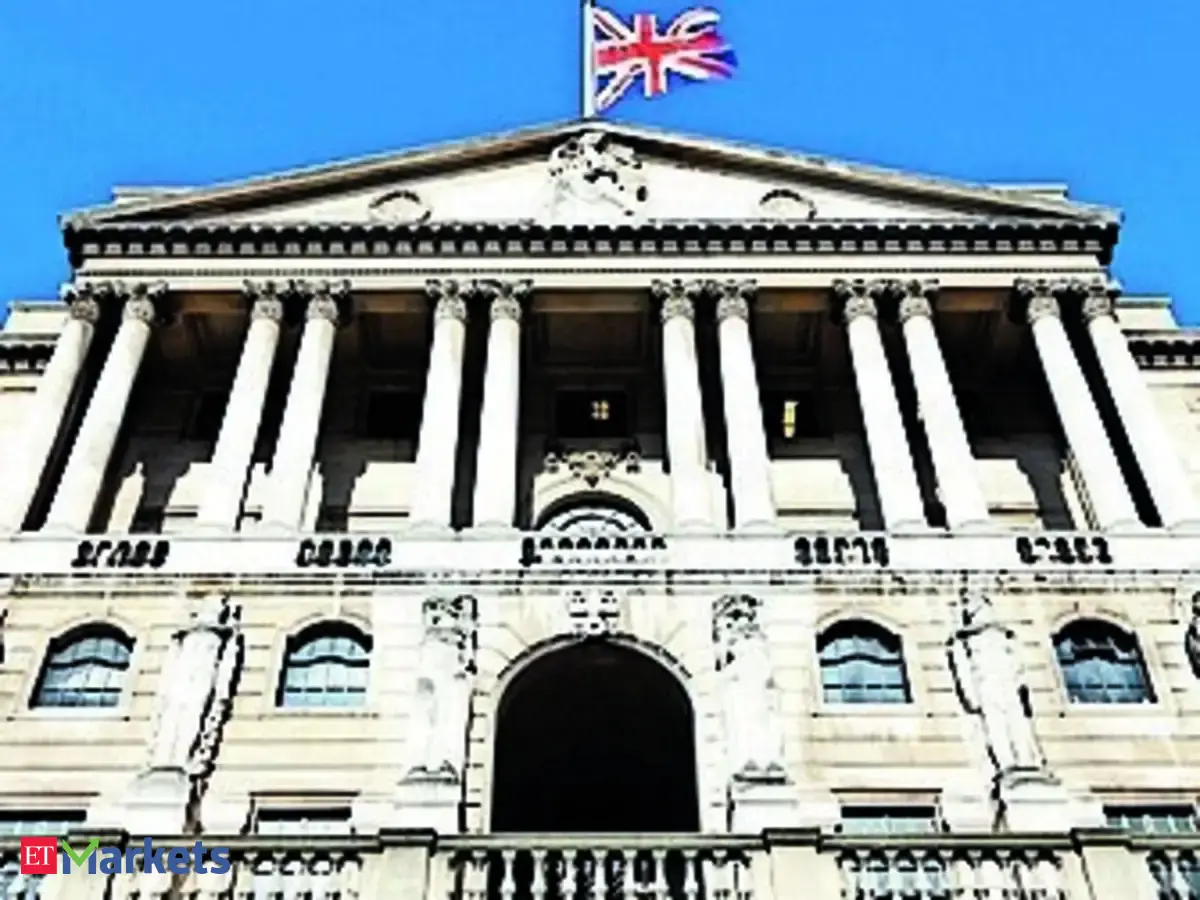
Bank of England chief economist Huw Pill said rates could remain unchanged or fall if UK growth loses momentum. His view contrasts with market expectations for at least two rate increases over the coming year, as households face higher energy costs despite stronger-than-expected growth.
8:06 PMEconomic TimesBerkshire Hathaway has hired banks for its first yen bond offering since April as it prepares to raise additional funds in Japan.
8:04 PMBloomberg MarketsThe New Zealand dollar rose after the incumbent National Party emerged from the election with the clearest path to forming a government and leading talks with smaller parties.
5:07 PMBloomberg Markets
A sharp market selloff has been interpreted as evidence that investors are increasingly worried about US fiscal stress and rising debt, rather than simply reacting to the AI cycle.
3:46 PMFortuneEurope’s welfare model was designed for younger populations and stronger demographic growth. Aging societies are now increasing pressure on pensions, health care and public finances as governments also seek to fund defense, infrastructure and education.
10:02 AMBloomberg Markets
Research estimates that the average worker would need 52 years of saving to move from the middle class into the top 10% by wealth. The finding suggests that ordinary earnings and saving alone offer a highly limited path to becoming wealthy.
9:31 AMFortune
Economists view France’s unrest as an early warning about the political strain created by high public debt, which has reached roughly 126% of GDP. The protests also reflect a widening generational divide, with young people playing a prominent role in the latest demonstrations.
4:00 AMFortuneArk Invest CEO Cathie Wood said markets are facing a broad "wall of worry." Her view is that widespread investor anxiety can create opportunities for long-term buyers, particularly in the growth stocks her firm favors.
1:00 AMCNBCSummary
China is marketing green bonds in Canada for the first time. The issuance would expand its offshore borrowing base and fund projects classified as sustainable.
China is testing Canadian investor demand as bilateral ties improve. A successful sale would diversify
Unlock the full First Pass Analysis to get a better understanding of why this story mattersWhy it matters
The deal could mark a modest reopening of cross-border capital links between China and Canada.
Summary
Philippine economic growth slowed for a fifth consecutive quarter, making the country one of Asia’s weaker performers. Weak farm output, high energy costs and the lingering effects of El Niño continue to weigh on the outlook.
The extended slowdown raises pressure on President Ferdinand Marcos Jr. to support growth without worsening
Unlock the full First Pass Analysis to get a better understanding of why this story mattersWhy it matters
A prolonged slowdown could weaken investor confidence and make Marcos’s economic record a bigger political liability.
Summary
Mizuho Financial Group is gaining ground in Japan’s equity capital markets by connecting US demand for artificial intelligence fundraising with Japan’s large pool of retail savings. The strategy is helping it compete with Nomura in high-value global offerings.
The shift gives Mizuho a stronger position in the most lucrative part of Japan’s deal
Unlock the full First Pass Analysis to get a better understanding of why this story mattersWhy it matters
The competition signals a broader reordering of Japan’s investment-banking market around AI capital raising and international distribution.
Summary
The US dollar retained gains driven by recent payrolls data, while the New Zealand dollar rebounded from a seven-month low after an inconclusive election. Vote counting will continue before the country knows which government will take power.
The dollar's support reflects stronger US labor data and reduced confidence in near-term monetary easing.
Unlock the full First Pass Analysis to get a better understanding of why this story mattersWhy it matters
Diverging political and monetary signals are widening the gap between US dollar resilience and New Zealand's policy uncertainty.
Summary
Bank of England chief economist Huw Pill said rates could remain unchanged or fall if UK growth loses momentum. His view contrasts with market expectations for at least two rate increases over the coming year, as households face higher energy costs despite stronger-than-expected growth.
The policy debate is shifting toward whether energy-driven pressure on household spending will weaken demand
Unlock the full First Pass Analysis to get a better understanding of why this story mattersWhy it matters
The BoE is signaling that weak demand could eventually outweigh inflation concerns in determining the next rate move.
Summary
Berkshire Hathaway has hired banks for its first yen bond offering since April as it prepares to raise additional funds in Japan.
The planned sale shows Berkshire continues to view Japan’s bond market as a reliable source
Unlock the full First Pass Analysis to get a better understanding of why this story mattersWhy it matters
A new Berkshire yen deal would reinforce Japan’s role as a deep funding market for major overseas issuers.
Summary
The New Zealand dollar rose after the incumbent National Party emerged from the election with the clearest path to forming a government and leading talks with smaller parties.
The election result reduces immediate political uncertainty, giving the currency a modest lift as investors
Unlock the full First Pass Analysis to get a better understanding of why this story mattersWhy it matters
The currency is now pricing greater clarity on New Zealand’s next government, but coalition talks remain the key risk.
Summary
A sharp market selloff has been interpreted as evidence that investors are increasingly worried about US fiscal stress and rising debt, rather than simply reacting to the AI cycle.
The decisive shift is from concern about equity valuations to concern about the government’s borrowing
Unlock the full First Pass Analysis to get a better understanding of why this story mattersWhy it matters
If fiscal risk is driving markets, higher US borrowing costs could become a durable constraint on both stocks and the broader economy.
Summary
Europe’s welfare model was designed for younger populations and stronger demographic growth. Aging societies are now increasing pressure on pensions, health care and public finances as governments also seek to fund defense, infrastructure and education.
The core shift is fiscal competition: fewer workers must support more retirees while states take
Unlock the full First Pass Analysis to get a better understanding of why this story mattersWhy it matters
Europe’s demographic squeeze is turning the welfare state from a social guarantee into a central constraint on fiscal policy and growth.
Summary
Research estimates that the average worker would need 52 years of saving to move from the middle class into the top 10% by wealth. The finding suggests that ordinary earnings and saving alone offer a highly limited path to becoming wealthy.
The decisive fact is the length of time required to cross the wealth threshold, which
Unlock the full First Pass Analysis to get a better understanding of why this story mattersWhy it matters
If saving from wages cannot materially change economic status within a working life, wealth inequality becomes harder to reverse through individual behavior alone.
Summary
Economists view France’s unrest as an early warning about the political strain created by high public debt, which has reached roughly 126% of GDP. The protests also reflect a widening generational divide, with young people playing a prominent role in the latest demonstrations.
The decisive shift is that France’s debt problem is now colliding with generational and distributional
Unlock the full First Pass Analysis to get a better understanding of why this story mattersWhy it matters
France’s fiscal constraints could become a broader market risk if social unrest undermines confidence in its ability to manage debt.
Summary
Ark Invest CEO Cathie Wood said markets are facing a broad "wall of worry." Her view is that widespread investor anxiety can create opportunities for long-term buyers, particularly in the growth stocks her firm favors.
Wood is treating market pessimism as a contrarian signal rather than a reason to retreat.
Unlock the full First Pass Analysis to get a better understanding of why this story mattersWhy it matters
The divide between broad market caution and Wood's bullish growth strategy shows how investor sentiment is shaping opportunities in riskier assets.
Make it yours
Pick your topics, set your cadence, and receive your personalized First Pass in your inbox. It’s that simple!