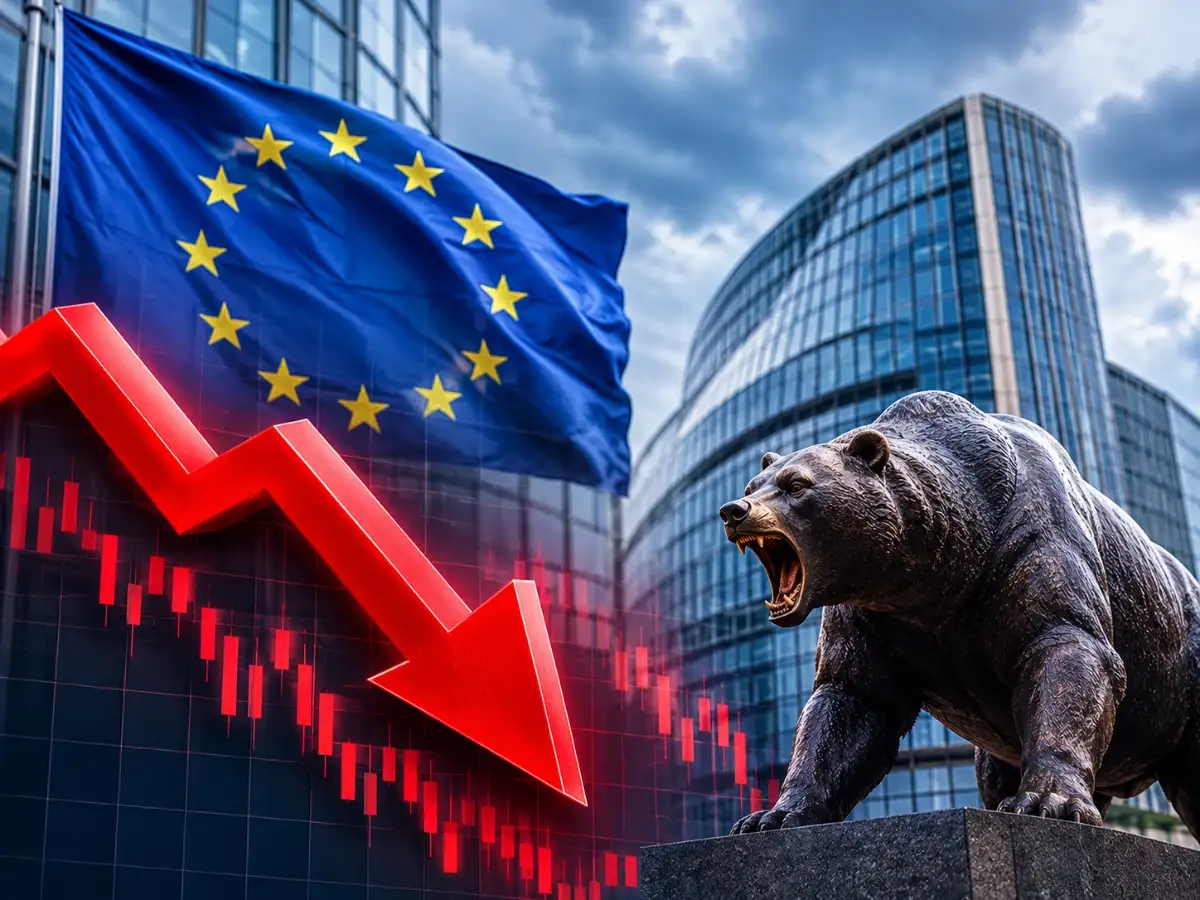
European stocks fell about 1% as insurance shares sold off amid concerns about the stability of AI-related investments. A JPMorgan downgrade of German reinsurers added pressure, while clean-energy stocks rose on renewed support for green initiatives.
11:05 PMEconomic Times73 stories from 10 sources
AI repricing dominates global markets as rates turn higher
Day’s Recap
Supporting Articles
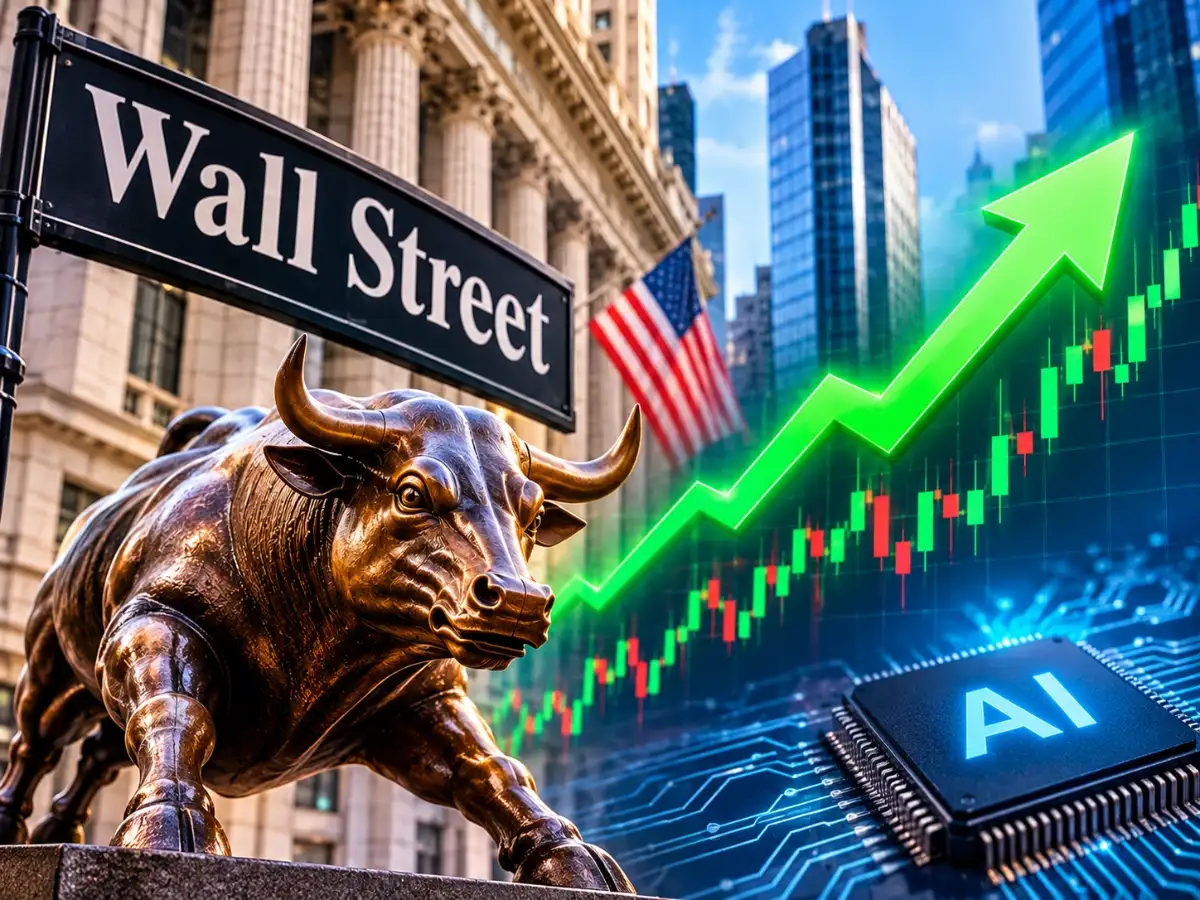
The S&P 500 and Nasdaq recovered after a heavy AI-related selloff, while the Dow edged lower. Investors remained concerned about possible AI regulation after recent Democratic electoral gains, and weakness in European and Asian markets underscored persistent global caution.
11:04 PMEconomic TimesTechnology stocks rebounded on Friday, led by strong gains in Nvidia, AMD and the wider semiconductor sector. The Nasdaq still recorded its fourth consecutive weekly decline as investors weighed AI growth prospects against strong employment data and higher expectations for Federal Reserve rate hikes.
11:02 PMEconomic Times
Longstanding concerns about excessive AI valuations erupted into a global market selloff, wiping out $5.7 trillion in value. The reversal threatens the investment boom that has supported stock prices, corporate spending and broader economic growth.
4:23 PMBloomberg Markets
Technology stocks are ending a highly volatile week, and market turbulence may continue. Investors are preparing for further swings as they reassess the sector's outlook.
4:12 PMCNBC
The Nasdaq has fallen into correction territory, renewing questions about whether the decline will deepen or precede a recovery. Historical market patterns offer context for how the index has behaved after similar selloffs.
3:42 PMCNBC
U.S. stock futures point to a recovery in technology shares after a sharp selloff over the previous 24 hours. The move suggests investors may be reassessing whether the decline properly reflected the underlying risks.
6:46 AMFortune
Asian technology stocks suffered a severe selloff, with Japan’s Nikkei 225 falling below 60,000 for the first time since May and South Korea’s Kospi dropping below 5,000. The declines were described as widespread and exceptionally intense.
12:07 AMFinancial TimesThe dollar rose sharply after the US added 165,000 jobs, well above forecasts. Markets raised the probability of a Federal Reserve rate hike next month to nearly 80%, while the euro and sterling weakened.
11:11 PMEconomic Times
Payrolls increased by 165,000, but construction employment softened slightly. Residential construction employment remains a key indicator of the housing cycle.
5:02 PMHousing Wire
San Francisco Fed President Mary Daly called the latest jobs report good news for workers while warning that high inflation continues to strain household finances. She indicated that further interest-rate increases may be needed to contain price pressures.
2:05 PMCNBC
Employers added 165,000 jobs in October, while revisions lifted payroll gains for August and September. The broader U-6 underemployment rate rose to 7.9%, pointing to continued slack beneath the headline strength.
10:43 AMHousing WireHeavy borrowing to finance data centers overwhelmed bond portfolios this year and produced disappointing returns for investors. The funding burden is expected to grow as AI infrastructure spending accelerates, particularly under a Democratic-controlled Congress.
4:37 PMMarketWatch
A sharp post-election technology selloff has spread concern through the AI industry and raised questions about the commercial properties supporting it. Market participants say it is too early to determine whether data centers and related real estate will face lasting damage.
4:23 PMHousing Wire
The article argues that AI-linked markets show familiar signs of an unsustainable boom. It questions whether investor enthusiasm has outrun the underlying earnings and business performance of companies tied to AI.
11:30 AMFinancial TimesGold prices fell after stronger US payrolls supported the dollar and increased expectations that the Federal Reserve will keep interest rates high. Spot gold declined 0.3% to $4,074.36 an ounce, while futures fell 0.9%, even as Indian retail demand improved ahead of Diwali.
11:10 PMEconomic Times
China’s central bank added to its gold reserves in October, extending its buying streak to two years. The purchases came as gold fell nearly 7% for the month and closed below the $4,000-an-ounce support level.
9:26 PMBloomberg Markets
Hedge funds cut bullish crude positions by the most since June as the US and Iran exchanged unusually conciliatory signals. That positioning left them positioned to benefit when oil prices fell after Democrats won control of Congress.
4:29 PMBloomberg Markets
Revolving credit, including credit cards, accounted for more than half of September's $28 billion increase in US consumer credit. The surge indicates that households are increasingly using credit to fund near-term spending.
6:46 PMPYMNTS
Wall Street strategists expect the Treasury to reach the $41.1 trillion debt ceiling as early as February. The department would then need to use extraordinary measures to keep borrowing, with a potential funding crunch emerging in late 2027.
3:33 PMBloomberg Markets
Nearly two-thirds of the leading altcoins from 2021 have fallen more than 90% from their peaks, according to CoinMarketCap data. The median losing token increased its supply by about 50% while its market value fell 95%.
12:14 PMFortuneRisk-off mood sweeps European stocks as AI concerns deepen
Summary
European stocks fell about 1% as insurance shares sold off amid concerns about the stability of AI-related investments. A JPMorgan downgrade of German reinsurers added pressure, while clean-energy stocks rose on renewed support for green initiatives.
The selloff shows that AI exposure is widening market risk beyond technology stocks, reaching insurers
Unlock the full First Pass Analysis to get a better understanding of why this story mattersWhy it matters
AI-related risk is becoming a broader portfolio problem rather than a technology-sector issue alone.
Wall Street stocks rally after heavy AI-related selloff
Summary
The S&P 500 and Nasdaq recovered after a heavy AI-related selloff, while the Dow edged lower. Investors remained concerned about possible AI regulation after recent Democratic electoral gains, and weakness in European and Asian markets underscored persistent global caution.
The rebound reflects dip buying in major technology stocks, not a clear resolution of the
Unlock the full First Pass Analysis to get a better understanding of why this story mattersWhy it matters
The market is testing whether AI stocks can recover without renewed confidence in their valuations and policy outlook.
6 stories · 4 sources
Nasdaq rebounds but posts fourth straight weekly decline
Summary
Technology stocks rebounded on Friday, led by strong gains in Nvidia, AMD and the wider semiconductor sector. The Nasdaq still recorded its fourth consecutive weekly decline as investors weighed AI growth prospects against strong employment data and higher expectations for Federal Reserve rate hikes.
The daily rally did not reverse the broader trend, which shows that investors remain willing
Unlock the full First Pass Analysis to get a better understanding of why this story mattersWhy it matters
The Nasdaq's rebound masks a deeper repricing of technology stocks around rates, not just company earnings.

Wall Street Grapples With $5.7 Trillion Rout as AI Bets Unwind
Summary
Longstanding concerns about excessive AI valuations erupted into a global market selloff, wiping out $5.7 trillion in value. The reversal threatens the investment boom that has supported stock prices, corporate spending and broader economic growth.
The decisive change is that skepticism about AI moved from isolated valuation concerns to a
Unlock the full First Pass Analysis to get a better understanding of why this story mattersWhy it matters
A sustained AI unwind could hit markets, corporate investment and economic growth at the same time.

Further turmoil could be in store for tech stocks. What to watch in the week ahead
Summary
Technology stocks are ending a highly volatile week, and market turbulence may continue. Investors are preparing for further swings as they reassess the sector's outlook.
Tech stocks remain exposed to rapid shifts in risk appetite, so another round of selling
Unlock the full First Pass Analysis to get a better understanding of why this story mattersWhy it matters
Continued tech volatility could drive broader equity markets because of the sector's large weight in major indexes.

Nasdaq drops into correction territory — here’s what typically happens next
Summary
The Nasdaq has fallen into correction territory, renewing questions about whether the decline will deepen or precede a recovery. Historical market patterns offer context for how the index has behaved after similar selloffs.
The decisive shift is from a routine pullback to a correction, which forces investors to
Unlock the full First Pass Analysis to get a better understanding of why this story mattersWhy it matters
The Nasdaq’s next phase will help determine whether the AI-led equity cycle is resetting or breaking.

U.S. futures signal the carnage in tech stocks over the last 24 hours may be overdone
Summary
U.S. stock futures point to a recovery in technology shares after a sharp selloff over the previous 24 hours. The move suggests investors may be reassessing whether the decline properly reflected the underlying risks.
The immediate shift is from forced selling toward a tentative rebound in tech futures. That
Unlock the full First Pass Analysis to get a better understanding of why this story mattersWhy it matters
A futures rebound could limit the damage, but it is not yet evidence that the tech selloff has run its course.

Asian tech stocks sink
Summary
Asian technology stocks suffered a severe selloff, with Japan’s Nikkei 225 falling below 60,000 for the first time since May and South Korea’s Kospi dropping below 5,000. The declines were described as widespread and exceptionally intense.
The break below key index levels signals that selling has moved beyond individual companies and
Unlock the full First Pass Analysis to get a better understanding of why this story mattersWhy it matters
The scale of the declines suggests a broad unwind of Asia’s technology-led equity rally.
Dollar jumps after strong US payrolls report
Summary
The dollar rose sharply after the US added 165,000 jobs, well above forecasts. Markets raised the probability of a Federal Reserve rate hike next month to nearly 80%, while the euro and sterling weakened.
The payroll surprise shifted rate expectations toward tighter US policy and extended the dollar's advantage
Unlock the full First Pass Analysis to get a better understanding of why this story mattersWhy it matters
A stronger dollar and higher US rate expectations tighten global financial conditions.

Why didn’t the strong jobs report send mortgage rates skyrocketing?
Summary
Payrolls increased by 165,000, but construction employment softened slightly. Residential construction employment remains a key indicator of the housing cycle.
The jobs gain was not strong enough, or broad enough, to force a sharp repricing
Unlock the full First Pass Analysis to get a better understanding of why this story mattersWhy it matters
Mortgage rates respond to the mix of economic data and bond-market expectations, not to the payroll headline alone.

Americans are on a 'treadmill of high inflation' and more rate hikes are likely, Fed's Daly says
Summary
San Francisco Fed President Mary Daly called the latest jobs report good news for workers while warning that high inflation continues to strain household finances. She indicated that further interest-rate increases may be needed to contain price pressures.
The message keeps the Federal Reserve focused on inflation even as employment remains resilient. More
Unlock the full First Pass Analysis to get a better understanding of why this story mattersWhy it matters
The Fed's willingness to tighten despite solid employment keeps pressure on markets and households already facing elevated living costs.

October jobs report strengthens case for December rate hike
Summary
Employers added 165,000 jobs in October, while revisions lifted payroll gains for August and September. The broader U-6 underemployment rate rose to 7.9%, pointing to continued slack beneath the headline strength.
The stronger payroll trend gives policymakers more reason to consider a December rate hike, even
Unlock the full First Pass Analysis to get a better understanding of why this story mattersWhy it matters
The report increases pressure on markets to price a December policy move while keeping labor-market weakness in view.
Data centers run on debt. That was a problem for bonds this year — and it’s only going to get worse.
Summary
Heavy borrowing to finance data centers overwhelmed bond portfolios this year and produced disappointing returns for investors. The funding burden is expected to grow as AI infrastructure spending accelerates, particularly under a Democratic-controlled Congress.
The central problem is that AI expansion increasingly depends on debt rather than operating cash
Unlock the full First Pass Analysis to get a better understanding of why this story mattersWhy it matters
AI's infrastructure boom is becoming a large fixed-income risk as debt-funded construction outpaces investor capacity.

Post-Election Tech Selloff May Hit Properties Linked to AI
Summary
A sharp post-election technology selloff has spread concern through the AI industry and raised questions about the commercial properties supporting it. Market participants say it is too early to determine whether data centers and related real estate will face lasting damage.
The main risk is that falling AI valuations weaken demand for data centers, offices and
Unlock the full First Pass Analysis to get a better understanding of why this story mattersWhy it matters
A technology repricing could migrate into commercial real estate through weaker tenant demand and more expensive financing.

Is the AI stock bubble finally bursting?
Summary
The article argues that AI-linked markets show familiar signs of an unsustainable boom. It questions whether investor enthusiasm has outrun the underlying earnings and business performance of companies tied to AI.
The key risk is a repricing of expectations, not necessarily a collapse in AI demand.
Unlock the full First Pass Analysis to get a better understanding of why this story mattersWhy it matters
A market correction would change who can finance AI growth without proving that the technology itself has stalled.
Gold drops as strong US payrolls boost dollar, yields
Summary
Gold prices fell after stronger US payrolls supported the dollar and increased expectations that the Federal Reserve will keep interest rates high. Spot gold declined 0.3% to $4,074.36 an ounce, while futures fell 0.9%, even as Indian retail demand improved ahead of Diwali.
The employment data raised the opportunity cost of holding a non-yielding asset and put gold
Unlock the full First Pass Analysis to get a better understanding of why this story mattersWhy it matters
Gold's near-term direction now depends more on US rate expectations than on seasonal physical demand.

China Extends Gold-Buying Streak to Two Years as Prices Drop
Summary
China’s central bank added to its gold reserves in October, extending its buying streak to two years. The purchases came as gold fell nearly 7% for the month and closed below the $4,000-an-ounce support level.
China is continuing to build gold reserves even during a sharp price decline, reinforcing its
Unlock the full First Pass Analysis to get a better understanding of why this story mattersWhy it matters
China’s sustained purchases support gold’s strategic role in reserve diversification while prices remain vulnerable to broader market pressure.

Hedge Funds Fled Bullish Oil Bets Ahead of Election Day Drop
Summary
Hedge funds cut bullish crude positions by the most since June as the US and Iran exchanged unusually conciliatory signals. That positioning left them positioned to benefit when oil prices fell after Democrats won control of Congress.
The key shift was a rapid unwind of long oil exposure before a politically driven
Unlock the full First Pass Analysis to get a better understanding of why this story mattersWhy it matters
Oil markets are pricing diplomacy and political risk more aggressively, increasing the chance of sharp moves when either changes direction.

Revolving Debt Jumps as Spending Strains Credit Cards
Summary
Revolving credit, including credit cards, accounted for more than half of September's $28 billion increase in US consumer credit. The surge indicates that households are increasingly using credit to fund near-term spending.
The shift toward revolving debt suggests consumer demand is relying more heavily on borrowed money
Unlock the full First Pass Analysis to get a better understanding of why this story mattersWhy it matters
Credit-card growth can delay a consumer slowdown, but it also makes the eventual pullback more painful.

Wall Street Sees US Hitting $41.1 Trillion Debt Cap in February
Summary
Wall Street strategists expect the Treasury to reach the $41.1 trillion debt ceiling as early as February. The department would then need to use extraordinary measures to keep borrowing, with a potential funding crunch emerging in late 2027.
The immediate shift is from routine borrowing to a new debt ceiling countdown. Extraordinary measures
Unlock the full First Pass Analysis to get a better understanding of why this story mattersWhy it matters
The forecast gives Congress an early 2026 deadline to avoid turning routine debt management into a market and governance crisis.

Nearly two-thirds of 2021’s top 100 altcoins have lost more than 90%, CoinMarketCap data shows
Summary
Nearly two-thirds of the leading altcoins from 2021 have fallen more than 90% from their peaks, according to CoinMarketCap data. The median losing token increased its supply by about 50% while its market value fell 95%.
Token dilution emerged as a major driver of the collapse, worsening losses beyond the broader
Unlock the full First Pass Analysis to get a better understanding of why this story mattersWhy it matters
The data shows that many altcoin losses reflect structural dilution, not just volatile market sentiment.
Other Developments
A curated list of other prominent stories from this day.

Retail investors bought stocks after US equities suffered their worst one-day decline since 2025, but their participation was notably restrained. The muted response contrasts with the aggressive dip buying that characterized the post-pandemic market.
4:05 PMBloomberg MarketsThe S&P 500 is less diversified than its broad-market label suggests, with a small group of large technology companies driving an outsized share of its performance. Investors can consider alternatives that spread exposure more evenly across companies, sectors, or market capitalizations.
10:00 AMMarketWatch
Historical market data suggests that sharp spikes in the VIX have often preceded attractive entry points for stocks.
11:29 AMCNBC
Retail Traders Cautiously Buy Stocks After Worst Rout Since 2025
Summary
Retail investors bought stocks after US equities suffered their worst one-day decline since 2025, but their participation was notably restrained. The muted response contrasts with the aggressive dip buying that characterized the post-pandemic market.
Retail investors still provided some support, but their weaker conviction removes a familiar source of
Unlock the full First Pass Analysis to get a better understanding of why this story mattersWhy it matters
The disappearance of enthusiastic retail dip buyers leaves fewer cushions beneath a falling market.
The S&P 500 could be dangerously exposed to AI. Here are some simple alternatives.
Summary
The S&P 500 is less diversified than its broad-market label suggests, with a small group of large technology companies driving an outsized share of its performance. Investors can consider alternatives that spread exposure more evenly across companies, sectors, or market capitalizations.
The decisive shift is concentration: gains in a handful of AI-linked megacap stocks now shape
Unlock the full First Pass Analysis to get a better understanding of why this story mattersWhy it matters
A passive S&P 500 allocation no longer provides as much diversification as many investors assume.

Wall Street's fear gauge may be flashing a buy sign
Summary
Historical market data suggests that sharp spikes in the VIX have often preceded attractive entry points for stocks.
The signal supports contrarian buying, but it is not a timing tool by itself because
Unlock the full First Pass Analysis to get a better understanding of why this story mattersWhy it matters
A high VIX can identify better long-term risk-reward conditions while still carrying substantial near-term downside risk.
Make it yours
Build Your First Pass.
Pick your topics, set your cadence, and receive your personalized First Pass in your inbox. It’s that simple!