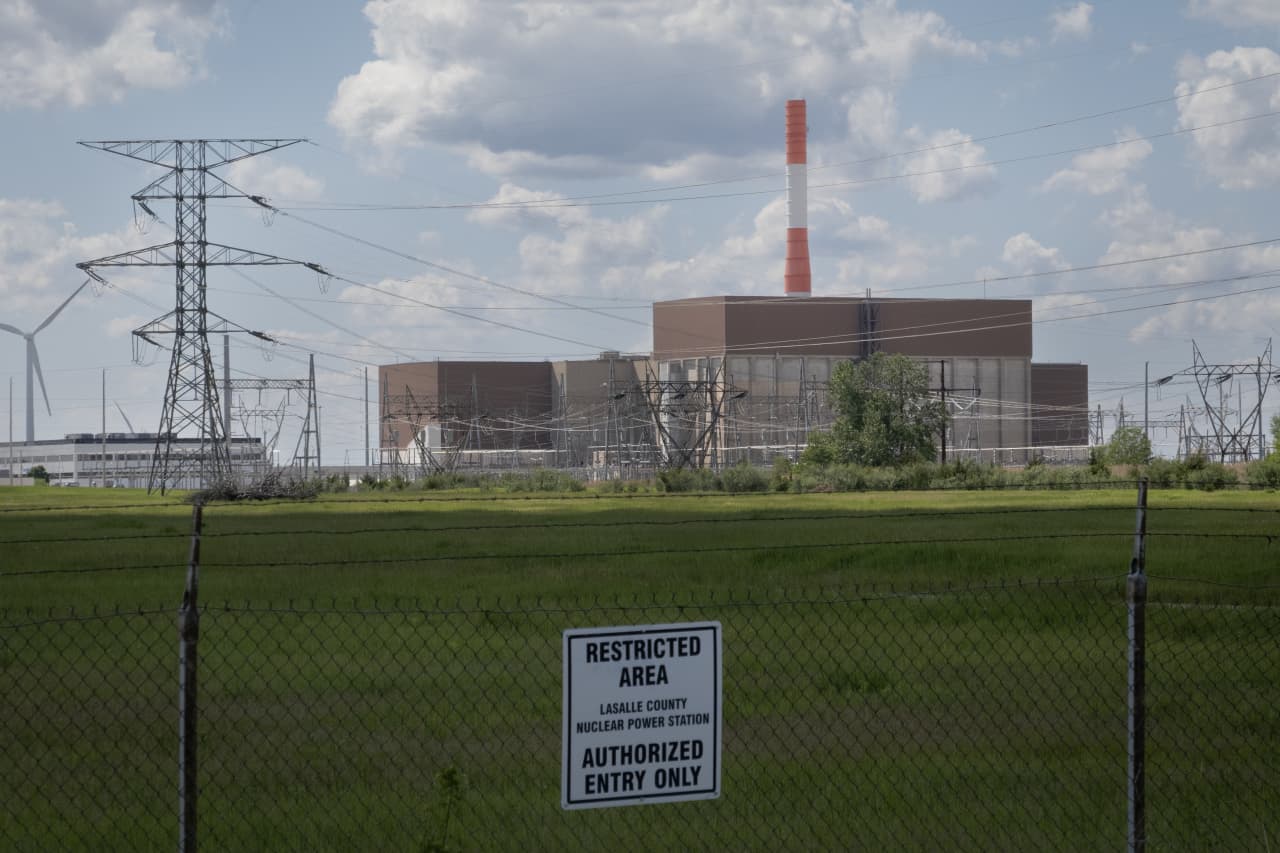
Oil prices and parts of Asia’s equity markets fell after the US midterm election results, with Brent crude dropping below $100 a barrel. Investors also reassessed the outlook for US-Iran tensions, while regulatory concerns weighed on South Korea’s technology-heavy index and data-centre stocks.
9:44 PMEconomic Times21 stories from 9 sources

Election Shock Reprices Oil and Complicates Power Expansion
Day’s Recap
Supporting Articles
Oil prices fell for a fourth consecutive day as analysts saw a reduced risk that the Iran conflict would escalate after the US congressional elections. Regional crude shipments have recovered, adding to a market surplus and reinforcing downward pressure on prices.
9:25 PMEconomic Times
Oil prices stabilized after falling more than 8% in the previous session. Investors were weighing whether a Democratic sweep in the US midterm elections could speed efforts to end the war in the Middle East.
6:08 PMBloomberg Markets
A decisive Democratic election victory is forcing a broad reassessment of energy policy, from Iran strategy to power demand from Texas data centers. Oil prices and energy stocks fell, while prospects for power permitting reform weakened.
4:31 PMFortuneOil prices fell Wednesday and were headed for their steepest weekly decline since 2020. The selloff reflects shifting expectations for U.S. policy toward Iran and the potential return of more Iranian crude to global markets.
3:28 PMMarketWatch
Crude oil prices fell below $90 a barrel after Vice President JD Vance linked the Republican Party's major midterm losses to the war in Iran.
3:14 PMCNBCOil prices have eased but remain vulnerable to renewed disruption from the Iran conflict and uncertainty over President Trump’s weakened political position. Markets are watching whether Washington escalates, seeks a deal with Tehran, or helps restore shipping through the Strait of Hormuz.
2:56 PMEconomic TimesEnergy stocks have come under pressure as investors worry that newly elected officials could restrain the data-center expansion driving expectations for power demand. Some analysts argue the selloff has gone too far because the underlying need for electricity may remain intact.
7:38 PMMarketWatch
The election results are expected to affect US energy policy, with federal permitting reform drawing attention and state-level outcomes producing some of the most consequential changes.
11:16 AMBloomberg Markets
Demand for generator step-up transformers, which connect power plants to the transmission grid, nearly tripled between 2019 and 2025. The equipment depends on specialized steel produced by only one U.S. mill, creating a critical manufacturing bottleneck for grid expansion.
2:39 PMFortune
Arizona Public Service expects peak demand to grow about 3.4% annually over the next 15 years, driven by industrial activity and data centers. Its resource plan extends coal operations through 2038 as the utility prepares for that growth.
12:27 PMUtility Dive
The UAE is considering a third crude oil pipeline that would route exports outside the Strait of Hormuz. The proposal reflects an effort to reduce the country's reliance on the strategic waterway.
9:26 AMBloomberg Markets
Qatar, formerly the world’s top LNG producer, is projected to become the largest buyer of US liquefied natural gas by 2033. It is expected to control the largest share of US LNG output through long-term purchases.
12:00 AMFinancial TimesKOSPI crashes 4% as US midterm shock rattles Asian markets
Summary
Oil prices and parts of Asia’s equity markets fell after the US midterm election results, with Brent crude dropping below $100 a barrel. Investors also reassessed the outlook for US-Iran tensions, while regulatory concerns weighed on South Korea’s technology-heavy index and data-centre stocks.
The market is repricing both geopolitical risk and politically exposed growth sectors after the elections.
Unlock the full First Pass Analysis to get a better understanding of why this story mattersWhy it matters
The election result is influencing markets through two channels: lower potential oil disruption and greater uncertainty for high-growth technology infrastructure.
Oil falls for a fourth day on expectations for lower risk of Iran war escalation
Summary
Oil prices fell for a fourth consecutive day as analysts saw a reduced risk that the Iran conflict would escalate after the US congressional elections. Regional crude shipments have recovered, adding to a market surplus and reinforcing downward pressure on prices.
The immediate shift is from pricing in possible supply disruption to pricing in restored flows
Unlock the full First Pass Analysis to get a better understanding of why this story mattersWhy it matters
Oil markets are now balancing recovering supply against a fragile geopolitical calm rather than an outright shortage.

Latest Oil Market News and Analysis for Nov. 5
Summary
Oil prices stabilized after falling more than 8% in the previous session. Investors were weighing whether a Democratic sweep in the US midterm elections could speed efforts to end the war in the Middle East.
The market is pricing a possible reduction in geopolitical risk before any diplomatic outcome is
Unlock the full First Pass Analysis to get a better understanding of why this story mattersWhy it matters
Oil prices are reacting as much to anticipated foreign-policy change as to current supply and demand.

‘Seismic’ blue wave triggers the sinking of oil prices, energy stocks, and the chances of power permitting reform
Summary
A decisive Democratic election victory is forcing a broad reassessment of energy policy, from Iran strategy to power demand from Texas data centers. Oil prices and energy stocks fell, while prospects for power permitting reform weakened.
The election changed both the outlook for geopolitical risk and the policy path for expanding
Unlock the full First Pass Analysis to get a better understanding of why this story mattersWhy it matters
One election is reshaping the incentives for oil producers, utilities, data centers, and infrastructure developers.
Oil prices are in freefall now that the Democratic sweep is ‘rewriting the Iran playbook’
Summary
Oil prices fell Wednesday and were headed for their steepest weekly decline since 2020. The selloff reflects shifting expectations for U.S. policy toward Iran and the potential return of more Iranian crude to global markets.
The immediate shift is a sharper market bet that political change could ease pressure on
Unlock the full First Pass Analysis to get a better understanding of why this story mattersWhy it matters
A policy-driven increase in Iranian supply could extend the oil selloff and weaken the bargaining power of other producers.

Crude oil prices fall below $90 a barrel as Vance blames GOP election defeat on Iran war
Summary
Crude oil prices fell below $90 a barrel after Vice President JD Vance linked the Republican Party's major midterm losses to the war in Iran.
The administration is now treating the war as a domestic political liability as well as
Unlock the full First Pass Analysis to get a better understanding of why this story mattersWhy it matters
Iran policy is becoming an electoral constraint that could influence both military decisions and energy markets.
2 stories · 2 sources
US midterm elections: Crude cools, but Iran war risks keeps markets guessing
Summary
Oil prices have eased but remain vulnerable to renewed disruption from the Iran conflict and uncertainty over President Trump’s weakened political position. Markets are watching whether Washington escalates, seeks a deal with Tehran, or helps restore shipping through the Strait of Hormuz.
The central market variable is control of the Strait of Hormuz, whose reopening would remove
Unlock the full First Pass Analysis to get a better understanding of why this story mattersWhy it matters
The war’s next military or diplomatic turn could quickly feed into global oil prices, shipping costs, and inflation.
As Vistra and other energy stocks slide, some analysts warn of an ‘excessive knee-jerk’ reaction
Summary
Energy stocks have come under pressure as investors worry that newly elected officials could restrain the data-center expansion driving expectations for power demand. Some analysts argue the selloff has gone too far because the underlying need for electricity may remain intact.
The key shift is from assuming an uninterrupted data-center boom to pricing in political and
Unlock the full First Pass Analysis to get a better understanding of why this story mattersWhy it matters
If data-center demand holds, the selloff may create opportunities; if policy delays projects, power-sector earnings expectations still have room to fall.

Midterms Shocker Will Reverberate Through the Energy Industry
Summary
The election results are expected to affect US energy policy, with federal permitting reform drawing attention and state-level outcomes producing some of the most consequential changes.
The decisive shift may occur in states, where new political control can alter permitting, project
Unlock the full First Pass Analysis to get a better understanding of why this story mattersWhy it matters
State governments may determine the pace of new energy infrastructure even if Washington remains gridlocked.

America’s grid upgrade hinges on a 400-ton machine designed in the 1800s — and just one U.S. mill makes the special steel inside it
Summary
Demand for generator step-up transformers, which connect power plants to the transmission grid, nearly tripled between 2019 and 2025. The equipment depends on specialized steel produced by only one U.S. mill, creating a critical manufacturing bottleneck for grid expansion.
The constraint is no longer only the need for new generation or transmission lines; it
Unlock the full First Pass Analysis to get a better understanding of why this story mattersWhy it matters
Transformer shortages could delay new power connections even when financing, generation projects, and transmission plans are ready.

APS expects sales to double by 2041, plans extending coal use to 2038
Summary
Arizona Public Service expects peak demand to grow about 3.4% annually over the next 15 years, driven by industrial activity and data centers. Its resource plan extends coal operations through 2038 as the utility prepares for that growth.
APS is responding to a large projected load increase by preserving firm generation while expanding
Unlock the full First Pass Analysis to get a better understanding of why this story mattersWhy it matters
Data-center growth is lengthening the life of legacy power assets and complicating utilities' decarbonization plans.

UAE Mulls Third Crude Oil Pipeline to Avoid Strait of Hormuz
Summary
The UAE is considering a third crude oil pipeline that would route exports outside the Strait of Hormuz. The proposal reflects an effort to reduce the country's reliance on the strategic waterway.
The UAE is weighing another export route before any disruption occurs, signaling that it sees
Unlock the full First Pass Analysis to get a better understanding of why this story mattersWhy it matters
The plan could reduce the vulnerability of UAE oil exports to any closure or disruption in the Strait of Hormuz.

Qatar set to become world’s biggest buyer of US LNG
Summary
Qatar, formerly the world’s top LNG producer, is projected to become the largest buyer of US liquefied natural gas by 2033. It is expected to control the largest share of US LNG output through long-term purchases.
The shift turns Qatar from a dominant LNG seller into a major buyer of US
Unlock the full First Pass Analysis to get a better understanding of why this story mattersWhy it matters
Qatar’s growing claim on US LNG will reshape global supply chains and give one of the world’s most influential gas powers more control over competing sources of supply.
Other Developments
A curated list of other prominent stories from this day.

Aliko Dangote has launched a large fuel storage facility in Namibia aimed at strengthening Southern Africa’s supply security. The project is designed to provide greater regional resilience against disruptions in imports and transport.
7:39 PMAl Jazeera
Energy executives see rising demand creating investment opportunities over the coming decade. Geopolitical risk and uncertainty over oil prices remain obstacles to committing capital.
6:23 PMCNBC
GridPoint co-founder Adrian De Luca is returning as CEO to lead the rollout of a new energy-storage battery business. The company plans to deploy on-site batteries across its platform of more than 20,000 commercial properties.
2:13 PMHousing Wire
Industry stakeholders supported the goal of securing the electric grid but questioned a Trump order restricting foreign-made grid components. They argued that geographic restrictions may overlook the actual security risks and raise costs.
11:41 AMUtility Dive
Electric utilities and other industries are urging Congress to renew CISA 2015, which protects companies from liability when they share cyber threat information with one another and federal agencies. The law is due to expire next month.
10:24 AMUtility Dive
ADNOC plans to broaden the use of AI across its operations to improve resilience. The effort applies AI to a major energy company’s industrial and operational systems rather than limiting it to office productivity.
6:00 AMFortune
Bharat Heavy Electricals won contracts worth up to 280 billion rupees to supply equipment to Adani Power. The orders point to rising private-sector investment in power-generation capacity.
2:09 AMBloomberg Markets
Africa’s richest man launches mega oil tank farm in Namibia
Summary
Aliko Dangote has launched a large fuel storage facility in Namibia aimed at strengthening Southern Africa’s supply security. The project is designed to provide greater regional resilience against disruptions in imports and transport.
The new storage capacity shifts part of the region’s energy security strategy from relying on
Unlock the full First Pass Analysis to get a better understanding of why this story mattersWhy it matters
More local storage could reduce Southern Africa’s exposure to shipping disruptions and short-term fuel shortages.

A 'demand decade' ahead for energy? BP, Baker Hughes CEOs weigh the investment outlook
Summary
Energy executives see rising demand creating investment opportunities over the coming decade. Geopolitical risk and uncertainty over oil prices remain obstacles to committing capital.
Demand growth is improving the long-term case for new energy infrastructure, but volatile prices make
Unlock the full First Pass Analysis to get a better understanding of why this story mattersWhy it matters
Energy demand may grow strongly without producing a uniform boom in energy investment.

GridPoint Co-Founder Adrian De Luca Returns as CEO to Power New Battery Product
Summary
GridPoint co-founder Adrian De Luca is returning as CEO to lead the rollout of a new energy-storage battery business. The company plans to deploy on-site batteries across its platform of more than 20,000 commercial properties.
GridPoint is putting its co-founder back in charge as it expands from energy data management
Unlock the full First Pass Analysis to get a better understanding of why this story mattersWhy it matters
The leadership change signals GridPoint's shift from monitoring energy use to owning a larger role in commercial power management.

Trump ban on foreign grid components sparks industry concern over practicality, cost
Summary
Industry stakeholders supported the goal of securing the electric grid but questioned a Trump order restricting foreign-made grid components. They argued that geographic restrictions may overlook the actual security risks and raise costs.
The order shifts procurement toward domestic or trusted suppliers, but its broad geographic test could
Unlock the full First Pass Analysis to get a better understanding of why this story mattersWhy it matters
A policy meant to protect the grid could make new infrastructure slower and more expensive if it limits supply without targeting specific threats.

Electric utilities join industries urging renewal of cybersecurity information-sharing law
Summary
Electric utilities and other industries are urging Congress to renew CISA 2015, which protects companies from liability when they share cyber threat information with one another and federal agencies. The law is due to expire next month.
The approaching expiration creates a near-term risk to a legal framework that supports cross-sector threat
Unlock the full First Pass Analysis to get a better understanding of why this story mattersWhy it matters
Without renewal, a key mechanism for coordinated defense against attacks on critical infrastructure could weaken.

ADNOC to expand AI use across its operations to strengthen resilience
Summary
ADNOC plans to broaden the use of AI across its operations to improve resilience. The effort applies AI to a major energy company’s industrial and operational systems rather than limiting it to office productivity.
The expansion reflects a shift from AI experimentation to operational dependence in energy infrastructure. Wider
Unlock the full First Pass Analysis to get a better understanding of why this story mattersWhy it matters
AI is moving deeper into critical energy operations, where its benefits and failures carry direct economic consequences.

India’s BHEL Wins $3 Billion Adani Power Orders, Shares Jump
Summary
Bharat Heavy Electricals won contracts worth up to 280 billion rupees to supply equipment to Adani Power. The orders point to rising private-sector investment in power-generation capacity.
The contracts materially strengthen BHEL’s order book and link its outlook to Adani Power’s expansion
Unlock the full First Pass Analysis to get a better understanding of why this story mattersWhy it matters
The orders reinforce the investment case for India’s power-equipment cycle and improve visibility for BHEL’s revenue.
Make it yours
Build Your First Pass.
Pick your topics, set your cadence, and receive your personalized First Pass in your inbox. It’s that simple!