
Iran's foreign minister says Tehran and Qatar have reached a plan to reopen the Strait of Hormuz within two days if the United States meets Iran's conditions.
8:00 PMAl Jazeera13 stories from 6 sources
Supporting Articles
Iran's foreign minister says Tehran and Qatar have reached a plan to reopen the Strait of Hormuz within two days if the United States meets Iran's conditions.
8:00 PMAl Jazeera
Brent crude rose 13.6% in October to $117.64 a barrel, its highest level in six months, as markets priced in the risk of new US strikes on Iran and disruption around the Strait of Hormuz. Goldman Sachs warned that prices could reach $120 amid continued volatility.
12:41 AMEconomic Times
Seven core OPEC+ members agreed in principle during an online meeting to keep their December oil output targets unchanged. The meeting came as Gulf producers increased exports after months of disruption linked to the war with Iran.
8:00 PMCNBCRussia has extended its general ban on diesel exports by domestic producers through the end of January, while permitting limited volumes to reach overseas markets.
8:13 AMBloomberg Markets
Indigenous communities in Arunachal Pradesh are protesting a planned mega dam intended to counter China's upstream hydropower project. The project places India's strategic competition with China against local opposition to its social and environmental costs.
11:19 PMAl JazeeraSummary
Iran's foreign minister says Tehran and Qatar have reached a plan to reopen the Strait of Hormuz within two days if the United States meets Iran's conditions.
The proposed reopening makes the waterway's access a direct bargaining tool in negotiations with Washington.
Unlock the full First Pass Analysis to get a better understanding of why this story mattersWhy it matters
A conditional reopening could quickly ease pressure on global energy flows, but it also leaves the supply route exposed to further escalation.
Summary
Brent crude rose 13.6% in October to $117.64 a barrel, its highest level in six months, as markets priced in the risk of new US strikes on Iran and disruption around the Strait of Hormuz. Goldman Sachs warned that prices could reach $120 amid continued volatility.
The market has moved from anticipating tighter supply to pricing in a credible escalation scenario.
Unlock the full First Pass Analysis to get a better understanding of why this story mattersWhy it matters
Oil at or above $120 would transmit geopolitical risk directly into transport costs, inflation, and global growth.
Summary
Seven core OPEC+ members agreed in principle during an online meeting to keep their December oil output targets unchanged. The meeting came as Gulf producers increased exports after months of disruption linked to the war with Iran.
Holding targets steady preserves OPEC+'s formal production framework even as actual Gulf exports rise to
Unlock the full First Pass Analysis to get a better understanding of why this story mattersWhy it matters
OPEC+ is signaling restraint while relying on higher Gulf exports to keep disrupted oil supplies flowing.
Summary
Russia has extended its general ban on diesel exports by domestic producers through the end of January, while permitting limited volumes to reach overseas markets.
The extension keeps a major supplier partly removed from global diesel trade and signals that
Unlock the full First Pass Analysis to get a better understanding of why this story mattersWhy it matters
A prolonged Russian export restriction could sustain volatility in diesel prices and complicate fuel procurement across import-dependent markets.
Summary
Indigenous communities in Arunachal Pradesh are protesting a planned mega dam intended to counter China's upstream hydropower project. The project places India's strategic competition with China against local opposition to its social and environmental costs.
The project cannot be treated as only an energy or security investment. Indigenous resistance could
Unlock the full First Pass Analysis to get a better understanding of why this story mattersWhy it matters
India's attempt to use infrastructure as a counterweight to China could be slowed by the communities and terrain it depends on.
A curated list of other prominent stories from this day.
Donald Trump campaigned on cutting gasoline prices below $2 a gallon during his first year in office to ease inflation. Instead, gasoline, diesel and jet fuel prices have risen, widening the gap between his pledge and energy-market performance.
8:49 AMCNBC
NTPC’s standalone net profit rose 14% year on year to Rs 5,320 crore in the second quarter of FY27, while operating revenue increased 16.8%. The company declared an interim dividend of Rs 3 per share and plans higher capital spending on pumped storage projects.
7:27 AMEconomic TimesAngola plans to reduce fuel-subsidy spending in 2027 while avoiding significant increases in pump prices. The government will rely on other measures to lower subsidy costs.
5:39 AMBloomberg Markets
Europcar Mobility Group UK supports the government’s plan to reduce the cost of charging electric vehicles at lower-powered local charge points. It says the decision not to cut VAT on public charging remains a shortcoming.
5:35 AMBreaking Travel News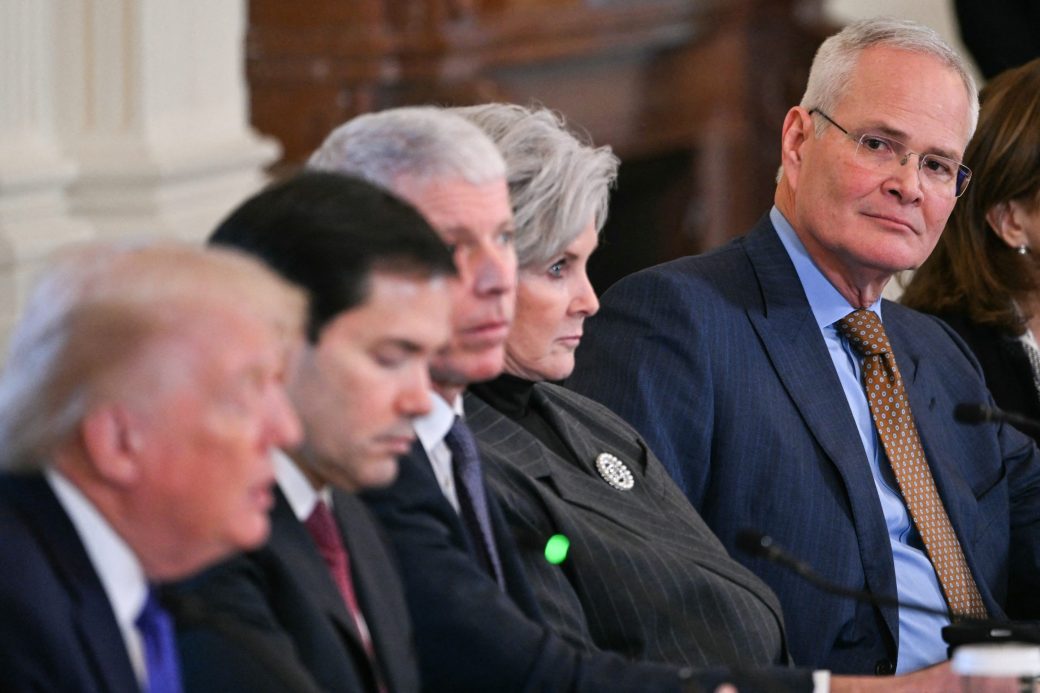
Chevron is moving more quickly in Venezuela, while ExxonMobil says the country needs substantially more changes before it commits significant capital.
3:02 AMFortuneTrump criticized major oil companies for making too much money, while their refining businesses subsequently reported sharply higher earnings as fuel supplies tightened.
2:00 AMCNBC
Indian Oil's second-quarter net profit nearly tripled to ₹21,630 crore from ₹7,610 crore a year earlier. Revenue rose 29% to ₹2,62,935 crore, while higher pump prices, government LPG subsidies and stronger petroleum-product operating profits drove the improvement.
12:11 AMEconomic Times
GAIL's September-quarter net profit more than doubled year on year to ₹4,650 crore, while revenue rose 31% to ₹45,924 crore. Stronger gas marketing margins, supported by global supply disruptions, drove the increase, and the company advanced plans to list GAIL Gas.
12:10 AMEconomic TimesSummary
Donald Trump campaigned on cutting gasoline prices below $2 a gallon during his first year in office to ease inflation. Instead, gasoline, diesel and jet fuel prices have risen, widening the gap between his pledge and energy-market performance.
The key shift is from a political promise of rapid consumer relief to higher costs
Unlock the full First Pass Analysis to get a better understanding of why this story mattersWhy it matters
Higher transportation-fuel costs can keep inflation elevated while weakening confidence in the administration's economic promises.
Summary
NTPC’s standalone net profit rose 14% year on year to Rs 5,320 crore in the second quarter of FY27, while operating revenue increased 16.8%. The company declared an interim dividend of Rs 3 per share and plans higher capital spending on pumped storage projects.
Stronger revenue and profit give NTPC room to return cash to shareholders while increasing investment
Unlock the full First Pass Analysis to get a better understanding of why this story mattersWhy it matters
NTPC is pairing near-term earnings strength with infrastructure spending aimed at solving one of India’s biggest renewable-energy constraints.
Summary
Angola plans to reduce fuel-subsidy spending in 2027 while avoiding significant increases in pump prices. The government will rely on other measures to lower subsidy costs.
The key shift is fiscal: Angola wants to reduce the budget burden of cheap fuel
Unlock the full First Pass Analysis to get a better understanding of why this story mattersWhy it matters
Angola is testing whether it can repair public finances without triggering the social disruption that usually follows fuel-price reform.
Summary
Europcar Mobility Group UK supports the government’s plan to reduce the cost of charging electric vehicles at lower-powered local charge points. It says the decision not to cut VAT on public charging remains a shortcoming.
Lower local charging costs should improve the economics of operating electric rental fleets, especially for
Unlock the full First Pass Analysis to get a better understanding of why this story mattersWhy it matters
Charging costs remain a direct constraint on fleet electrification, even as governments expand charging infrastructure.
Summary
Chevron is moving more quickly in Venezuela, while ExxonMobil says the country needs substantially more changes before it commits significant capital.
The split reflects different risk tolerances toward Venezuela's uncertain operating and political environment. Chevron could
Unlock the full First Pass Analysis to get a better understanding of why this story mattersWhy it matters
Venezuela's ability to attract major energy investment now depends on whether early movers can operate before wider confidence returns.
Summary
Trump criticized major oil companies for making too much money, while their refining businesses subsequently reported sharply higher earnings as fuel supplies tightened.
Refining margins, rather than crude production alone, have driven the earnings surge and exposed the
Unlock the full First Pass Analysis to get a better understanding of why this story mattersWhy it matters
Higher refining profits intensify scrutiny of oil companies while showing how supply constraints can outweigh calls for lower prices.
Summary
Indian Oil's second-quarter net profit nearly tripled to ₹21,630 crore from ₹7,610 crore a year earlier. Revenue rose 29% to ₹2,62,935 crore, while higher pump prices, government LPG subsidies and stronger petroleum-product operating profits drove the improvement.
The earnings surge reflects a favourable combination of pricing and policy support rather than a
Unlock the full First Pass Analysis to get a better understanding of why this story mattersWhy it matters
Indian Oil's result underscores how policy decisions and energy-market conditions can rapidly reshape public-sector refiner earnings.
Summary
GAIL's September-quarter net profit more than doubled year on year to ₹4,650 crore, while revenue rose 31% to ₹45,924 crore. Stronger gas marketing margins, supported by global supply disruptions, drove the increase, and the company advanced plans to list GAIL Gas.
GAIL converted volatile global gas conditions into unusually strong marketing profits. The performance strengthens the
Unlock the full First Pass Analysis to get a better understanding of why this story mattersWhy it matters
The results show how supply-chain volatility can materially boost GAIL's earnings while raising expectations for a subsidiary value unlock.
Make it yours
Pick your topics, set your cadence, and receive your personalized First Pass in your inbox. It’s that simple!