
Saudi Arabia says it intercepted missiles and drones launched by the Iran-backed Houthis. The Houthis claimed attacks on airports and energy infrastructure, raising fresh concerns about regional supply disruptions.
9:41 AMCNBC8 stories from 5 sources
Supporting Articles
Saudi Arabia says it intercepted missiles and drones launched by the Iran-backed Houthis. The Houthis claimed attacks on airports and energy infrastructure, raising fresh concerns about regional supply disruptions.
9:41 AMCNBC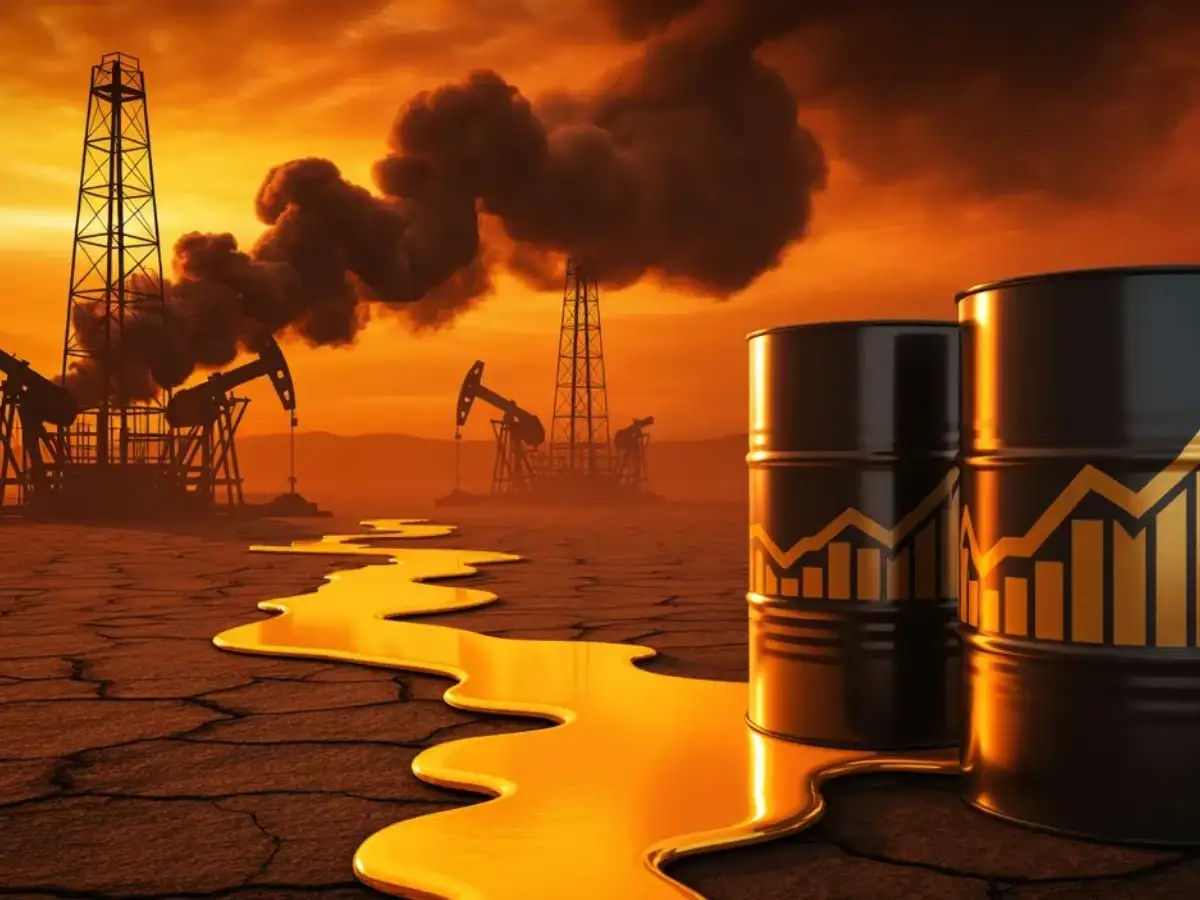
Brent crude fell $1.50, or 1.72%, to $115 a barrel, while US crude dropped $1.82, or 2%, to $101.48. Prices retreated after rallying nearly $3 on Friday following Houthi attacks in Saudi Arabia, though Brent still gained 6% over the week and WTI rose 2.3%.
10:26 PMEconomic Times
Oil prices declined on Monday after reaching six-month highs, with US crude falling sharply and Brent also weakening. The previous rally followed Houthi attacks in Saudi Arabia, which renewed fears that militant activity could disrupt energy supplies.
9:50 PMEconomic TimesOil prices edged lower as the United States and Iran maintained familiar rhetoric around their conflict, while a technical indicator signaled that prices had become overbought.
6:04 PMBloomberg Markets
An oil slick linked to a tanker in the Strait of Hormuz has reached the UAE shoreline. Authorities closed beaches in Umm Al Quwain as crews responded to the pollution.
8:05 AMAl JazeeraSummary
Saudi Arabia says it intercepted missiles and drones launched by the Iran-backed Houthis. The Houthis claimed attacks on airports and energy infrastructure, raising fresh concerns about regional supply disruptions.
The threat is expanding from isolated attacks toward repeated pressure on transport and energy facilities.
Unlock the full First Pass Analysis to get a better understanding of why this story mattersWhy it matters
Repeated attacks on energy infrastructure could turn regional security tensions into higher costs and tighter supply conditions.
Summary
Brent crude fell $1.50, or 1.72%, to $115 a barrel, while US crude dropped $1.82, or 2%, to $101.48. Prices retreated after rallying nearly $3 on Friday following Houthi attacks in Saudi Arabia, though Brent still gained 6% over the week and WTI rose 2.3%.
The immediate shift is a pullback from a supply-risk spike, not a resolution of the
Unlock the full First Pass Analysis to get a better understanding of why this story mattersWhy it matters
Energy buyers face higher price volatility even as crude retreats from its recent peak.
Summary
Oil prices declined on Monday after reaching six-month highs, with US crude falling sharply and Brent also weakening. The previous rally followed Houthi attacks in Saudi Arabia, which renewed fears that militant activity could disrupt energy supplies.
The market is separating immediate price momentum from the longer-term supply risk created by the
Unlock the full First Pass Analysis to get a better understanding of why this story mattersWhy it matters
A fragile supply outlook keeps fuel costs exposed to geopolitical escalation.
Summary
Oil prices edged lower as the United States and Iran maintained familiar rhetoric around their conflict, while a technical indicator signaled that prices had become overbought.
The immediate shift was a pullback driven by a lack of fresh escalation and signs
Unlock the full First Pass Analysis to get a better understanding of why this story mattersWhy it matters
Without a new geopolitical catalyst, technical pressure may limit oil's advance even as US-Iran tensions keep a risk premium in prices.
Summary
An oil slick linked to a tanker in the Strait of Hormuz has reached the UAE shoreline. Authorities closed beaches in Umm Al Quwain as crews responded to the pollution.
The spill has moved from a maritime incident into a coastal and public-health problem. Beach
Unlock the full First Pass Analysis to get a better understanding of why this story mattersWhy it matters
Pollution near the Strait of Hormuz could disrupt coastal communities and increase scrutiny of shipping safety in a critical energy chokepoint.
A curated list of other prominent stories from this day.

Rising energy costs and protests are intensifying European opposition to renewed US-Israeli attacks on Iran.
10:47 AMAl Jazeera
Nuclear microreactors are being considered as compact power sources for U.S. military operations in remote environments, from the Arctic to space missions near the moon. The technology could also support scientific efforts, including the search for extraterrestrial life.
3:06 AMFortunePrime Minister Lawrence Wong pledged additional support for workers and households as Singapore faces rising global uncertainty. He also promised stronger efforts to secure energy supplies and attract investment.
1:40 AMBloomberg MarketsSummary
Rising energy costs and protests are intensifying European opposition to renewed US-Israeli attacks on Iran.
Higher energy prices are turning the conflict into a domestic political liability for European governments.
Unlock the full First Pass Analysis to get a better understanding of why this story mattersWhy it matters
A wider regional conflict could deepen Europe's energy shock while weakening political backing for Washington and Israel.
Summary
Nuclear microreactors are being considered as compact power sources for U.S. military operations in remote environments, from the Arctic to space missions near the moon. The technology could also support scientific efforts, including the search for extraterrestrial life.
The core shift is treating small nuclear reactors as infrastructure for places where fuel deliveries
Unlock the full First Pass Analysis to get a better understanding of why this story mattersWhy it matters
Microreactors could extend U.S. power autonomy into remote military and space settings while creating new safety and security risks.
Summary
Prime Minister Lawrence Wong pledged additional support for workers and households as Singapore faces rising global uncertainty. He also promised stronger efforts to secure energy supplies and attract investment.
Singapore is linking domestic economic support to a more defensive strategy for energy and investment.
Unlock the full First Pass Analysis to get a better understanding of why this story mattersWhy it matters
Singapore is preparing to absorb external shocks by combining stronger social protection with tighter control over its energy and investment vulnerabilities.
Make it yours
Pick your topics, set your cadence, and receive your personalized First Pass in your inbox. It’s that simple!