Fintech enters a more regulated, execution-focused phase
Day’s Recap
“
”
Supporting Articles
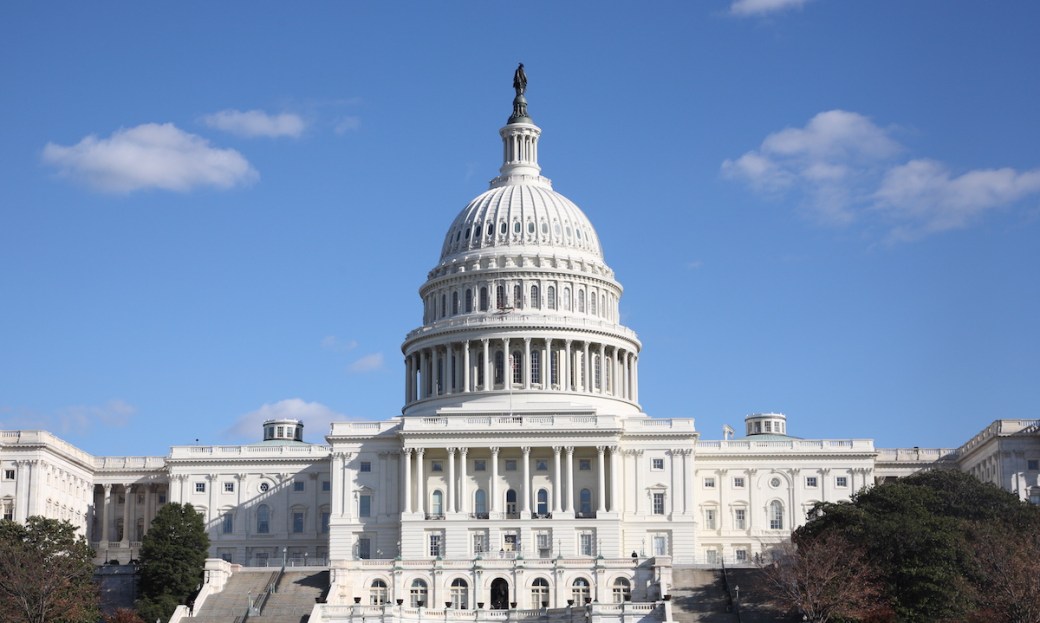
Elizabeth Warren is expected to chair the Senate Banking Committee after Democrats won both chambers in the midterms. She has opposed efforts to loosen bank capital, merger, and supervisory requirements and has challenged the CFPB over dropped enforcement actions.
7:46 PMPYMNTS
Democrats won control of both chambers in the 2026 midterm elections, reversing the Republican majorities that helped pass the GENIUS Act and advance crypto legislation. The shift leaves the industry defending its recent regulatory gains while facing a Congress with a different approach to stablecoins, banks and digital assets.
2:55 PMPYMNTS
Revolut has reached a $115 billion valuation in its latest funding round. The increase follows conditional approval of a US banking charter and the launch of banks in Great Britain, Mexico, Australia, and New Zealand.
12:09 PMPYMNTS
USDC processed $13.9 trillion in on-chain transactions in the third quarter of 2026, up 49% year over year, according to Circle’s results. Transaction growth is outpacing the company’s ability to increase earnings per dollar moved.
11:25 AMPYMNTS
Western Union is pursuing digital services, AI, and stablecoins as it works to offset a 2% year-over-year revenue decline to $1 billion in the third quarter. The company is also cutting costs while developing a stablecoin-linked card.
9:08 PMPYMNTS
Hudson River Trading has begun trading on Kalshi, adding one of Wall Street’s largest market makers to the institutional firms entering prediction markets. Its participation expands the market’s professional liquidity base.
10:36 AMBloomberg Markets
Berlin-based Pliant raised $80 million in a Series C round to expand its B2B payments infrastructure for AI agents and automated workflows. The company plans to use the capital for expansion in the United States and Canada and further product development.
11:57 AMPYMNTS
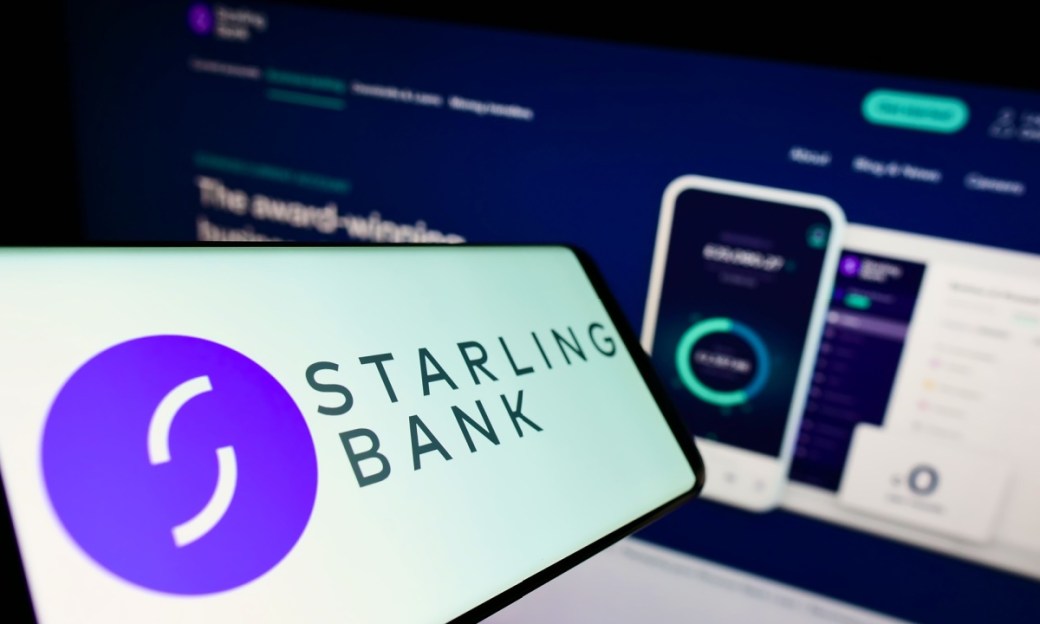
Starling Bank CEO Raman Bhatia is reportedly leaving after two years, as the fintech faces flagging growth. He privately told the board that he no longer wants to run the company.
9:54 AMPYMNTS
Verifone has integrated Visa’s Featurespace fraud-detection platform and adaptive machine-learning models across its payment gateways. The system evaluates transactions in real time to help merchants and payment facilitators reduce fraud, false declines and chargebacks.
2:58 PMPYMNTS
7:46 PMPYMNTS
Warren Poised to Lead Senate Banking as FinTechs Weigh Launch Risks
Summary
Elizabeth Warren is expected to chair the Senate Banking Committee after Democrats won both chambers in the midterms. She has opposed efforts to loosen bank capital, merger, and supervisory requirements and has challenged the CFPB over dropped enforcement actions.
A Warren-led committee would likely bring tighter scrutiny of bank resilience, mergers, consumer protection, and
Unlock the full First Pass Analysis to get a better understanding of why this story matters
Why it matters
Senate Banking's leadership could materially raise the regulatory risk and cost of launching or scaling fintech products.
What the 2026 Midterms Mean for Crypto, Banks and Stablecoin Regulation
Summary
Democrats won control of both chambers in the 2026 midterm elections, reversing the Republican majorities that helped pass the GENIUS Act and advance crypto legislation. The shift leaves the industry defending its recent regulatory gains while facing a Congress with a different approach to stablecoins, banks and digital assets.
The change in congressional control turns crypto’s legislative momentum into a defensive campaign. Democrats can
Unlock the full First Pass Analysis to get a better understanding of why this story matters
Why it matters
Control of Congress now determines whether stablecoin regulation expands, tightens or stalls after the industry’s recent legislative wins.
Revolut’s Valuation Hits $115 Billion With New Funding
Summary
Revolut has reached a $115 billion valuation in its latest funding round. The increase follows conditional approval of a US banking charter and the launch of banks in Great Britain, Mexico, Australia, and New Zealand.
The new valuation reflects investors’ confidence that Revolut can turn a global customer base into
Unlock the full First Pass Analysis to get a better understanding of why this story matters
Why it matters
Revolut’s funding gives the market a high-stakes test of whether a digital-first fintech can build a global bank.
Revolut’s valuation has risen more than 50% in a year to $115 billion through a secondary share sale. The transaction gives existing shareholders liquidity while setting a new private-market benchmark for the fintech.
The valuation jump shows investors are pricing Revolut as a scaled global banking platform rather
Unlock the full First Pass Analysis to get a better understanding of why this story matters
Why it matters
Revolut now commands a valuation that rivals major established financial institutions, raising expectations for bank-like performance.
Circle’s $13.9 Trillion Stablecoin Paradox: More Payments, Less Profit Per Dollar
Summary
USDC processed $13.9 trillion in on-chain transactions in the third quarter of 2026, up 49% year over year, according to Circle’s results. Transaction growth is outpacing the company’s ability to increase earnings per dollar moved.
The decisive issue is declining monetization as stablecoin usage broadens. More volume can strengthen USDC’s
Unlock the full First Pass Analysis to get a better understanding of why this story matters
Why it matters
Stablecoin scale is becoming easier to demonstrate than stablecoin profitability, forcing issuers to find value beyond transaction volume.
Western Union Fights Revenue Slump With Stablecoin Card
Summary
Western Union is pursuing digital services, AI, and stablecoins as it works to offset a 2% year-over-year revenue decline to $1 billion in the third quarter. The company is also cutting costs while developing a stablecoin-linked card.
Falling revenue is pushing Western Union to use stablecoins and digital products as growth bets
Unlock the full First Pass Analysis to get a better understanding of why this story matters
Why it matters
Stablecoin products are becoming a defensive growth strategy for established money-transfer companies facing structural pressure.
Hudson River Trading Joins Wall Street’s Prediction Market Shift
Summary
Hudson River Trading has begun trading on Kalshi, adding one of Wall Street’s largest market makers to the institutional firms entering prediction markets. Its participation expands the market’s professional liquidity base.
The decisive shift is institutional market-making, not just retail interest. HRT can improve pricing and
Unlock the full First Pass Analysis to get a better understanding of why this story matters
Why it matters
Prediction markets are moving closer to mainstream financial infrastructure as major trading firms begin supplying liquidity.
Pliant Raises $80 Million to Open B2B Payments to AI Agents
Summary
Berlin-based Pliant raised $80 million in a Series C round to expand its B2B payments infrastructure for AI agents and automated workflows. The company plans to use the capital for expansion in the United States and Canada and further product development.
The funding shifts Pliant from building payment infrastructure for businesses toward enabling software agents to
Unlock the full First Pass Analysis to get a better understanding of why this story matters
Why it matters
AI agents will need trusted payment rails, and companies that control those rails could become core infrastructure for automated business operations.
Starling CEO Departing After 2 Years With Digital Bank
Summary
Starling Bank CEO Raman Bhatia is reportedly leaving after two years, as the fintech faces flagging growth. He privately told the board that he no longer wants to run the company.
The departure links a leadership change to a broader growth problem, increasing pressure on Starling
Unlock the full First Pass Analysis to get a better understanding of why this story matters
Why it matters
Starling now faces both a CEO search and a strategic test over whether its existing growth model remains viable.
Starling Bank CEO Raman Bhatia has told the company's board that he no longer wants to lead the digital bank and will leave after about two years in the role.
Bhatia's early departure creates a leadership transition at a company that still needs to scale
Unlock the full First Pass Analysis to get a better understanding of why this story matters
Why it matters
An unexpected CEO exit can slow strategic execution and intensify scrutiny of Starling's growth prospects.
Verifone Turns to Visa’s Featurespace to Combat Fraud
Summary
Verifone has integrated Visa’s Featurespace fraud-detection platform and adaptive machine-learning models across its payment gateways. The system evaluates transactions in real time to help merchants and payment facilitators reduce fraud, false declines and chargebacks.
Real-time machine learning is moving deeper into the payment infrastructure that decides whether transactions clear.
Unlock the full First Pass Analysis to get a better understanding of why this story matters
Why it matters
Fraud screening is becoming a core payments capability, not an add-on managed separately by merchants.
A curated list of other prominent stories from this day.
Chime is attracting more customers earning at least $75,000 annually, and these users are increasingly setting up direct deposit. The shift could help Chime become their primary financial account and expand eligibility for its installment loans, which grew 30%.
8:41 PMPYMNTS
Britons are using AI for financial guidance, but most remain unwilling to let an AI assistant control their day-to-day finances, according to a FIS survey.
7:01 PMFinextra
Bred Bank Fiji has migrated its card operations to BPC's SmartVista issuing platform as part of a broader international payments modernization program. The move updates the infrastructure supporting the bank's card issuance and management.
4:12 PMFinextra
The T3 Financial Crime Unit, formed by Tron, Tether and TRM Labs in 2024 and later joined by Binance, was dissolved in August. Its members are now pursuing separate or alternative partnerships to combat illicit activity in crypto markets.
3:23 PMPYMNTS
Travis Credit Union has launched a digital experience from Finalytics.ai that personalizes member interactions around their intended financial task. The platform uses behavioral intelligence to tailor what members see and how they navigate digital services.
2:43 PMFinextra
FIS lowered its 2026 Banking Solutions revenue growth forecast to 3.5% to 4%, from 5% to 5.5%. Large customers delayed conversion dates, while bank consolidation affected the timing of revenue recognition.
11:53 AMPYMNTS
Banks and trade partners completed a digitally executed documentary collection for an export transaction between Bangladesh and the UK. The process shortened the trade cycle by replacing paper-heavy steps with electronic execution.
11:06 AMFinextra
The article argues that fintech made payments easier for consumers by removing much of the friction associated with paying. It contends that the costs and risks of that convenience are now returning to banks.
10:57 AMFinextra
The article examines how decentralized digital identity systems could give individuals greater control over their personal data while still meeting financial institutions' identity verification and compliance requirements. It focuses on the tension between privacy, interoperability and regulatory accountability.
10:29 AMFinextra
Quant and Murex examined the obstacles to institutional digital-asset adoption at Sibos 2026. Their focus was on connecting digital assets with money, liquidity, risk management, and existing financial operating models.
10:00 AMFinextra
Etoro is expanding into Argentina by acquiring LB Finanzas, an all-in-one financial app. The companies did not disclose the deal's terms.
9:34 AMFinextra
Embat has integrated J.P. Morgan Payments' Banking Authorization Service API, allowing joint clients to connect J.P. Morgan accounts directly to Embat's treasury management platform. The integration is designed to simplify access to account data and payment functions for corporate treasury teams.
5:00 AMPYMNTS
The Central Bank of Iceland is preparing infrastructure that would allow banks and payment service providers to offer account-to-account payments for goods and services. The initiative aims to broaden retail payment options and strengthen the country's financial resilience.
4:30 AMFinextra
Banks are shifting payment modernization toward shared processing hubs instead of building separate connections for each payment rail. The approach is intended to shorten long implementation timelines and help banks connect commercial customers to instant payments more efficiently.
4:03 AMPYMNTS
A study of 2,566 U.S. consumers examines how billing and payment problems affect service providers across generations. It finds that younger consumers are particularly likely to penalize providers when paying a bill requires difficult logins, limited payment options or customer support.
4:02 AMPYMNTS
Business email compromise allows fraudsters to study invoices, approval limits and payment schedules before inserting false payment instructions into legitimate conversations. The use of artificial intelligence is making these attacks more convincing and harder to detect through email context alone.
4:01 AMPYMNTS
Domestic account-based wallets may expand beyond peer-to-peer transfers into e-commerce, but their growth depends on merchant acceptance. The argument is that alternative payment methods cannot deliver payment sovereignty unless consumers can use them broadly at the point of sale.
4:00 AMPYMNTS
The European Payments Council has updated its recommendations for matching account-holder names under the Verification of Payee scheme. The guidance covers character handling and how beneficiary names should be assessed before a payment is initiated.
4:00 AMFinextra
SimCorp has appointed Fiona O'Donnell to the newly created role of chief delivery officer. The position is intended to strengthen client experience as demand grows for the SimCorp One platform.
4:00 AMFinextra
8:41 PMPYMNTS
Chime Courts $75K-Plus Earners as Instant Loans Grow 30%
Summary
Chime is attracting more customers earning at least $75,000 annually, and these users are increasingly setting up direct deposit. The shift could help Chime become their primary financial account and expand eligibility for its installment loans, which grew 30%.
Chime is moving beyond its traditional mass-market positioning by targeting customers with higher incomes and
Unlock the full First Pass Analysis to get a better understanding of why this story matters
Why it matters
Chime's growth is increasingly tied to becoming a primary bank account and lender, not just a spending app.
Britons are using AI for financial guidance, but most remain unwilling to let an AI assistant control their day-to-day finances, according to a FIS survey.
The gap between AI-assisted decisions and delegated control remains wide. Financial firms can use AI
Unlock the full First Pass Analysis to get a better understanding of why this story matters
Why it matters
AI can enter personal finance through guidance long before consumers accept autonomous money management.
Bred Ban Fiji migrates cards to BPC SmartVista issuing platform
Summary
Bred Bank Fiji has migrated its card operations to BPC's SmartVista issuing platform as part of a broader international payments modernization program. The move updates the infrastructure supporting the bank's card issuance and management.
The migration gives Bred Bank Fiji a newer foundation for running card products and expanding
Unlock the full First Pass Analysis to get a better understanding of why this story matters
Why it matters
Modern card infrastructure is becoming a competitive requirement for banks seeking faster payments innovation without rebuilding core capabilities themselves.
Tron, Tether and TRM Pivot to New Crypto Crime-Fighting Alliances After T3 Shutdown
Summary
The T3 Financial Crime Unit, formed by Tron, Tether and TRM Labs in 2024 and later joined by Binance, was dissolved in August. Its members are now pursuing separate or alternative partnerships to combat illicit activity in crypto markets.
The shutdown ends a high-profile cross-company enforcement structure before the industry has solved its coordination
Unlock the full First Pass Analysis to get a better understanding of why this story matters
Why it matters
The breakup tests whether crypto firms can coordinate effectively against financial crime without a single industry-wide unit.
Travis Credit Union turns to Finalytics.ai for personalised digital experience
Summary
Travis Credit Union has launched a digital experience from Finalytics.ai that personalizes member interactions around their intended financial task. The platform uses behavioral intelligence to tailor what members see and how they navigate digital services.
The shift is from generic digital banking to intent-based journeys. Travis Credit Union can potentially
Unlock the full First Pass Analysis to get a better understanding of why this story matters
Why it matters
Community financial institutions are adopting personalization tools to compete with the smoother digital experiences offered by larger banks and fintechs.
FIS Cuts Banking Growth Outlook Amid Project Delays
Summary
FIS lowered its 2026 Banking Solutions revenue growth forecast to 3.5% to 4%, from 5% to 5.5%. Large customers delayed conversion dates, while bank consolidation affected the timing of revenue recognition.
The cut reflects delayed implementation, not a collapse in banks’ technology demand. Large core-system conversions
Unlock the full First Pass Analysis to get a better understanding of why this story matters
Why it matters
Bank technology spending remains intact, but delayed deployments are pushing revenue and complicating forecasts across the sector.
Lloyds helps slash UK-Bangladesh trade cycle with digitally-executed documentary collection
Summary
Banks and trade partners completed a digitally executed documentary collection for an export transaction between Bangladesh and the UK. The process shortened the trade cycle by replacing paper-heavy steps with electronic execution.
The change targets a specific friction point in cross-border commerce: the manual exchange and verification
Unlock the full First Pass Analysis to get a better understanding of why this story matters
Why it matters
Digitizing trade documents can deliver faster settlement and lower costs without requiring companies to abandon familiar trade-finance structures.
First They Removed the Pain of Paying. The Bill Is Coming Back to the Banks.
Summary
The article argues that fintech made payments easier for consumers by removing much of the friction associated with paying. It contends that the costs and risks of that convenience are now returning to banks.
The central shift is that payment convenience has redistributed, rather than eliminated, friction. Banks may
Unlock the full First Pass Analysis to get a better understanding of why this story matters
Why it matters
The next phase of fintech competition will depend less on hiding payment friction and more on who can absorb, price, and control its underlying costs.
The Decentralisation of Digital Identity: Balancing Privacy and Compliance in Financial Services
Summary
The article examines how decentralized digital identity systems could give individuals greater control over their personal data while still meeting financial institutions' identity verification and compliance requirements. It focuses on the tension between privacy, interoperability and regulatory accountability.
The core shift is from institutions storing and repeatedly checking identity data toward reusable credentials
Unlock the full First Pass Analysis to get a better understanding of why this story matters
Why it matters
Digital identity could reshape onboarding and fraud controls, but adoption depends on making privacy gains compatible with enforceable financial regulation.
Scaling Digital Assets and Overcoming Market Fragmentation
Summary
Quant and Murex examined the obstacles to institutional digital-asset adoption at Sibos 2026. Their focus was on connecting digital assets with money, liquidity, risk management, and existing financial operating models.
The core barrier is integration, not simply demand for new asset types. Institutions need digital
Unlock the full First Pass Analysis to get a better understanding of why this story matters
Why it matters
Institutional digital assets will scale only when they fit existing financial workflows as reliably as they fit new blockchain networks.
Embat Turns to J.P. Morgan for Better Bank-Treasury Connectivity
Summary
Embat has integrated J.P. Morgan Payments' Banking Authorization Service API, allowing joint clients to connect J.P. Morgan accounts directly to Embat's treasury management platform. The integration is designed to simplify access to account data and payment functions for corporate treasury teams.
The partnership replaces slower, fragmented bank connectivity with an authorization-based API link. That gives treasury
Unlock the full First Pass Analysis to get a better understanding of why this story matters
Why it matters
Standardized bank APIs can make treasury platforms more useful and raise corporate expectations for real-time, low-friction bank integration.
Iceland prepares for domestic account-to-account payments infrastructure
Summary
The Central Bank of Iceland is preparing infrastructure that would allow banks and payment service providers to offer account-to-account payments for goods and services. The initiative aims to broaden retail payment options and strengthen the country's financial resilience.
Iceland is moving account-to-account payments from a niche capability toward shared domestic infrastructure. That could
Unlock the full First Pass Analysis to get a better understanding of why this story matters
Why it matters
Domestic A2A infrastructure could give Iceland more control over retail payments and increase competitive pressure on card-based systems.
Banks Move Payment Modernization From Separate Rails to Shared Hubs
Summary
Banks are shifting payment modernization toward shared processing hubs instead of building separate connections for each payment rail. The approach is intended to shorten long implementation timelines and help banks connect commercial customers to instant payments more efficiently.
The bottleneck is no longer demand for instant payments but the architecture needed to support
Unlock the full First Pass Analysis to get a better understanding of why this story matters
Why it matters
Common payment hubs could turn instant payments from a costly custom project into a standard banking capability.
Younger Consumers Make Providers Pay for Bad Billing
Summary
A study of 2,566 U.S. consumers examines how billing and payment problems affect service providers across generations. It finds that younger consumers are particularly likely to penalize providers when paying a bill requires difficult logins, limited payment options or customer support.
Younger customers are treating billing friction as part of the service, not as a separate
Unlock the full First Pass Analysis to get a better understanding of why this story matters
Why it matters
Poor payment experiences can now directly affect retention and revenue, forcing providers to redesign billing around customer convenience.
Business email compromise allows fraudsters to study invoices, approval limits and payment schedules before inserting false payment instructions into legitimate conversations. The use of artificial intelligence is making these attacks more convincing and harder to detect through email context alone.
An invoice is evidence that money is owed, not proof that payment instructions are authentic.
Unlock the full First Pass Analysis to get a better understanding of why this story matters
Why it matters
Companies that trust email continuity as proof of legitimacy leave high-value payments exposed to increasingly tailored fraud.
The Future of Payment Sovereignty Is Merchant Acceptance
Summary
Domestic account-based wallets may expand beyond peer-to-peer transfers into e-commerce, but their growth depends on merchant acceptance. The argument is that alternative payment methods cannot deliver payment sovereignty unless consumers can use them broadly at the point of sale.
Merchant acceptance is the decisive constraint on domestic wallets, not the ability to move money
Unlock the full First Pass Analysis to get a better understanding of why this story matters
Why it matters
Payment sovereignty becomes real only when merchants can accept domestic alternatives at scale.
EPC publishes new Verification of Payee matching recommendations
Summary
The European Payments Council has updated its recommendations for matching account-holder names under the Verification of Payee scheme. The guidance covers character handling and how beneficiary names should be assessed before a payment is initiated.
The update addresses a core weakness in payee verification: legitimate names often differ because of
Unlock the full First Pass Analysis to get a better understanding of why this story matters
Why it matters
Better matching can make payee verification usable enough to prevent fraud without pushing customers to ignore warnings.
SimCorp appoints Fiona O'Donnell as chief delivery officer
Summary
SimCorp has appointed Fiona O'Donnell to the newly created role of chief delivery officer. The position is intended to strengthen client experience as demand grows for the SimCorp One platform.
SimCorp is adding senior oversight of delivery, signaling that execution and customer experience have become
Unlock the full First Pass Analysis to get a better understanding of why this story matters
Why it matters
The appointment suggests SimCorp sees delivery capacity and client retention as central to converting demand for SimCorp One into sustained growth.