Binance breach and connected infrastructure attacks define a volatile day
Day’s Recap
“
”
Supporting Articles
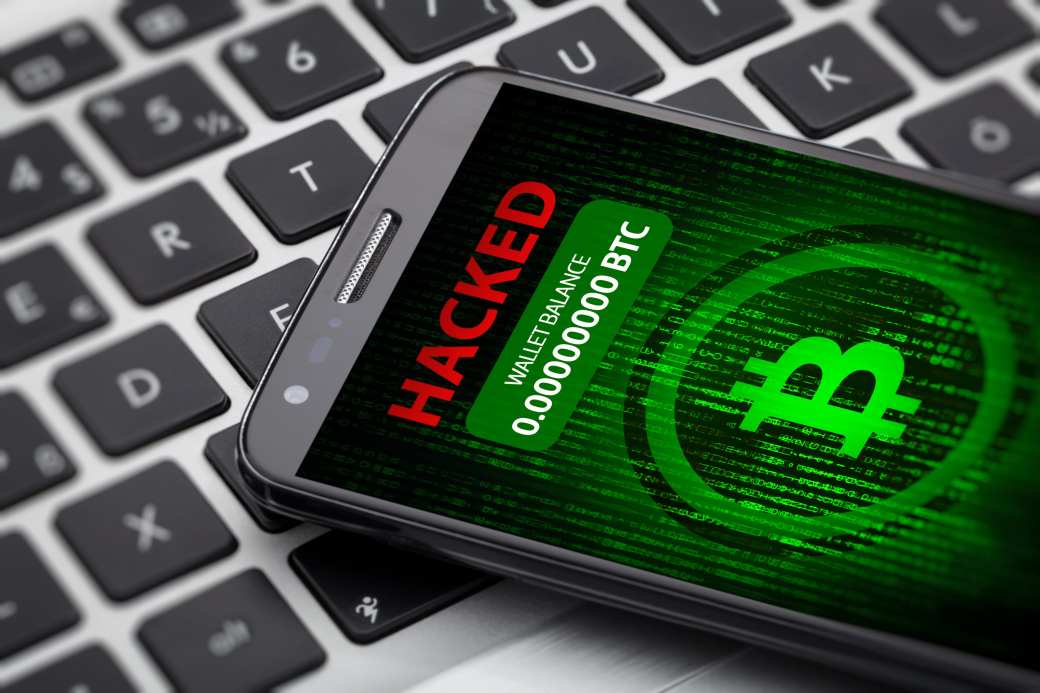
Approximately $6.3 billion in digital assets was stolen from Binance in what is described as the largest cryptocurrency hack on record. The incident is framed as a test of whether blockchain infrastructure can meet institutional expectations for security and resilience.
4:50 PMPYMNTS
Binance users have withdrawn nearly $5 billion since the exchange reopened after a hack attributed to North Korea-linked criminals. The theft reportedly involved $6.3 billion in cryptocurrency.
9:24 AMFinextra
Bitcoin traded near $78,000 as investors assessed a reported $6.3 billion security breach at Binance. Crypto markets recovered modestly, but ETF outflows, liquidations, macroeconomic uncertainty and upcoming US events kept sentiment cautious.
6:26 AMEconomic Times
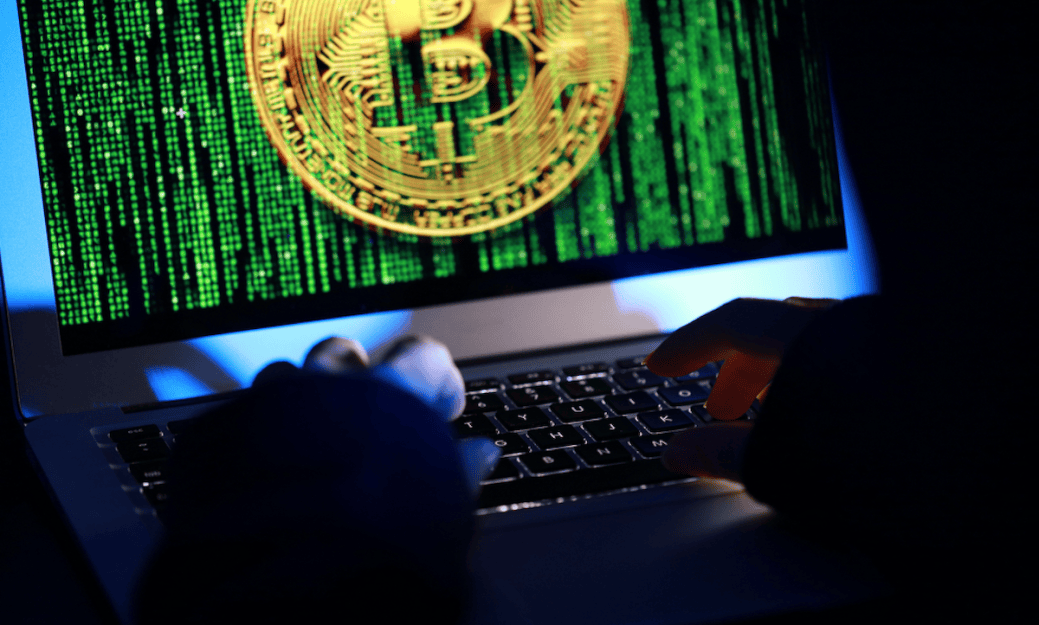
A reported $6 billion Binance heist has unsettled crypto investors and renewed concerns about the sector's security. Binance said a compromised DevOps engineer's laptop may have enabled unauthorised withdrawals, while the FBI attributed the attack to North Korea and Binance said it would cover the losses.
2:56 AMEconomic Times
CFTC Chairman Michael Selig is citing the theft of more than $6.3 billion from Binance as evidence that offshore crypto exchanges need federal supervision. He argues that the incident exposed weak exchange safeguards rather than a failure of cryptocurrency itself.
1:00 PMPYMNTS
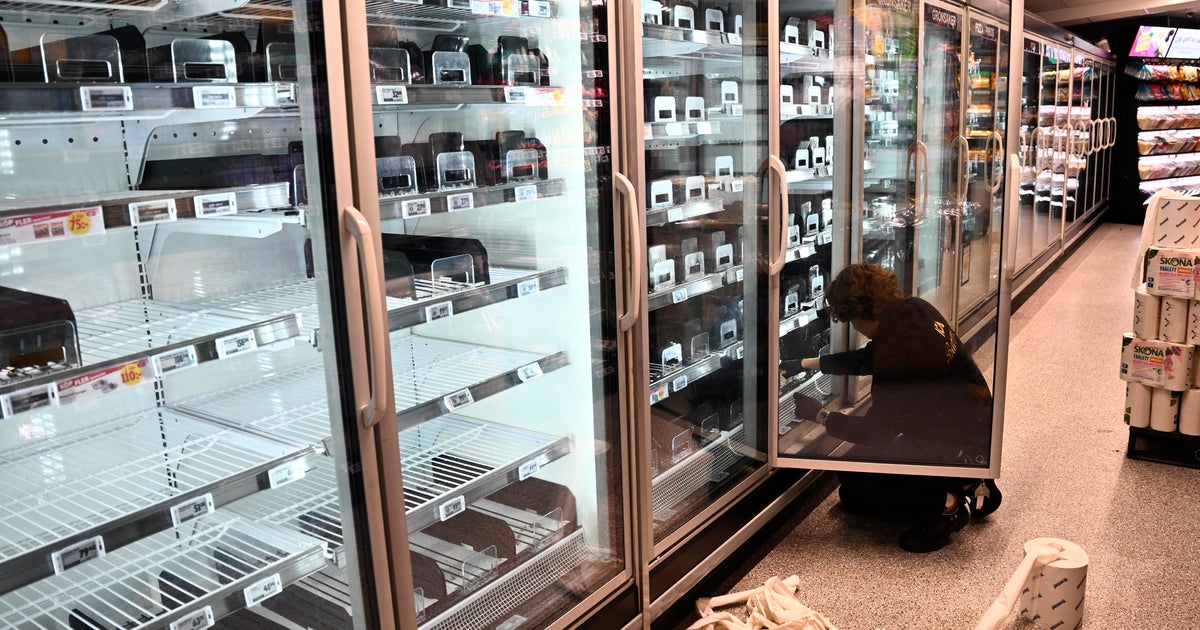
Grocery chains in several European countries reported that temperatures in some store refrigerators and freezers rose above 100 degrees, weeks after a similar incident in France. The disruptions appear to involve unauthorized manipulation of cooling systems.
8:51 PMCBS News | Crime
Google and industry partners dismantled a botnet that infected more than 1.3 million Android TV set-top boxes, secretly selling users’ internet connections for proxy traffic and advertising fraud. The operation may also disrupt access to more than 10 million other compromised devices, including healthcare equipment and karaoke machines.
9:24 PMKrebs on Security
A hacked app circulated a false nuclear warning in Ukraine, creating unease but little widespread panic. Many recipients distrusted the messages, shaped by years of Russian attacks and repeated exposure to disinformation.
1:34 PMBBC
Russia and Ukraine reported separate cyberattacks affecting emergency alert systems while strikes continued across both countries. In Ukraine, false nuclear warnings triggered public alarm.
10:28 AMCNBC
A hack targeting Mercado Bitcoin's hot wallets is expected to cost the Brazilian cryptocurrency broker $40 million. The company says customer funds should not be affected and that it contained the attack quickly.
3:36 PMPYMNTS
BTCPay Server reportedly urged users to shut down their servers after attackers began draining hot wallets on some installations. The open-source payment software allows users to operate the system on their own infrastructure.
10:24 AMPYMNTS
A commentator claims that 3% of all historically recorded critical software vulnerabilities were found in a single recent month. The estimate implies that AI-assisted discovery could add roughly 100,000 vulnerabilities this year.
7:02 AMSchneier on Security
4:50 PMPYMNTS
Crypto’s Biggest Theft Meets Blockchain’s Next Institutional Test With Binance Hack
Summary
Approximately $6.3 billion in digital assets was stolen from Binance in what is described as the largest cryptocurrency hack on record. The incident is framed as a test of whether blockchain infrastructure can meet institutional expectations for security and resilience.
The decisive shift is that crypto’s security problem now threatens institutional adoption, not just individual
Unlock the full First Pass Analysis to get a better understanding of why this story matters
Why it matters
A record-setting breach could raise the security premium for institutional crypto investment and slow adoption across the market.
Binance users have withdrawn nearly $5 billion since the exchange reopened after a hack attributed to North Korea-linked criminals. The theft reportedly involved $6.3 billion in cryptocurrency.
The immediate damage is now a confidence shock, not just a balance-sheet loss. Withdrawals approaching
Unlock the full First Pass Analysis to get a better understanding of why this story matters
Why it matters
A major exchange can survive a hack yet still face a destabilizing run if users stop trusting its controls.
Binance users withdraw $3.6bn after largest-ever crypto hack
Summary
Binance users withdrew $3.6 billion after the exchange suffered what was described as the largest crypto hack on record. The exchange froze transactions, and investigators linked the incident to a North Korean group.
The withdrawals turn a security breach into a test of Binance's liquidity and customer confidence.
Unlock the full First Pass Analysis to get a better understanding of why this story matters
Why it matters
A major exchange run could spread losses across crypto markets and intensify scrutiny of platform security and compliance.
Binance sees $3.64 billion in net outflows as withdrawals resume after massive hack
Summary
Binance recorded $3.64 billion in net outflows after reopening withdrawals following a $6.3 billion hack. The outflows represented 2.1% of the exchange's total assets.
The immediate shift is from frozen access to customer withdrawals, but the outflow signals that
Unlock the full First Pass Analysis to get a better understanding of why this story matters
Why it matters
Large withdrawals after a security incident can turn a breach into a broader liquidity and confidence crisis.
Bitcoin holds steady near $78,000 as investors assess Binance security breach. Here is what experts say
Summary
Bitcoin traded near $78,000 as investors assessed a reported $6.3 billion security breach at Binance. Crypto markets recovered modestly, but ETF outflows, liquidations, macroeconomic uncertainty and upcoming US events kept sentiment cautious.
Bitcoin's relative stability suggests investors have not yet treated the reported breach as a systemic
Unlock the full First Pass Analysis to get a better understanding of why this story matters
Why it matters
The market response will test whether crypto investors now price exchange security failures as isolated incidents or sector-wide threats.
Bitcoin rattled by biggest crypto heist in history! Why Warren Buffett and Charlie Munger hated cryptocurrency
Summary
A reported $6 billion Binance heist has unsettled crypto investors and renewed concerns about the sector's security. Binance said a compromised DevOps engineer's laptop may have enabled unauthorised withdrawals, while the FBI attributed the attack to North Korea and Binance said it would cover the losses.
The reported attack shifts the debate from market volatility to the security of the infrastructure
Unlock the full First Pass Analysis to get a better understanding of why this story matters
Why it matters
The episode tests whether major exchanges can protect users from technical failures and state-linked attacks without undermining trust in crypto markets.
CFTC’s Selig Uses Binance Theft to Press for Federal Crypto Exchange Oversight
Summary
CFTC Chairman Michael Selig is citing the theft of more than $6.3 billion from Binance as evidence that offshore crypto exchanges need federal supervision. He argues that the incident exposed weak exchange safeguards rather than a failure of cryptocurrency itself.
The theft has become a regulatory argument for extending federal oversight to offshore platforms that
Unlock the full First Pass Analysis to get a better understanding of why this story matters
Why it matters
A major crypto loss could accelerate the shift from voluntary safeguards toward mandatory federal standards for exchange security and market conduct.
More European grocery stores hit by apparent fridge-freezer hacks
Summary
Grocery chains in several European countries reported that temperatures in some store refrigerators and freezers rose above 100 degrees, weeks after a similar incident in France. The disruptions appear to involve unauthorized manipulation of cooling systems.
The incidents are spreading beyond a single French chain, raising the possibility of a repeatable
Unlock the full First Pass Analysis to get a better understanding of why this story matters
Why it matters
Cyberattacks on refrigeration systems can quickly become food-safety and supply-chain incidents, not just IT problems.
The Pentagon is investigating if rogue freezers are tied to cyberattacks in France. Another wave of hacks is hitting supermarkets across Europe
Summary
Hundreds of French grocery-store freezers were reportedly hacked last month, while similar outages affected several U.S. military commissaries in August. The Pentagon is investigating whether the incidents are connected to cyberattacks as another wave of disruptions hits European supermarkets.
The repeated freezer failures across retail and military facilities point to a potentially broader attack
Unlock the full First Pass Analysis to get a better understanding of why this story matters
Why it matters
Cyberattacks on basic infrastructure can disrupt food access and expose weaknesses far beyond conventional corporate networks.
If hackers can take control of a supermarket freezer, how vulnerable is other tech?
Summary
A cyberattack disrupted refrigerators and freezers at dozens of shops across several European countries. The incident raises broader concerns about the security of connected equipment embedded in everyday commercial operations.
The attack moves cybersecurity risk from computers and payment systems into physical store operations. If
Unlock the full First Pass Analysis to get a better understanding of why this story matters
Why it matters
Connected devices can turn a routine software weakness into spoiled inventory, disrupted business, and wider supply-chain pressure.
Shop freezers in seven European countries hit by cyber-attack
Summary
Supermarkets in Belgium, Sweden and Luxembourg reported freezer disruptions in a suspected cyberattack. Stores in Sweden said freezer temperatures rose to 50C, threatening stock and normal operations.
The geographic spread points to a possible common technology provider, control system or attack method
Unlock the full First Pass Analysis to get a better understanding of why this story matters
Why it matters
A cross-border attack on refrigeration shows how digital dependencies can turn ordinary store equipment into regional disruption points.
'All this food is now useless': Piles of rubbish after shop freezers hit by cyber-attack
Summary
Supermarkets in seven European countries discarded large quantities of food after a cyberattack targeted refrigerators and freezers. The incident left stores with spoiled stock and substantial waste.
The attack created a physical supply-chain failure, not merely a temporary technology outage. Retailers and
Unlock the full First Pass Analysis to get a better understanding of why this story matters
Why it matters
Compromising supermarket freezers can waste food at scale and expose how cyber risk reaches consumers through basic physical systems.
European supermarket freezers overheat in fresh cyber attack
Summary
Supermarket operators in Sweden and Belgium reported freezer units overheating, with temperatures reaching as high as 55C in dozens of stores. The incidents came weeks after a cyberattack in France, raising concerns about a wider threat to retail systems.
The incidents extend cyber risk from payment and customer data systems into physical store infrastructure.
Unlock the full First Pass Analysis to get a better understanding of why this story matters
Why it matters
Cyberattacks on operational technology can damage inventory and disrupt daily commerce without breaching checkout systems.
Tech Firms Dismantle Botnet That Turned 1.3M TV Boxes Into Proxies
Summary
Google and industry partners dismantled a botnet that infected more than 1.3 million Android TV set-top boxes, secretly selling users’ internet connections for proxy traffic and advertising fraud. The operation may also disrupt access to more than 10 million other compromised devices, including healthcare equipment and karaoke machines.
The takedown cuts off a large residential proxy network and may reach far beyond the
Unlock the full First Pass Analysis to get a better understanding of why this story matters
Why it matters
The operation demonstrates both the reach of IoT botnets and the potential impact of coordinated industry disruption.
One of Google’s Android partners turned 1.3 million set-top boxes into a botnet
Summary
Google says Shenzhen-based Videostrong Technology secretly installed a backdoor in 1.3 million Android set-top boxes, turning them into a botnet. Google says it dismantled the backdoor, cut ties with the manufacturer, and barred the company from producing or selling certified Android devices.
The decisive failure occurred inside the supply chain, before the devices reached users, giving the
Unlock the full First Pass Analysis to get a better understanding of why this story matters
Why it matters
A compromised manufacturer can create a botnet at mass scale while bypassing the defenses available to ordinary users.
Fake nuclear warning from hacked app sparks unease but not panic in Ukraine
Summary
A hacked app circulated a false nuclear warning in Ukraine, creating unease but little widespread panic. Many recipients distrusted the messages, shaped by years of Russian attacks and repeated exposure to disinformation.
The incident shows that a compromised communications channel can inject alarming falsehoods even when the
Unlock the full First Pass Analysis to get a better understanding of why this story matters
Why it matters
Cyberattacks on public-facing apps can target confidence and decision-making, not just data or infrastructure.
Fake nuclear warnings in Ukraine as Moscow, Kyiv report separate cyberattacks on emergency apps
Summary
Russia and Ukraine reported separate cyberattacks affecting emergency alert systems while strikes continued across both countries. In Ukraine, false nuclear warnings triggered public alarm.
The attacks turned emergency communications into a tool of wartime disruption, with public trust as
Unlock the full First Pass Analysis to get a better understanding of why this story matters
Why it matters
Compromised alerts can create panic and delay responses even without causing physical damage.
What we know about the alert app hack in Ukraine and Russia
Summary
Ukraine and Russia both say their air raid alert applications were targeted in cyberattacks. The available reporting examines what is known about the incidents and their effects.
The attacks target civilian warning infrastructure at a moment when reliability can directly affect survival.
Unlock the full First Pass Analysis to get a better understanding of why this story matters
Why it matters
Cyberattacks on emergency alerts can cause harm by undermining confidence and timing, even without lasting system damage.
Nuclear radiation in Russia, Ukraine? No, just hacked warning alerts
Summary
Hacked warning systems sent false nuclear radiation alerts that alarmed people in Ukraine. Authorities said they resolved the confusion in less than an hour.
The incident shows how quickly attackers can exploit emergency channels to manufacture public fear during
Unlock the full First Pass Analysis to get a better understanding of why this story matters
Why it matters
Trust in emergency alerts is a strategic asset, and cyberattacks can erode it without detonating a weapon.
Mercado Bitcoin Takes $40 Million Loss in Latest Crypto Hack
Summary
A hack targeting Mercado Bitcoin's hot wallets is expected to cost the Brazilian cryptocurrency broker $40 million. The company says customer funds should not be affected and that it contained the attack quickly.
The loss falls on the exchange rather than its customers, but the breach shows that
Unlock the full First Pass Analysis to get a better understanding of why this story matters
Why it matters
Crypto platforms can protect customers while still absorbing major losses that test their reserves, controls, and credibility.
BTCPay Server reportedly urged users to shut down their servers after attackers began draining hot wallets on some installations. The open-source payment software allows users to operate the system on their own infrastructure.
The immediate risk falls on self-hosted operators whose online wallets remain exposed while servers are
Unlock the full First Pass Analysis to get a better understanding of why this story matters
Why it matters
Crypto payment infrastructure can turn a software compromise into rapid, irreversible losses from connected hot wallets.
A commentator claims that 3% of all historically recorded critical software vulnerabilities were found in a single recent month. The estimate implies that AI-assisted discovery could add roughly 100,000 vulnerabilities this year.
If the estimate is directionally correct, vulnerability discovery is accelerating far faster than most organizations
Unlock the full First Pass Analysis to get a better understanding of why this story matters
Why it matters
The bottleneck may soon be fixing vulnerabilities, not finding them.
A curated list of other prominent stories from this day.
Mastercard's Kiersten Todt argues that cybersecurity depends on people and organizational behavior as much as on technical defenses. The discussion focuses on building resilience into workplace culture.
10:00 AMFinextra
The group accused of carrying out the largest cryptocurrency theft on record may have used artificial intelligence to identify and pursue valuable crypto targets. The group is described as a North Korean state-sponsored operation trained to target high-value companies.
9:14 AMPYMNTS
Recorded Future's Levi Gundert argues that financial institutions need contextual, real-time threat intelligence to prevent financial crime. He also links that intelligence to agentic workflows designed to counter increasingly autonomous attacks.
9:00 AMFinextra
The Binance hack is presented as an unusually large and sophisticated cryptocurrency breach. The central warning is that AI could make similar attacks faster, more scalable, and harder to detect.
7:39 AMFortune
RSA is warning banks about the security risks created by a rapid expansion of shadow agents, likely referring to unauthorized or poorly governed AI agents operating inside organizations. The concern builds on RSA's longstanding focus on identity and access controls.
4:03 AMPYMNTS
10:00 AMFinextra
Cybersecurity: Why Building Resilience Into An Organisation's Culture is Crucial
Summary
Mastercard's Kiersten Todt argues that cybersecurity depends on people and organizational behavior as much as on technical defenses. The discussion focuses on building resilience into workplace culture.
The core shift is from treating security as an IT function to treating it as
Unlock the full First Pass Analysis to get a better understanding of why this story matters
Why it matters
Technical controls cannot compensate for a culture that discourages reporting, tolerates weak practices, or treats resilience as someone else's job.
Binance Hackers Employ AI to Hunt High-Value Crypto Targets
Summary
The group accused of carrying out the largest cryptocurrency theft on record may have used artificial intelligence to identify and pursue valuable crypto targets. The group is described as a North Korean state-sponsored operation trained to target high-value companies.
AI could lower the cost of reconnaissance and help attackers prioritize the most profitable targets
Unlock the full First Pass Analysis to get a better understanding of why this story matters
Why it matters
AI-assisted targeting could turn elite, bespoke crypto attacks into a repeatable campaign model.
How to Contextualise Threat Data for Improved Cyber Defences
Summary
Recorded Future's Levi Gundert argues that financial institutions need contextual, real-time threat intelligence to prevent financial crime. He also links that intelligence to agentic workflows designed to counter increasingly autonomous attacks.
The shift is from collecting threat indicators to turning them into decisions quickly enough for
Unlock the full First Pass Analysis to get a better understanding of why this story matters
Why it matters
Threat data has defensive value only when institutions can translate it into timely, automated action.
Binance will survive the $6.3 billion hack—but this is the start of a terrifying new era
Summary
The Binance hack is presented as an unusually large and sophisticated cryptocurrency breach. The central warning is that AI could make similar attacks faster, more scalable, and harder to detect.
The key change is the combination of large crypto balances with tools that can automate
Unlock the full First Pass Analysis to get a better understanding of why this story matters
Why it matters
AI could widen the gap between attackers' ability to exploit crypto infrastructure and defenders' ability to contain losses.
RSA Warns Banks of the Risk of the Shadow Agent Explosion
Summary
RSA is warning banks about the security risks created by a rapid expansion of shadow agents, likely referring to unauthorized or poorly governed AI agents operating inside organizations. The concern builds on RSA's longstanding focus on identity and access controls.
The core shift is from managing human credentials to controlling software agents that can act
Unlock the full First Pass Analysis to get a better understanding of why this story matters
Why it matters
Unmanaged AI agents could turn small governance gaps into automated financial or data breaches.