AI expansion meets political resistance and spending discipline
Day’s Recap
“
”
Supporting Articles
The midterm results are expected to reshape political power in Washington and in states that host major data centers, including Texas. That shift could intensify scrutiny of Big Tech’s growing demands for electricity, land, water, and public support.
4:18 PMFortune
Three newly elected Democratic governors have promised to reexamine data center expansion, including in Texas, where the political shift could disrupt projects in a major technology market.
3:07 PMFortune
Midterm results rejected or constrained data-center projects in several important US markets, potentially affecting about 45% of planned expansion. The setback may also create a healthier investment environment by reducing the risk of unchecked overbuilding.
1:33 PMFinancial Times
US technology giants led markets higher as investors bet that a Democratic-controlled Congress will slow the heavy AI spending that is reducing companies' free cash flow.
12:07 PMBloomberg Markets
Political groups backed by the AI industry spent millions trying to influence the 2026 midterms, producing mixed results. The groups are already preparing for the next election cycle.
5:45 PMTechCrunch
A roughly $600 million midterm campaign backed by Big Tech interests failed to produce the expected political impact. Anger over AI and Silicon Valley helped fuel support for Democrats, while Elon Musk faced renewed criticism.
5:38 PMFinancial Times
Qualcomm faces two pressures on sales: Apple is reducing its reliance on Qualcomm's business, while high memory costs are weighing on overall smartphone demand.
8:06 PMMarketWatch
Qualcomm is turning to data centers and AI infrastructure as smartphone sales fall roughly 20 percent from 2025 levels. The company pointed to partnerships with Amazon and Meta as part of its effort to establish a larger presence in the market.
5:42 PMThe Verge
Travelers are increasingly using AI assistants to discover and plan trips, but Expedia says those tools have not yet translated into comparable booking volume. The company sees AI as strongest in trip discovery while customers still prefer to complete purchases with trusted travel brands.
8:15 PMPYMNTS
Expedia expects Meta’s Muse and Google’s AI Overviews to create new advertising opportunities as consumers increasingly search and plan trips through AI interfaces. CEO Ariane Gorin is optimistic, despite Expedia’s past complaints about the cost of Google marketing.
6:20 PMSkift
Travel companies are finding that deploying AI agents at scale requires more than capable models, including reliable systems, specialized talent, and supporting infrastructure. They must also decide which agent capabilities create a competitive advantage and which should come from outside specialists.
9:00 AMSkift
More than half of Gen Z travelers say they trust artificial intelligence to complete bookings on their behalf, according to the 2026 WTM Global Travel Report. The report combines Tourism Economics data with research, case studies and examples from travel organizations.
3:12 AMBreaking Travel News
The Office of the Comptroller of the Currency issued a framework to guide examiners reviewing banks' use of advanced AI, including so-called super intelligence.
9:44 AMFinextra
AI music company Suno asked a court to dismiss Jason Isbell and other musicians’ class-action lawsuit. The company argues that allowing users to invoke artists’ names to describe musical genres or styles is not unlawful.
12:44 PMVariety
The semiconductor talent race is intensifying as companies compete for engineers and proprietary know-how. Chinese chipmakers are advancing, increasing pressure on rivals to protect trade secrets while recruiting scarce expertise.
10:53 PMCNBC
4:18 PMFortune
After the midterms, Big Tech’s AI data center problem is only getting bigger
Summary
The midterm results are expected to reshape political power in Washington and in states that host major data centers, including Texas. That shift could intensify scrutiny of Big Tech’s growing demands for electricity, land, water, and public support.
Political control is changing just as AI infrastructure projects are expanding, giving policymakers more leverage
Unlock the full First Pass Analysis to get a better understanding of why this story matters
Why it matters
AI’s expansion now depends as much on local politics and physical infrastructure as on advances in models and chips.
Democrat wins will slow data center construction and force tech to the negotiating table after even Republican stronghold of Texas flips
Summary
Three newly elected Democratic governors have promised to reexamine data center expansion, including in Texas, where the political shift could disrupt projects in a major technology market.
The political risk for data centers is spreading beyond traditionally skeptical states and into Republican
Unlock the full First Pass Analysis to get a better understanding of why this story matters
Why it matters
A more contested approval process could raise the cost and extend the timeline for the power-intensive infrastructure behind AI growth.
Voters have put a helpful chill on the US data centre boom
Summary
Midterm results rejected or constrained data-center projects in several important US markets, potentially affecting about 45% of planned expansion. The setback may also create a healthier investment environment by reducing the risk of unchecked overbuilding.
The election results make demand forecasts less reliable and force developers to reassess where and
Unlock the full First Pass Analysis to get a better understanding of why this story matters
Why it matters
A political slowdown could improve industry discipline while making scarce power and approved capacity more valuable.
Big Tech Soars on Bet Dems Will Save AI Spenders From Themselves
Summary
US technology giants led markets higher as investors bet that a Democratic-controlled Congress will slow the heavy AI spending that is reducing companies' free cash flow.
The market is treating political resistance to data-center expansion as a discipline mechanism for Big
Unlock the full First Pass Analysis to get a better understanding of why this story matters
Why it matters
Investors are beginning to reward a slower, more financially disciplined AI buildout.
AI PACs spent millions trying to shape Congress — here’s how they fared
Summary
Political groups backed by the AI industry spent millions trying to influence the 2026 midterms, producing mixed results. The groups are already preparing for the next election cycle.
The spending did not translate into uniform political gains, showing that AI money cannot reliably
Unlock the full First Pass Analysis to get a better understanding of why this story matters
Why it matters
AI companies are becoming a durable political constituency even when their election spending produces uneven returns.
A roughly $600 million midterm campaign backed by Big Tech interests failed to produce the expected political impact. Anger over AI and Silicon Valley helped fuel support for Democrats, while Elon Musk faced renewed criticism.
Financial influence did not overcome voter frustration with the technology sector. The result signals that
Unlock the full First Pass Analysis to get a better understanding of why this story matters
Why it matters
Tech companies face a political liability that money alone may not offset.
Qualcomm’s stock falls as twin forces pressure sales
Summary
Qualcomm faces two pressures on sales: Apple is reducing its reliance on Qualcomm's business, while high memory costs are weighing on overall smartphone demand.
The combination attacks Qualcomm from both sides. Apple threatens a major customer relationship, while weaker
Unlock the full First Pass Analysis to get a better understanding of why this story matters
Why it matters
Qualcomm's smartphone exposure is facing both a customer-specific loss and a broader demand shock.
Qualcomm is betting big on data centers as smartphone sales sink
Summary
Qualcomm is turning to data centers and AI infrastructure as smartphone sales fall roughly 20 percent from 2025 levels. The company pointed to partnerships with Amazon and Meta as part of its effort to establish a larger presence in the market.
Qualcomm is shifting capital and strategy away from its weakening smartphone base and toward AI
Unlock the full First Pass Analysis to get a better understanding of why this story matters
Why it matters
Qualcomm's data-center push shows how the smartphone slowdown is forcing major chip companies to compete for AI infrastructure growth.
Expedia Says Travelers Plan With AI Agents but Book Direct
Summary
Travelers are increasingly using AI assistants to discover and plan trips, but Expedia says those tools have not yet translated into comparable booking volume. The company sees AI as strongest in trip discovery while customers still prefer to complete purchases with trusted travel brands.
AI is moving earlier in the travel funnel than into the transaction itself. Expedia can
Unlock the full First Pass Analysis to get a better understanding of why this story matters
Why it matters
AI may reshape how travelers find trips before it reshapes who captures the booking.
Expedia Expects Attractive Deals From Meta’s Muse and Google’s AI Overviews
Summary
Expedia expects Meta’s Muse and Google’s AI Overviews to create new advertising opportunities as consumers increasingly search and plan trips through AI interfaces. CEO Ariane Gorin is optimistic, despite Expedia’s past complaints about the cost of Google marketing.
The shift moves travel advertising from conventional search results into AI-generated recommendations, where Expedia will
Unlock the full First Pass Analysis to get a better understanding of why this story matters
Why it matters
AI search could reshape how travel companies buy demand, but Expedia’s economics will depend on the price and conversion quality of access.
Why Scaling AI Agents Is Harder Than Building Them
Summary
Travel companies are finding that deploying AI agents at scale requires more than capable models, including reliable systems, specialized talent, and supporting infrastructure. They must also decide which agent capabilities create a competitive advantage and which should come from outside specialists.
The bottleneck is shifting from demonstration to dependable operation. Companies that deploy agents without redesigning
Unlock the full First Pass Analysis to get a better understanding of why this story matters
Why it matters
The next AI advantage will come from execution systems, not simply access to better models.
Gen Z adoption paves the way for the agentic AI tipping point
Summary
More than half of Gen Z travelers say they trust artificial intelligence to complete bookings on their behalf, according to the 2026 WTM Global Travel Report. The report combines Tourism Economics data with research, case studies and examples from travel organizations.
Gen Z's willingness to delegate bookings moves agentic AI from an experimental feature toward a
Unlock the full First Pass Analysis to get a better understanding of why this story matters
Why it matters
The first generation of travelers comfortable with autonomous booking could force travel businesses to redesign both customer interfaces and distribution strategies.
OCC issues supervisory framework on bank use of AI
Summary
The Office of the Comptroller of the Currency issued a framework to guide examiners reviewing banks' use of advanced AI, including so-called super intelligence.
The OCC is formalizing how its examiners will assess AI-related risks, even as banks continue
Unlock the full First Pass Analysis to get a better understanding of why this story matters
Why it matters
Banks now face more structured scrutiny over how they deploy increasingly autonomous AI systems.
Suno Seeks to Dismiss Jason Isbell Lawsuit, Argues There’s ‘Nothing Unlawful’ About Invoking Artist Names to Describe Genres
Summary
AI music company Suno asked a court to dismiss Jason Isbell and other musicians’ class-action lawsuit. The company argues that allowing users to invoke artists’ names to describe musical genres or styles is not unlawful.
Suno is framing the dispute as a question of protected expression rather than unauthorized use
Unlock the full First Pass Analysis to get a better understanding of why this story matters
Why it matters
The case could establish an early legal boundary between describing a musical style and exploiting an artist’s identity.
Inside the chip talent war: Trade secrets and rising Chinese rivals
Summary
The semiconductor talent race is intensifying as companies compete for engineers and proprietary know-how. Chinese chipmakers are advancing, increasing pressure on rivals to protect trade secrets while recruiting scarce expertise.
The contest is shifting from hiring alone to control of intellectual property and technical teams.
Unlock the full First Pass Analysis to get a better understanding of why this story matters
Why it matters
Control of semiconductor expertise is becoming as important as access to equipment and capital.
A curated list of other prominent stories from this day.
MercadoLibre increased its artificial intelligence investment by $30 million from the previous quarter as it expands AI initiatives across its e-commerce and financial technology businesses. The company disclosed the increase in its third-quarter shareholder letter.
10:03 PMPYMNTS
Apple is reportedly reducing the amount it spends on AI tools used by its engineering teams, signaling tighter controls on internal model consumption.
8:26 PMTechCrunch
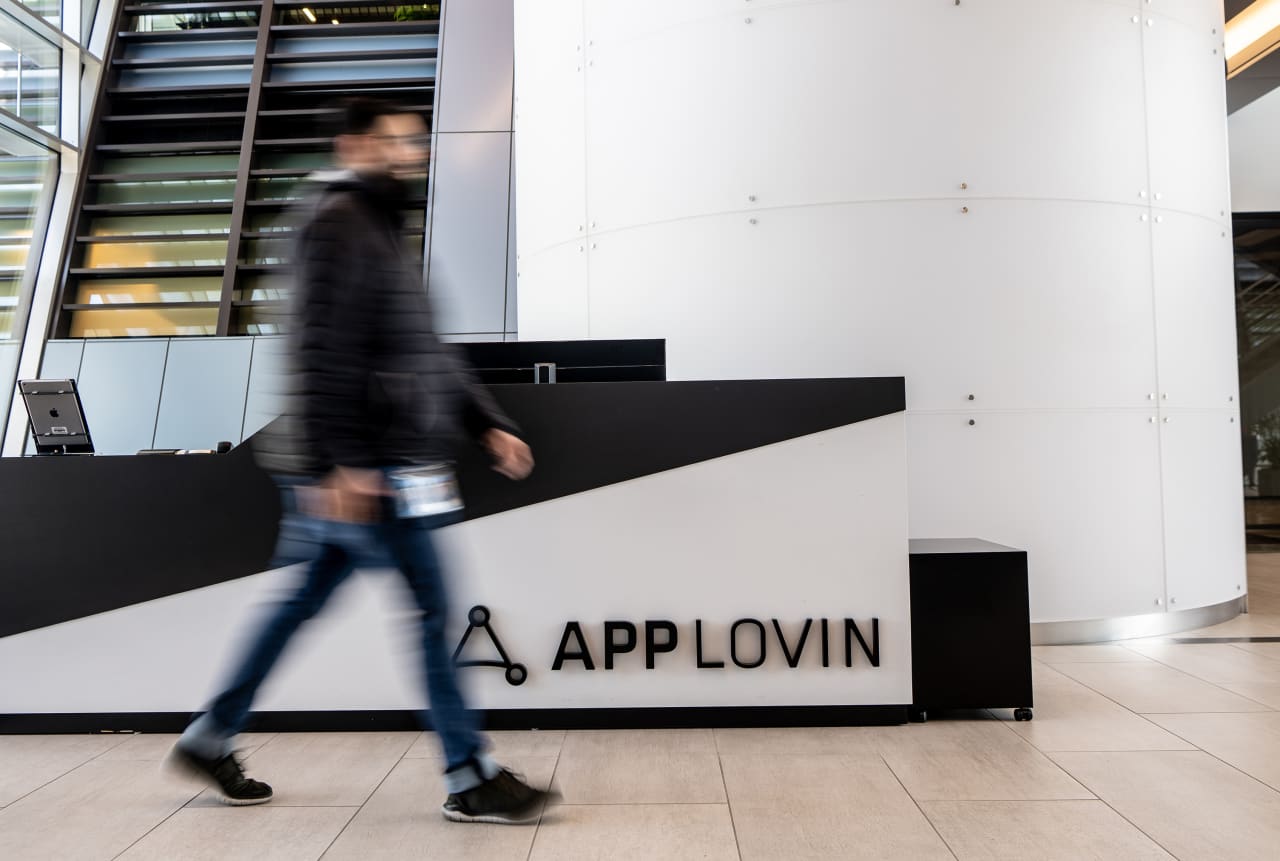
AppLovin shares rallied after the company delivered results described as clearly positive. The gain offered relief after the stock's severe decline earlier in the year.
8:05 PMMarketWatch
X is rolling out a redesigned web app that it says delivers substantially faster performance, beginning with signed-in users in one country at a time. The company says the changes are intended to improve the experience on slower connections.
7:25 PMThe Verge
Snap missed third-quarter revenue expectations and reported fewer daily active users than anticipated. Its shares fell more than 10% after the results.
7:14 PMCNBC
Britons are using AI for financial guidance, but most remain unwilling to let an AI assistant control their day-to-day finances, according to a FIS survey.
7:01 PMFinextra
VMware released vSphere Express, a lower-end virtualization offering that supports systems with up to 128 cores. The product reflects the company’s effort to respond to smaller customers’ needs.
4:38 PMArs Technica
Bright has enabled an Ocusell integration that lets agents enter listing information once and distribute it across participating MLS systems. Ocusell's OneList validates the data against MLS rules before pushing updates into Bright and other networks.
4:16 PMHousing Wire
Riskified's latest report finds that consumers are becoming more receptive to AI agents participating in the shopping journey. The report argues that merchants need clearly defined terms governing how those agents act and transact.
3:25 PMWWD
A new museum survey finds widespread concern about how artificial intelligence is being used in exhibitions. It also looks at attendance through a broader lens, suggesting museums should measure more than simple visitor totals.
1:15 PMARTnews
Nvidia has shown DLSS 5 running in Hogwarts Legacy, with AI-enhanced lighting and materials visible in a new trailer. The effect looks more restrained in motion than the dramatic examples that followed an early leaked mod.
10:43 AMIGN
Some biotech startups are choosing not to make AI-driven drug discovery their central strategy because they see greater potential for AI in other parts of biotechnology.
8:01 AMStat News
Aswath Damodaran argues that an AI investment bubble is inevitable and that investors cannot fully avoid its effects. He links the current enthusiasm to ChatGPT’s launch, advances in computing power and the growing availability of data.
5:33 AMEconomic Times
The University of Kentucky granted a religious accommodation to a humanist administrator who objected to using AI. The university said he could still perform the essential functions of his job without using the technology.
5:00 AMHigher Ed Dive
Australian government lawyers defended the country’s ban on social media access for children under 16, arguing that the platforms pose significant risks and require government intervention. The policy is being challenged in court.
3:26 AMAl Jazeera
10:03 PMPYMNTS
MercadoLibre Expands AI War Chest by $30 Million in Q3
Summary
MercadoLibre increased its artificial intelligence investment by $30 million from the previous quarter as it expands AI initiatives across its e-commerce and financial technology businesses. The company disclosed the increase in its third-quarter shareholder letter.
The spending signals that MercadoLibre sees AI as a core investment across commerce, payments and
Unlock the full First Pass Analysis to get a better understanding of why this story matters
Why it matters
Regional platforms are committing meaningful capital to AI, widening the technology race beyond US and Chinese giants.
This year’s worst-performing S&P 500 stock is finally seeing some major relief
Summary
AppLovin shares rallied after the company delivered results described as clearly positive. The gain offered relief after the stock's severe decline earlier in the year.
The earnings report gave investors evidence that AppLovin's operating performance remains stronger than its stock-price
Unlock the full First Pass Analysis to get a better understanding of why this story matters
Why it matters
AppLovin now has a chance to turn a sharp sentiment reversal into a durable recovery.
X is rolling out a redesigned web app that it says delivers substantially faster performance, beginning with signed-in users in one country at a time. The company says the changes are intended to improve the experience on slower connections.
X is treating web performance as a product and retention issue, not just an engineering
Unlock the full First Pass Analysis to get a better understanding of why this story matters
Why it matters
Performance improvements can strengthen engagement without requiring users to install a new app or change their habits.
Snap shares fall over 10% on third-quarter revenue miss
Summary
Snap missed third-quarter revenue expectations and reported fewer daily active users than anticipated. Its shares fell more than 10% after the results.
The miss points to weakness in both Snap's advertising business and user growth. That combination
Unlock the full First Pass Analysis to get a better understanding of why this story matters
Why it matters
Snap needs to fix both audience growth and ad demand rather than rely on better monetization alone.
Britons are using AI for financial guidance, but most remain unwilling to let an AI assistant control their day-to-day finances, according to a FIS survey.
The gap between AI-assisted decisions and delegated control remains wide. Financial firms can use AI
Unlock the full First Pass Analysis to get a better understanding of why this story matters
Why it matters
AI can enter personal finance through guidance long before consumers accept autonomous money management.
VMware releases vSphere Express for virtualization on up to 128 cores
Summary
VMware released vSphere Express, a lower-end virtualization offering that supports systems with up to 128 cores. The product reflects the company’s effort to respond to smaller customers’ needs.
VMware is expanding its product range downward after years of emphasizing larger enterprise deployments. A
Unlock the full First Pass Analysis to get a better understanding of why this story matters
Why it matters
The release signals a competitive push for smaller workloads as virtualization customers seek lower costs and simpler licensing.
Bright turns on Ocusell integration so agents enter listings once
Summary
Bright has enabled an Ocusell integration that lets agents enter listing information once and distribute it across participating MLS systems. Ocusell's OneList validates the data against MLS rules before pushing updates into Bright and other networks.
The integration reduces duplicate data entry and shifts listing distribution toward a shared validation layer.
Unlock the full First Pass Analysis to get a better understanding of why this story matters
Why it matters
A single-entry listing workflow could lower administrative costs and make fragmented MLS data more interoperable.
As Shoppers Warm to Agentic Commerce, Terms of Use Have to be Clearly Defined
Summary
Riskified's latest report finds that consumers are becoming more receptive to AI agents participating in the shopping journey. The report argues that merchants need clearly defined terms governing how those agents act and transact.
Growing acceptance makes agent authority a commercial issue, not just a product-design question. Merchants must
Unlock the full First Pass Analysis to get a better understanding of why this story matters
Why it matters
Agentic commerce will depend on enforceable rules that define consent, accountability and liability before autonomous purchases become routine.
Nearly Everyone Is Concerned About How Museums Use AI in Exhibitions, Survey Says
Summary
A new museum survey finds widespread concern about how artificial intelligence is being used in exhibitions. It also looks at attendance through a broader lens, suggesting museums should measure more than simple visitor totals.
The message is less that museums should avoid AI than that they need to be
Unlock the full First Pass Analysis to get a better understanding of why this story matters
Why it matters
Museums are being pushed to rethink both their technology choices and how they define success.
New Hogwarts Legacy Trailer Shows Off Nvidia's DLSS 5 Enhanced Lighting and Materials
Summary
Nvidia has shown DLSS 5 running in Hogwarts Legacy, with AI-enhanced lighting and materials visible in a new trailer. The effect looks more restrained in motion than the dramatic examples that followed an early leaked mod.
That may be a good thing. Subtle improvements are more likely to make scenes feel
Unlock the full First Pass Analysis to get a better understanding of why this story matters
Why it matters
The footage offers an early look at how Nvidia's next visual upgrade could actually look during play.
STAT+: The biotech startups skipping AI for drug discovery
Summary
Some biotech startups are choosing not to make AI-driven drug discovery their central strategy because they see greater potential for AI in other parts of biotechnology.
The decision reflects growing skepticism that AI will quickly solve the hardest problems in drug
Unlock the full First Pass Analysis to get a better understanding of why this story matters
Why it matters
Biotech founders are becoming more selective about where AI can produce practical value.
AI bubble is coming, and there is no way out! Aswath Damodaran explains what investors should do before the crash begins
Summary
Aswath Damodaran argues that an AI investment bubble is inevitable and that investors cannot fully avoid its effects. He links the current enthusiasm to ChatGPT’s launch, advances in computing power and the growing availability of data.
The central risk is that expectations and valuations outrun the cash flows AI businesses can
Unlock the full First Pass Analysis to get a better understanding of why this story matters
Why it matters
AI enthusiasm is becoming a portfolio risk that requires valuation discipline, not just confidence in the technology.
U of Kentucky grants employee religious exemption from AI use
Summary
The University of Kentucky granted a religious accommodation to a humanist administrator who objected to using AI. The university said he could still perform the essential functions of his job without using the technology.
The ruling establishes that some employees may be able to opt out of workplace AI
Unlock the full First Pass Analysis to get a better understanding of why this story matters
Why it matters
AI adoption is becoming a workplace rights issue, not just a technology decision.
Australian government defends social media ban for under 16s in court
Summary
Australian government lawyers defended the country’s ban on social media access for children under 16, arguing that the platforms pose significant risks and require government intervention. The policy is being challenged in court.
The legal fight will determine whether child-safety concerns justify restricting access at the platform level.
Unlock the full First Pass Analysis to get a better understanding of why this story matters
Why it matters
The case could set a global precedent for how governments regulate minors’ access to social platforms.